
Agilent Helium Leak Detectors
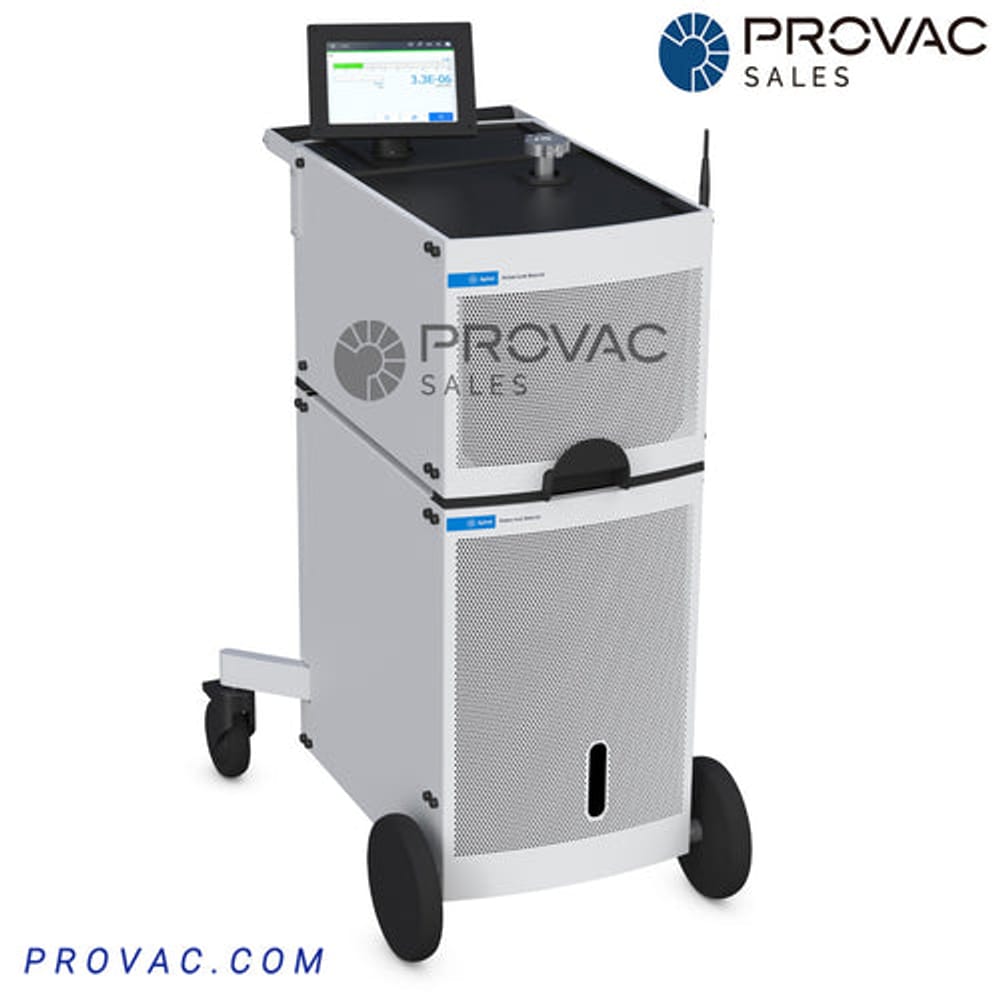
Agilent
Agilent HLD MD30 Mobile Dry Helium Leak Detector, Rebuilt
$ 33,000.00

Agilent
Agilent Multi-Gas CrossLab Sniffer Leak Detector
Contact us for pricing
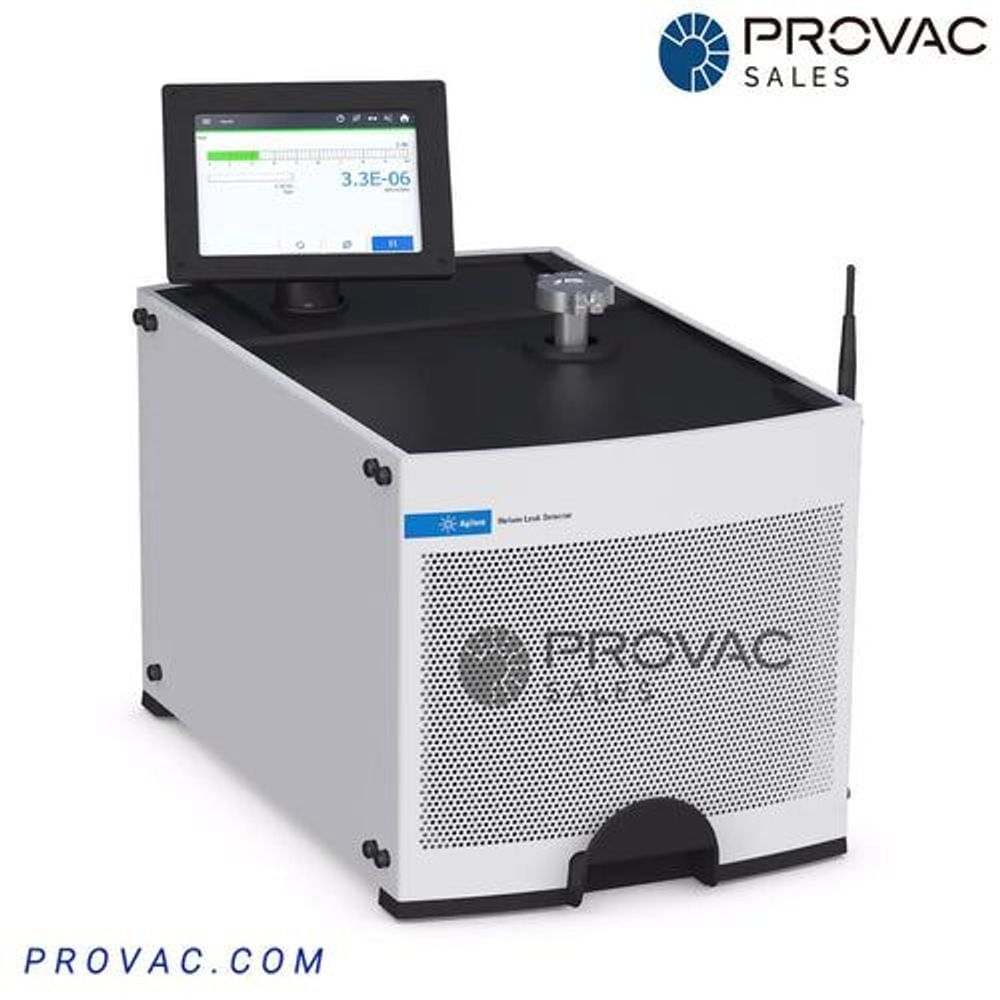
Agilent
Agilent HLD PD03 Portable Dry Helium Leak Detector, Factory Rebuilt
Contact us for pricing
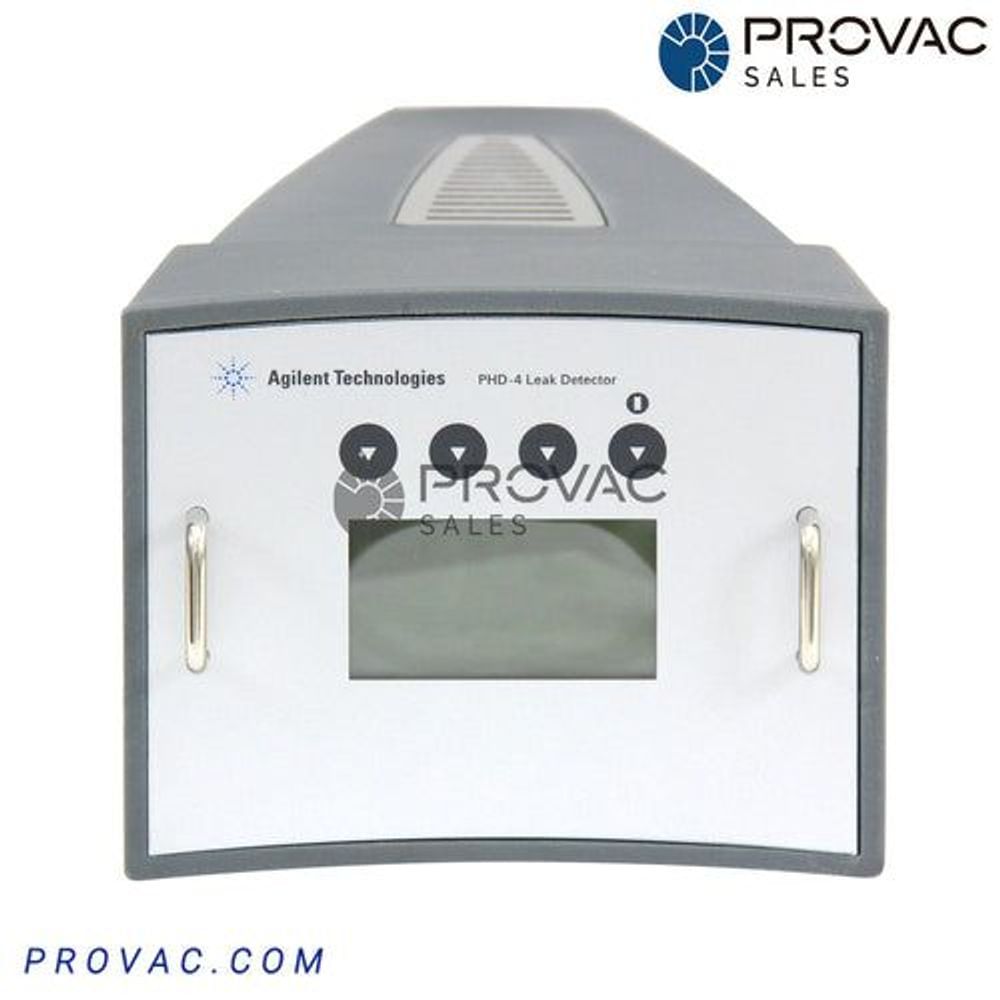
Agilent
Agilent PHD-4 Sniffer
Contact us for pricing
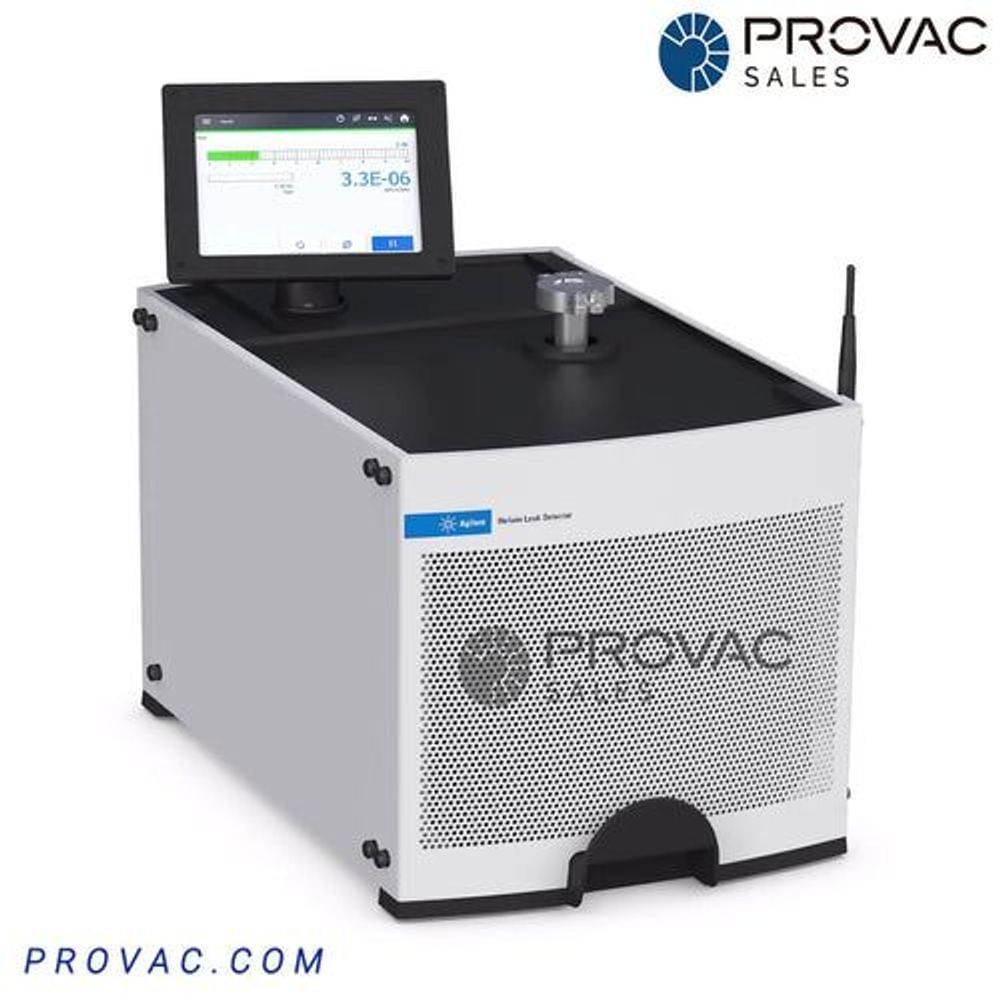
Agilent
Agilent HLD PR02 Portable Helium Leak Detector
Contact us for pricing
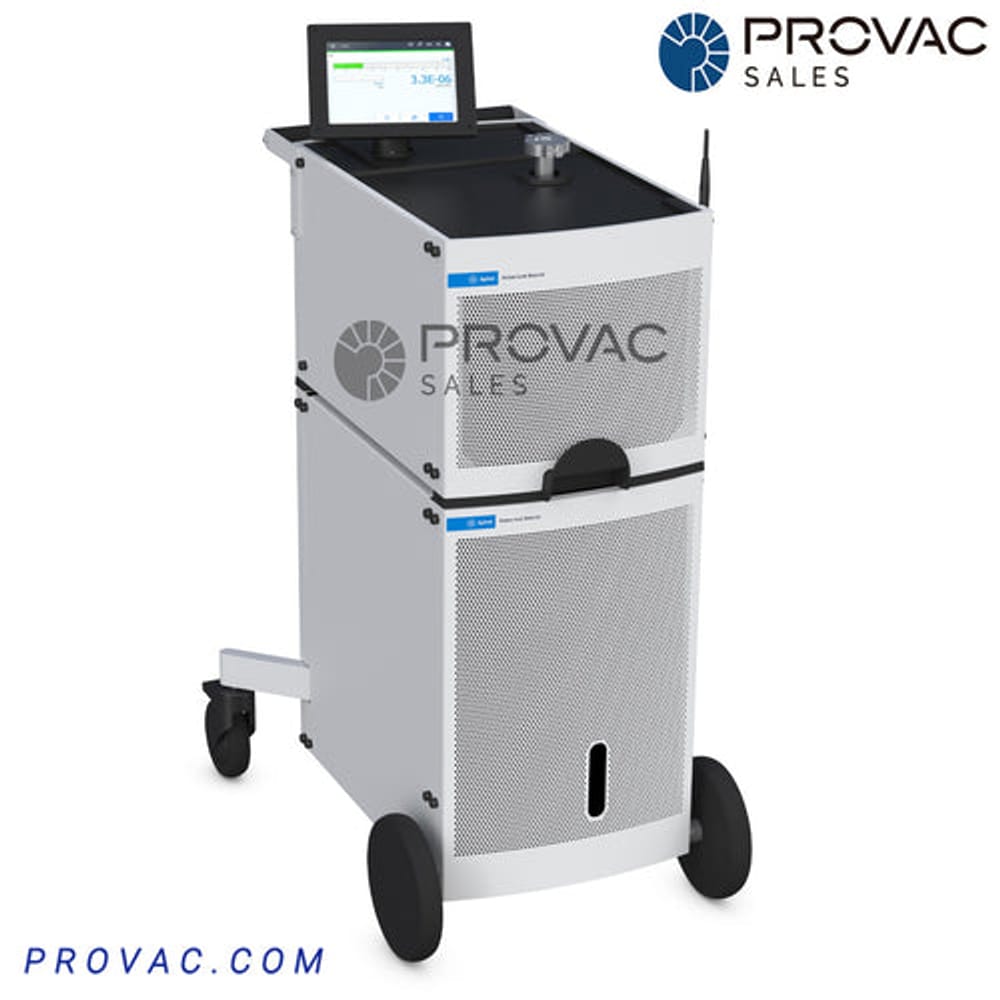
Agilent
Agilent HLD MD15 Mobile Dry Helium Leak Detector
Contact us for pricing
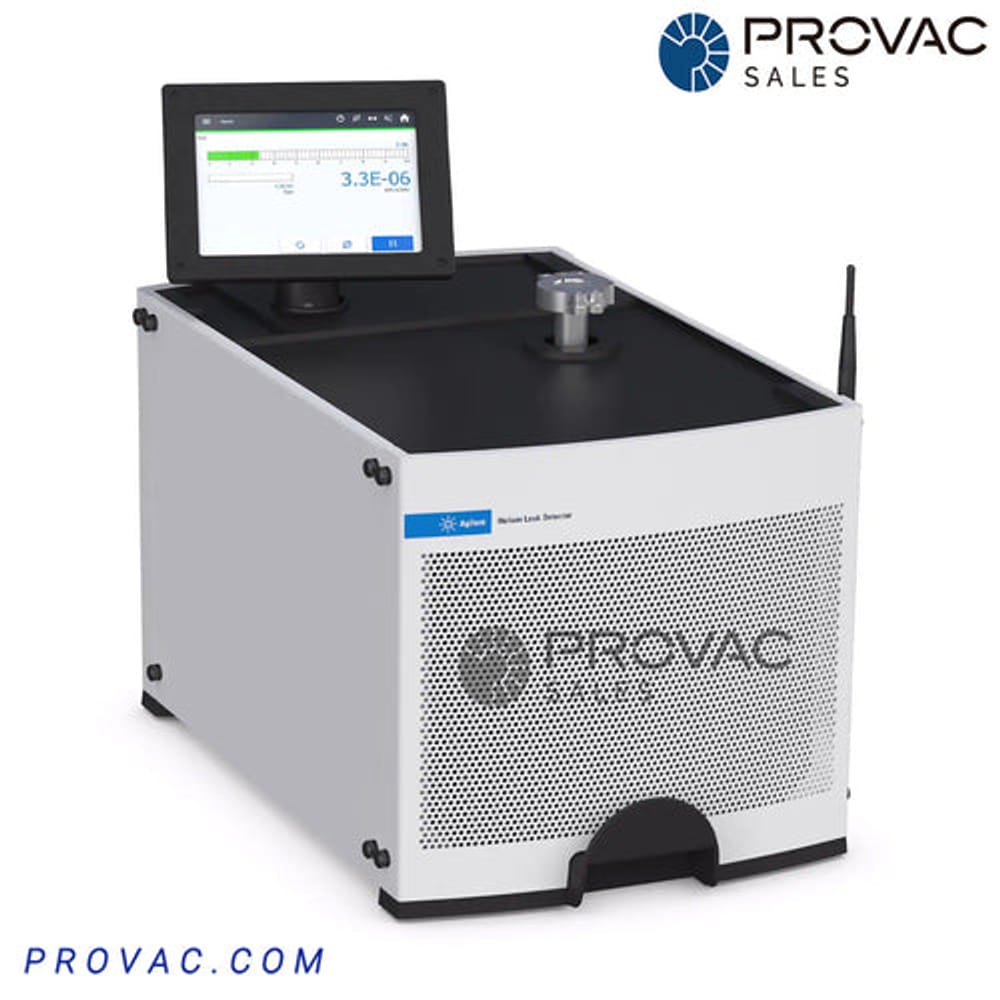
Agilent
Agilent HLD BR30 Bench Helium Leak Detector
Contact us for pricing
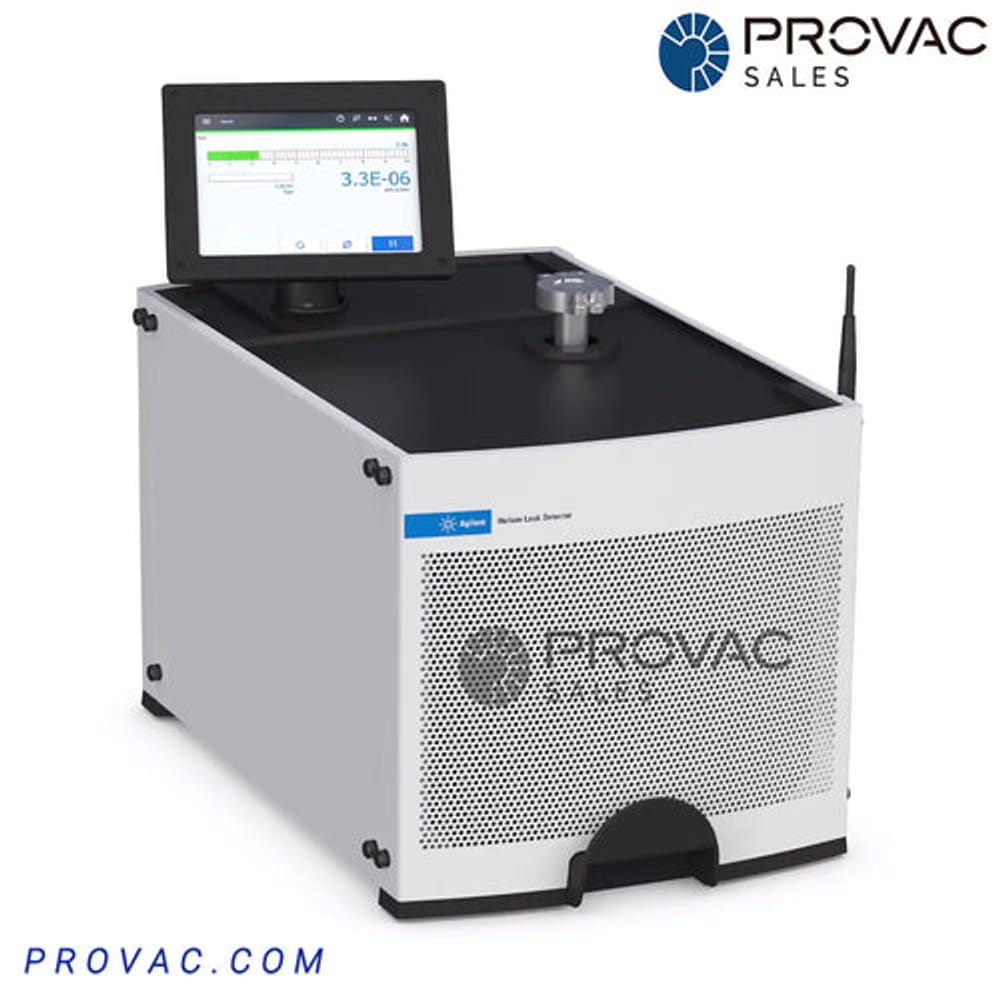
Agilent
Agilent HLD BD15 Bench Dry Helium Leak Detector
Contact us for pricing
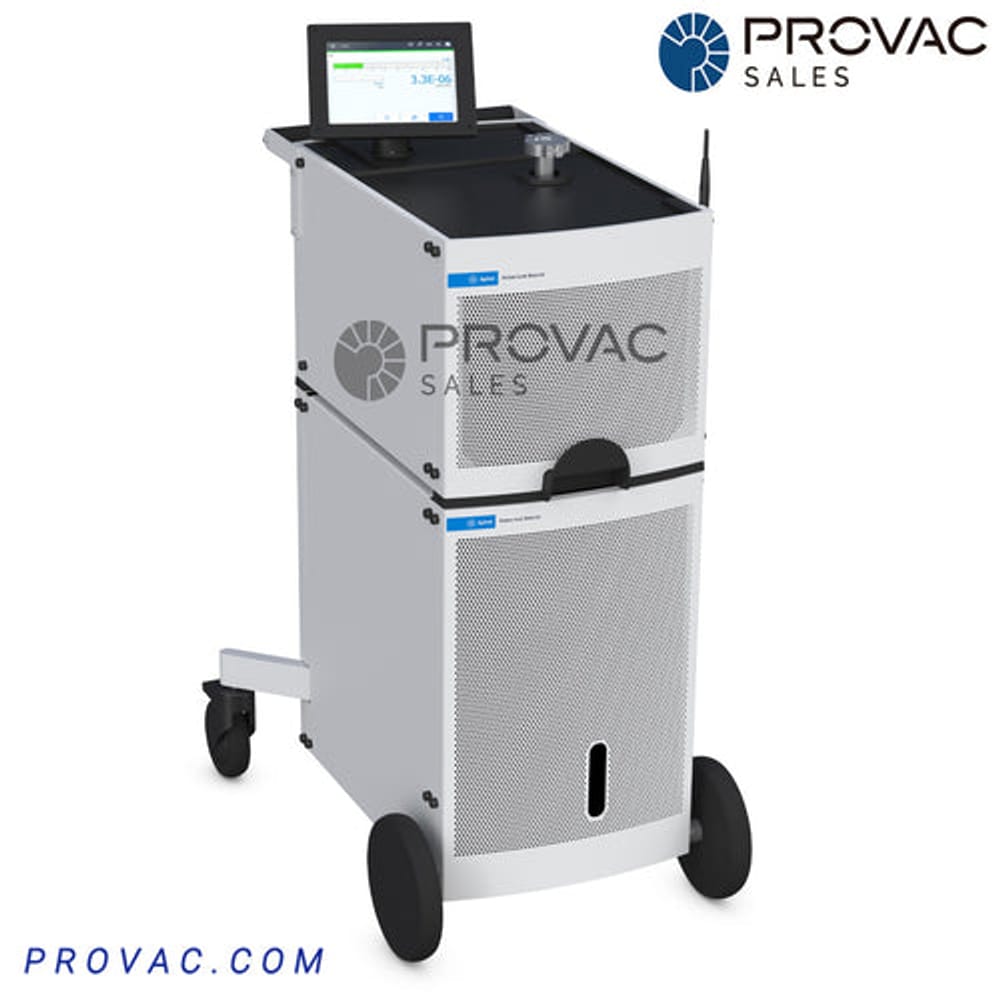
Agilent
Agilent HLD MR30 Mobile Helium Leak Detector
Contact us for pricing
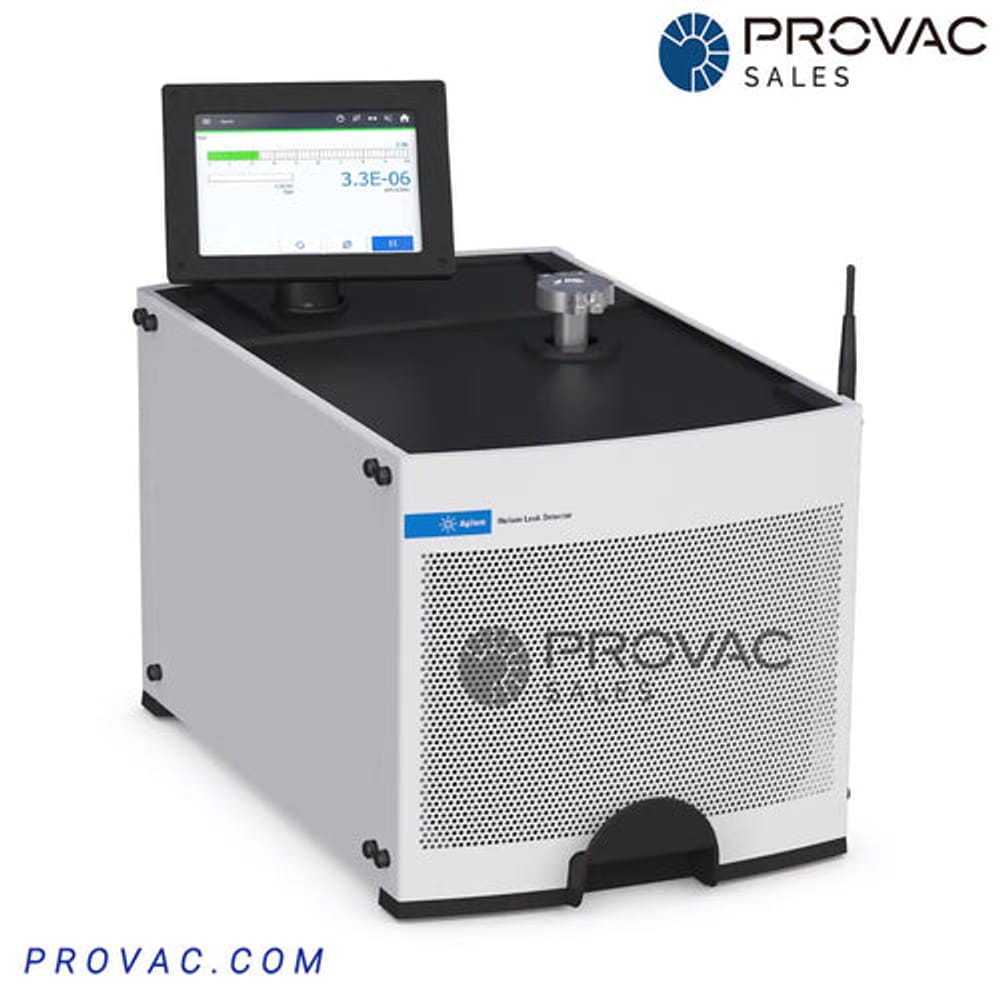
Agilent
Agilent HLD PD03 Portable Dry Helium Leak Detector
Contact us for pricing
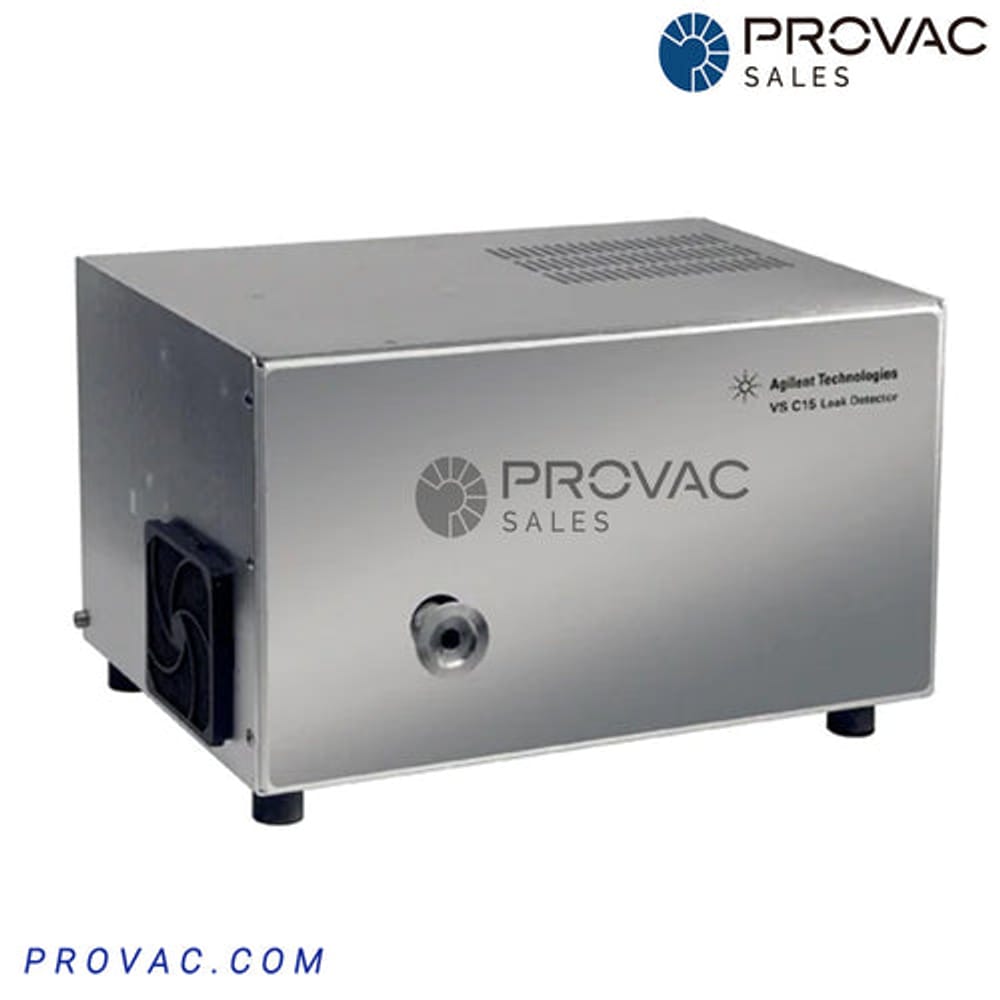
Agilent
Agilent VS C15 Component Leak Detector
Contact us for pricing
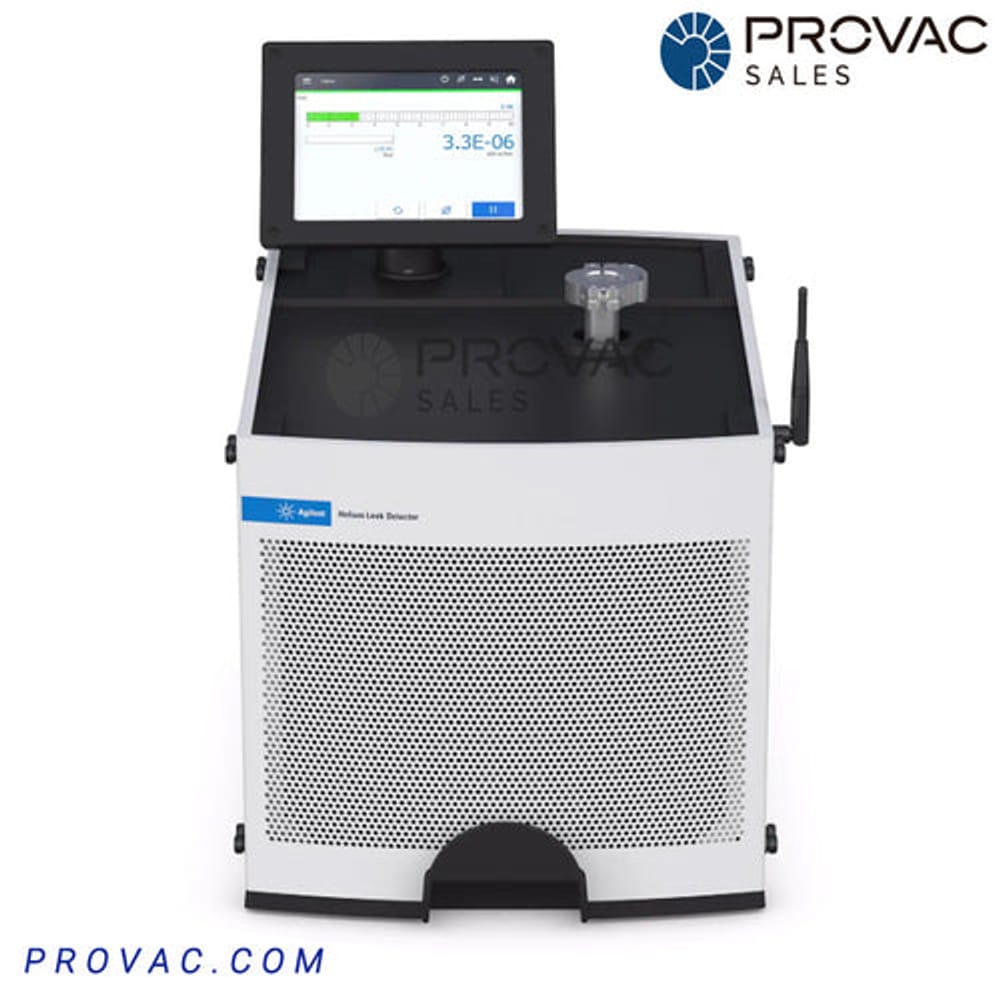
Agilent
Agilent HLD BD30 Bench Dry Helium Leak Detector
Contact us for pricing
Agilent Helium Leak Detectors
When a leak is too small to find with soap bubbles or a pressure gauge, a helium leak detector is the tool that saves the day. Agilent helium leak detectors trace helium, a tiny, inert, harmless gas, through a mass spectrometer to pinpoint leaks that would otherwise go unnoticed until they cause a real problem. The result is testing that is fast, repeatable, and sensitive enough to catch faults long before they threaten your product or your process.
Provac stocks both new and rebuilt Agilent helium leak detectors, and we back them with in-house repair, calibration, and warranty support. Whether you need a portable unit for field service or a benchtop instrument for a production line, we can help you find the detector that matches your work and keep it accurate for years.
How Helium Leak Detection Works
The method is clever in its simplicity. Helium is a very small molecule, so it slips through even the finest gaps. It is also rare in ordinary air and completely inert, which means it will not react with your parts and will not trigger false readings from background gases. To test a part, you introduce helium on one side of a suspected leak and let the detector sample the other side. If helium reaches the detector, the mass spectrometer identifies it instantly and reports how much is getting through.
That readout does more than tell you whether a leak exists. It tells you how large the leak is, which lets you decide whether a part passes, needs rework, or should be rejected. For manufacturers who have to certify leak-tight assemblies, that quantitative result is the difference between guessing and knowing.
Where Helium Leak Detectors Are Used
Helium leak detection shows up anywhere a seal, weld, or joint has to hold vacuum or pressure reliably. Common uses include:
- Commissioning and troubleshooting vacuum systems, where a single small leak can keep a chamber from reaching base pressure
- HVAC and refrigeration work, where technicians verify that sealed circuits will hold their charge
- Semiconductor and analytical instrument manufacturing, where leak-tight components are essential
- Research and quality assurance labs that need traceable, documented leak testing
- Automotive, aerospace, and medical device production, where safety depends on sealed assemblies
Portable and Benchtop Options
Not every job calls for the same kind of detector. Portable units are built for mobility, so you can carry them to a large chamber, a rooftop unit, or a customer site and test wherever the work is. Benchtop detectors trade portability for maximum sensitivity and throughput, which makes them a natural fit for production lines and busy labs that test part after part all day.
Both styles rely on internal turbo and roughing pumps to reach the low pressures the mass spectrometer needs. In many cases those are the very same Agilent turbo pumps and scroll pumps that Provac sells as standalone units, which means the expertise and spare parts you get from us cover the detector and the pumps inside it alike.
Keeping Your Detector Accurate
A leak detector is only as trustworthy as its last calibration. Sensitivity drifts over time, pumps wear, and spectrometer cells eventually need attention. Provac keeps your instrument dependable with a full range of service, so you never have to wonder whether a passing result is real.
- Calibration and sensitivity verification against known standards
- Repair of internal pumps, valves, and spectrometer cells
- Rebuilt detectors that are tested and warranty backed before they ship
- Guidance on test methods, from spray probe tracing to hard vacuum testing
Understanding Leak Rate and Sensitivity
One term you will hear again and again in leak testing is leak rate, usually expressed in units that describe how much gas passes through a leak over time. A detector's sensitivity is its ability to register very small leak rates, and the best helium leak detectors can sense leaks far below what any other practical method could find. This matters because not every application needs the same sensitivity. A refrigeration technician confirming that a circuit will hold its charge has different needs from a semiconductor manufacturer certifying an ultra-high vacuum flange. When you talk with Provac about a detector, we help you match its sensitivity to the leak rates your work actually demands, so you are neither underequipped nor paying for more instrument than you need.
Test Methods You Can Use
Helium leak detectors support more than one way of finding a leak, and knowing your options helps you choose the right instrument. In the spray, or outside-in, method, you pump the part down with the detector and spray helium around the outside, watching for the moment helium finds its way in. In the accumulation or sniffer method, you pressurize the part with helium and move a probe around the outside to find where it escapes. Hard vacuum testing offers the highest sensitivity for critical parts. Different detectors are optimized for different methods, so it helps to know how you plan to test before you buy.
Buying New Versus Rebuilt
A rebuilt helium leak detector can be a smart way to get professional-grade leak testing without the price of a brand new instrument. When Provac rebuilds a detector, we service the internal pumps, check and restore the spectrometer, verify sensitivity against known standards, and back the finished unit with a warranty. For many shops and labs, a rebuilt detector performs every bit as well as new for the work they do, and the savings can be put toward calibration, training, or spare parts. If your application demands the very latest features or the highest possible sensitivity, a new unit may be the better path. Either way, we will lay out the honest tradeoffs so you can decide based on your actual needs rather than a sales pitch, and we will support the instrument for the long haul.
Support That Comes With Your Detector
A leak detector is an instrument you will rely on for years, so the support behind it matters as much as the hardware itself. Provac stands behind every detector we sell with parts, service, and straightforward advice when a question comes up. Because we also stock and service the pumps, gauges, and fittings that surround a detector, you are not left stitching together help from several vendors when something needs attention. That single point of contact saves time and keeps your testing running.
Why Choose Provac for Leak Detection
Buying a leak detector is not just a hardware decision. It is a decision about the support you will have when the instrument needs care, and about whether the person selling it understands how leak testing actually works. Provac has spent decades in vacuum technology, and that background means we can talk through your application, recommend a detector that fits, and stand behind it long after the sale.
Because we also stock the pumps, gauges, and fittings that surround a detector, we can help with the whole test setup rather than just the box on the cart. See the full Agilent collection to explore how helium leak detectors work alongside Agilent turbo pumps, scroll pumps, pumping stations, diffusion pumps, and ion pumps. When you are ready to choose, call 831-462-8900 and we will help you match a detector to your test method and your budget.
Agilent Helium Leak Detectors FAQ
1. Do you offer both portable and benchtop detectors?
Yes. Portable units suit field service and large chambers, while benchtop units offer maximum sensitivity for production and lab use.
2. Can you calibrate and repair my existing detector?
We can. Provac offers calibration, sensitivity verification, and repair of the internal pumps, valves, and spectrometer cells.
3. Why helium instead of another tracer gas?
Helium is small enough to find tiny leaks, rare enough in air to avoid false readings, and completely inert, so it will not react with your parts.
4. What test methods do these detectors support?
Detectors support the spray, or outside-in, method where helium is sprayed around a part under vacuum, the accumulation or sniffer method where a pressurized part is probed for escaping helium, and hard vacuum testing for the highest sensitivity on critical parts. Different detectors are optimized for different methods, so it helps to know your test method before you buy.
5. Should I buy a new or rebuilt detector?
A rebuilt detector has its internal pumps serviced, its spectrometer checked and restored, and its sensitivity verified against known standards before shipping with a warranty, and it performs every bit as well as new for most shops and labs. A new unit may be the better path if your application demands the very latest features or the highest possible sensitivity.