
Vane Pumps
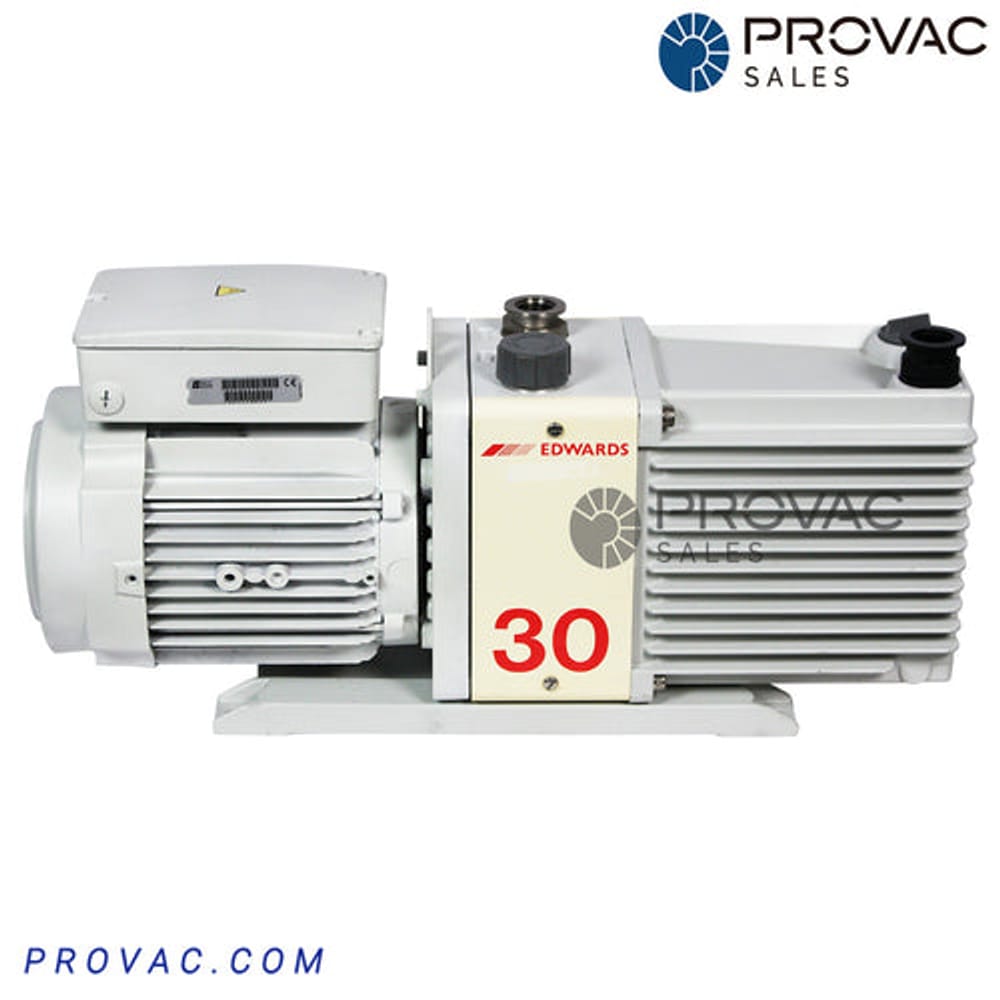
Edwards
Edwards E2M30 Rotary Vane Pump, 1 Phase, Rebuilt
$ 3,028.00
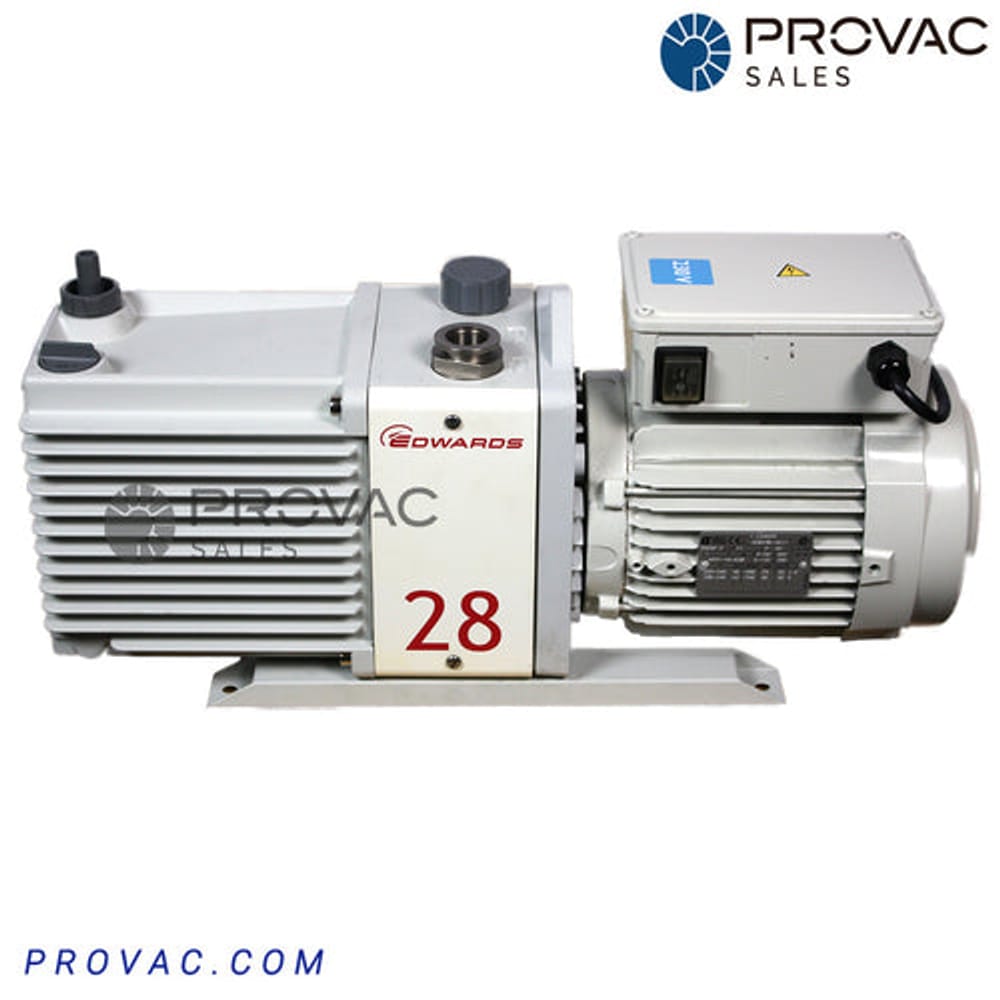
Edwards
Edwards E2M28 Rotary Vane Pump, 1 Phase, Rebuilt
$ 3,028.00
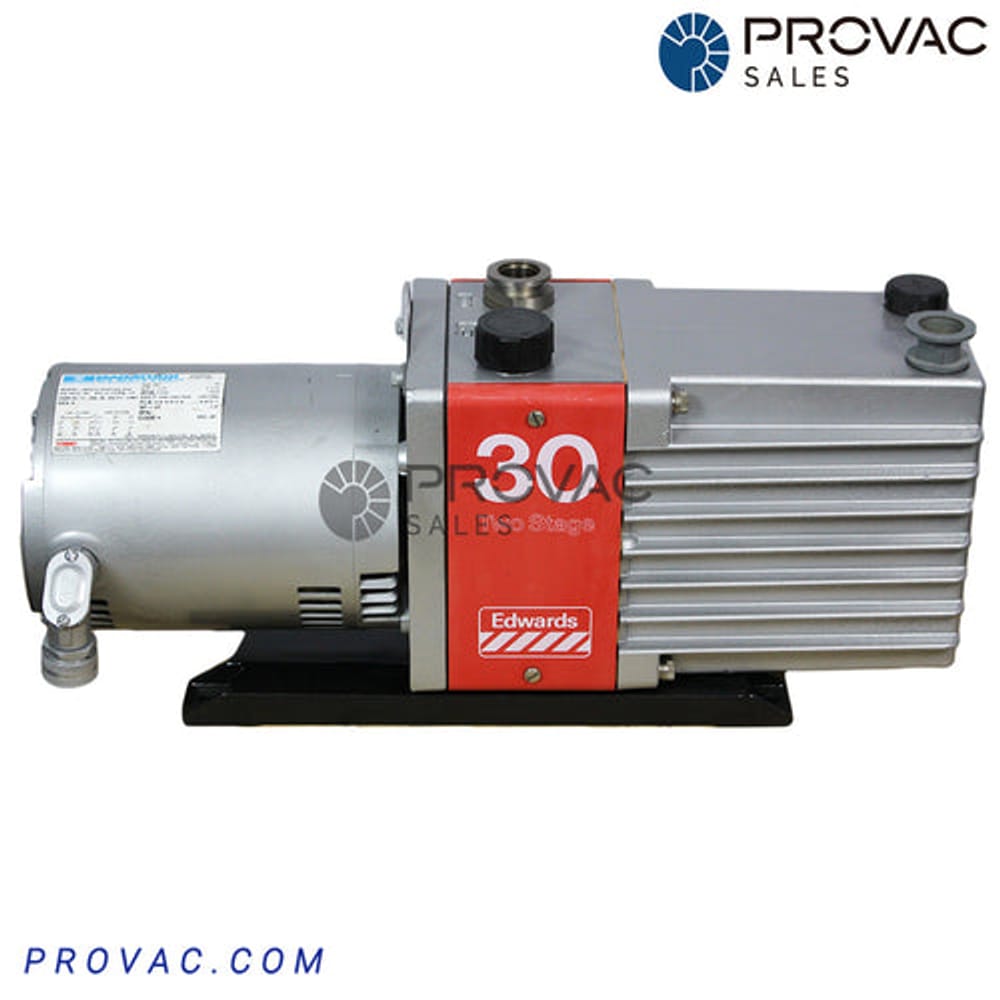
Edwards
Edwards E2M30 Rotary Vane Pump, 3 Phase, Rebuilt
$ 3,028.00
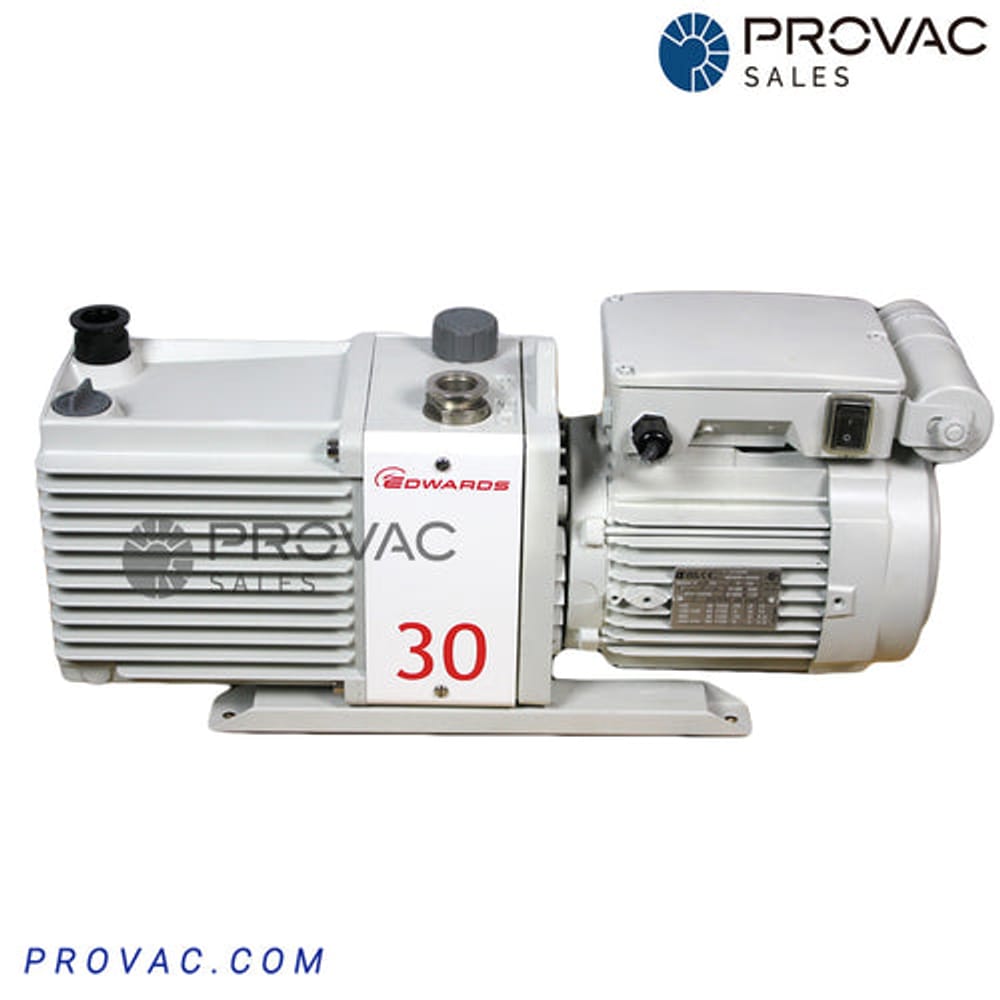
Edwards
Edwards E2M30FX Rotary Vane Pump, Rebuilt
$ 3,191.00
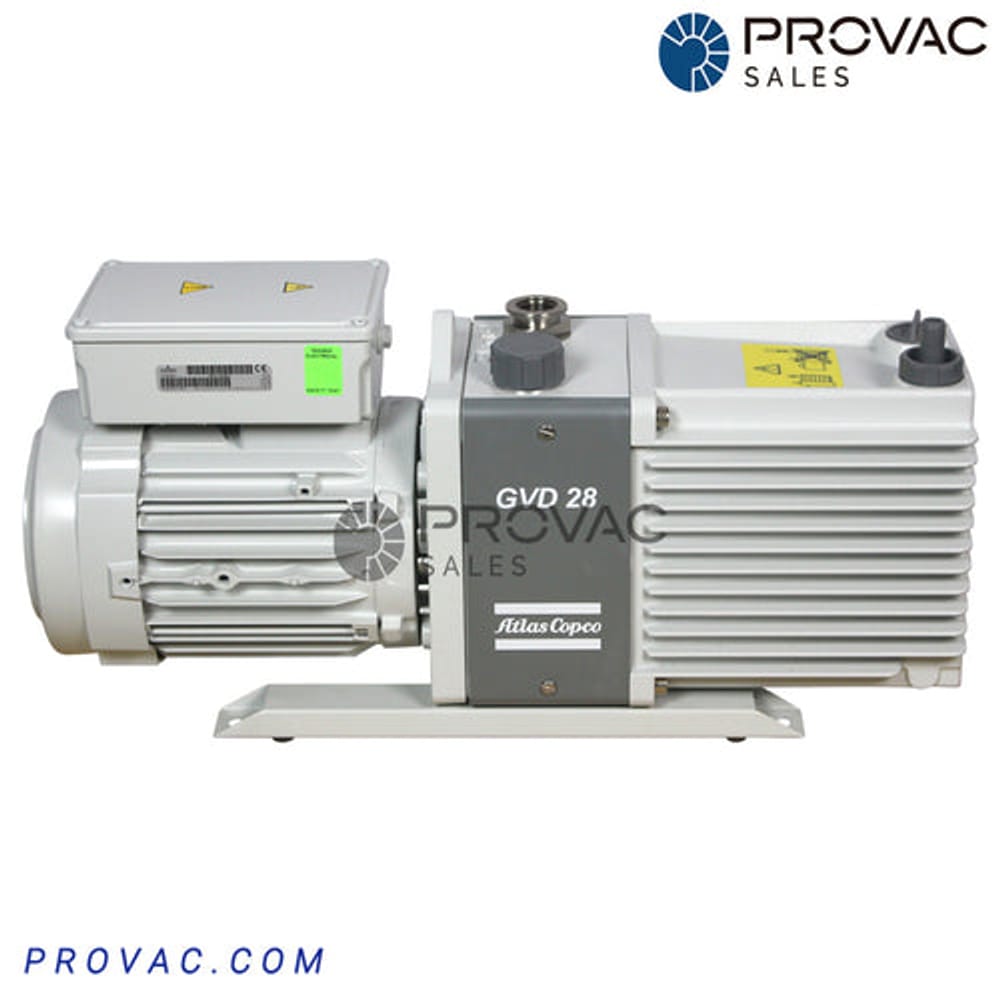
Atlas Copco
Atlas Copco GVD 28 Rotary Vane Pump, 1 Phase
Contact us for pricing
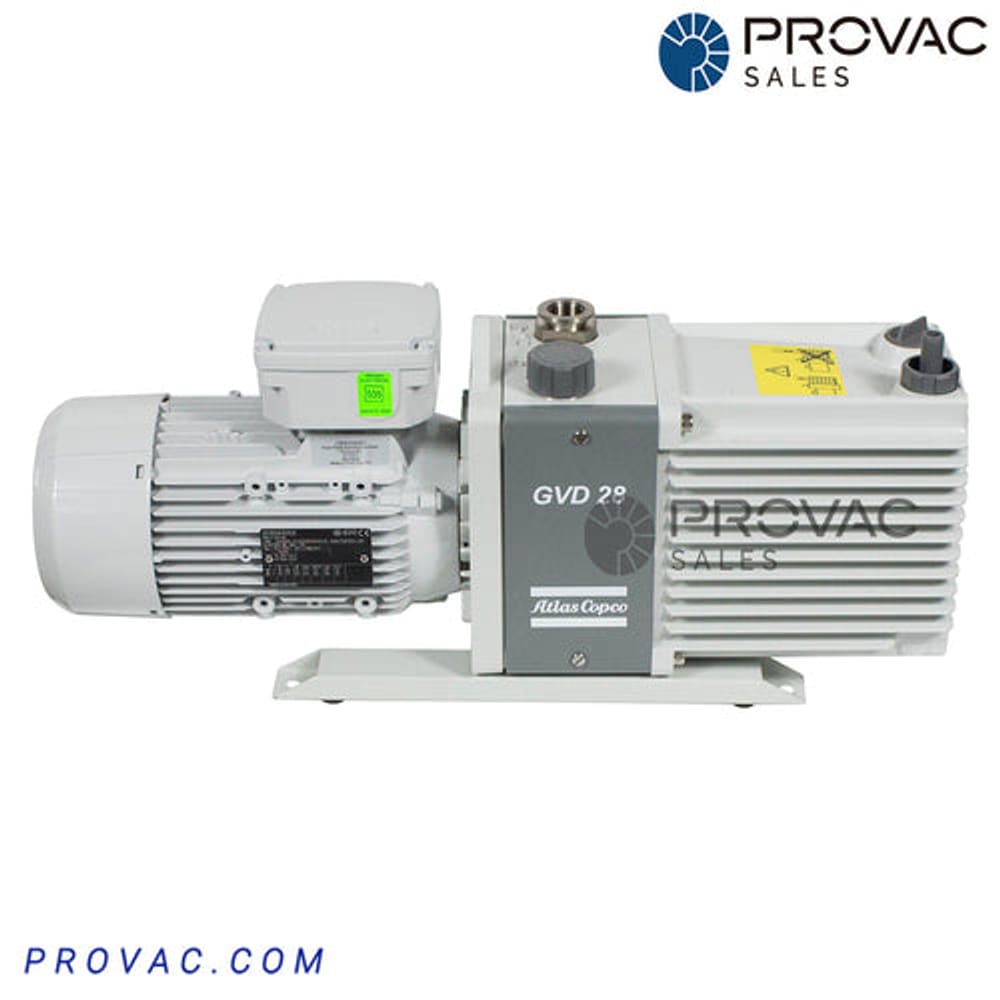
Atlas Copco
Atlas Copco GVD 28 Rotary Vane Pump, 3 Phase
Contact us for pricing
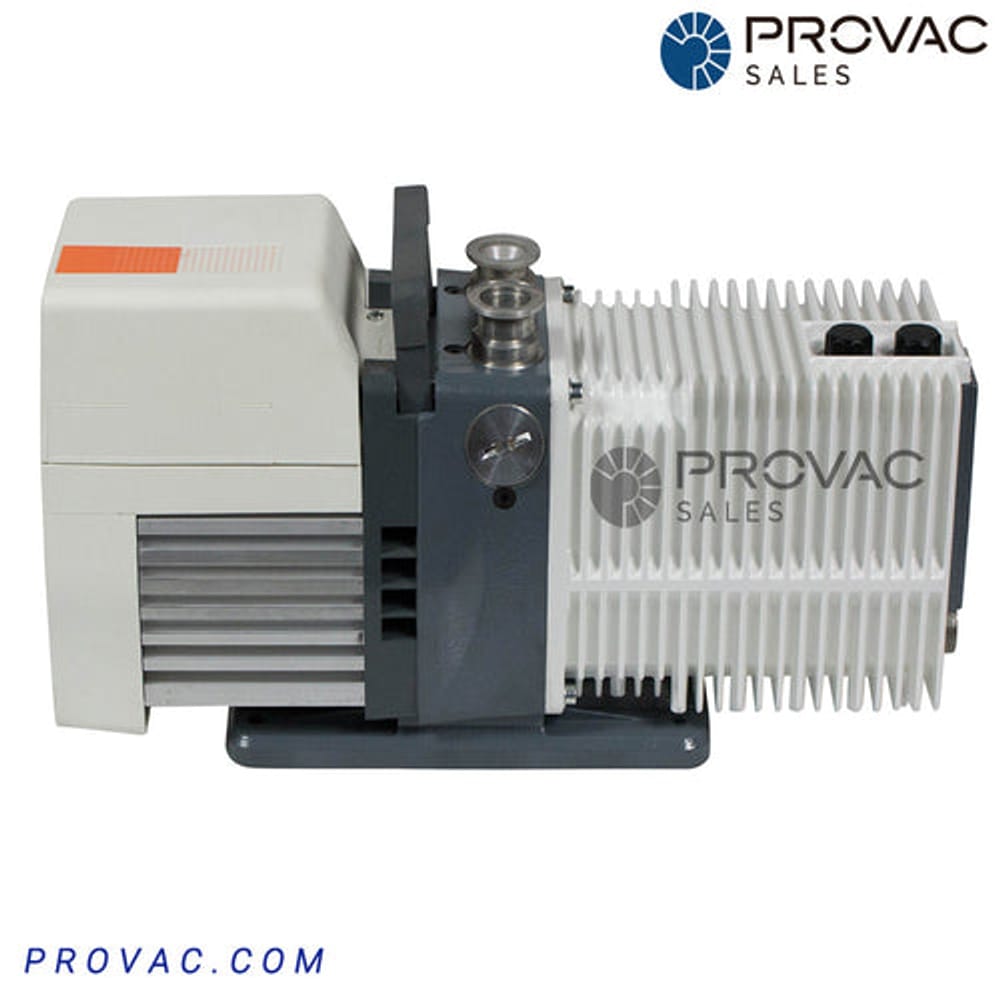
Alcatel/Adixen
Alcatel 2021i Rotary Vane Pump, 1 Phase, Rebuilt, Hydro
$ 2,284.00
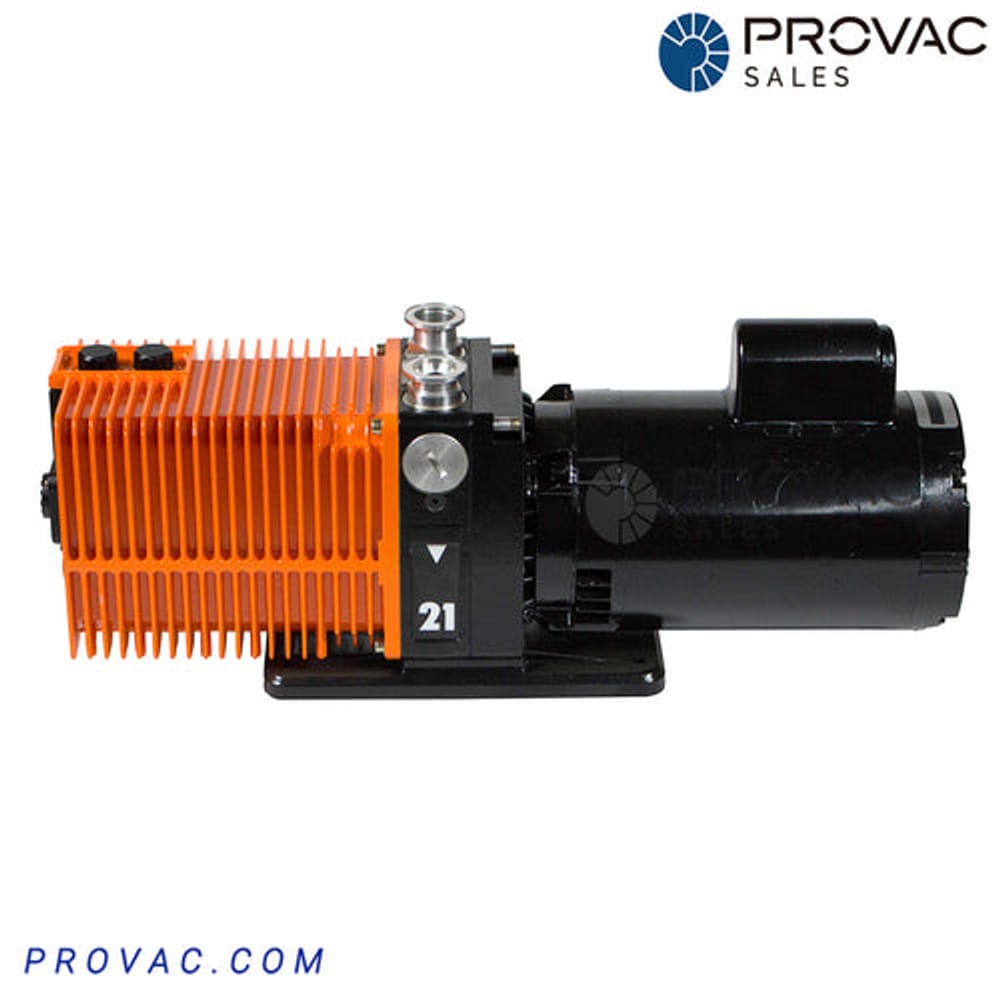
Alcatel/Adixen
Alcatel 2021 Rotary Vane Pump, Rebuilt
$ 1,785.00
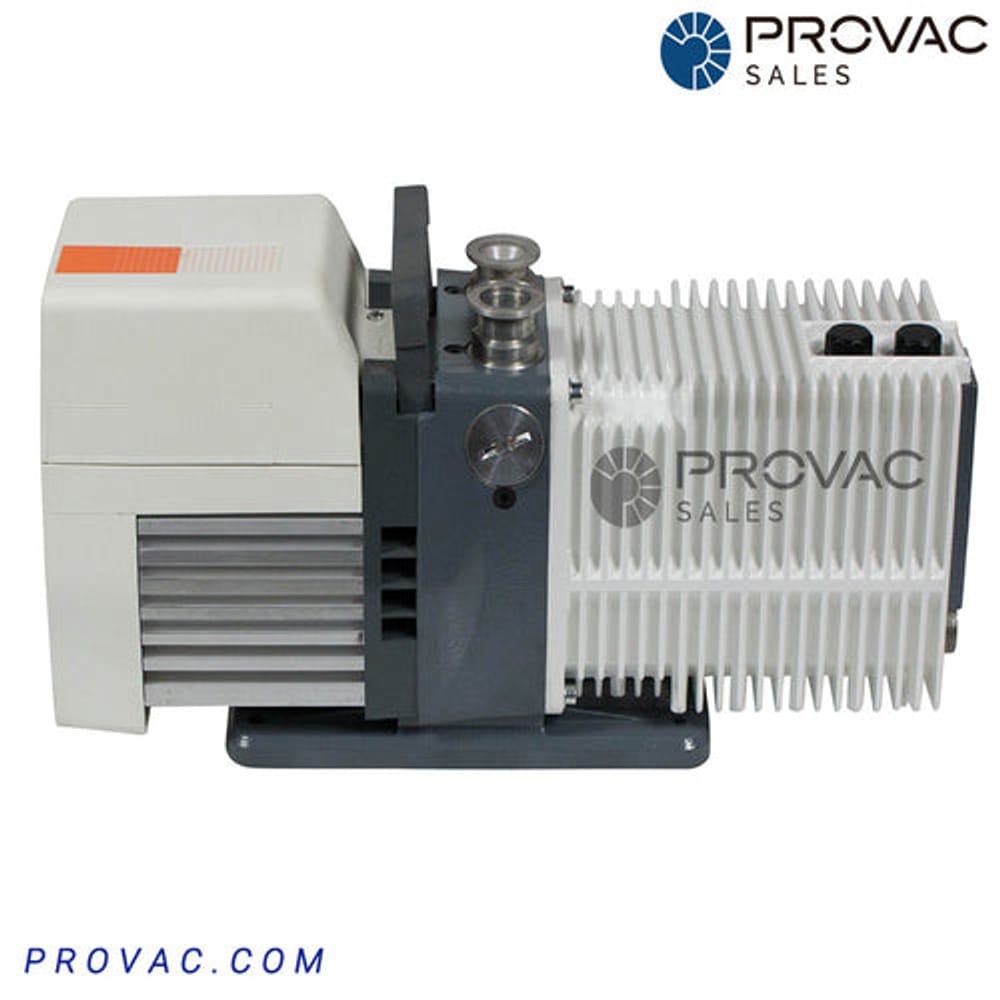
Alcatel/Adixen
Alcatel 2021i Rotary Vane Pump, 1 Phase, Rebuilt, PFPE
$ 2,284.00
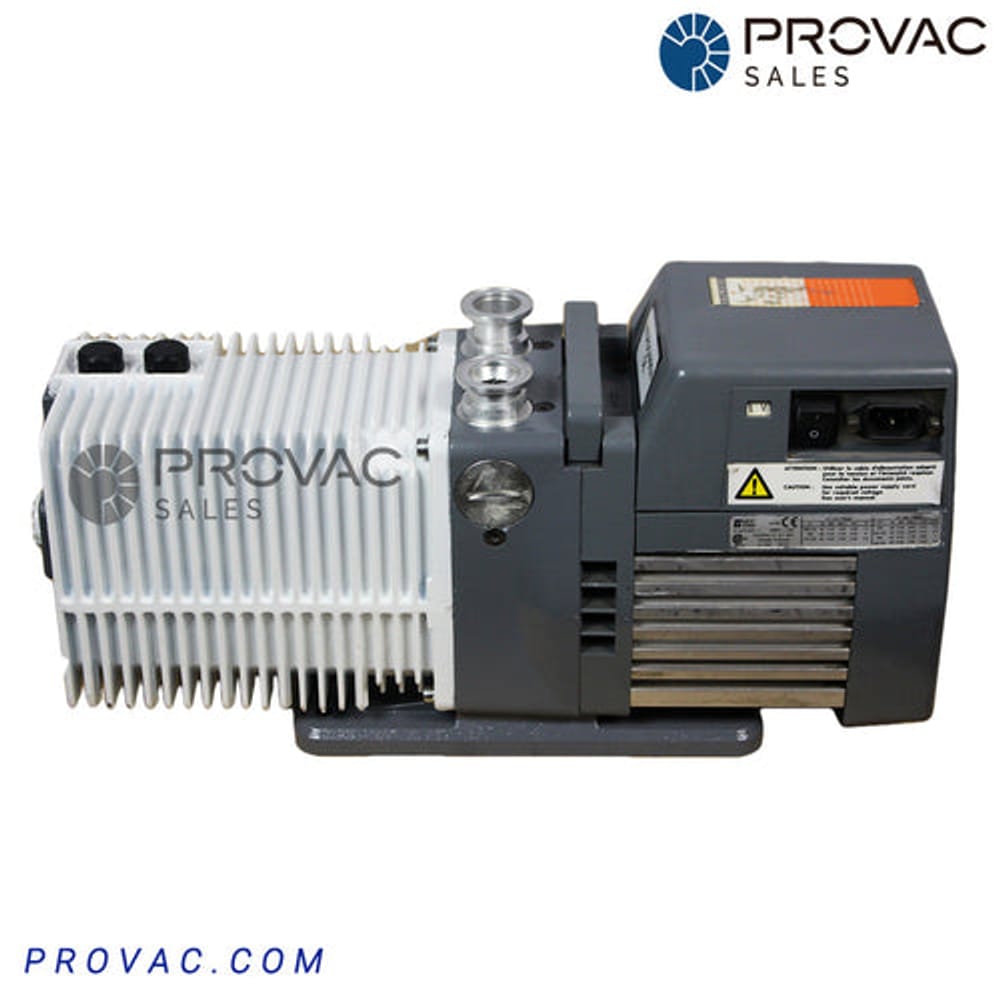
Alcatel/Adixen
Alcatel 2021SD Rotary Vane Pump, Rebuilt
$ 2,284.00
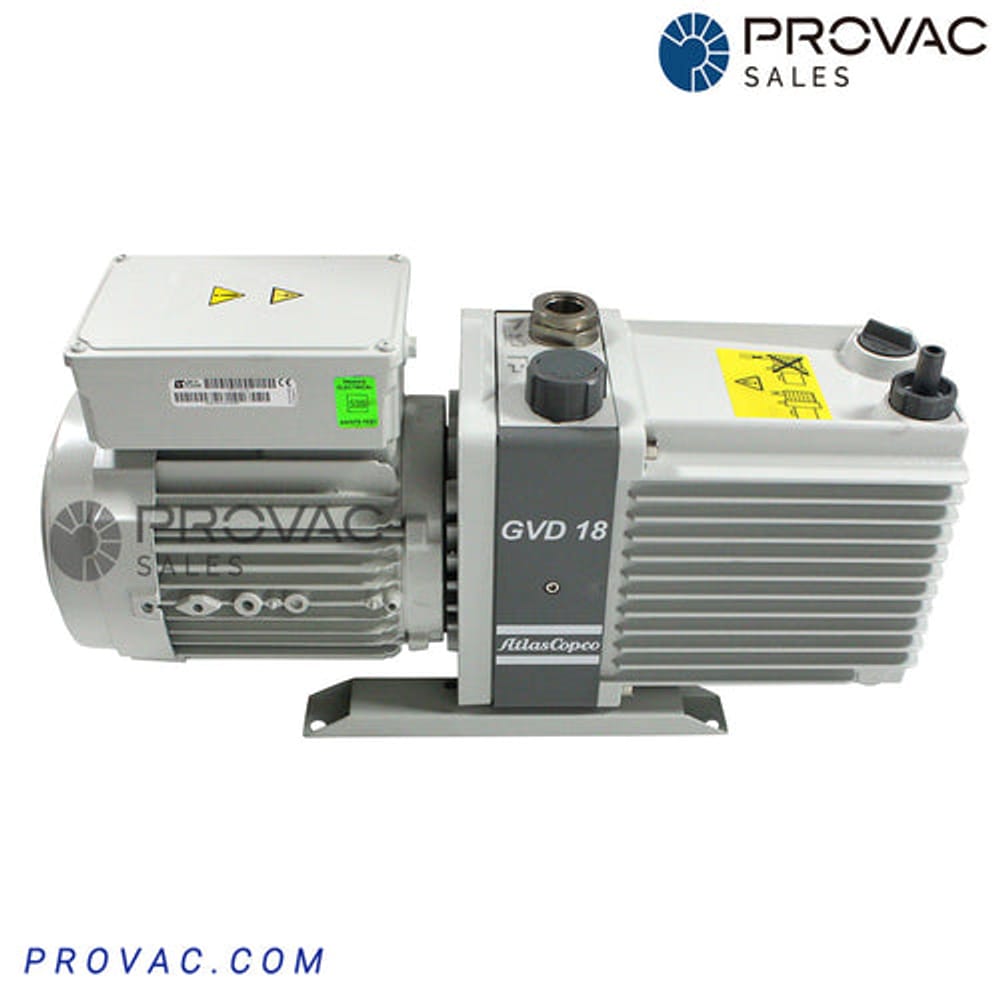
Atlas Copco
Atlas Copco GVD 18 Rotary Vane Pump, 1 Phase
Contact us for pricing
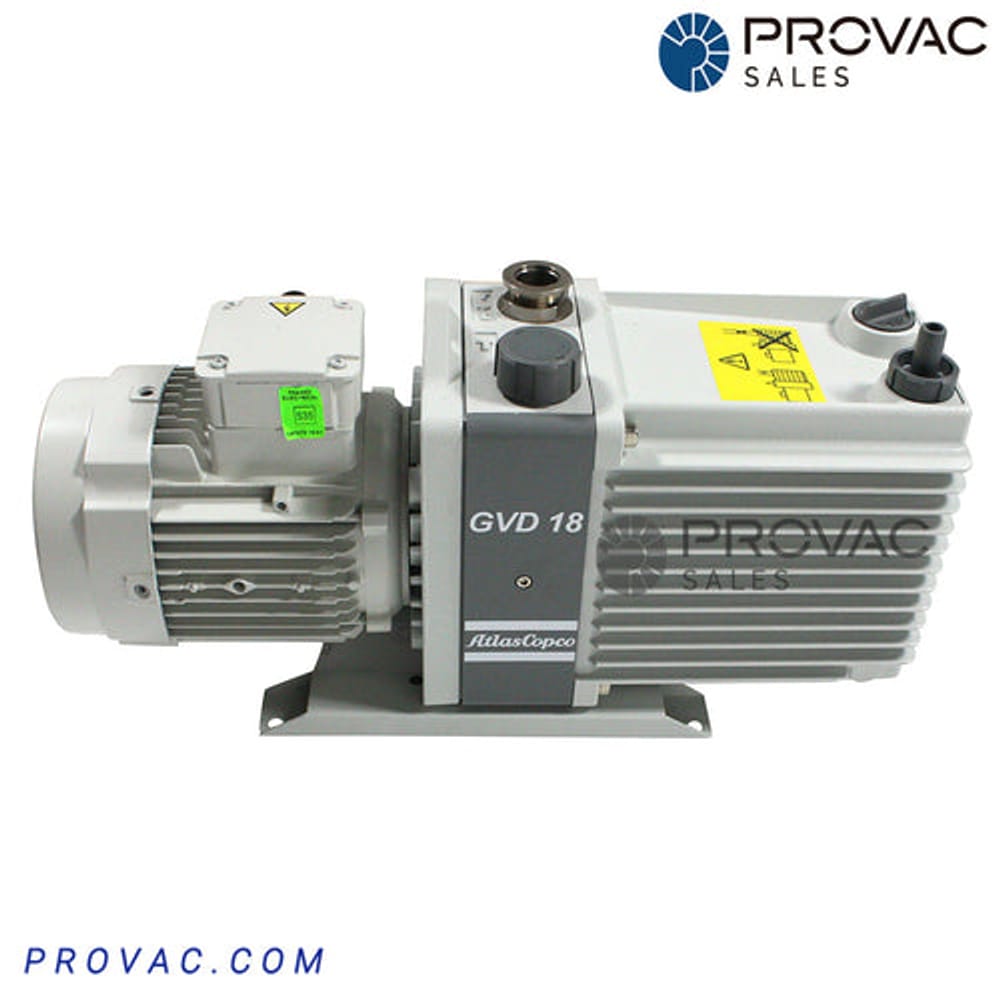
Atlas Copco
Atlas Copco GVD 18 Rotary Vane Pump, 3 Phase
Contact us for pricing
Vane Pumps
Vane pumps, particularly rotary vane pumps, are a crucial component in various industrial and scientific applications. Rotary vane vacuum pumps, also known as rotary vacuum pumps, are versatile and reliable devices used across industries for creating and maintaining vacuum conditions. These rotary pumps operate on a positive displacement principle, where vanes inside a rotating rotor compress air or gas to generate suction. Vane vacuum pumps are widely employed in applications such as laboratory research, industrial manufacturing, food packaging, and automotive systems. With their ability to achieve vacuum levels as low as 0.001 Torr, rotary vane pumps offer efficient performance for processes like distillation, freeze-drying, and gas sampling.
What Are Rotary Vane Pumps?
Rotary vane pumps are a type of positive displacement pump that uses a set of vanes mounted on a rotor to create suction and displacement. These pumps are widely used in vacuum applications, hydraulic systems, and various other industrial processes.
How Rotary Vane Pumps Work
The operation of a rotary vane pump is based on a simple yet effective mechanism:
- A rotor with sliding vanes rotates eccentrically within a cylindrical cavity.
- As the rotor turns, centrifugal force pushes the vanes outward against the cavity wall.
- The vanes create chambers that expand and contract as the rotor turns.
- This expansion and contraction create suction at the inlet and pressure at the outlet.
Types of Rotary Vane Pumps
Oil-Filled Rotary Vane Pumps
Oil-filled rotary vane pumps are the most common type. The oil serves multiple purposes:
- Lubrication of moving parts
- Sealing to improve vacuum performance
- Heat dissipation
These pumps are known for their reliability and ability to achieve high vacuum levels, making them ideal for many industrial and laboratory applications.
Dry-Running Rotary Vane Pumps
Dry-running pumps operate without oil in the pumping chamber. While they may not achieve the same vacuum levels as oil-filled pumps, they offer advantages in applications where oil contamination must be avoided.
Applications of Rotary Vane Pumps
Rotary vane pumps find use in a wide range of applications:
- Vacuum packaging in the food industry
- Semiconductor manufacturing
- Medical and pharmaceutical processes
- Automotive brake systems
- Chemical processing
- Woodworking and furniture manufacturing
Advantages of Rotary Vane Pumps
Rotary vane pumps offer several advantages over other pump types:
- High efficiency and reliability
- Compact design
- Ability to handle both liquids and gases
- Self-priming capability
- Relatively quiet operation
- Low maintenance requirements
Rotary Vane Vacuum Pumps
Rotary vane vacuum pumps are a subset of rotary vane pumps specifically designed to create and maintain vacuum conditions. These pumps are essential in many scientific and industrial processes that require low-pressure environments.
Features of Rotary Vane Vacuum Pumps
- High ultimate vacuum (as low as 10^-3 mbar in some models)
- Stable performance over a wide pressure range
- Ability to handle water vapor and other condensable gases
- Available in various sizes and capacities
Maintenance of Rotary Vane Pumps
Proper maintenance is crucial for ensuring the longevity and performance of rotary vane pumps:
- Regular oil changes (for oil-filled pumps)
- Inspection and replacement of vanes as needed
- Cleaning of inlet and outlet ports
- Checking and replacing seals and gaskets
Comparing Rotary Vane Pumps to Other Pump Types
Rotary Vane Pumps vs. Diaphragm Pumps
While both types are used in vacuum applications, rotary vane pumps generally achieve higher vacuum levels and have higher pumping speeds. Diaphragm pumps, however, are often preferred in applications requiring oil-free operation.
Rotary Vane Pumps vs. Piston Pumps
Rotary vane pumps typically offer smoother, more continuous flow compared to piston pumps. They also tend to be more compact and have fewer moving parts, potentially leading to lower maintenance requirements.
Innovations in Rotary Vane Pump Technology
Recent advancements in rotary vane pump technology include:
- Improved materials for vanes and stators, enhancing durability and performance
- Variable speed drives for better energy efficiency
- Smart monitoring systems for predictive maintenance
- Enhanced oil filtration systems for oil-filled pumps
Choosing the Right Rotary Vane Pump
When selecting a rotary vane pump, consider the following factors:
- Required vacuum level or pressure
- Pumping speed needs
- Oil-filled vs. dry-running operation
- Compatibility with the pumped media
- Noise and vibration requirements
- Energy efficiency
- Maintenance needs and total cost of ownership
Vane Pumps for Sale: What to Look For
When browsing vane pumps for sale, keep these points in mind:
- Reputation of the manufacturer
- Warranty and after-sales support
- Availability of spare parts
- Energy efficiency ratings
- Noise levels
- Compatibility with your existing systems
The Future of Rotary Vane Pumps
As technology advances, we can expect to see further improvements in rotary vane pump design and performance:
- Integration of IoT technologies for remote monitoring and control
- Development of more environmentally friendly lubricants for oil-filled pumps
- Improved materials and manufacturing techniques for longer-lasting components
- Enhanced energy efficiency to meet stricter environmental regulations
Conclusion
Rotary vane pumps, particularly rotary vane vacuum pumps, continue to be a cornerstone technology in many industries. Their versatility, reliability, and efficiency make them an excellent choice for a wide range of applications. Whether you're in need of a high-performance vacuum pump for scientific research or a reliable pump for industrial processes, rotary vane pumps offer a proven solution.
As you consider your options for vane pumps, remember to evaluate your specific needs carefully. Whether you opt for an oil-filled rotary vane pump for high vacuum applications or a dry-running pump for oil-sensitive processes, choosing the right pump can significantly impact the efficiency and effectiveness of your operations.