
Liquid Ring
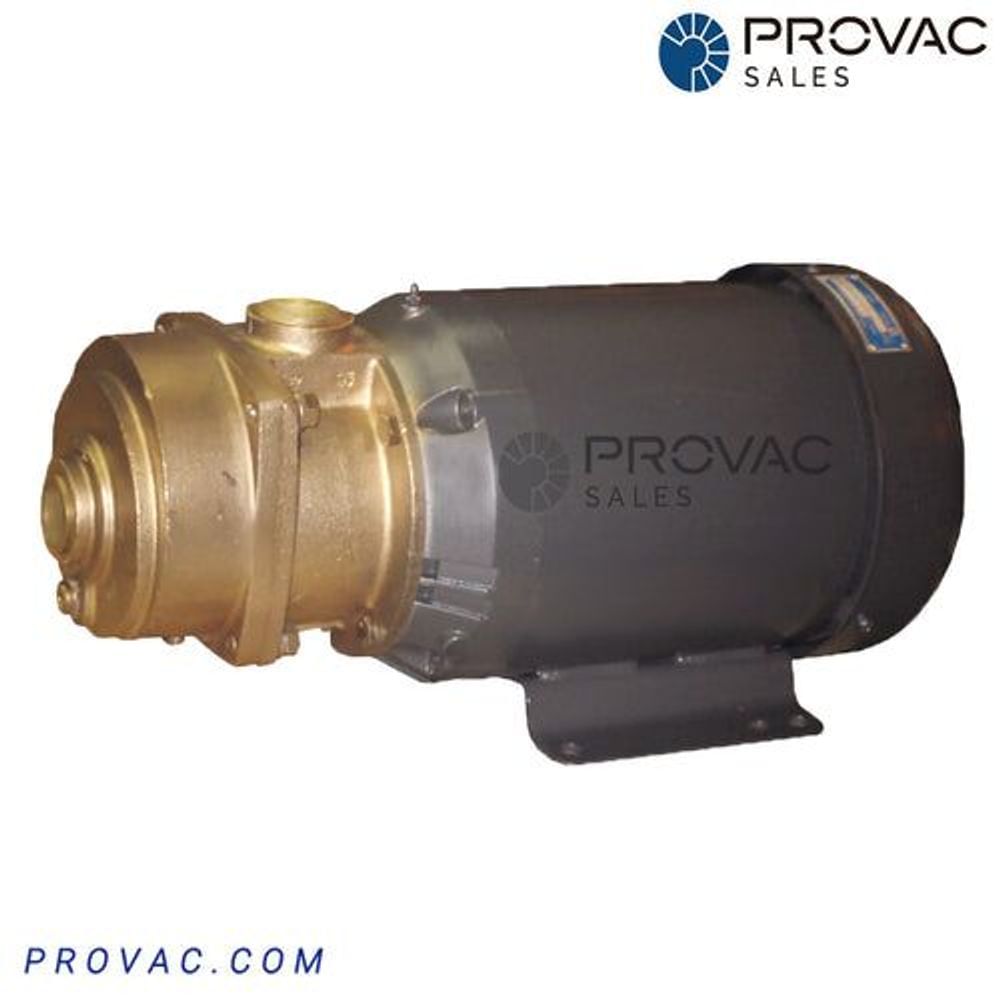
MD-Kinney
Kinney A15 Liquid Ring Vacuum Pump
Contact us for pricing
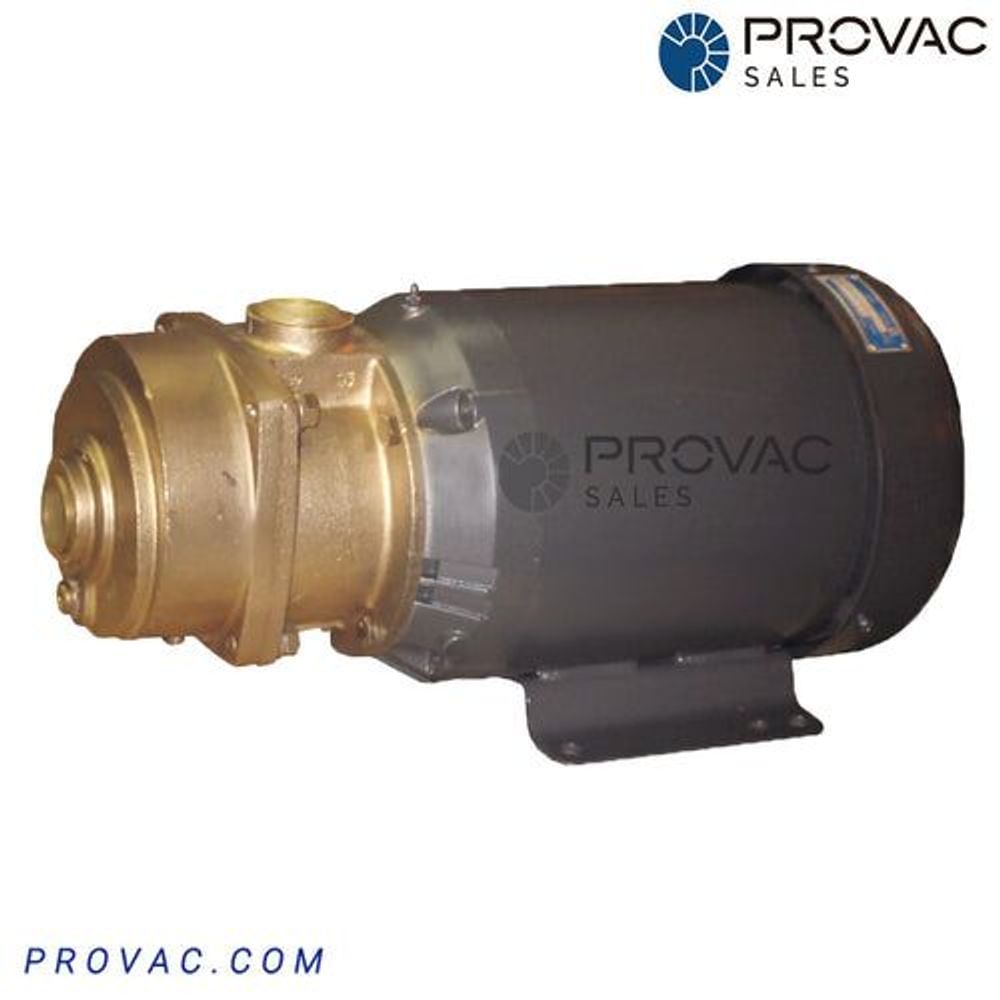
MD-Kinney
Kinney A10 Liquid Ring Vacuum Pump
Contact us for pricing
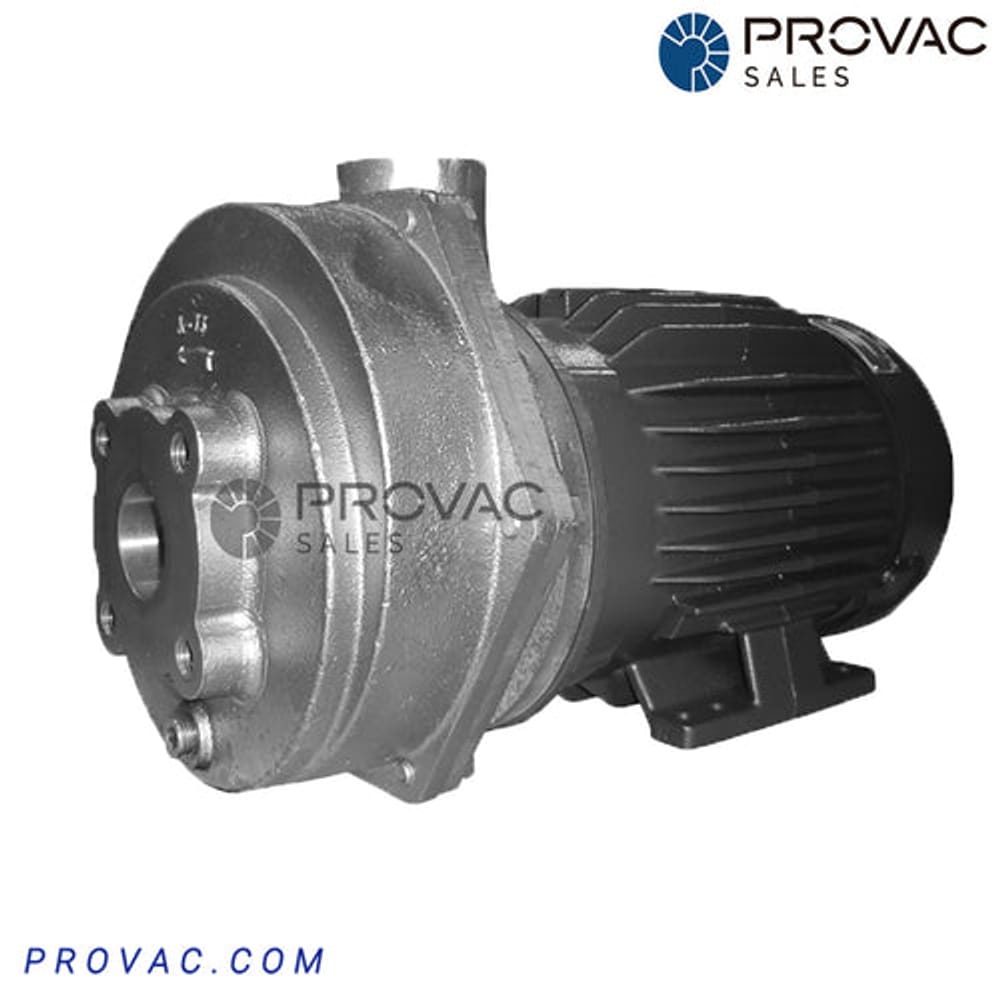
MD-Kinney
Kinney A100 Liquid Ring Vacuum Pump
Contact us for pricing
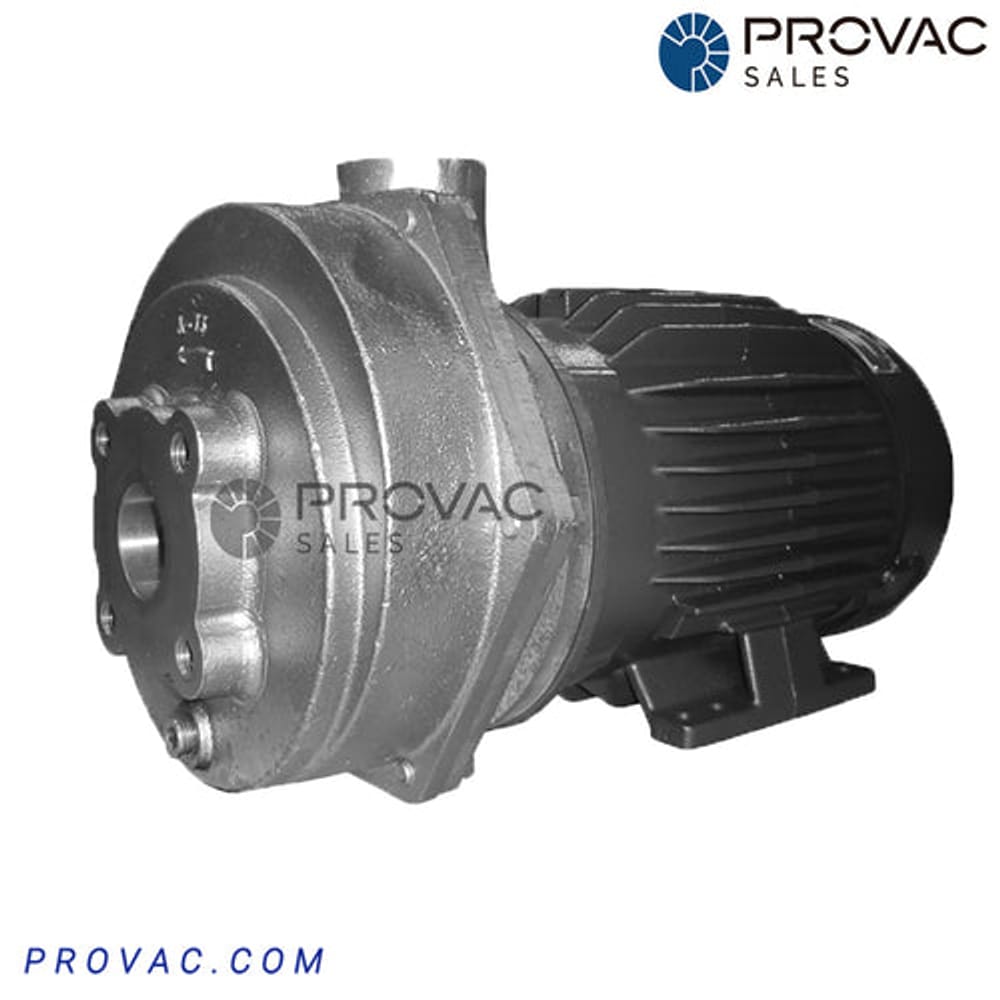
MD-Kinney
Kinney A130 Liquid Ring Vacuum Pump
Contact us for pricing
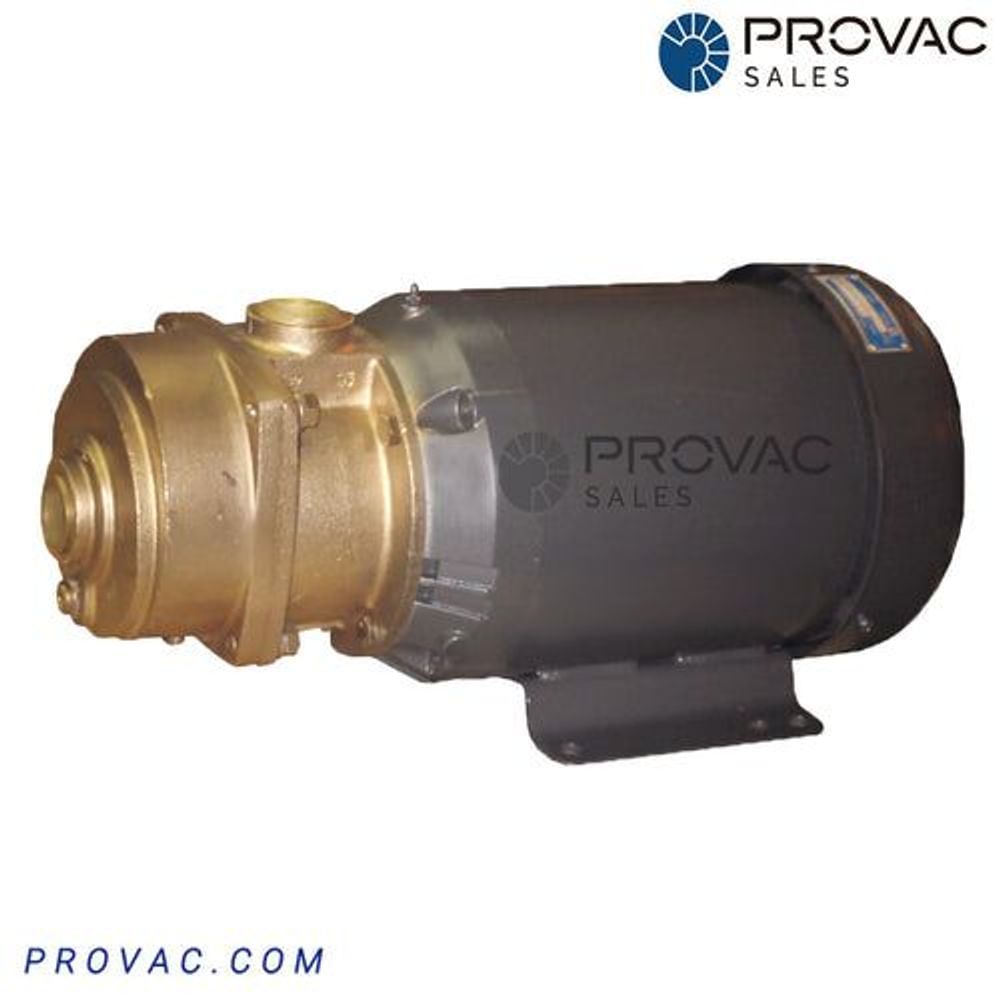
MD-Kinney
Kinney A20 Liquid Ring Vacuum Pump
Contact us for pricing
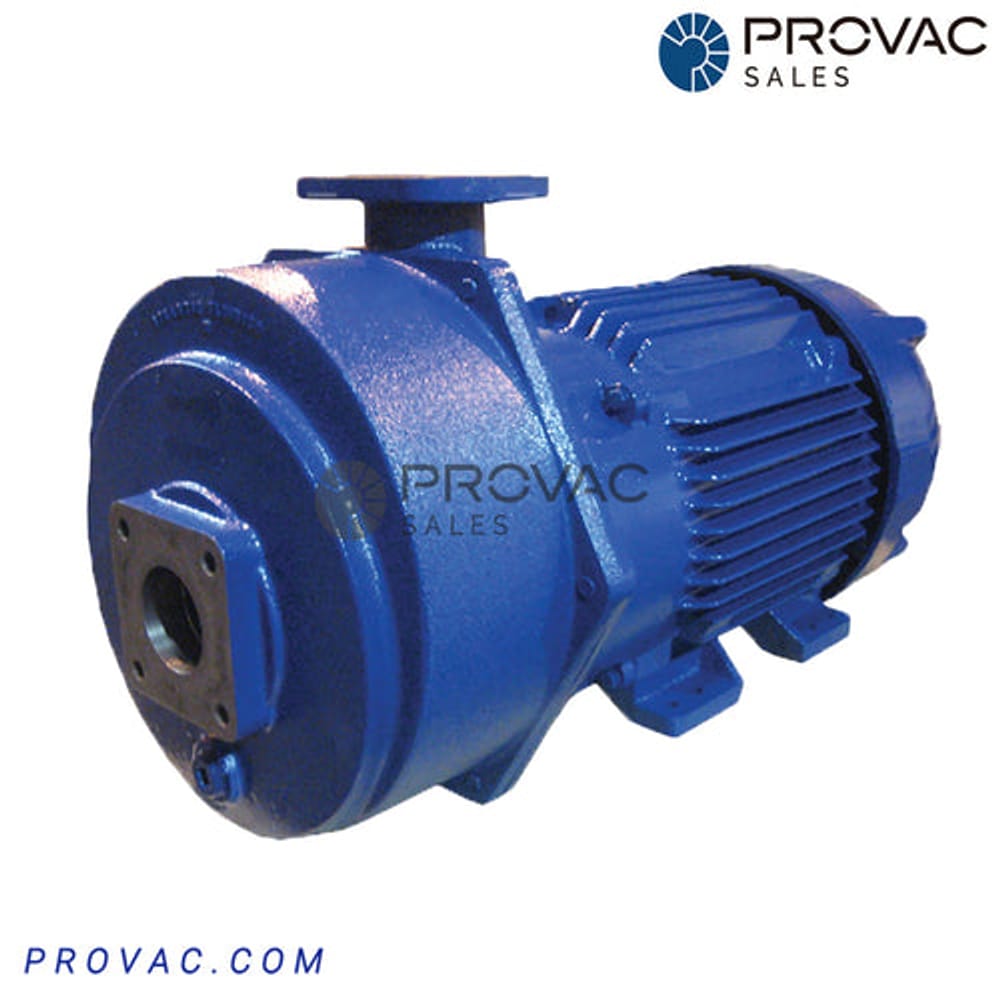
MD-Kinney
Kinney A200 Liquid Ring Vacuum Pump
Contact us for pricing
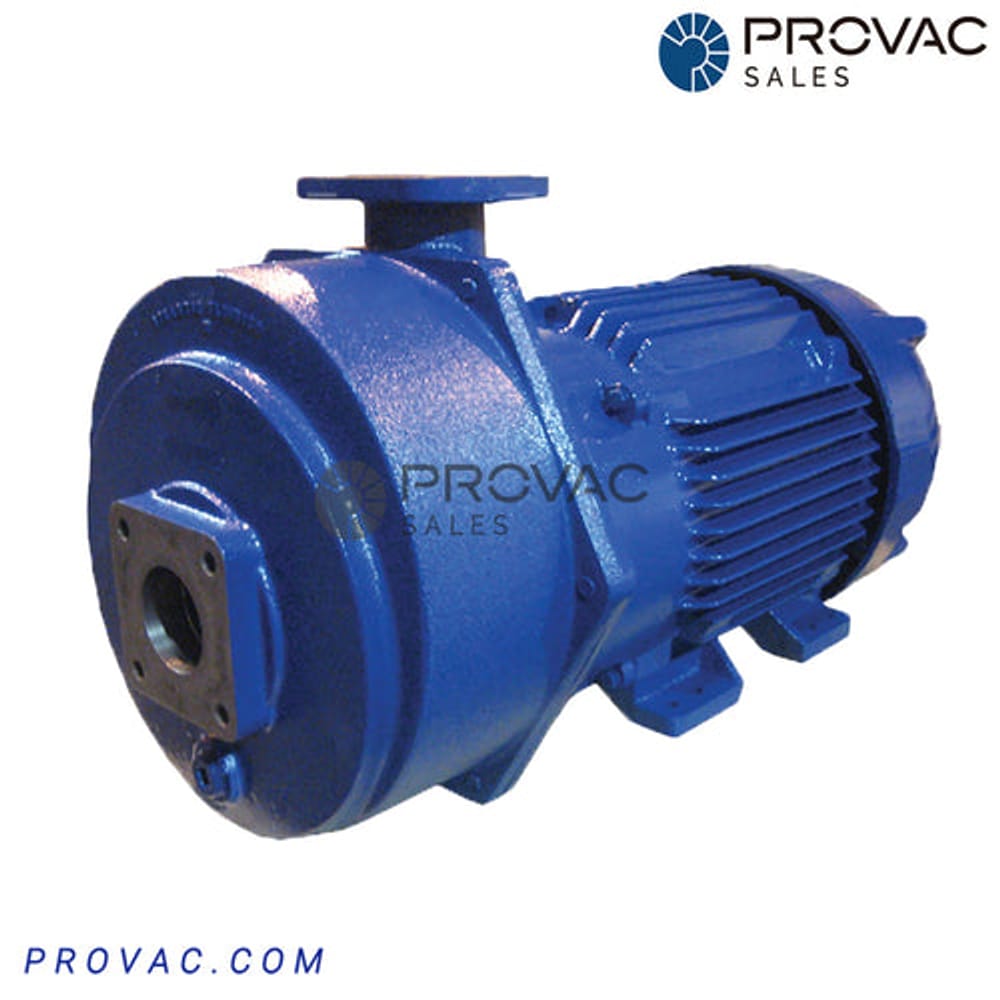
MD-Kinney
Kinney A300 Liquid Ring Vacuum Pump
Contact us for pricing
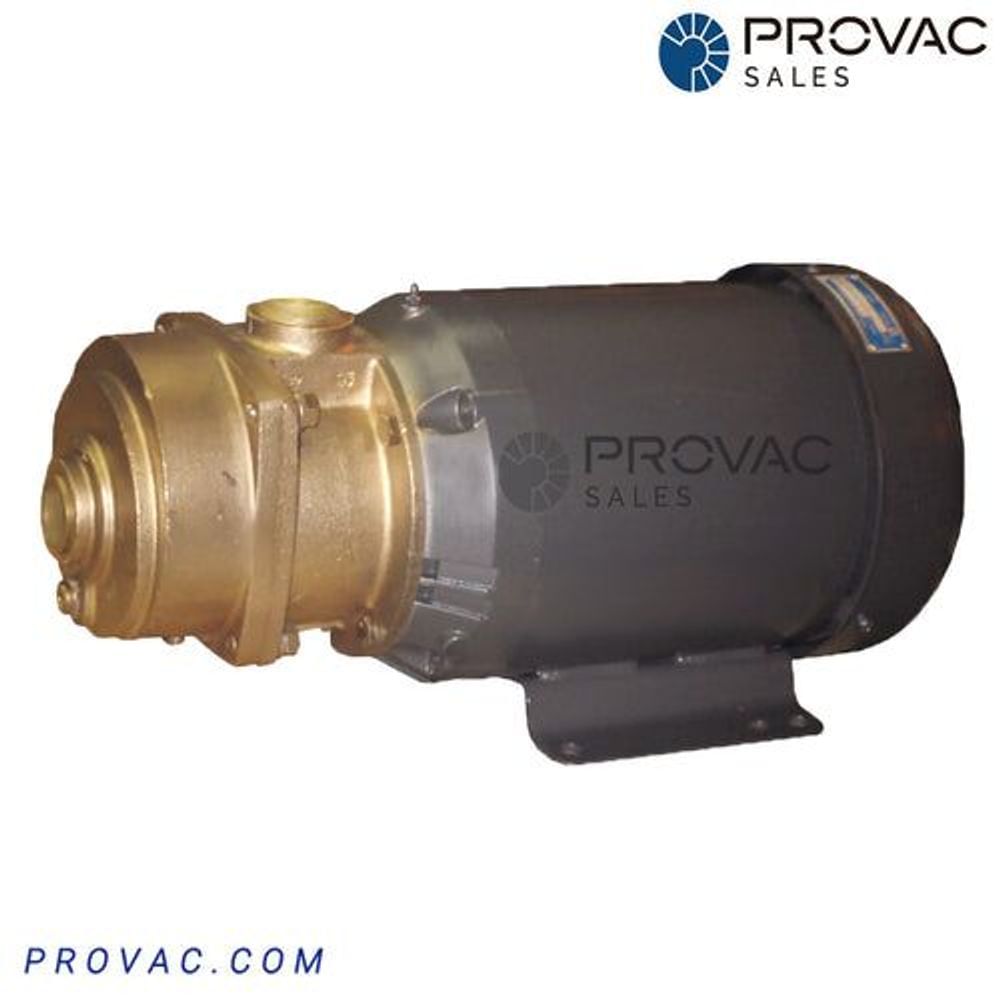
MD-Kinney
Kinney A5 Liquid Ring Vacuum Pump
Contact us for pricing
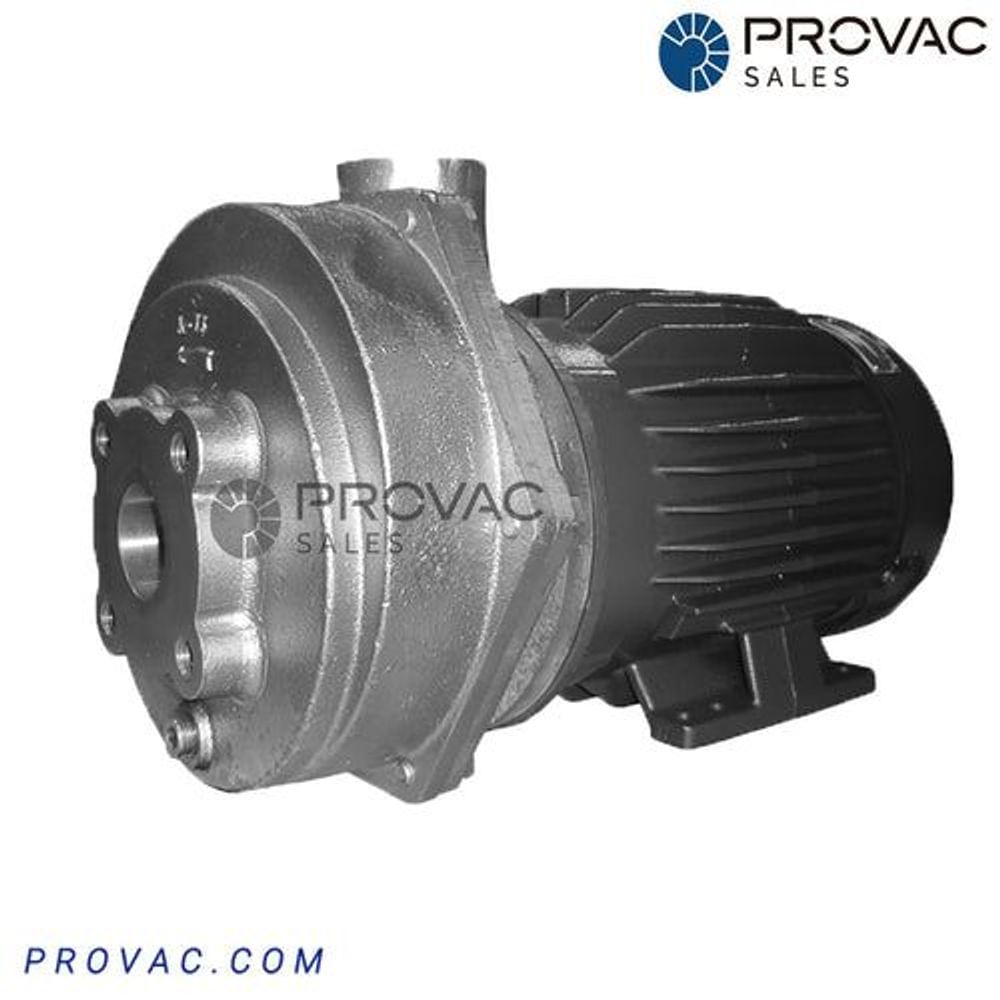
MD-Kinney
Kinney A75 Liquid Ring Vacuum Pump
Contact us for pricing
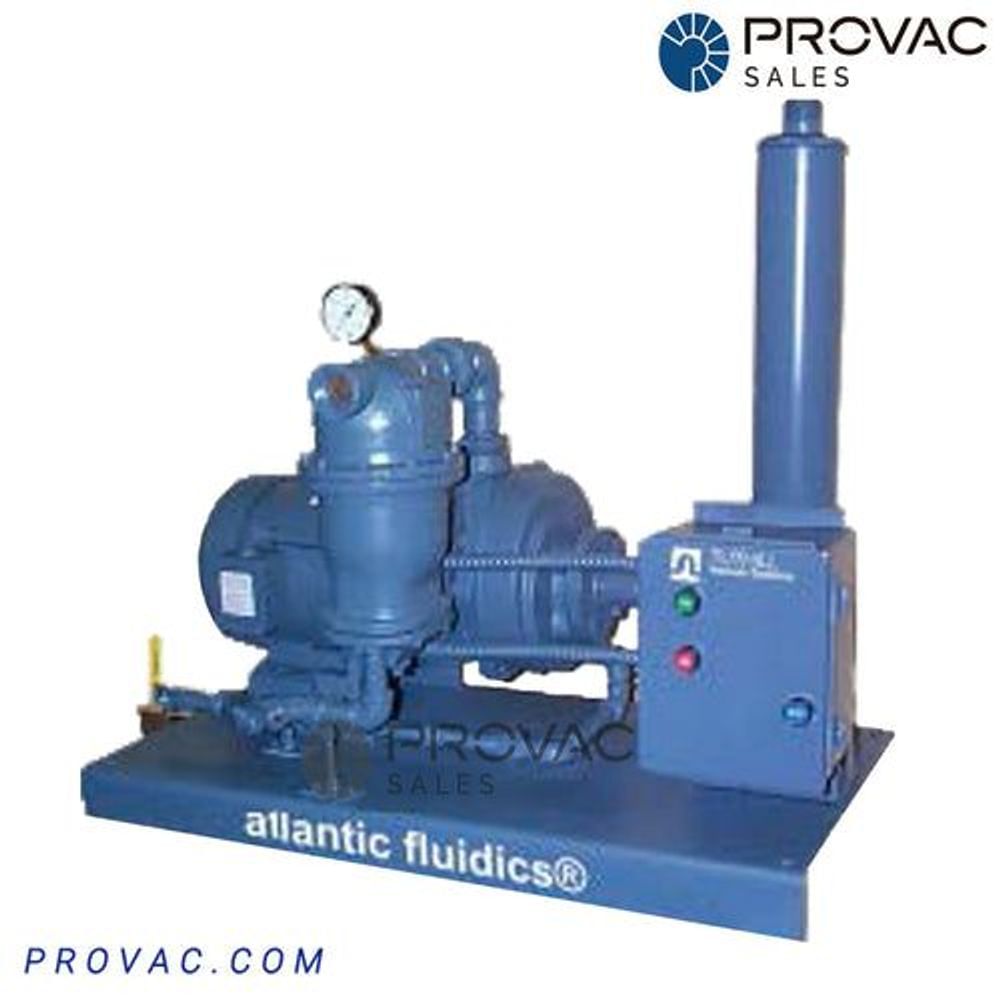
MD-Kinney
Kinney AC 10 Liquid Ring Compressor
Contact us for pricing
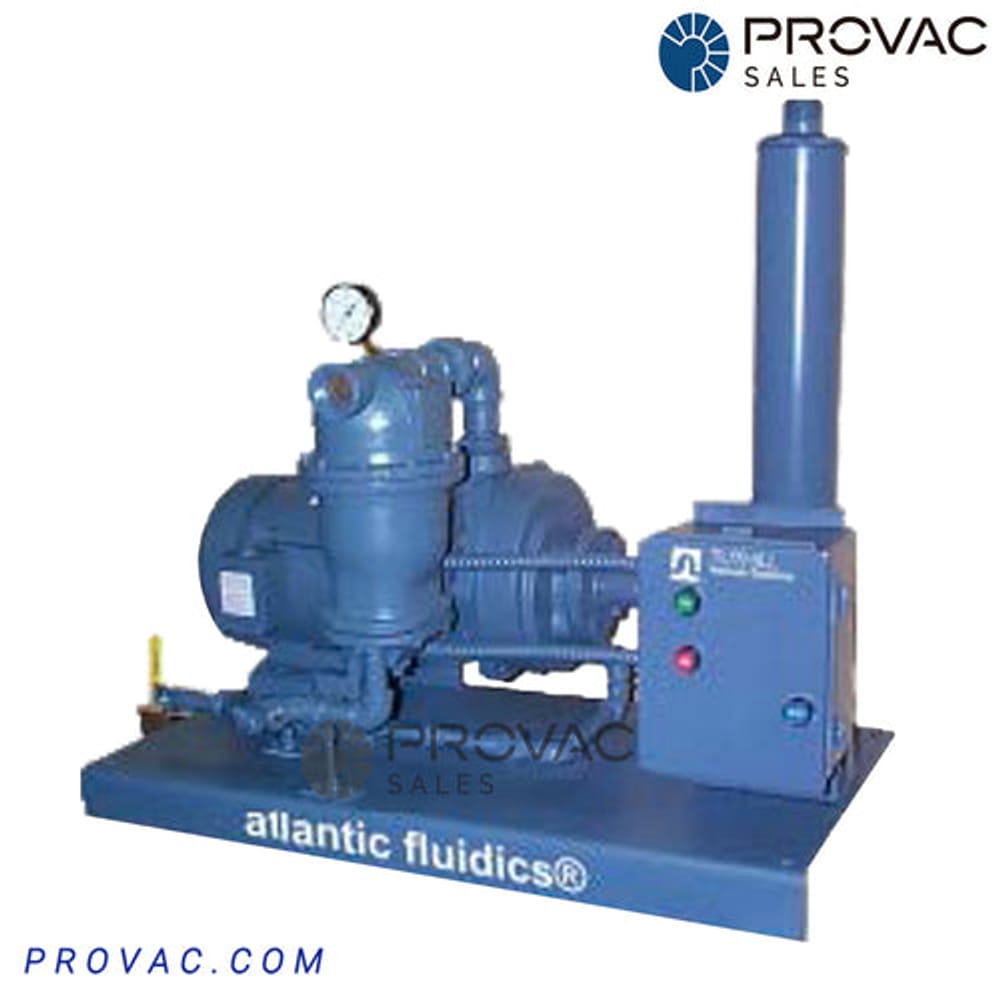
MD-Kinney
Kinney AC 100 Liquid Ring Compressor
Contact us for pricing
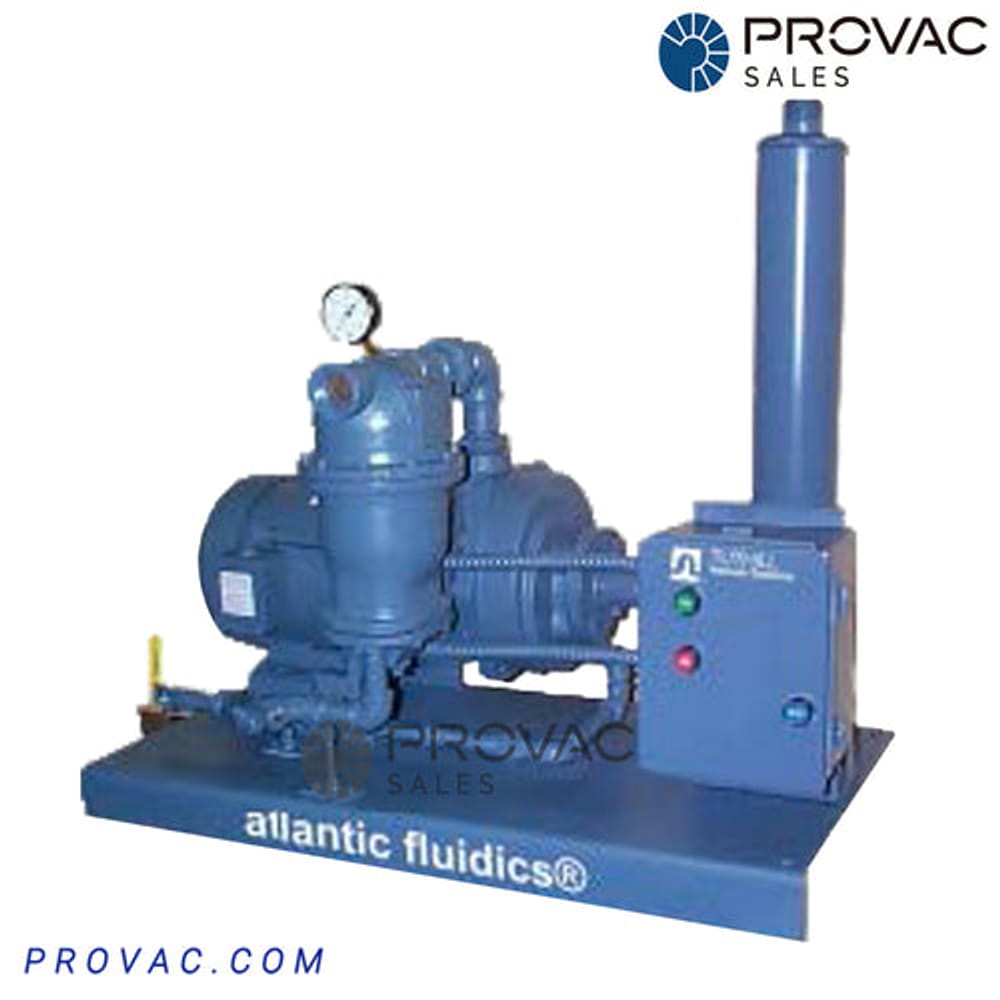
MD-Kinney
Kinney AC 130 Liquid Ring Compressor
Contact us for pricing
Liquid Ring
Liquid ring pumps are a type of rotary positive displacement pump that utilizes a rotating liquid ring to create vacuum or compress gases. They are widely used in various industries due to their reliability, efficiency, and ability to handle wet and corrosive gases. Their unique design makes them ideal for applications ranging from chemical processing to power generation.
How Liquid Ring Pumps Work
Basic Principle
A liquid ring pump consists of an impeller mounted eccentrically within a cylindrical casing. As the impeller rotates, it creates a liquid ring that forms a series of seals between the impeller blades. This liquid ring, typically water, acts as a piston, compressing and expanding gas as it moves through the pump.
Operating Cycle
- Gas enters the pump through the inlet port
- The rotating liquid ring compresses the gas
- Compressed gas is discharged through the outlet port
- The liquid ring is continuously replenished to maintain the seal
Types of Liquid Ring Pumps
Single-Stage Pumps
Single-stage liquid ring pumps are suitable for applications requiring moderate vacuum levels. The Kinney KLRC 526 is an example of a robust single-stage pump designed for industrial use.
Two-Stage Pumps
Liquid ring two-stage vacuum pumps offer higher vacuum levels and improved efficiency. These pumps are ideal for applications requiring deeper vacuum or handling larger gas loads.
Compressors
Liquid ring compressors operate on the same principle as vacuum pumps but are designed to discharge gas at pressures above atmospheric. They are commonly used in gas recovery and compression applications.
Applications of Liquid Ring Pumps
Liquid ring pumps find use in a wide range of industries and applications:
- Chemical processing
- Pharmaceutical manufacturing
- Power generation
- Food and beverage production
- Pulp and paper industry
- Mining and mineral processing
- Wastewater treatment
- Vapor recovery systems
Advantages of Liquid Ring Pumps
Handling of Wet Gases
Liquid ring pumps excel at handling wet and saturated gases, making them ideal for processes involving condensable vapors.
Isothermal Compression
The liquid ring absorbs heat generated during compression, resulting in near-isothermal operation. This feature is beneficial for temperature-sensitive applications.
Low Maintenance
With only one moving part (the impeller), liquid ring pumps require minimal maintenance compared to other pump types.
Safe Operation
Liquid ring pumps are inherently safe for handling flammable or explosive gases due to the liquid seal preventing sparks or excessive heat buildup.
Liquid Ring Vacuum Packaged Systems
For turnkey solutions, liquid ring vacuum packaged systems are available. These systems typically include:
- Liquid ring vacuum pump
- Separator tank
- Heat exchanger
- Control panel
- Piping and valves
The Kinney ACRP 950 liquid ring system is an example of a comprehensive packaged solution designed for industrial applications.
Liquid Ring Pump Manufacturers
Several companies specialize in the production of high-quality liquid ring pumps:
- Kinney Vacuum
- Nash (Gardner Denver)
- Busch Vacuum Solutions
- Dekker Vacuum Technologies
- Tuthill Vacuum & Blower Systems
Selecting the Right Liquid Ring Pump
When choosing a liquid ring vacuum pump, consider the following factors:
- Required vacuum level
- Gas flow rate
- Process gas composition
- Operating temperature
- Seal liquid compatibility
- Space constraints
- Energy efficiency requirements
Maintenance and Care
While liquid ring pumps are known for their reliability, proper maintenance is essential for optimal performance:
- Regular inspection of seals and bearings
- Monitoring and replenishing seal liquid
- Cleaning or replacing filters as needed
- Checking for signs of corrosion or wear
- Following manufacturer-recommended service intervals
Liquid Ring Vacuum Pump Parts
Common replacement parts for liquid ring pumps include:
- Mechanical seals
- Bearings
- Impellers
- Wear plates
- Shaft sleeves
Keeping critical spare parts on hand can minimize downtime during maintenance or repairs.
Cost Considerations
The liquid ring vacuum pump price can vary depending on size, materials of construction, and performance specifications. While initial costs may be higher than some other pump types, the long-term benefits often justify the investment:
- Lower maintenance costs
- Longer operational life
- Ability to handle challenging process conditions
- Improved process efficiency
Innovations in Liquid Ring Pump Technology
Recent advancements in liquid ring pump design include:
- Improved energy efficiency through optimized impeller designs
- Use of corrosion-resistant materials for extended pump life
- Integration of variable frequency drives for better control
- Development of smart monitoring systems for predictive maintenance
Comparison with Other Vacuum Technologies
Liquid Ring vs. Oil Ring Vacuum Pumps
While similar in name, oil ring vacuum pumps operate on a different principle and are typically used for lower vacuum applications. Liquid ring pumps offer better performance and versatility in most industrial settings.
Liquid Ring vs. Dry Vacuum Pumps
Dry vacuum pumps, such as scroll or screw pumps, offer oil-free operation but may struggle with wet or corrosive gases. Liquid ring pumps excel in these challenging environments.
Conclusion
Liquid ring vacuum pumps and compressors continue to be essential components in many industrial processes. Their ability to handle wet and corrosive gases, combined with their reliability and low maintenance requirements, make them an excellent choice for a wide range of applications. From small single-stage pumps to large packaged systems, liquid ring technology offers versatile solutions for diverse vacuum and compression needs. As industries evolve, liquid ring pumps are likely to remain a key technology, adapting to meet new challenges in efficiency, environmental sustainability, and process optimization.