
Diaphragm Pumps
Diaphragm pumps are versatile and reliable positive displacement pumps widely used in various industries. These pumps are known for handling a wide range of fluids, including corrosive chemicals...
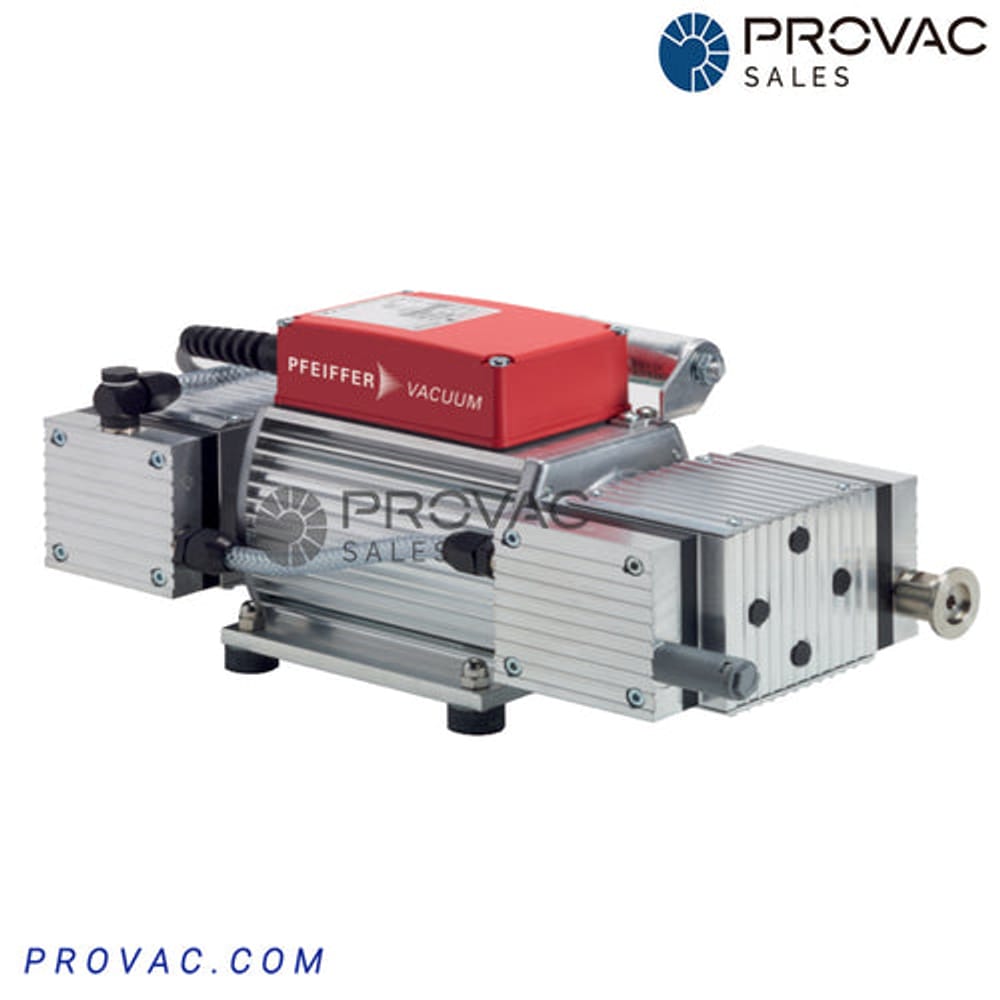
Pfeiffer
Pfeiffer MVP 015-4 Diaphragm Pump
Contact us for pricing
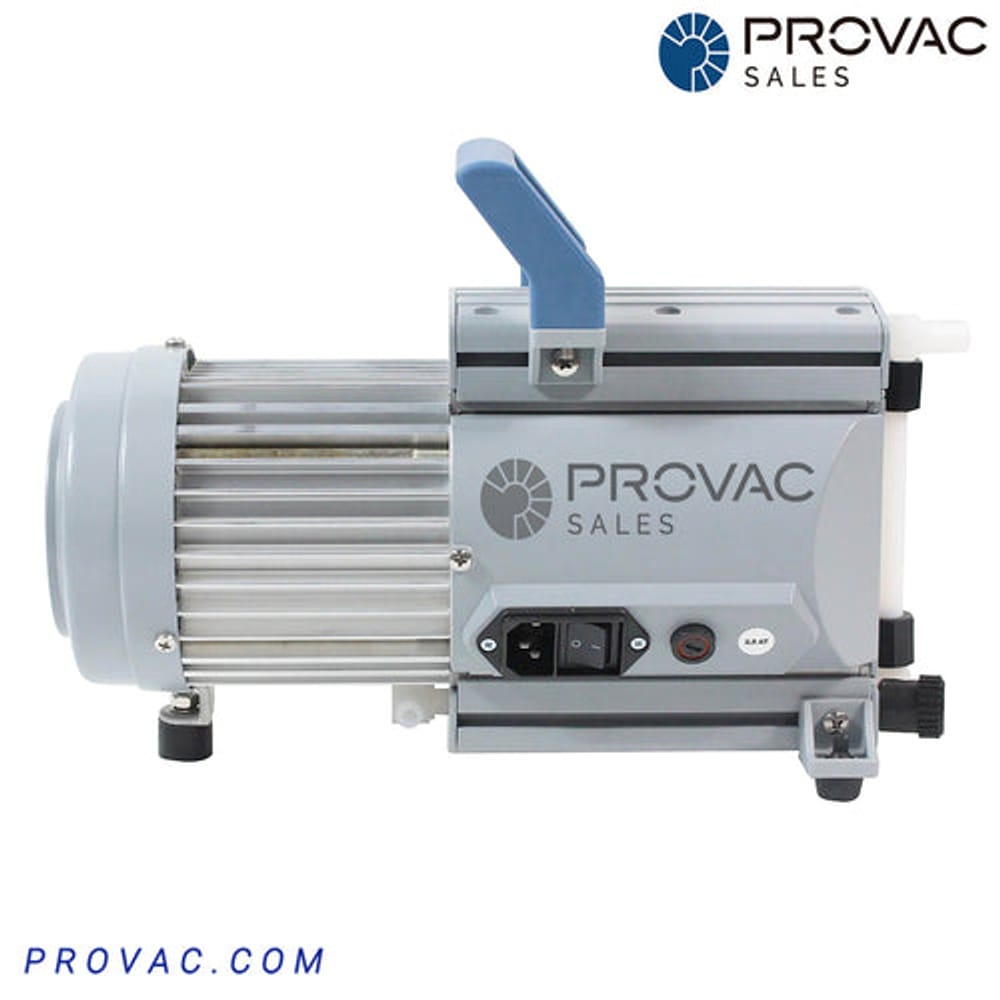
Vacuubrand
Vacuubrand MD-1C Diaphragm Pump
$ 3,255.00
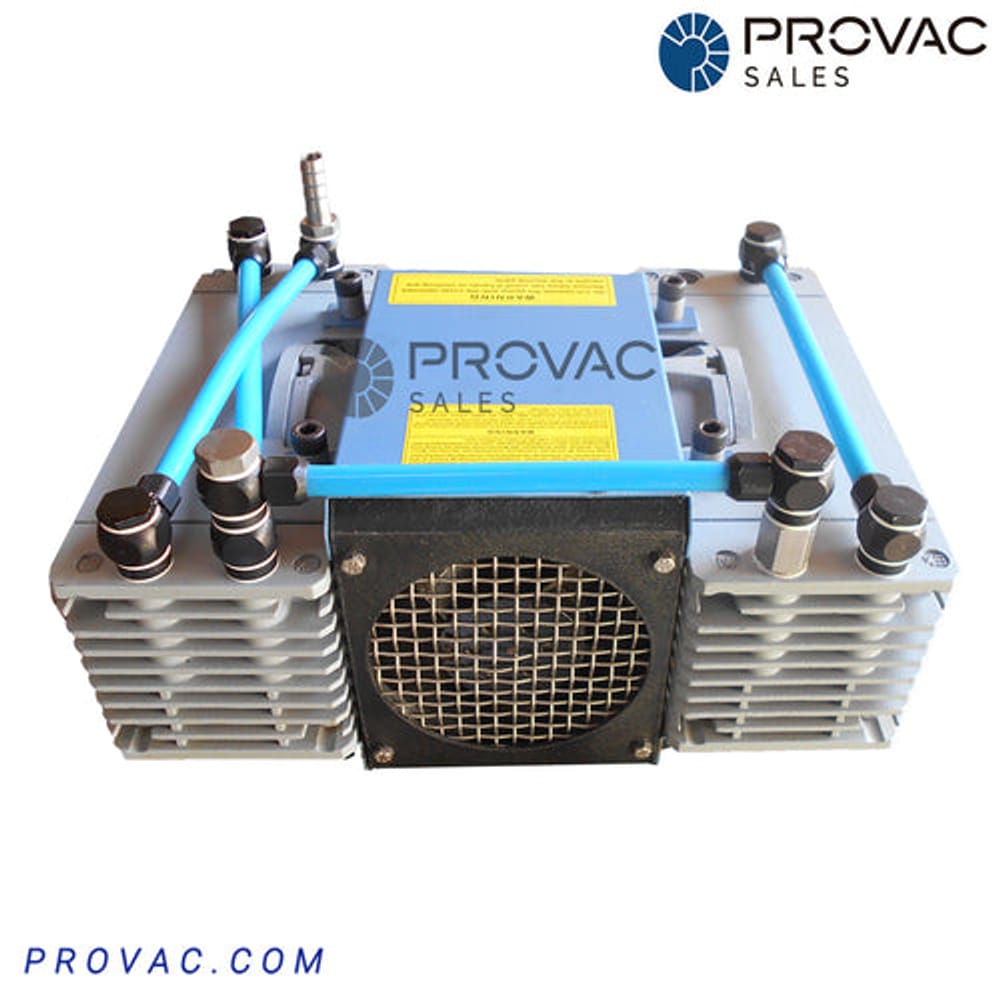
Vacuubrand
Vacuubrand MD-4 Diaphragm Pump
Contact us for pricing
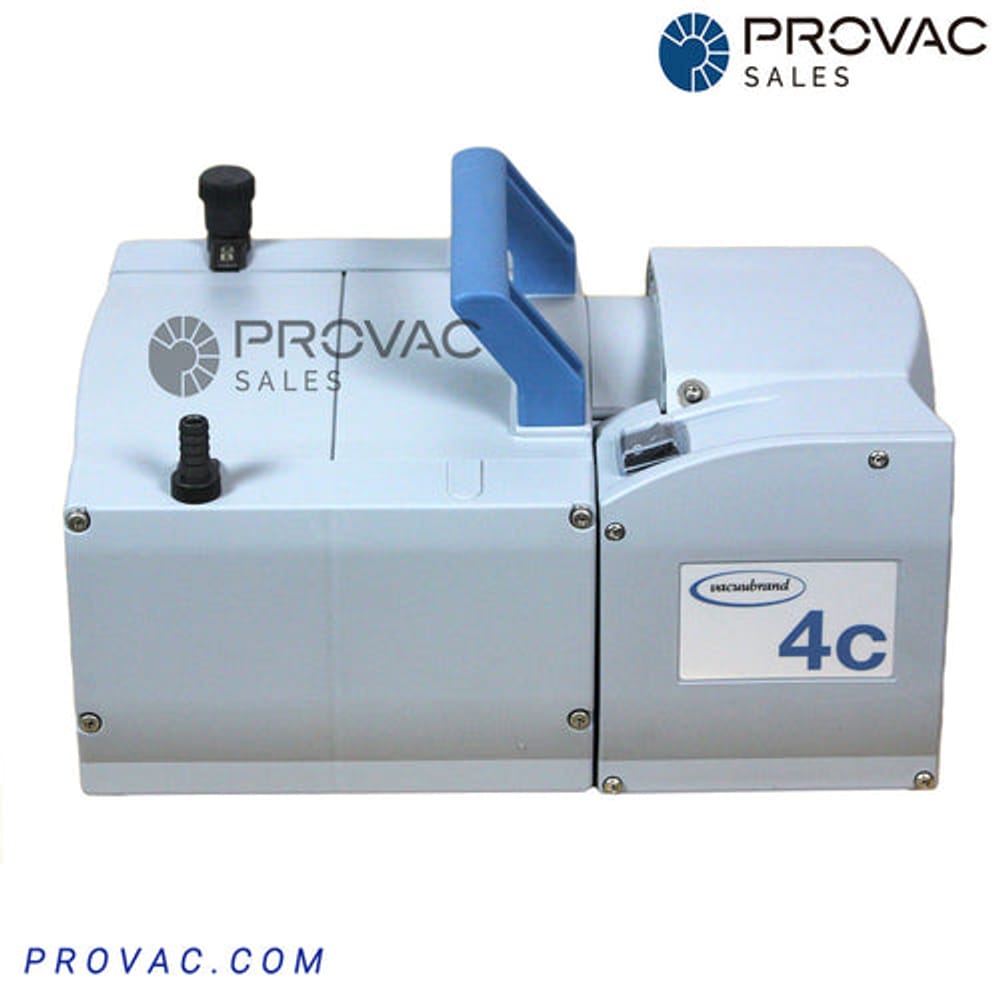
Vacuubrand
Vacuubrand MD-4CNT Diaphragm Pump
$ 4,410.00
Vacuubrand
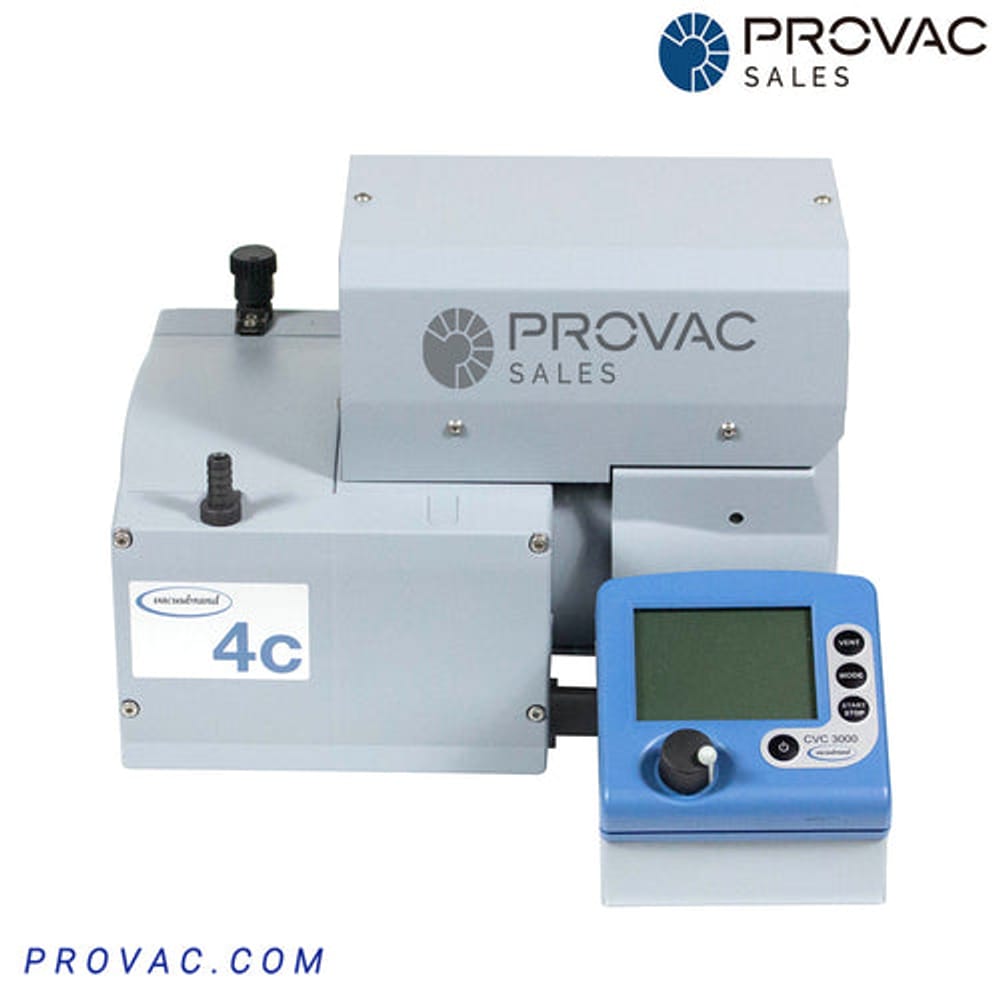
Vacuubrand MD-4CNT Vario Diaphragm Pump
$ 11,897.00
Vacuubrand
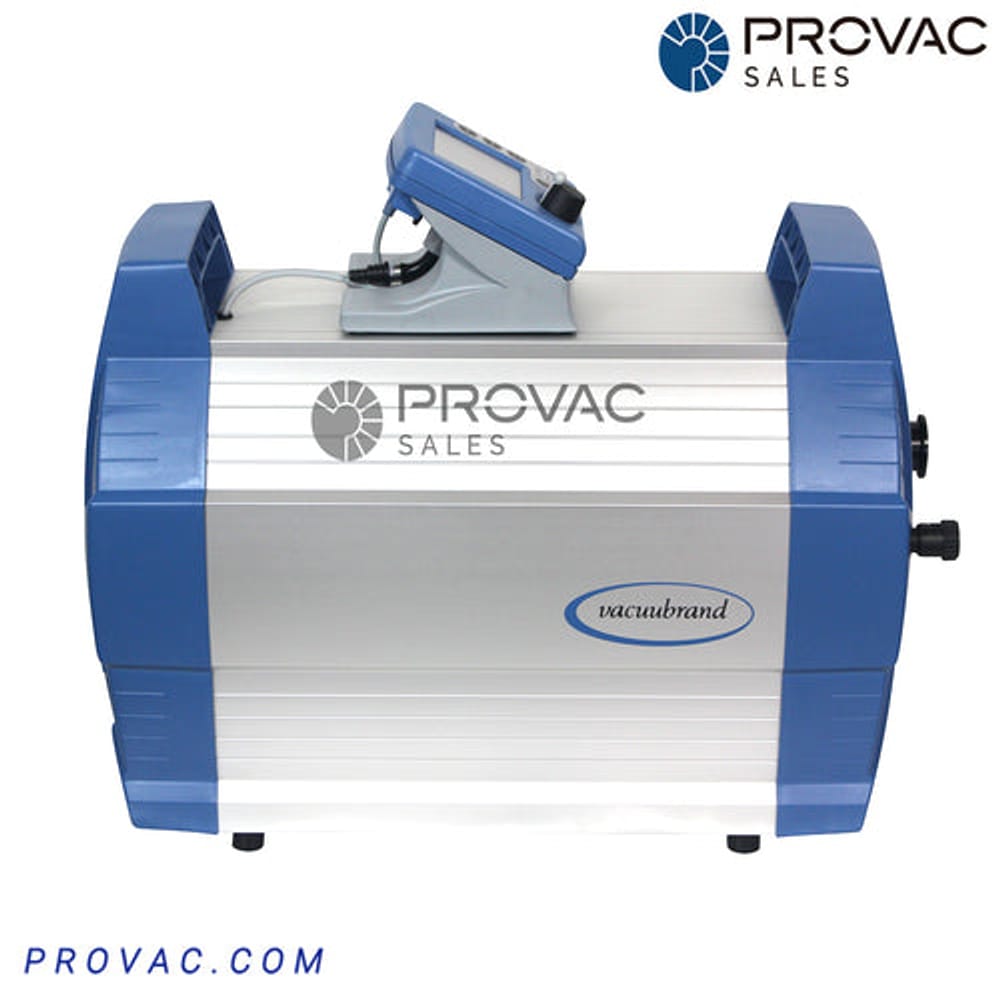
Vacuubrand MD-12CNT Vario Diaphragm Pump
Contact us for pricing
Vacuubrand
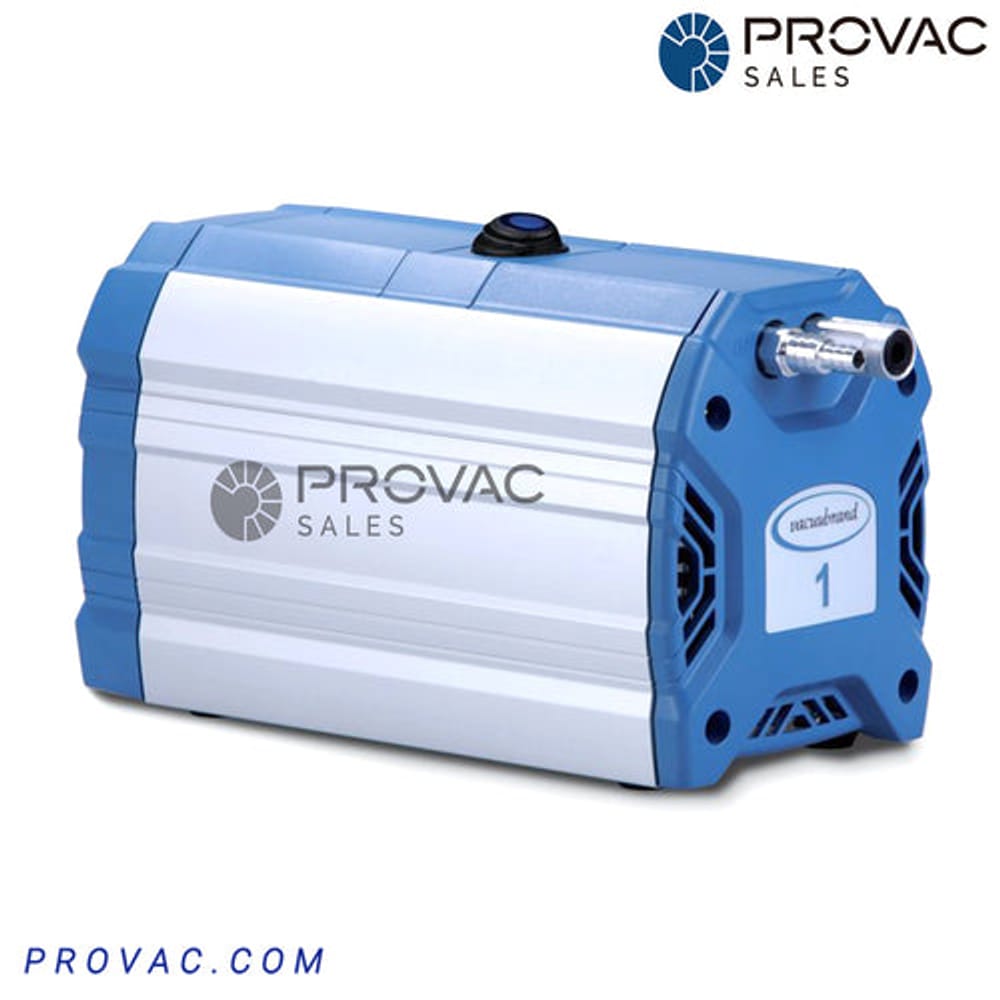
Vacuubrand ME-1 Diaphragm Pump
Contact us for pricing
Vacuubrand
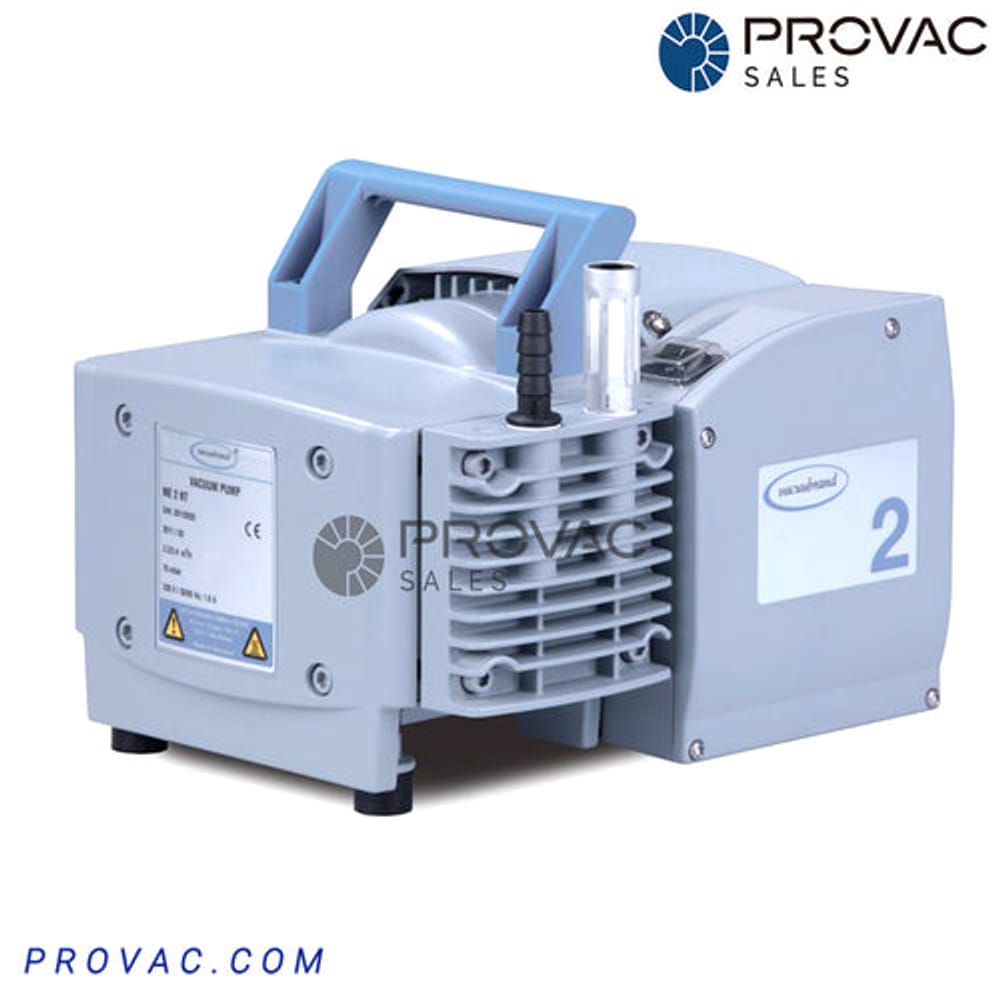
Vacuubrand ME-2NT Diaphragm Pump
Contact us for pricing
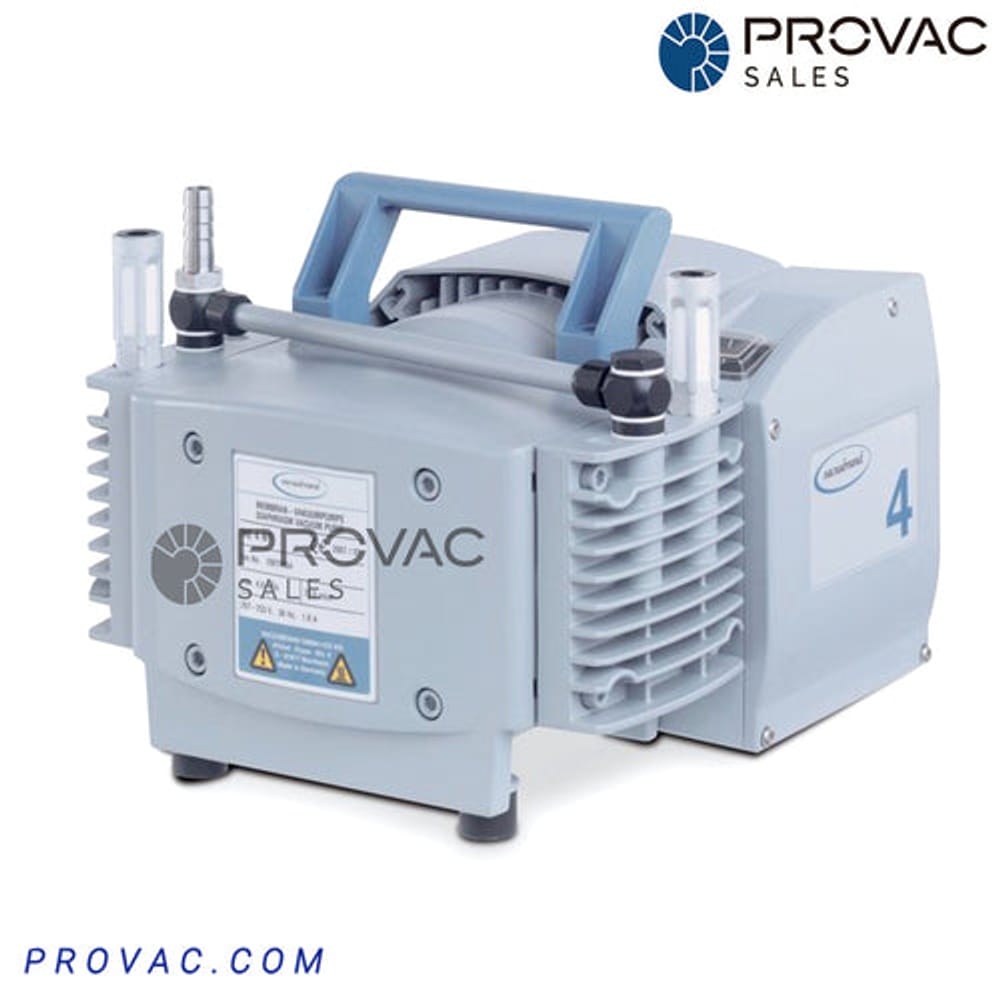
Vacuubrand
Vacuubrand ME-4NT Diaphragm Pump
Contact us for pricing
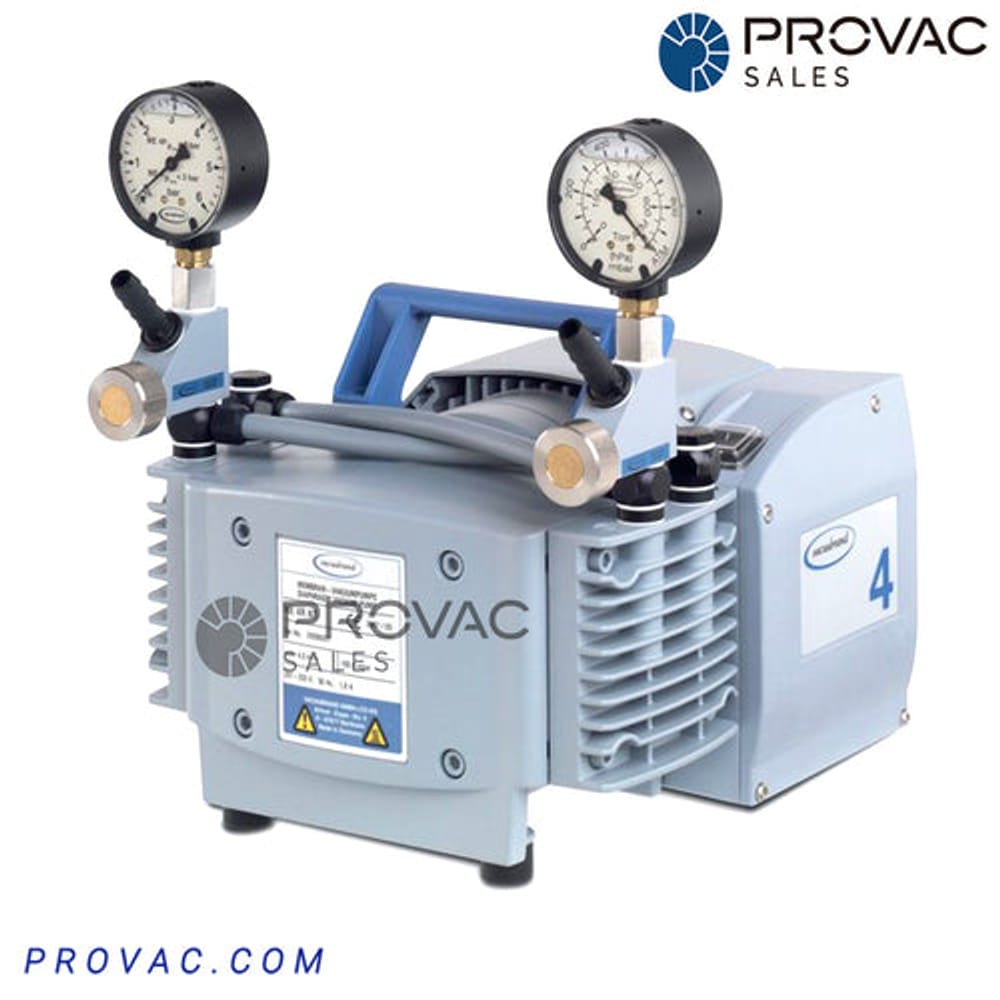
Vacuubrand
Vacuubrand ME-4RNT Diaphragm Pump
Contact us for pricing
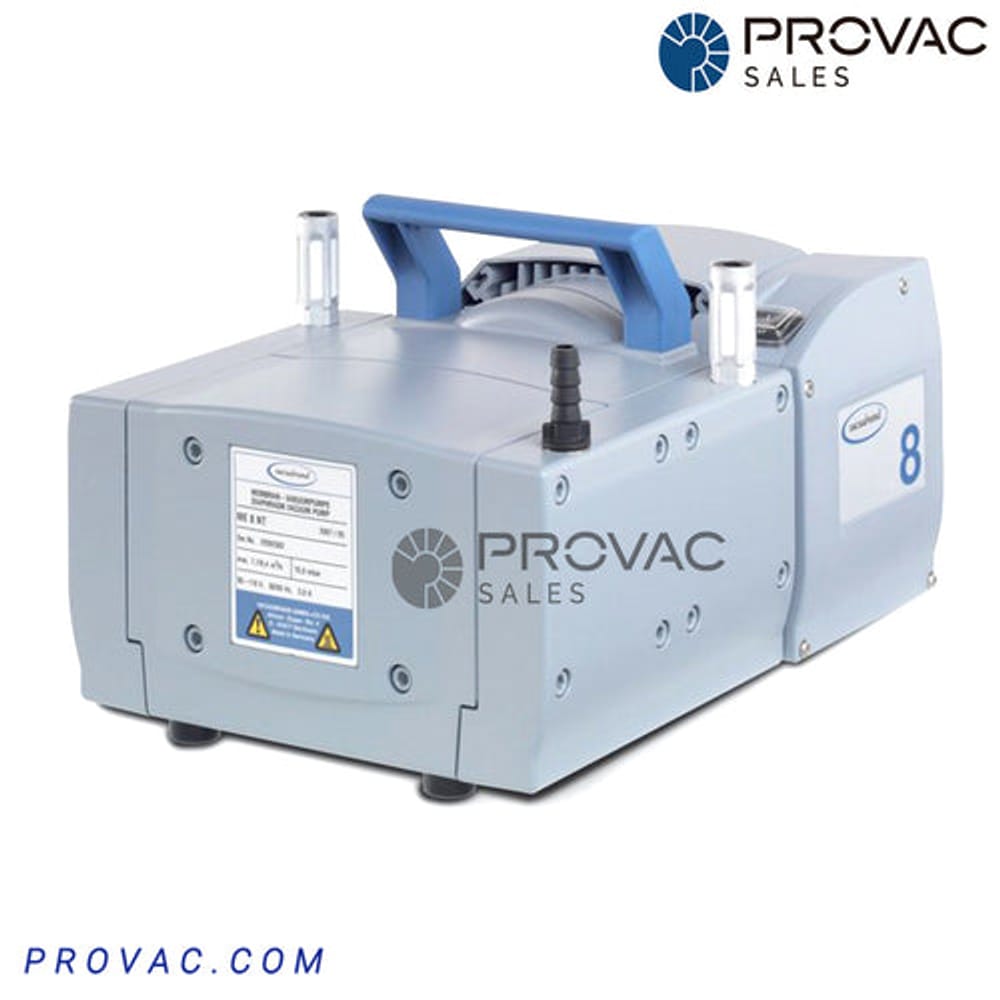
Vacuubrand
Vacuubrand ME-8NT Diaphragm Pump
Contact us for pricing
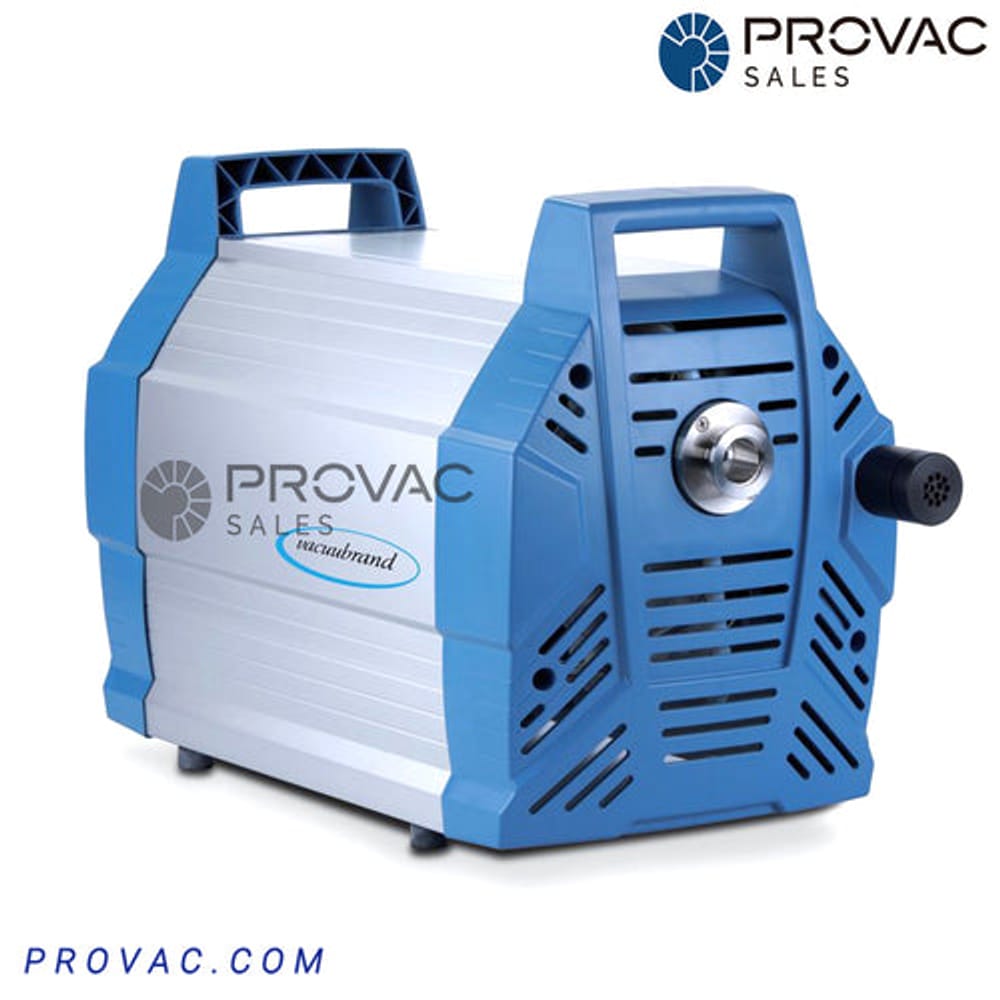
Vacuubrand
Vacuubrand ME-16NT Diaphragm Pump
Contact us for pricing
Diaphragm Pumps
Diaphragm pumps are versatile and reliable positive displacement pumps widely used in various industries. These pumps are known for handling a wide range of fluids, including corrosive chemicals, abrasive slurries, and high-viscosity liquids.
How Diaphragm Pumps Work
Basic Mechanism
Diaphragm pumps operate on a simple principle:
- A flexible diaphragm is attached to a reciprocating mechanism.
- As the diaphragm moves back, it creates a vacuum that draws fluid into the pump chamber.
- When the diaphragm moves forward, it pushes the fluid out of the chamber.
- Check valves to ensure that the fluid flows in only one direction.
This cyclical process allows for efficient and consistent fluid transfer.
Types of Diaphragm Pumps
There are several types of diaphragm pumps, including:
- Air-operated diaphragm pumps
- Electric diaphragm pumps
- Hydraulic diaphragm pumps
- Plunger diaphragm pumps
Each type has its own advantages and is suited for different applications.
Applications of Diaphragm Pumps
Diaphragm pumps find use in a wide range of industries and applications:
- Chemical processing
- Wastewater treatment
- Food and beverage production
- Pharmaceutical manufacturing
- Oil and gas industry
- Mining and construction
Advantages of Diaphragm Pumps
Versatility
Diaphragm pumps can handle a variety of fluids, from thin liquids to thick slurries, making them suitable for diverse applications.
Seal-less Design
The seal-less design of diaphragm pumps prevents leakage, making them ideal for handling hazardous or valuable fluids.
Self-priming
Most diaphragm pumps are self-priming, allowing them to operate effectively even when not fully submerged in the fluid.
Dry Running Capability
Unlike some other pump types, diaphragm pumps can run dry without damage, enhancing their reliability and reducing maintenance needs.
Chemical Diaphragm Pumps
Chemical diaphragm pumps are specifically designed to handle corrosive and aggressive chemicals. These pumps feature materials that are resistant to chemical attack, such as:
- PTFE (Teflon) diaphragms
- Stainless steel or plastic pump bodies
- Chemically resistant seals and valves
Chemical diaphragm pumps are crucial in industries where the safe handling of hazardous materials is paramount.
Plunger Diaphragm Pumps
Plunger diaphragm pumps combine traditional plunger pumps' features with diaphragm pumps' benefits. They offer:
- High-pressure capabilities
- Precise flow control
- Excellent suction lift
- Ability to handle abrasive materials
These pumps are often used in high-pressure applications in the oil and gas industry, as well as in chemical processing.
Factors to Consider When Choosing a Diaphragm Pump
When looking for diaphragm pumps for sale, consider the following factors:
- Flow rate requirements
- Pressure requirements
- Chemical compatibility
- Power source (air, electric, or hydraulic)
- Material of construction
- Maintenance needs
- Cost and budget constraints
Diaphragm Pump Price Considerations
The price of a diaphragm pump can vary significantly based on several factors:
- Size and capacity
- Materials of construction
- Brand and quality
- Special features or customizations
While it may be tempting to choose the lowest-priced option, the total cost of ownership, including maintenance and potential downtime, must be considered when searching for diaphragm pumps for sale.
Used Diaphragm Pumps: A Cost-Effective Alternative
For budget-conscious buyers, used diaphragm pumps can offer a cost-effective solution. When considering used pumps:
- Inspect the pump thoroughly for signs of wear or damage
- Check the pump's history and maintenance records
- Ensure that spare parts are still available for the model
- Consider the remaining lifespan of the pump
While used pumps can offer significant savings, balancing the initial cost savings against potential maintenance and reliability issues is crucial.
Maintenance of Diaphragm Pumps
Proper maintenance is key to ensuring the longevity and reliability of diaphragm pumps:
- Regular inspection of the diaphragm for signs of wear or damage
- Cleaning of check valves and pump chambers
- Lubrication of moving parts (for non-air operated pumps)
- Replacement of worn components as needed
Following the manufacturer's maintenance guidelines can significantly extend the life of your diaphragm pump.
Innovations in Diaphragm Pump Technology
Recent advancements in diaphragm pump technology include:
- Improved diaphragm materials for longer life
- Enhanced efficiency through optimized valve designs
- Integration of smart technologies for remote monitoring and control
- Development of eco-friendly and energy-efficient pump designs
These innovations are making diaphragm pumps even more versatile and reliable.
Comparing Diaphragm Pumps to Other Pump Types
While diaphragm pumps offer many advantages, it's worth comparing them to other pump types for your specific application:
Diaphragm Pumps vs. Vane Pumps
Diaphragm pumps generally handle abrasive materials better and can run dry, while vane pumps may provide smoother flow in some applications.
Diaphragm Pumps vs. Piston Pumps
Diaphragm pumps have fewer moving parts and can handle a broader range of viscosities, but piston pumps may sometimes achieve higher pressures.
Conclusion
Diaphragm pumps are versatile, reliable, and essential in many industries. Whether you're looking for a new chemical diaphragm pump, a used diaphragm pump, or a specialized plunger diaphragm pump, understanding your specific needs and the available options is crucial. By considering factors such as flow rate, pressure requirements, and chemical compatibility, you can find the right diaphragm pump for your application.