
Diffusion Pumps
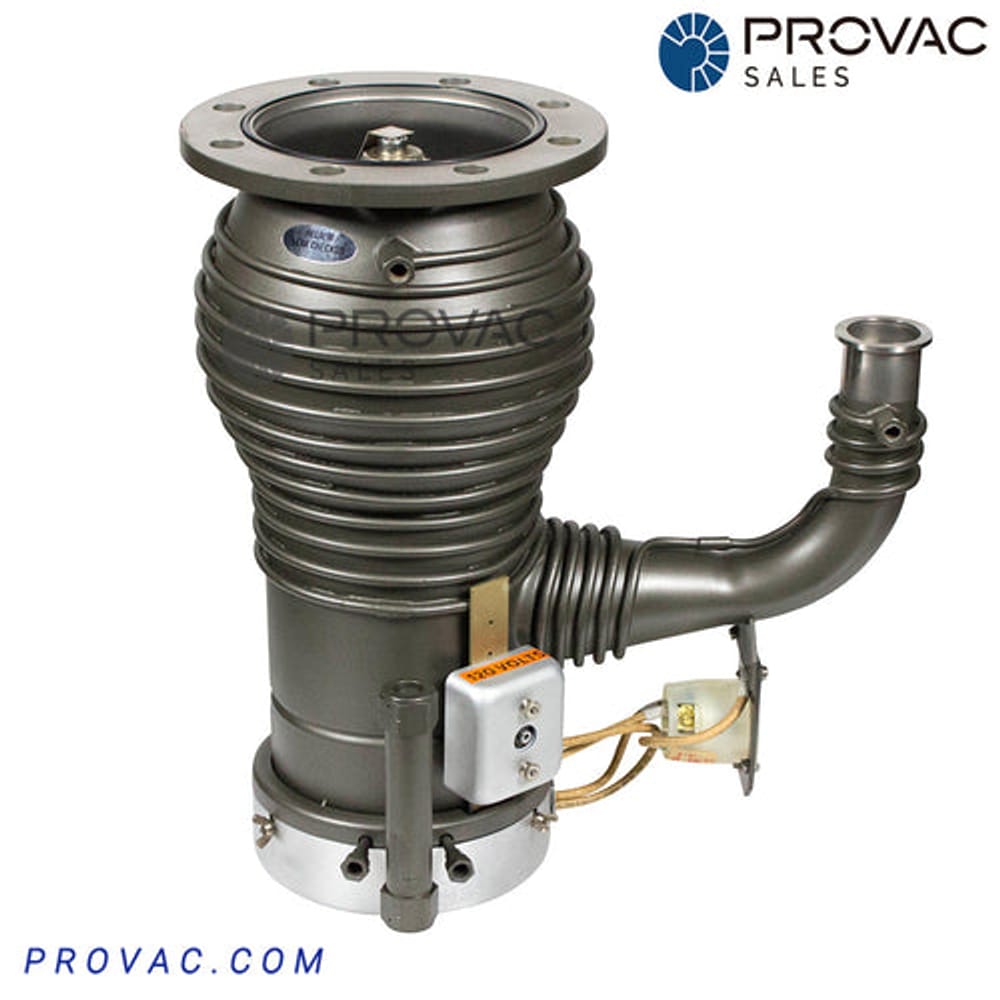
Agilent VHS-4 Diffusion Pump, Rebuilt
$ 1,839.00
Agilent
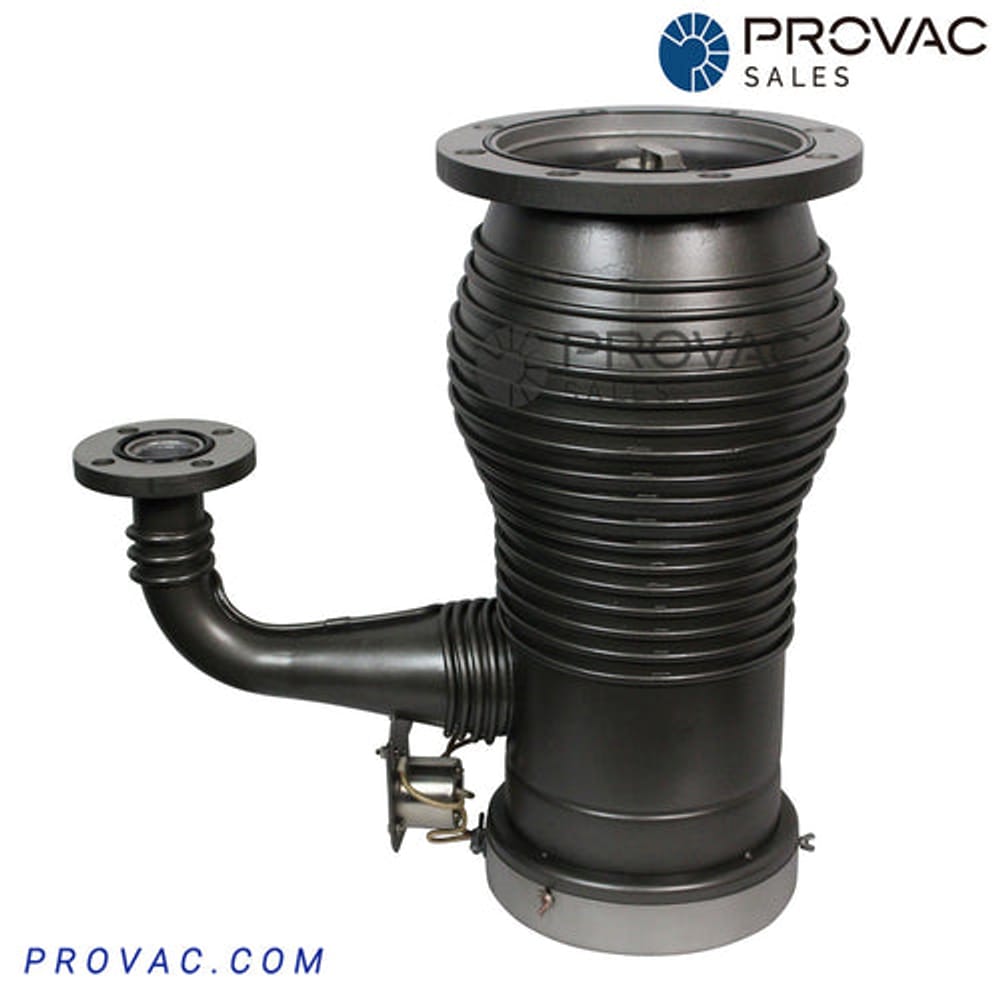
Agilent VHS-6 Diffusion Pump
Contact us for pricing
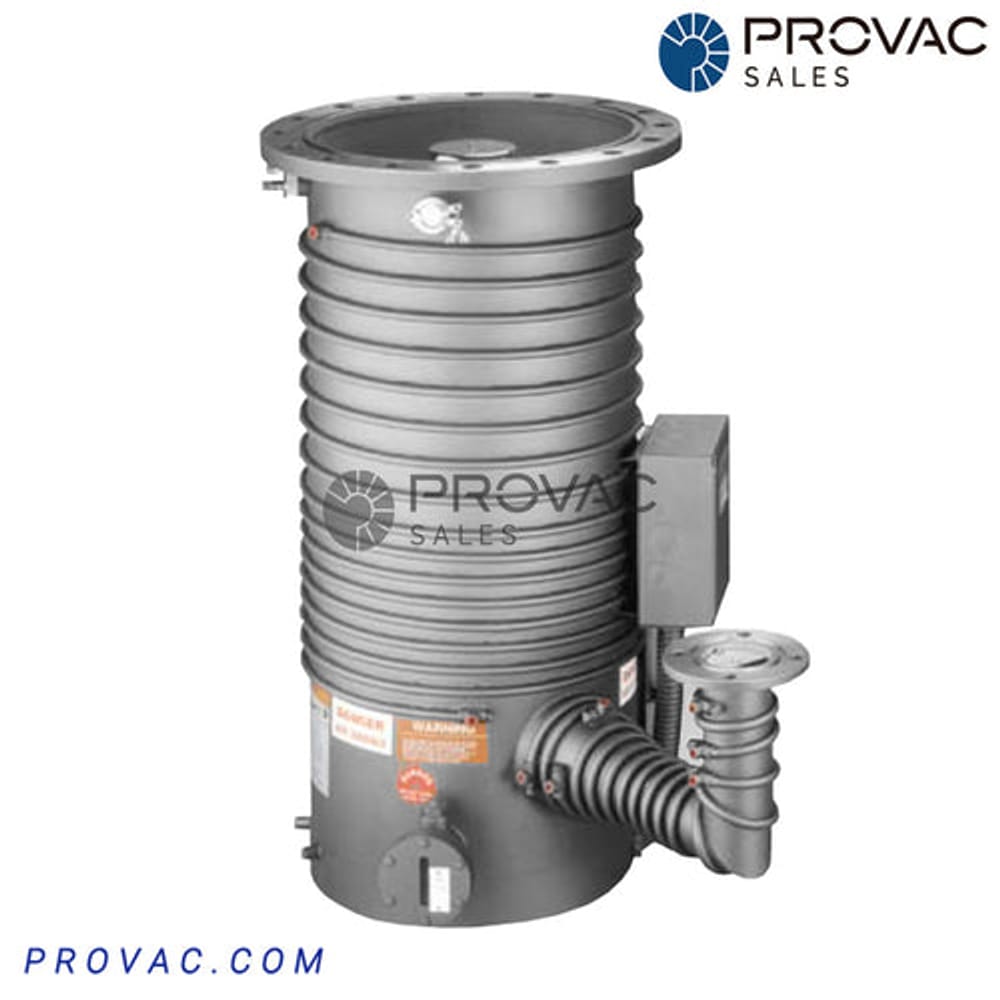
Agilent HS-16 Diffusion Pump
Contact us for pricing
Agilent
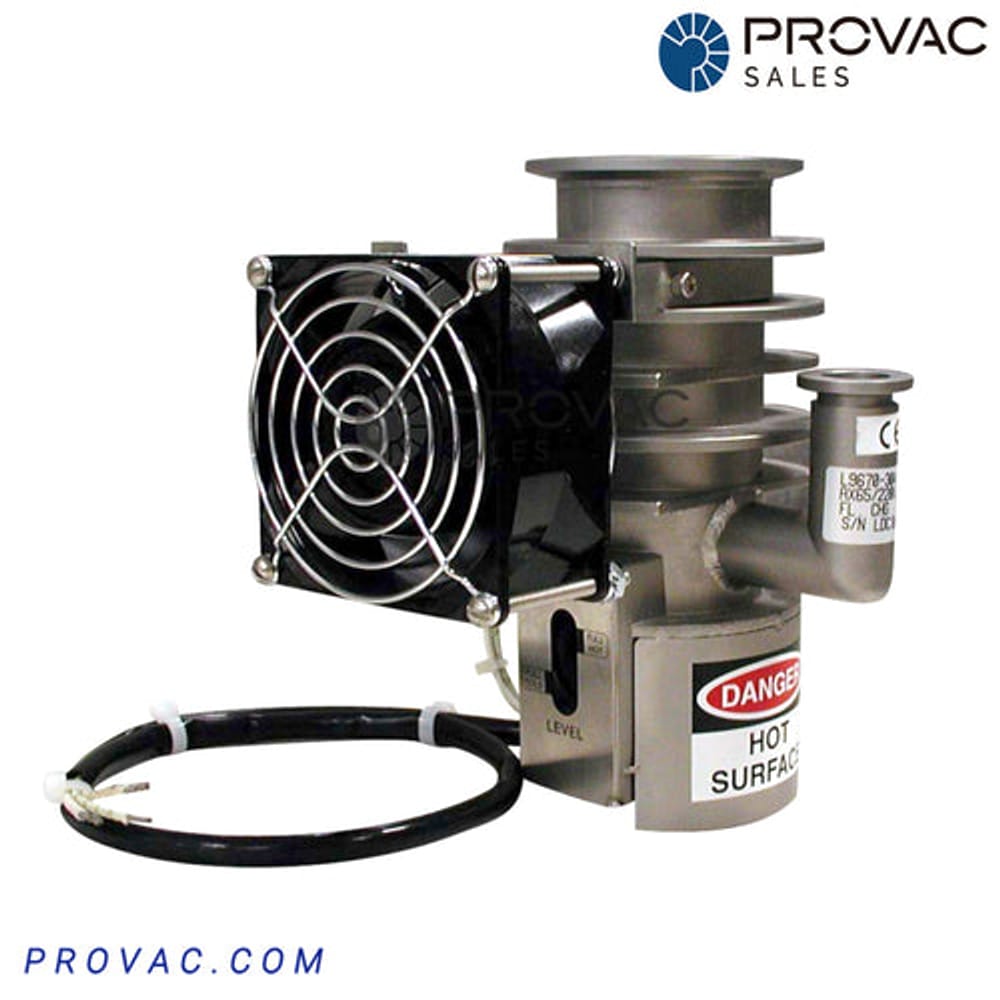
Agilent AX-65 Diffusion Pump
Contact us for pricing
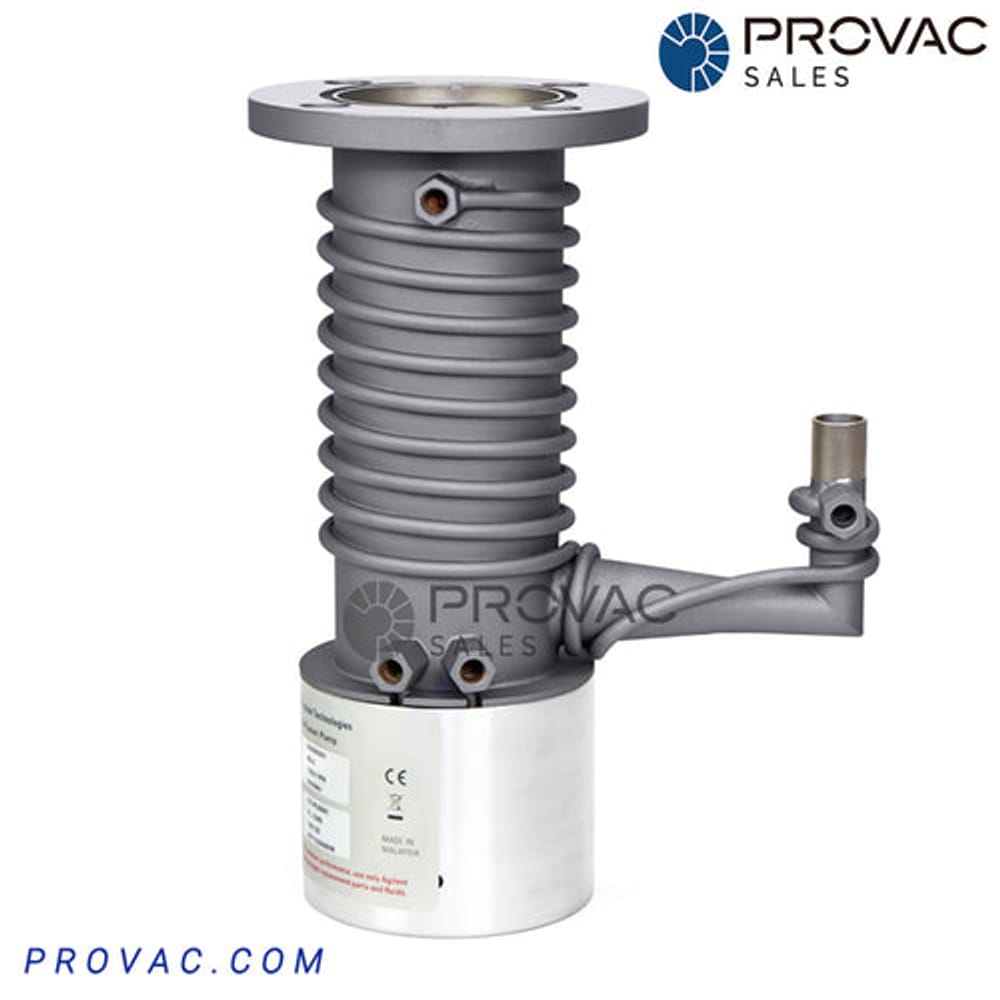
Agilent HS-2 Diffusion Pump
Contact us for pricing
Agilent
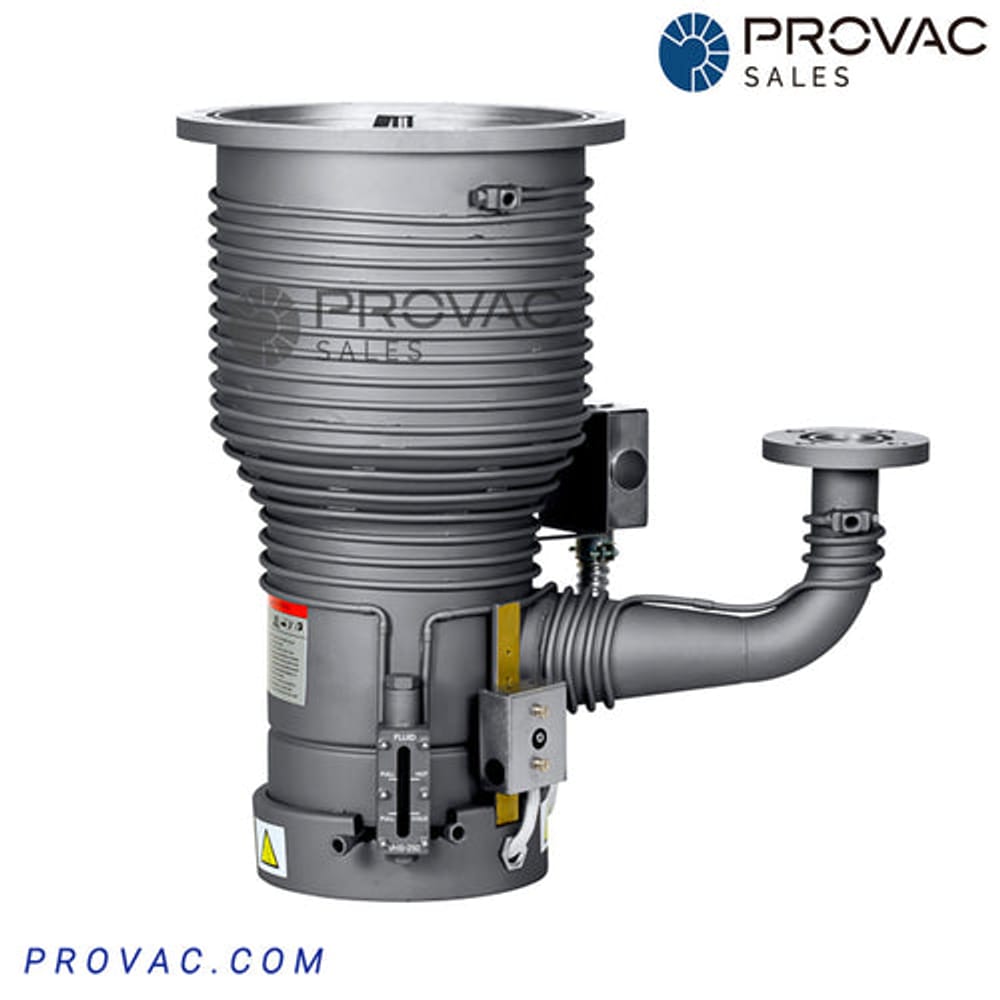
Agilent VHS-250 Diffusion Pump
Contact us for pricing
Agilent
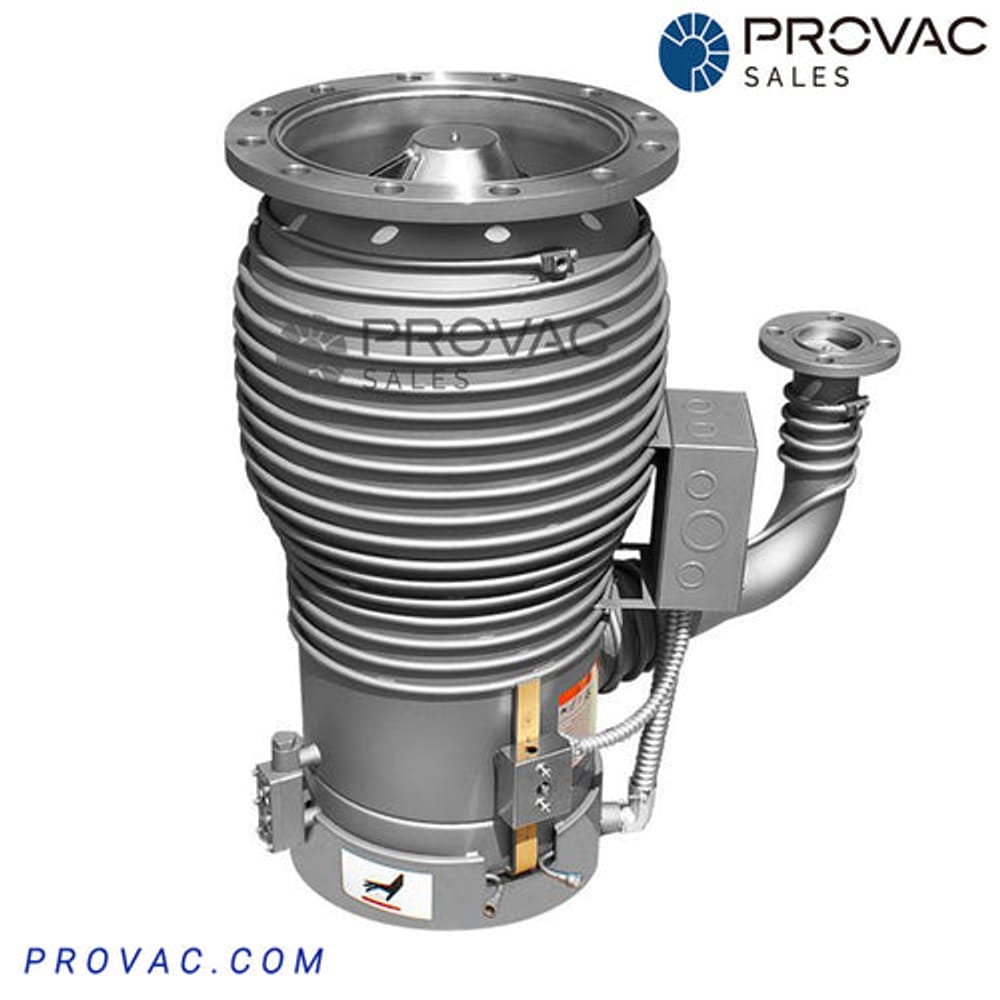
Agilent VHS-10 Diffusion Pump
Contact us for pricing
Agilent
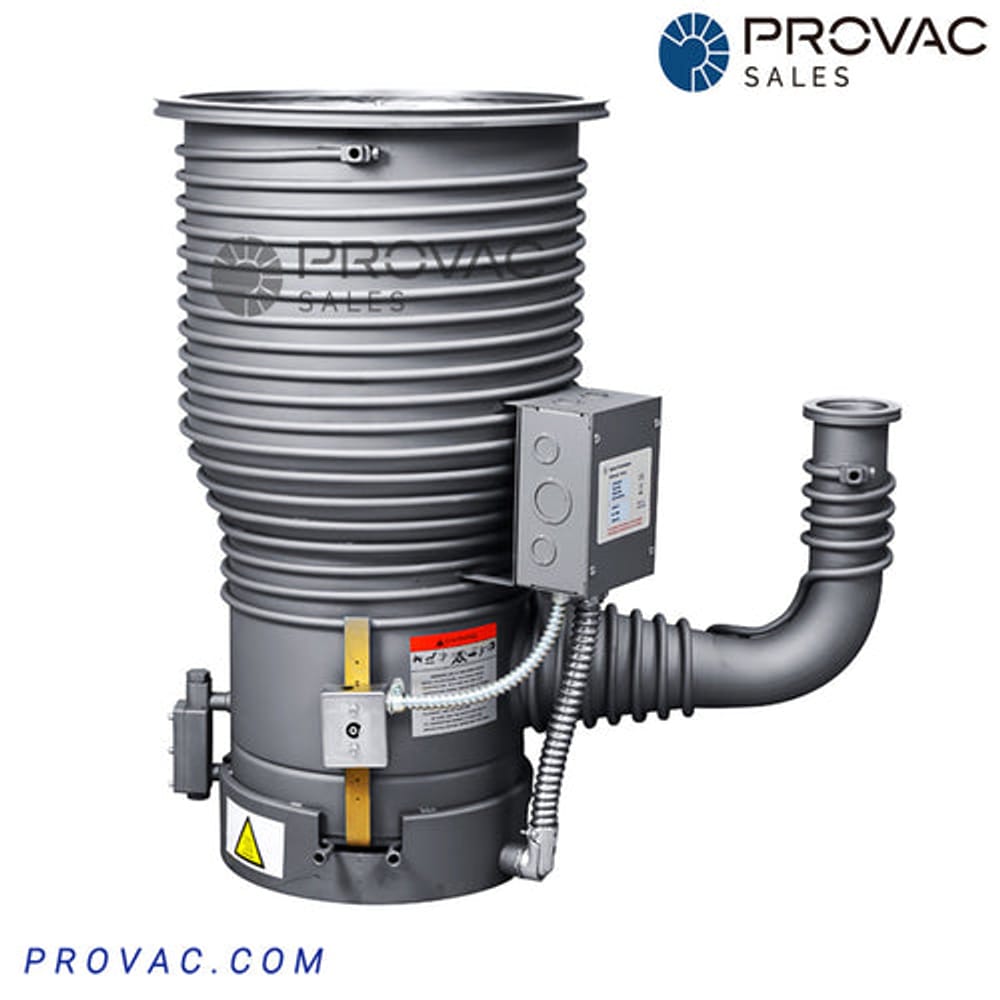
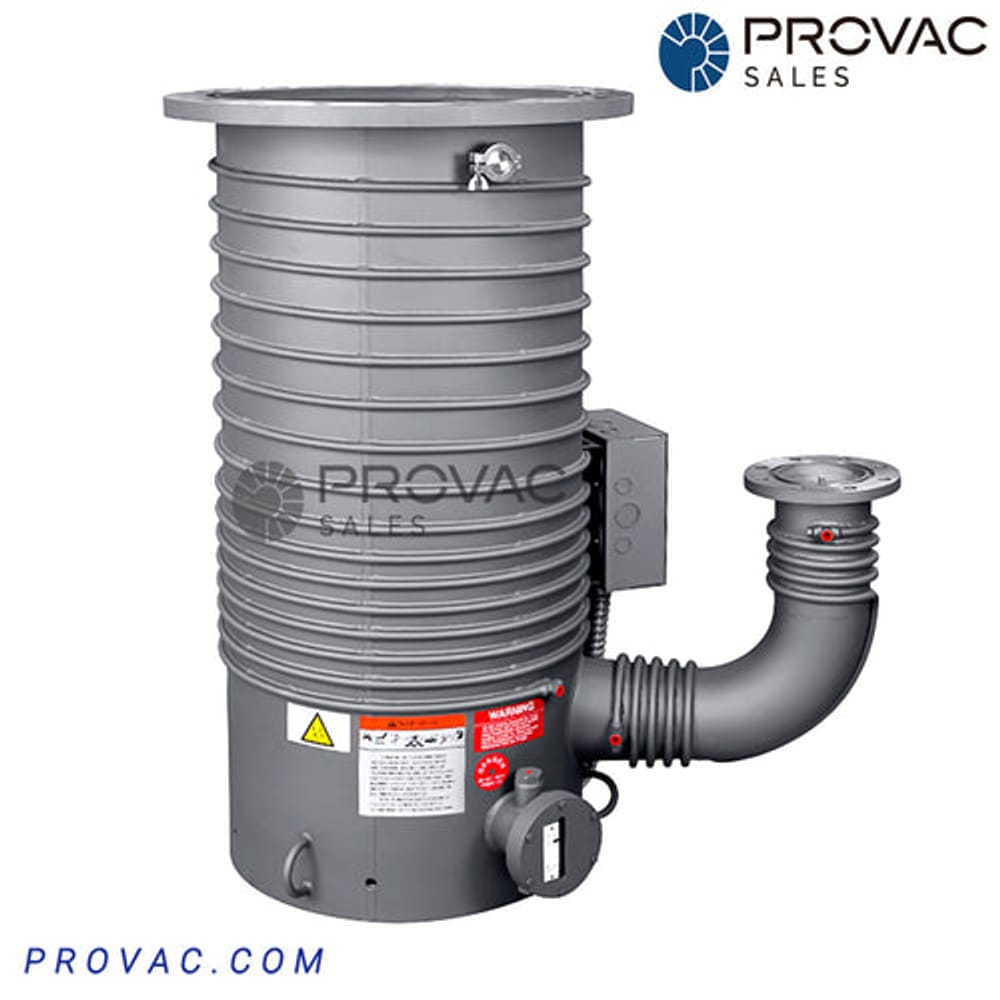
Agilent VHS-400 Diffusion Pump
Contact us for pricing
Agilent
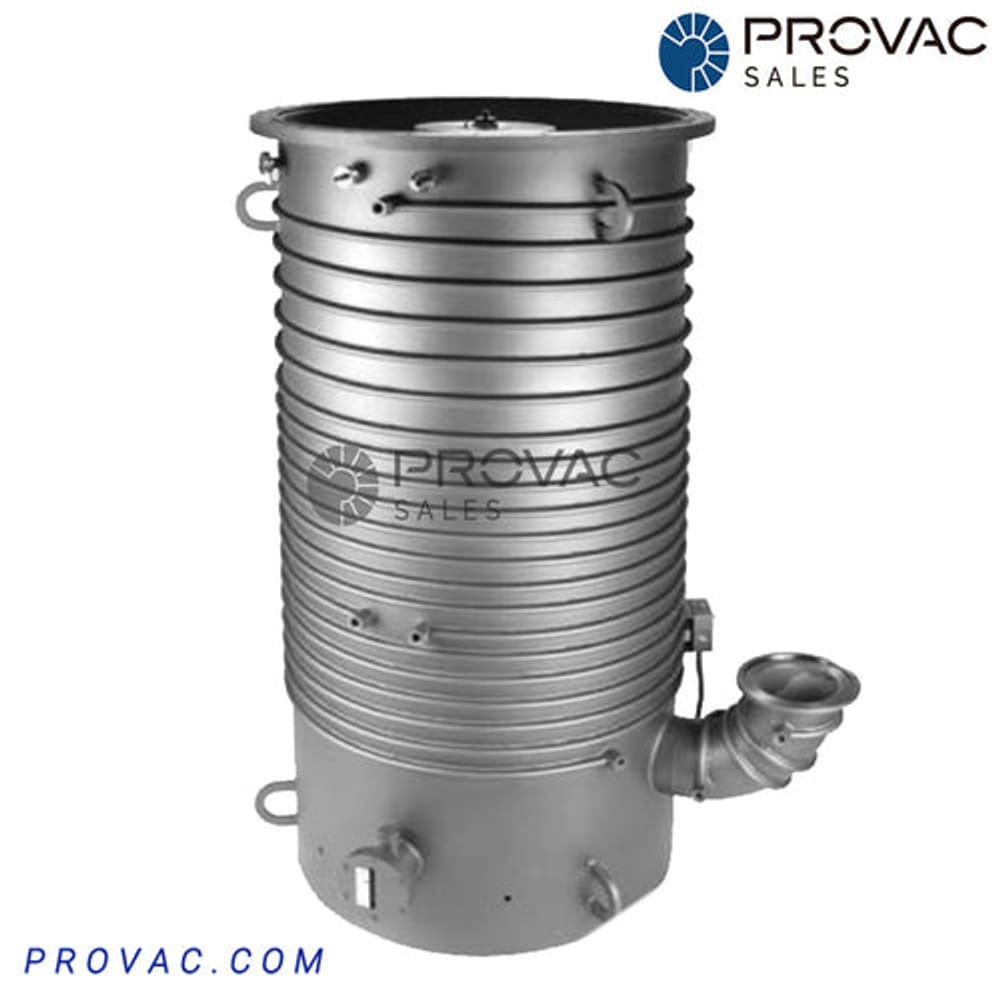
Agilent HS-20 Diffusion Pump
Contact us for pricing
Agilent
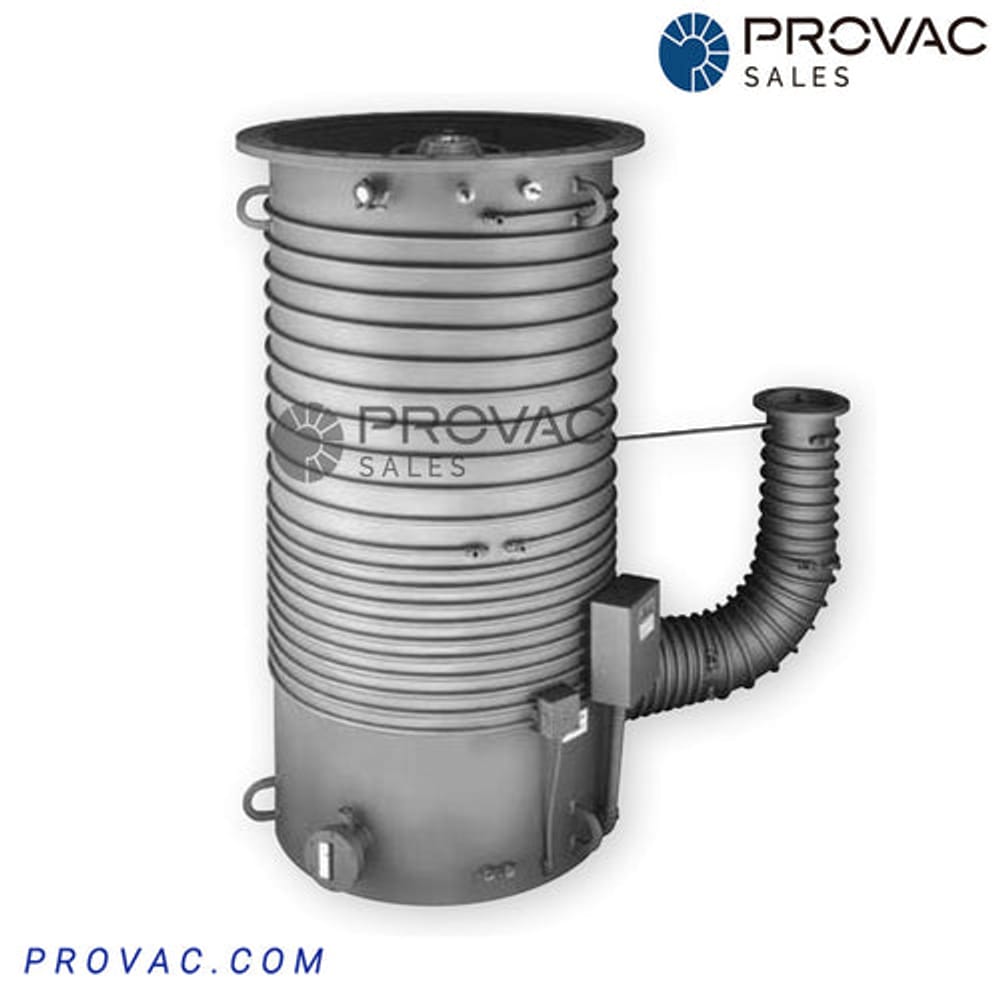
Agilent HS-32 Diffusion Pump
Contact us for pricing
Agilent
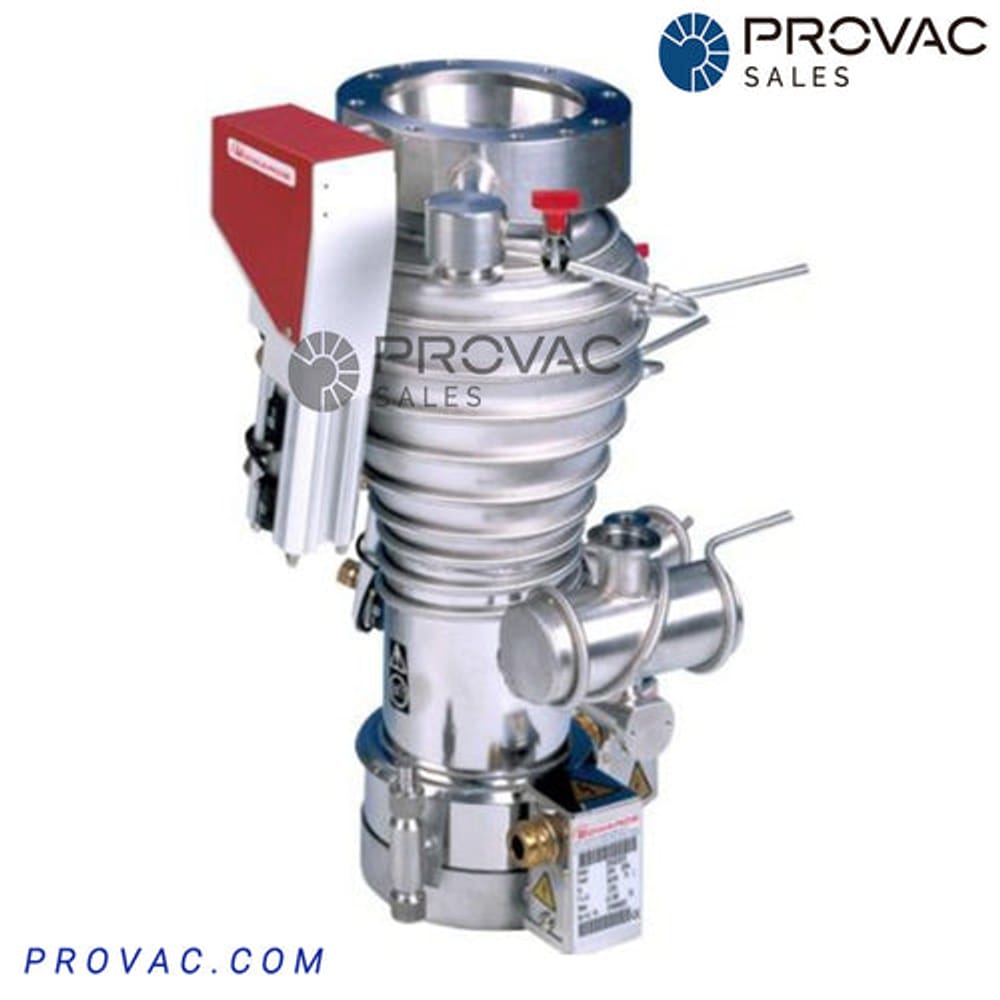
Agilent NHS-35 Diffusion Pump
Contact us for pricing
Edwards
Edwards Diffstak 63/150M Diffusion Pump
Contact us for pricing
Diffusion Pumps
Diffusion pumps are crucial in high vacuum systems and vital in various industrial and scientific applications. These pumps operate on the principle of momentum transfer, using a high-speed jet of vapor to direct gas molecules towards the exhaust. Despite their simple design and lack of moving parts, diffusion pumps can achieve extremely low pressures, making them indispensable in many vacuum-dependent processes.
How Diffusion Pumps Work
Basic Principles
Diffusion pumps operate by heating a fluid, typically oil, to create a high-speed vapor jet. This jet captures gas molecules from the vacuum chamber and directs them towards the pump's exhaust.
Key Components
- Boiler
- Jet assembly
- Cooled walls
- Inlet and outlet ports
Pumping Process
- Oil vaporization
- Vapor jet formation
- Gas molecule capture
- Condensation and recycling of oil
Types of Diffusion Pumps
Oil Diffusion Pumps
Oil diffusion pumps are the most common type, using specialized oils as the working fluid. The Agilent VHS-4 diffusion pump is a popular example of this type.
Mercury Diffusion Pumps
While less common today due to safety concerns, mercury diffusion pumps were historically used for certain applications requiring ultra-high vacuum levels.
Major Manufacturers and Models
Varian Diffusion Pumps
Varian, now part of Agilent Technologies, is a leading manufacturer of diffusion pumps. The Agilent HS-20 diffusion pump is a high-performance model suitable for various applications.
Edwards Diffusion Pumps
Edwards Vacuum produces a range of diffusion pumps known for their reliability and efficiency.
ULVAC Diffusion Pumps
ULVAC offers innovative diffusion pump designs, such as the ULVAC ULK-06A diffusion pump, which provides high pumping speeds in a compact package.
Leybold Diffusion Pumps
Leybold, a long-standing name in vacuum technology, produces diffusion pumps like the Leybold Oerlikon Leybojet 630, known for their robust performance.
Applications of Diffusion Pumps
Industrial Applications
- Vacuum coating systems
- Metallurgy and materials processing
- Semiconductor manufacturing
Scientific Research
- Particle accelerators
- Space simulation chambers
- Mass spectrometry
Other Uses
- Electron microscopy
- Vacuum distillation
- Leak detection systems
Advantages of Diffusion Pumps
- High pumping speeds
- Ability to achieve very low pressures
- No moving parts, resulting in high reliability
- Relatively low cost compared to other high vacuum pumps
Limitations and Considerations
- Potential for oil backstreaming
- Warm-up time required before operation
- Need for a backing pump to maintain proper exhaust pressure
- Regular maintenance and oil changes necessary
Selecting the Right Diffusion Pump
Factors to Consider
- Required ultimate pressure
- Pumping speed needs
- Size of the vacuum chamber
- Budget constraints
Diffusion Pump Price Considerations
The cost of a diffusion pump can vary widely depending on size, performance, and manufacturer. While initial costs may be lower than some other high vacuum pump types, it's important to factor in ongoing operational and maintenance expenses.
Maintenance and Care
Regular Tasks
- Oil level checks
- Cooling system inspection
- Jet assembly cleaning
- Vacuum system leak checks
Oil Selection and Replacement
Choosing the right oil is crucial for optimal performance. Factors to consider include vapor pressure, thermal stability, and compatibility with the application.
Diffusion Pump Parts and Accessories
- Jet assemblies
- Heaters
- Cooling coils
- Baffles and traps
Innovations and Future Trends
- Development of new pump fluids with lower vapor pressures
- Integration of smart monitoring systems
- Improved baffle designs for reduced backstreaming
Comparing Diffusion Pumps to Other Vacuum Technologies
Turbomolecular Pumps
While turbomolecular pumps offer cleaner operation, diffusion pumps often provide higher pumping speeds at a lower cost.
Cryopumps
Cryopumps can achieve lower ultimate pressures but require periodic regeneration, unlike diffusion pumps which can operate continuously.
Conclusion
Diffusion pumps remain a cornerstone of high vacuum technology, offering a unique combination of simplicity, performance, and cost-effectiveness. From the compact ULVAC ULK-04A to the high-capacity Agilent VHS-6, these pumps continue to play a vital role in advancing scientific research and industrial processes. As technology evolves, diffusion pumps are likely to remain an essential tool in the quest for ever-higher vacuum levels and more efficient processes.