
Edwards Diffusion Pumps

Edwards
Edwards Diffstak 100/300P Diffusion Pump
Contact us for pricing

Edwards
Edwards Diffstak 100/300M Diffusion Pump
Contact us for pricing

Edwards
Edwards Diffstak 63/150C Diffusion Pump
Contact us for pricing

Edwards
Edwards Diffstak 63/150P Diffusion Pump
Contact us for pricing
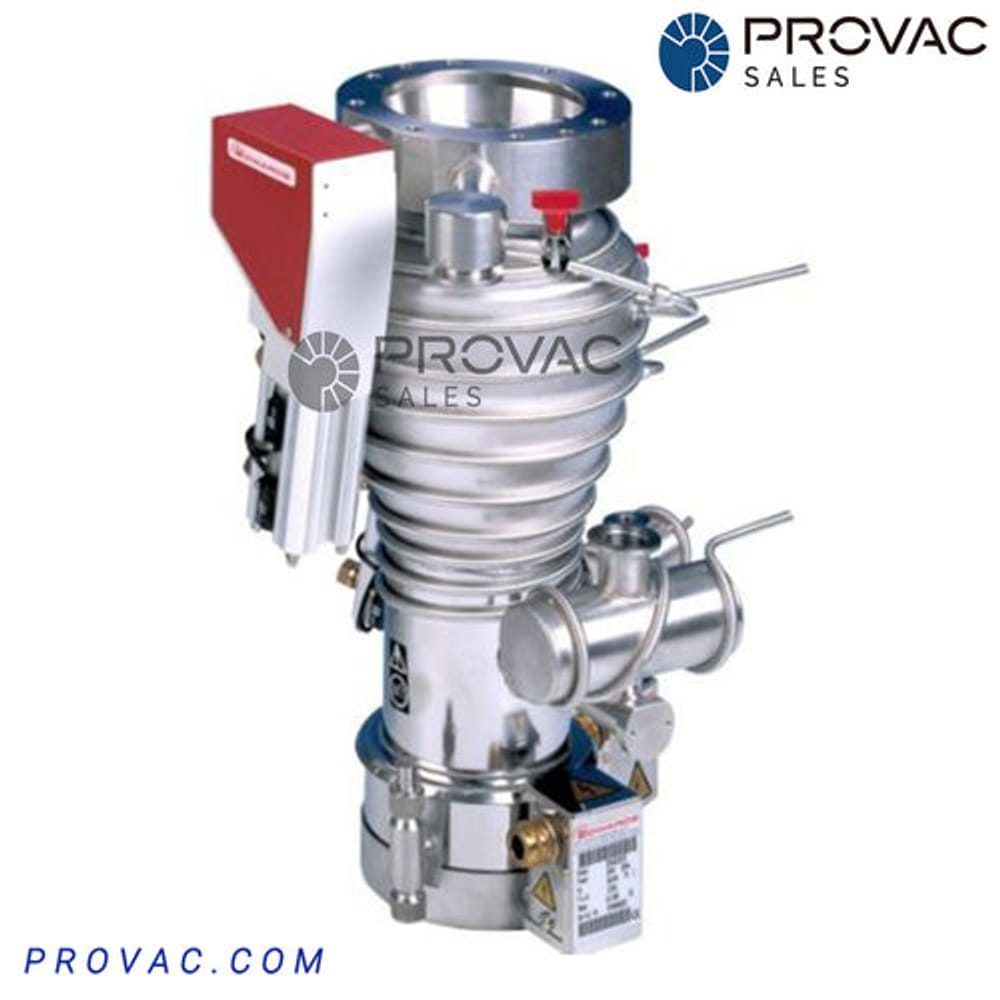
Edwards
Edwards Diffstak 63/150M Diffusion Pump
Contact us for pricing
Edwards Diffusion Pumps
Edwards Diffstak diffusion pumps have been a dependable source of high vacuum for decades. With no moving parts in the pumping mechanism, a diffusion pump is simple, robust and able to deliver very high pumping speeds for its size. Diffstak pumps add an integrated baffle and isolation valve in a compact stack, which is why they remain popular in coating systems, analytical instruments and research chambers. At Provac Sales, we supply Edwards Diffstak pumps and repair existing units at our facility in Soquel, California.
Edwards Diffstak Models We Carry
Our Edwards diffusion pump collection covers the four main Diffstak sizes, each offered in three valve configurations:
- Edwards Diffstak 63/150 in M, P and C versions
- Edwards Diffstak 100/300 in M, P and C versions
- Edwards Diffstak 160/700 in M, P and C versions
- Edwards Diffstak 250/2000 in M, P and C versions
The first number is the nominal inlet bore in millimetres and the second is the nominal pumping speed in litres per second. A Diffstak 160/700, for example, has a 160 mm inlet and a nominal speed of about 700 l/s.
The letter code describes the integrated valve:
- M models have a manually operated isolation valve
- P models have a pneumatically actuated valve for automated systems
- C models are unvalved, for systems where the valve is mounted separately
Heater voltage varies by unit, so check the product listing or send us your supply voltage before ordering. Most Diffstak listings are priced on request because configuration details matter.
How a Diffusion Pump Works
A diffusion pump heats a low vapor pressure fluid in a boiler at the base of the pump. The vapor rises through a central jet assembly and is directed downward at high speed through a series of nozzles. Gas molecules that drift into the vapor stream are driven toward the bottom of the pump, where they are compressed and removed by a backing pump.
Because the pump relies on vapor jets rather than rotating parts, it is quiet, vibration-free and tolerant of particulates. The Diffstak design adds a water-cooled or refrigerated baffle above the jets to reduce back-streaming of pump fluid into the chamber.
Choosing the Right Diffstak Size
To size an Edwards diffusion pump, consider:
- Chamber volume and the target base pressure
- Gas load from outgassing, leaks and the process itself
- Inlet flange size and available space on the system
- Whether you need a valved or unvalved pump
- The backing pump, which must hold the foreline below the pump's critical backing pressure
- Cooling water availability and flow rate
- Heater power and electrical supply
A pump that is too small will struggle with gas load. A pump that is too large adds cost, heater power and cooling demand without benefit. Send us your chamber details and we can suggest a size.
Backing and Roughing Requirements
Every diffusion pump needs a mechanical backing pump. For smaller Diffstak sizes, an Edwards rotary vane pump such as an RV or E2M model is common. Larger Diffstak pumps often use bigger E2M models, a mechanical booster combination or an Edwards dry pump. The chamber also needs a roughing line so the diffusion pump is only opened once chamber pressure is low enough.
Applications for Edwards Diffusion Pumps
Diffstak pumps are used in:
- Thin film coating, evaporation and sputtering systems
- Vacuum furnaces and heat treating
- Electron microscopy and surface analysis
- Space simulation and research chambers
- Mass spectrometry and analytical instruments
- Leak detection and vacuum test systems
- Industrial processes needing high pumping speed at a moderate cost
Diffusion Pumps vs Turbo Pumps
Edwards turbo pumps offer a cleaner, oil-free high vacuum and faster starts, which is why they are widely used in modern analytical and semiconductor tools. Diffusion pumps still offer clear advantages in many applications:
- No moving parts in the pump body, which means fewer failure modes
- High pumping speed for the cost, especially in larger sizes
- Tolerance of particulates, dust and process by-products
- Long service life with routine fluid maintenance
Many coating and furnace users keep diffusion pumps because they are proven in their process and easy to maintain.
Maintenance Tips
Good diffusion pump maintenance focuses on the fluid, the heater and the cooling system:
- Check pump fluid level and condition on a regular schedule, and replace fluid that has darkened or degraded
- Never expose a hot diffusion pump to atmosphere, which can oxidize the fluid
- Confirm cooling water flow before turning on the heater
- Check the heater element and connections if pump-down times increase
- Keep the baffle clean and cold to limit back-streaming
Edwards Diffstak Repair Services
Provac Sales lists the Edwards Diffstak series among our published repair capabilities. Repair work may include cleaning the body and jet assembly, replacing heaters and seals, servicing the valve mechanism, and refilling with fresh fluid. Contamination level and the condition of the jet stack determine the scope.
Before shipping a diffusion pump, drain the fluid where practical, submit an RMA request and complete the contamination data sheet. Visit our pump repair page for more information.
Frequently Asked Questions
What does M, P or C mean on an Edwards Diffstak?
M means manual valve, P means pneumatic valve and C means the pump has no integrated valve. Choose the version that matches your system controls.
Which pump fluid does a Diffstak use?
Diffstak pumps typically use silicone or other low vapor pressure diffusion pump fluids. The correct fluid depends on the process and the existing fill. Do not mix fluid types.
Can I replace an old diffusion pump with a Diffstak?
Often, yes, if the inlet size, height and backing requirements suit your system. Send us the existing pump details and chamber layout.
Why is my diffusion pump not reaching base pressure?
Common causes include degraded fluid, a weak heater, poor cooling, a leak, or a backing pump that cannot hold the foreline pressure. Contact us with the symptoms.
How long does a Diffstak take to reach operating temperature?
Warm-up time depends on pump size and heater power. Smaller Diffstak models are typically ready faster than the 250/2000. Check the manual for your model and allow the full warm-up before opening the valve to the chamber.
Why Buy Edwards Diffusion Pumps From Provac
Provac Sales has supplied and serviced vacuum equipment for coating, research and industrial customers for many years. When you buy an Edwards Diffstak from us, you work with a team that understands the whole pumping system, not just the pump on the shelf. We can help you:
- Match the Diffstak size and valve type to your chamber and control scheme
- Choose a backing pump that holds the foreline below the critical backing pressure
- Select the right diffusion pump fluid for your process and existing fill
- Plan cooling water and electrical requirements before installation
- Decide whether repairing your current pump makes more sense than replacing it
Because we repair Diffstak pumps in house, we can also give practical advice about common failure points such as heaters, valve seals and baffles, and keep an older system running when a full replacement is not in the budget.
Request a Quote on Edwards Diffusion Pumps
Send us the Diffstak size, valve type, heater voltage and backing pump details. We will confirm availability or quote a repair of your existing pump. Contact us or call 831-462-8900.