
Edwards Pumping Stations

Edwards
Stokes 612MBX Multistage Pumping System
Contact us for pricing

Edwards
Stokes 412MBX Multistage Pumping Station
Contact us for pricing

Edwards
Edwards T-Station 85H Dry Pumping Station
Contact us for pricing

Edwards
Edwards T-Station 85H Wet Pumping Station
Contact us for pricing
Edwards
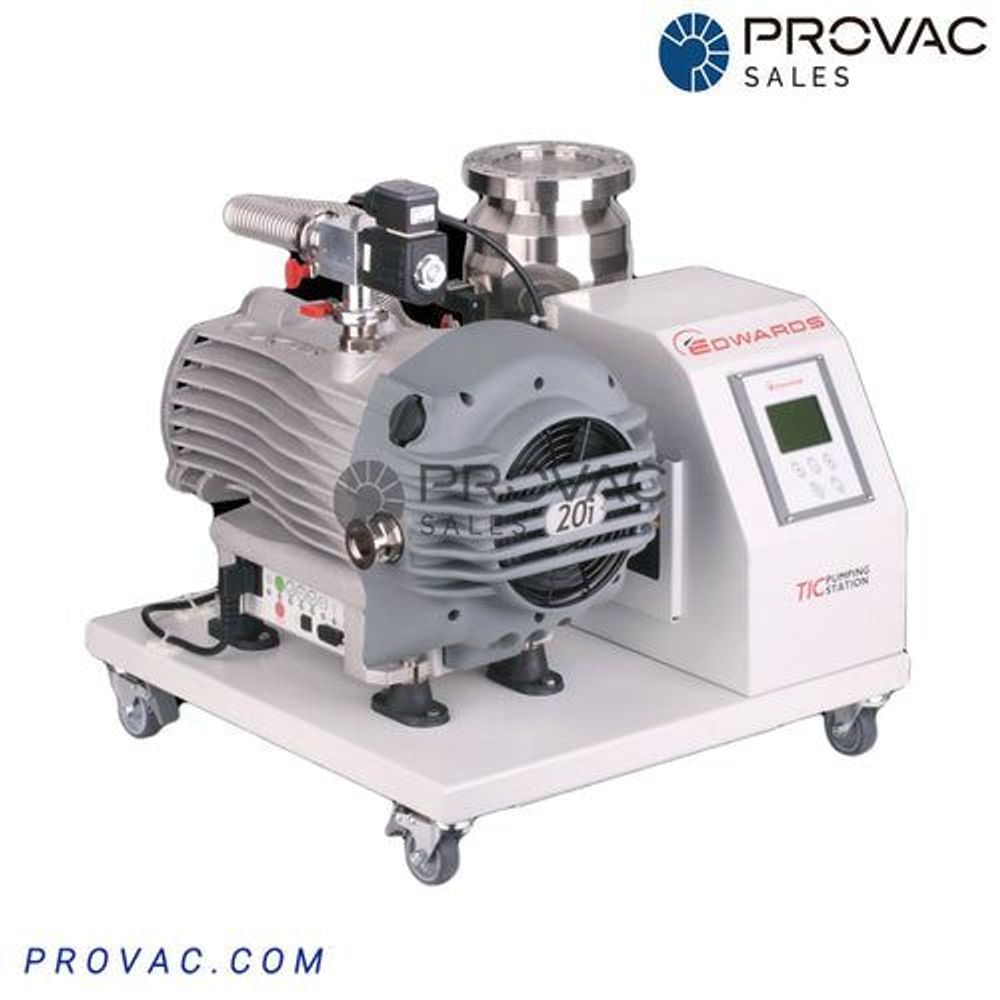
Edwards nEXT Turbocart Pumping Station
Contact us for pricing
Edwards
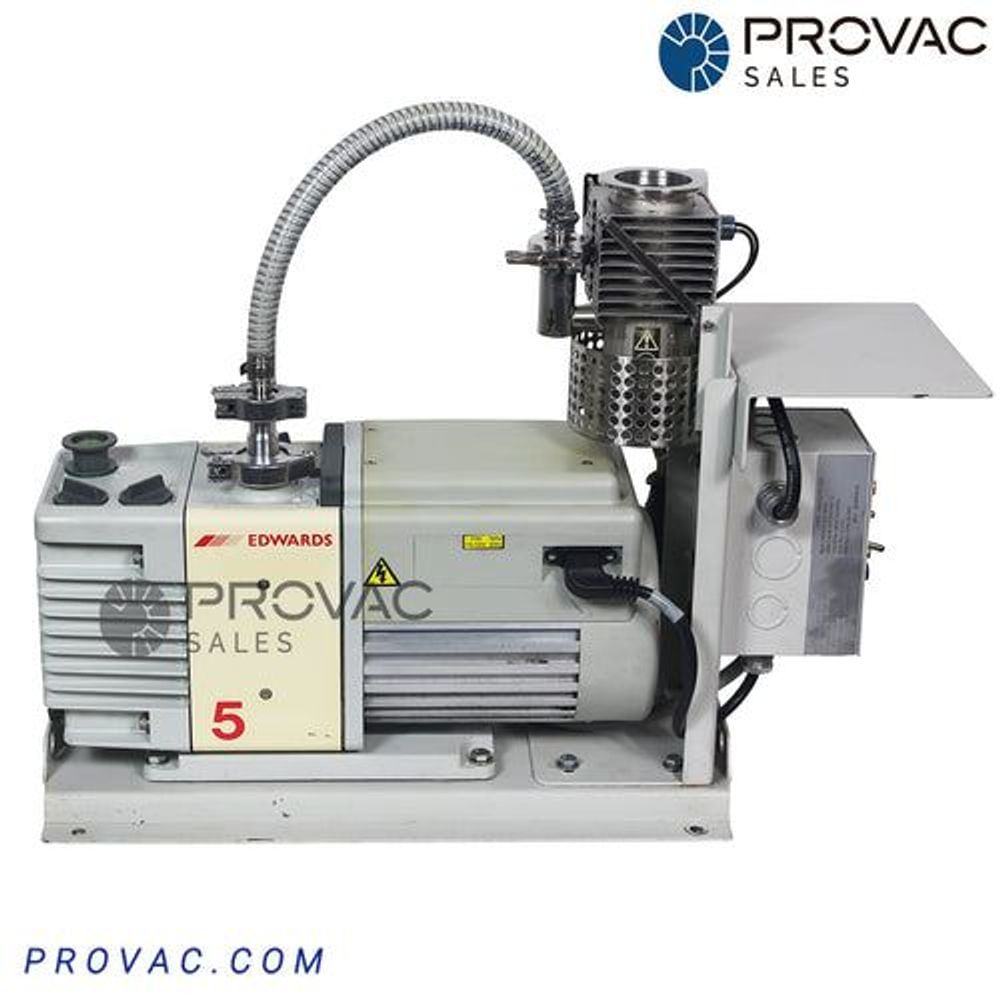
Edwards RV-5 Pumping Station, Rebuilt
$ 3,461.00
Edwards Pumping Stations
An Edwards pumping station combines a turbo pump, a backing pump, a controller and the connections between them into one ready-to-run package. Instead of sourcing and matching each component, you connect the station to your chamber, switch it on and reach high vacuum. At Provac Sales, we supply Edwards T-Station, nEXT Turbocart and RV-5 pumping stations for laboratories, instruments and test systems.
Edwards Pumping Station Models We Carry
Our Edwards pumping station listings include:
- Edwards T-Station 85H wet pumping station, which pairs an nEXT85 turbo pump with an oil-sealed rotary vane backing pump
- Edwards T-Station 85H dry pumping station, which pairs an nEXT85 turbo pump with an oil-free backing pump
- Edwards nEXT Turbocart pumping stations, a mobile cart-mounted system for flexible use around the lab
- Edwards RV-5 pumping stations
- Multistage pumping systems for specific applications
Each listing shows the turbo pump, backing pump, inlet flange, voltage and condition. Configurations vary, so check the full description or ask us to confirm the exact components.
Why Choose a Complete Pumping Station?
Building a high vacuum system from separate parts means matching a turbo pump to a controller, cables, a backing pump, gauges, valves and fittings. A pumping station removes most of that work:
- Matched components that are designed to work together
- Faster setup, often within minutes of unpacking
- A single footprint, often compact enough for a bench or cart
- Integrated controls that handle turbo start-up, venting and protection
- A known, repeatable vacuum performance
For users who need high vacuum but do not want to design a pumping system, a station is usually the quickest path.
Wet vs Dry Backing Pumps
The main choice on many Edwards stations is the backing pump:
- Wet stations use an oil-sealed rotary vane pump, such as an Edwards RV or E2M pump, which offers a low ultimate pressure at a lower purchase price but needs oil changes and exhaust filtration
- Dry stations use an oil-free backing pump, such as an Edwards scroll pump or diaphragm pump, which keeps oil away from the system and reduces maintenance
Dry stations are preferred for surface science, mass spectrometry and other clean applications. Wet stations remain popular for general lab and test use where cost matters and occasional oil maintenance is acceptable.
How to Choose an Edwards Pumping Station
When selecting a station, consider:
- Chamber volume and target base pressure
- Required pumping speed at the chamber, which depends on the turbo size
- Inlet flange, such as KF40, ISO63 or CF
- Whether the process needs a clean, oil-free system
- Gas loads, including outgassing and any process gases
- Need for gauges, vent valves or bake-out
- Electrical supply, often 110-120V or 230V single phase for compact stations
- Whether the station will stay in one place or move between systems
Send us your chamber size, target pressure and application, and we will suggest a suitable configuration.
Applications for Edwards Pumping Stations
Edwards pumping stations are used for:
- Evacuating research chambers and small vacuum systems
- Backing analytical instruments and mass spectrometers
- Electron microscope sample preparation
- Leak testing and vacuum component testing
- Thin film and coating research
- Teaching labs and university research groups
- Pumping down cryostats, dewars and insulation spaces
Operating Tips
A few practices help get the best performance from a turbo pumping station:
- Keep the chamber and connections clean, dry and free of fingerprints and oil
- Use metal seals or high-quality elastomer seals for lower base pressures
- Allow the turbo to reach full speed before introducing process gas
- Vent the system with dry nitrogen where possible to reduce pump-down time on the next cycle
- Service the backing pump on schedule, since its condition directly affects turbo performance
- Avoid sudden air inrush to a spinning turbo pump
New vs Rebuilt Edwards Pumping Stations
New stations suit new labs and users who want current-production equipment. Rebuilt stations, or stations built around rebuilt turbo and backing pumps, can be an economical option for maintenance, teaching or secondary systems. Each listing and quotation confirms the condition, included components and warranty.
Pumping Station Service and Repair
Because a pumping station combines several components, service needs can involve the turbo pump, backing pump or controller. Our published repair capabilities include Edwards EXT and Edwards/Seiko Seiki STP turbo pumps, EXC and TIC controllers, EM and RV series vane pumps, and ESDP and GVSP series scroll pumps, so we can often evaluate the whole station rather than one part. Contact us with the model numbers of the station components before shipping. Submit an RMA request and complete the contamination data sheet before shipping. Learn more on our pump repair page.
Building a Custom System Instead
If a standard station does not fit your chamber or process, we can help you assemble a system from separate components:
- Edwards turbo pumps including EXT, nEXT and STP models
- Edwards turbo pump controllers including TIC and EXC models
- Edwards scroll pumps for dry backing
Frequently Asked Questions
What does 85H mean on an Edwards T-Station?
The 85 refers to the nEXT85 turbo pump size used in the station. Check the listing for the full turbo and backing pump details.
Can I add a gauge to an Edwards T-Station?
Many stations support active gauges through the controller. Confirm the controller model and gauge type before ordering.
How long does a T-Station take to reach high vacuum?
It depends on chamber volume, cleanliness and seals. A small, clean chamber can reach high vacuum quickly, while larger or dirtier systems take longer.
Is a wet or dry Edwards station better for mass spectrometry?
Dry stations are generally preferred for mass spectrometry and surface analysis because they remove the risk of oil vapor reaching the instrument.
Can a pumping station run continuously?
Yes, Edwards stations are designed for continuous operation, provided the backing pump is maintained and the turbo is operated within its limits.
Setting Up an Edwards Pumping Station
Most Edwards stations are designed to be up and running quickly, but a careful first setup avoids common problems later:
- Inspect the station on arrival and check that the turbo inlet cover and any shipping restraints have been removed
- Fit the inlet screen and use a clean, new seal on the chamber flange
- Position the station so cooling air can flow freely around the turbo pump and controller
- Connect the vent valve to a dry nitrogen supply if your application benefits from clean venting
- Check the backing pump oil level on wet stations before the first start
- Run a first pump-down with the chamber empty to establish a baseline pressure and pump-down time
Recording that baseline makes it much easier to spot developing problems, such as a slow leak, a worn backing pump or contamination in the chamber, long before they stop your work. If performance drops later, compare against the baseline first, then contact our team with the numbers and the symptoms.
Request a Quote on Edwards Pumping Stations
Send us the station model, or describe your chamber size, target pressure, inlet flange and voltage. We will confirm availability or recommend a configuration. Contact us or call 831-462-8900.