
Inland Vacuum Pump Oils & Greases
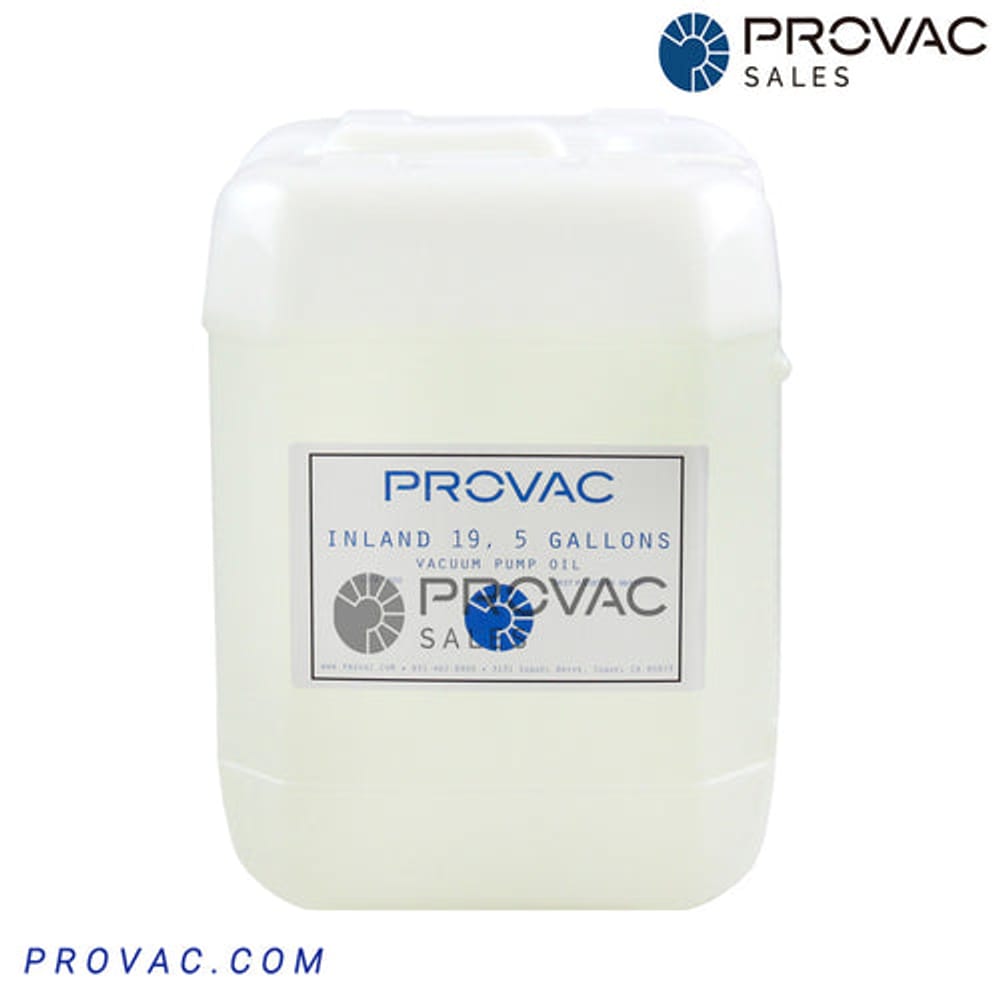
Inland
Inland 19 Vacuum Oil, 5 gallon
$ 230.00
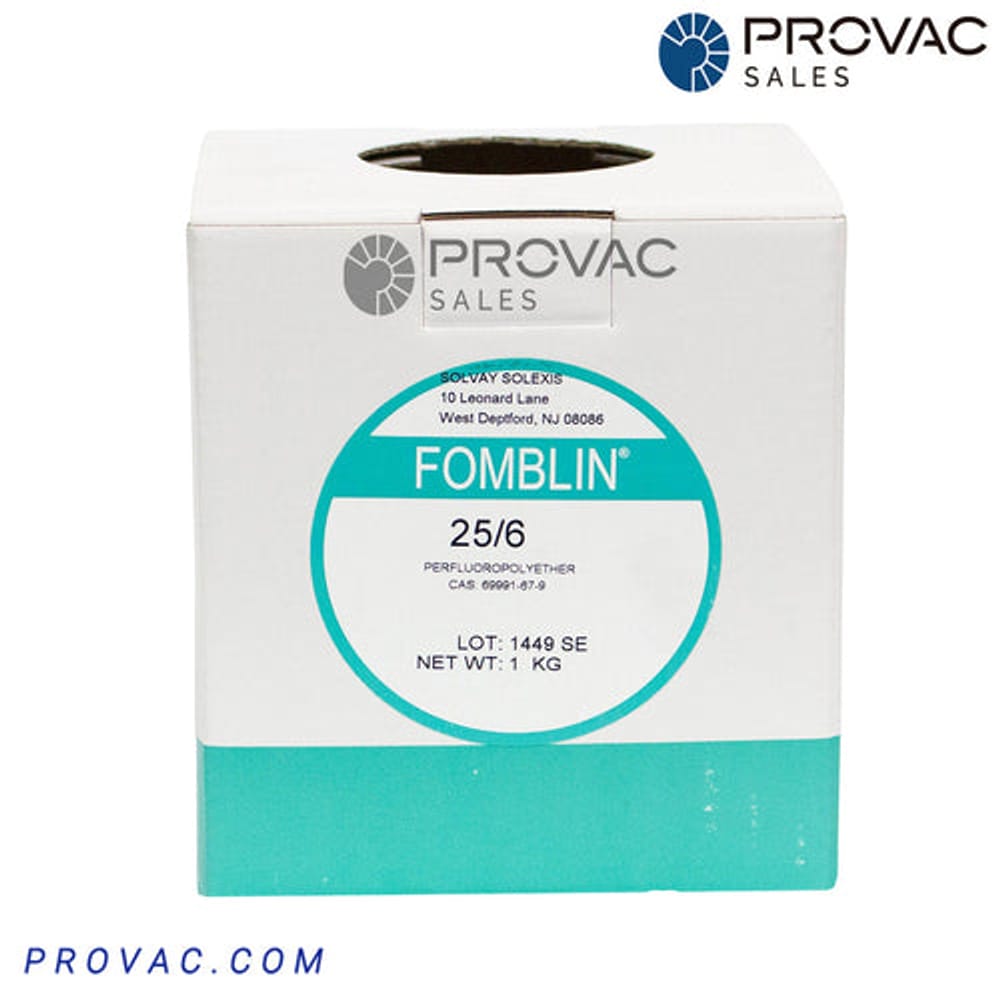
Inland
Fomblin Y L 25/6 Vacuum Fluid, Kilogram
$ 414.00
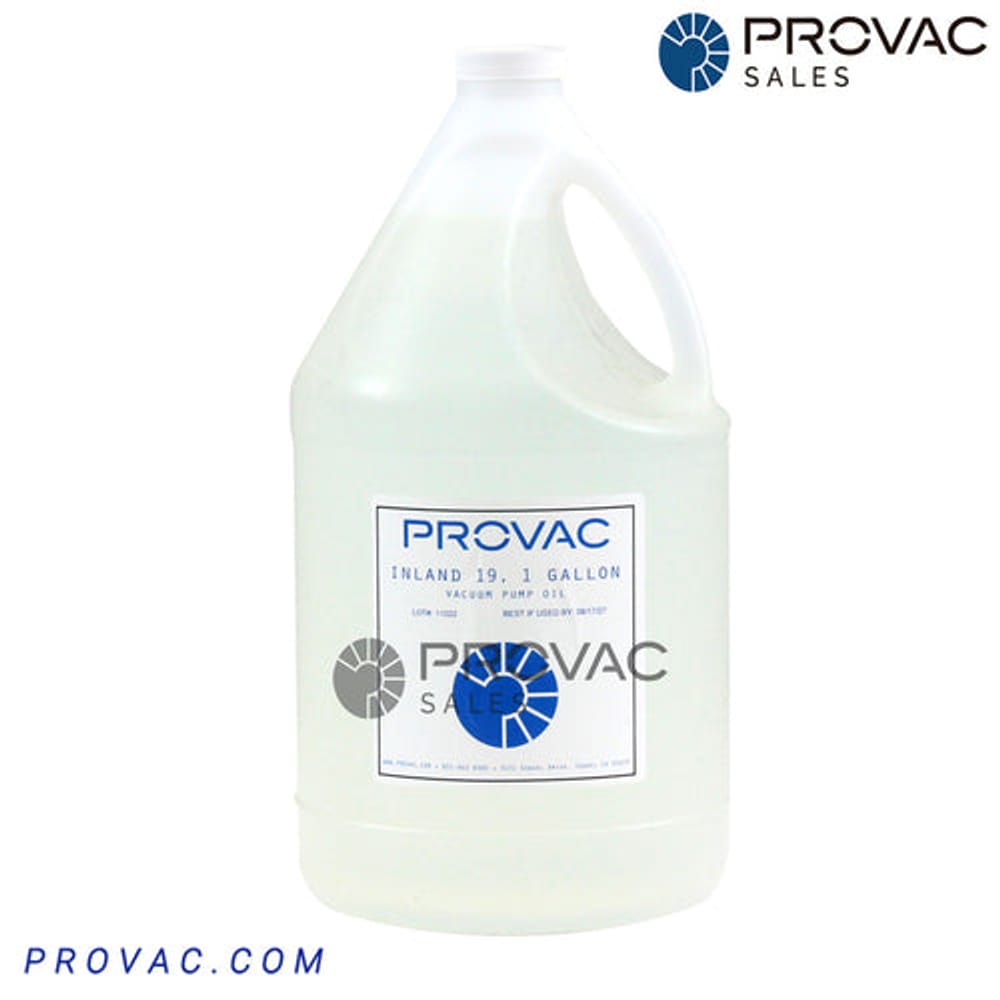
Inland
Inland 19 Vacuum Oil, 1 gallon
$ 75.00
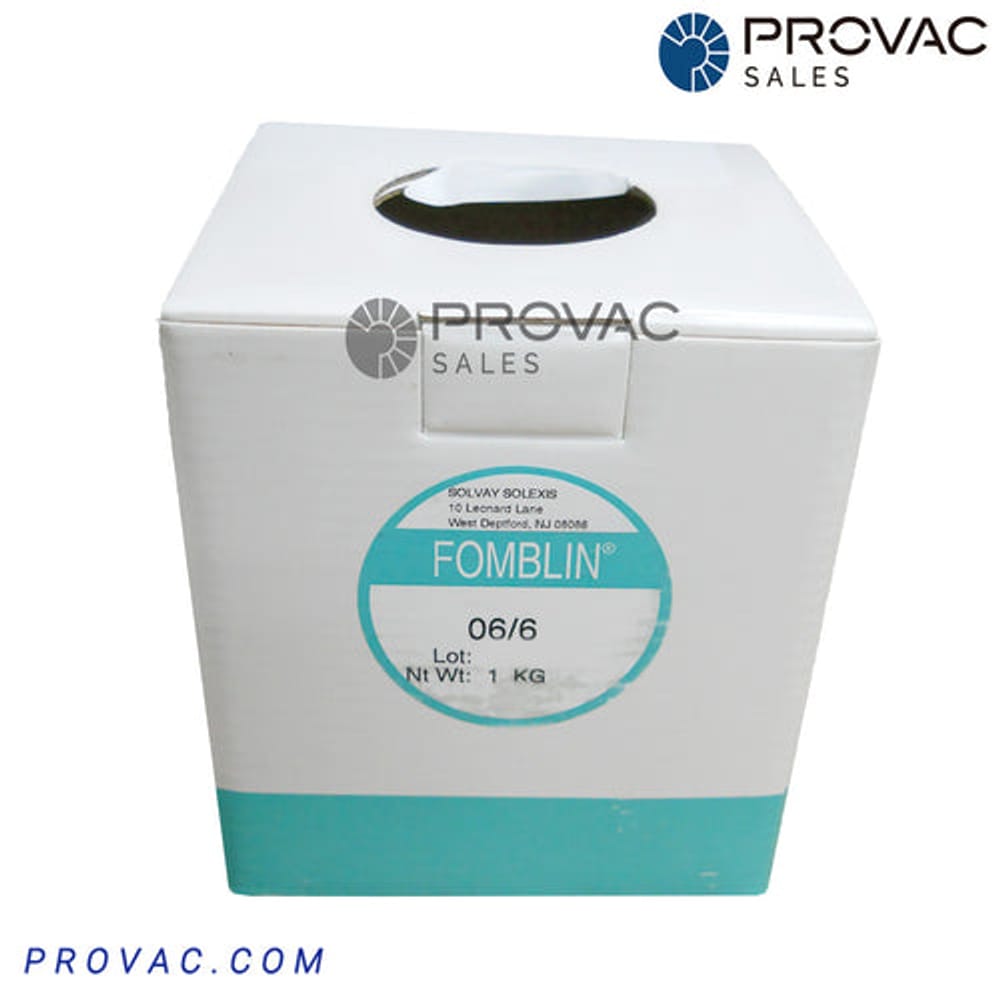
Inland
Fomblin Y L 06/6 Vacuum Fluid, Kilogram
$ 414.00
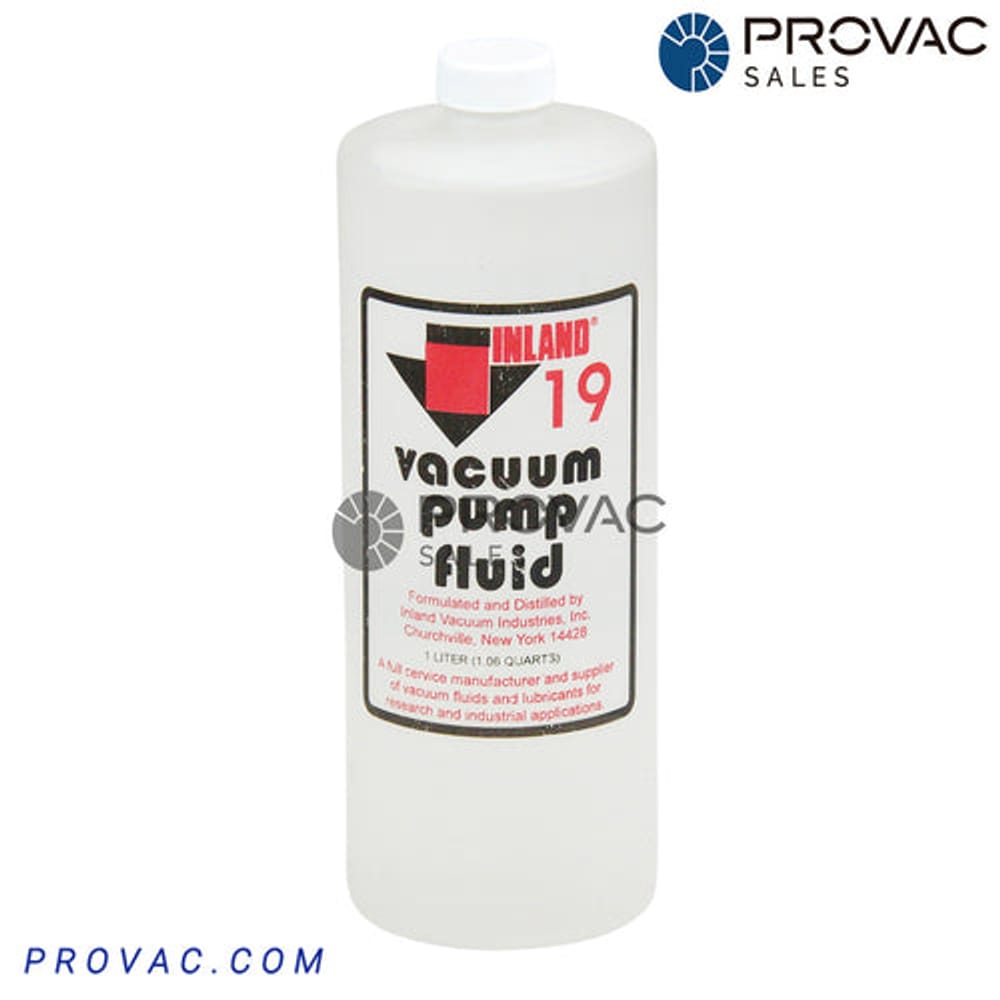
Inland
Inland 19 Vacuum Oil, 1 liter
$ 20.00
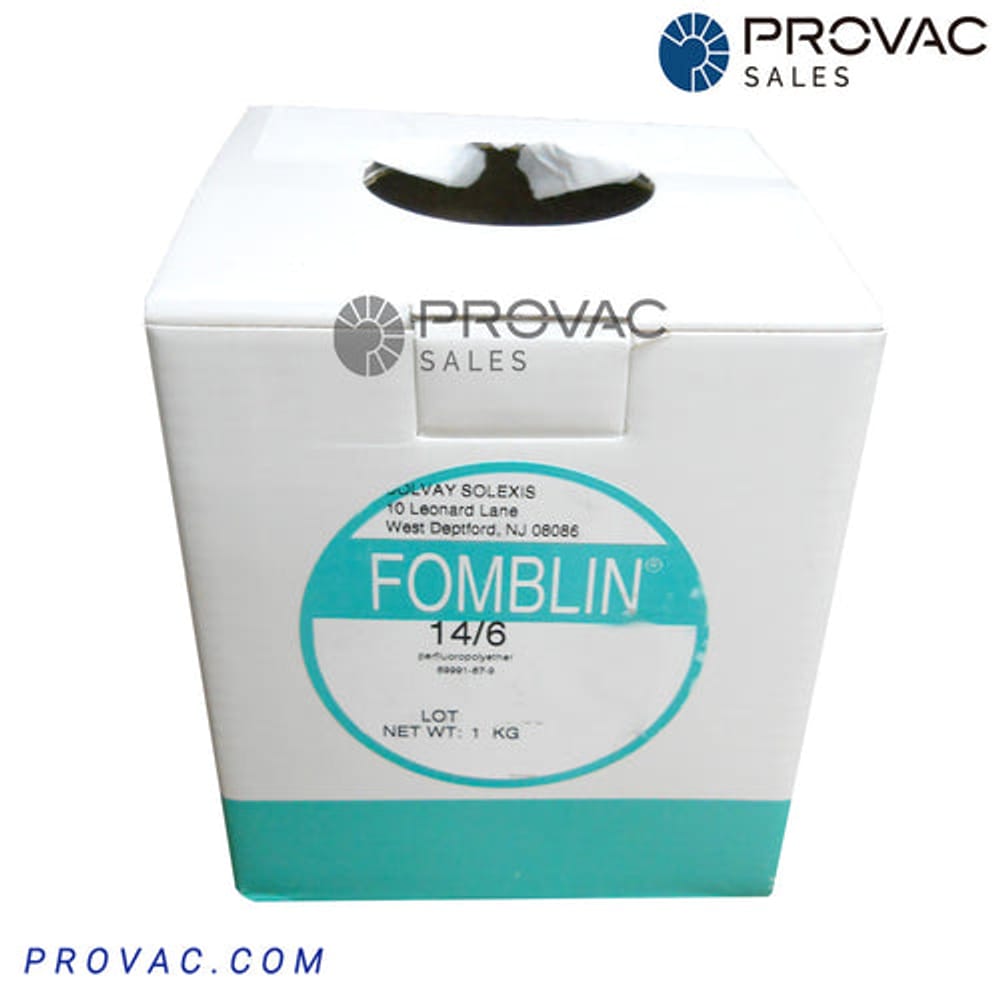
Inland
Fomblin Y L 14/6 Vacuum Fluid, Kilogram
$ 414.00
Inland
Inland SS-120 Lubricant
Contact us for pricing
Inland
Inland I-140 Lubricant
Contact us for pricing
Inland
Inland I-45ZX Lubricant
Contact us for pricing
Inland
Inland I-160F Lubricant
Contact us for pricing
Inland
Inland I-105F Lubricant
Contact us for pricing
Inland
Inland Turbo Oil
Contact us for pricing
Inland Vacuum Pump Oils & Greases
The oil inside a vacuum pump does more than lubricate. It seals the clearances between the vanes or piston and the housing, carries heat out of the pump and sets how deep a vacuum the pump can reach. The wrong fluid raises base pressure, breaks down early and can contaminate your process. Inland Vacuum Industries, based in Churchville, New York and making vacuum fluids since 1972, produces a full line of hydrocarbon, synthetic and PFPE fluids, diffusion pump fluids and high vacuum greases. At Provac Sales, we stock Inland fluids for rotary vane, rotary piston and diffusion pumps, and we use the same fluids in our own pump repair shop.
Inland 19 General-Purpose Hydrocarbon Oil
Inland 19 is the standard choice for mechanical pumps in clean, non-corrosive service. It is molecularly distilled to remove the light fractions found in ordinary refinery oils, which lowers vapor pressure, reduces backstreaming and extends fluid life.
- Vapor pressure about 1 x 10⁻⁵ mbar at 25°C and viscosity about 55 cSt at 40°C
- Suits Edwards, Welch, Leybold, Agilent, Varian and Alcatel rotary vane pumps where the manual calls for this grade
- Common in mass spectrometers, electron microscopes, sputtering systems, freeze dryers and general lab vacuum
- Clean enough to run in roughing pumps that back diffusion pumps without contaminating the diffusion pump fluid
Invoil 20 Mechanical Pump Fluid
Invoil 20 is a distilled hydrocarbon fluid used as a standard mechanical pump oil. Its low vapor pressure, below 1 x 10⁻⁶ mbar, also allows it to be used as a diffusion pump fluid in some systems.
Inland TW for Reactive and Corrosive Gases
Inland TW is made for pumps that see reactive or corrosive gases on a regular basis. It has a vapor pressure below 1 x 10⁻⁶ mbar and a viscosity of about 65 cSt at 40°C. In corrosive service it typically lasts 1.5 to 4 times longer than Invoil 20, which means fewer oil changes and less pump wear.
Inland 45 Synthetic Hydrocarbon Oil
Inland 45 is a synthetic hydrocarbon fluid for demanding applications. It has a very low vapor pressure of about 1 x 10⁻⁷ mbar, a low pour point for easy cold starts and better chemical and thermal stability than mineral oils. It is a popular upgrade for mass spectrometers and analytical instruments where a cleaner vacuum and longer oil life justify the higher cost.
Inland 100+ for Rotary Piston Pumps
Inland 100+ is a heavier hydrocarbon fluid, about 100 cSt at 40°C, made for rotary piston pumps. Large piston pumps run hotter and with larger clearances than vane pumps, so they need a higher viscosity oil to seal properly. See our MD-Kinney vacuum fluids and greases for OEM fluids for Kinney piston pumps.
PFPE and Fomblin Fluids
Perfluoropolyether (PFPE) fluids, such as Fomblin Y LVAC grades and Inland geminYe PFPE grades, are non-flammable and chemically inert. Choose PFPE when pumping oxygen, ozone, fluorine, chlorine or other aggressive gases that would react with or degrade hydrocarbon oil, such as in semiconductor etch and CVD processes. High vacuum PFPE grades, such as Fomblin Y HVAC, are also used as diffusion pump fluids.
Diffusion Pump Fluids
Inland supplies hydrocarbon diffusion pump fluids in the Invoil range, such as Invoil 30 and Invoil 46, along with silicone fluids such as Invoil 704. Invoil 704 is a single-component silicone fluid that reaches about 10⁻⁶ to 10⁻⁸ Torr untrapped. Silicone fluids are for diffusion pumps only and must never be used in a mechanical pump.
High Vacuum Greases and Sealants
Inland also makes high vacuum greases, such as Celvacene, for O-rings, gaskets, ground glass joints, valves and bearings. Choose a grease with a vapor pressure low enough for your system so it does not become a source of outgassing.
Some listings show a price and others are quote-based. Each product page lists the grade, container size and safety data sheet.
How to Choose the Right Inland Vacuum Pump Oil
Start with your pump manual, since pump makers specify oil by viscosity and vapor pressure rather than by brand. Then match the grade to your process:
- Clean, non-corrosive service, such as lab vacuum, freeze drying or instrument roughing: Inland 19
- Occasional acids, solvents or reactive gases: Inland TW
- Analytical instruments needing the lowest vapor pressure, or pumps that start cold: Inland 45
- Rotary piston pumps: Inland 100+
- Oxygen service or aggressive gases such as fluorine and chlorine: a PFPE or Fomblin grade
- Diffusion pumps: an Invoil hydrocarbon, silicone or PFPE diffusion pump fluid matched to the pump and required ultimate pressure
If you are unsure, send us the pump make and model, your process gases and your working pressure, and we will recommend a grade.
Why Vapor Pressure and Viscosity Matter
A pump cannot reach a lower pressure than the vapor pressure of its own oil, so a lower vapor pressure fluid gives a deeper and cleaner base pressure. Viscosity controls how well the oil seals the gaps between moving parts. Oil that is too thin leaks back and raises base pressure, while oil that is too thick makes the pump hard to start and run hot. This is why vane pumps usually run a 50 to 65 cSt grade and piston pumps a heavier grade such as Inland 100+.
Hydrocarbon vs PFPE Vacuum Pump Oil
- Hydrocarbon oils, such as Inland 19, TW and 45, cost less, lubricate well and suit most rough and medium vacuum work
- PFPE oils are inert and non-flammable, so they are the safe choice for oxygen and highly reactive gases, but they cost much more
PFPE and hydrocarbon fluids do not mix. Before switching a pump to PFPE, it must be fully cleaned and flushed, and in most cases the pump should be prepared for PFPE service.
Maintenance Tips
- Check oil level and color regularly, and change oil when it turns dark, milky or cloudy
- Run the pump with gas ballast open when pumping water vapor, then run it on to purge moisture from the oil
- Flush the pump with fresh oil when changing grades, especially after corrosive service
- Change oil more often in corrosive or dusty processes, and consider an exhaust or oil filtration system
- Store sealed containers indoors and keep opened containers closed to stop moisture pickup
- Use the grade specified in your pump manual, and do not mix grades or chemistries
Find exhaust and oil filtration in our oil filtration systems collection, and fluids from other brands in our vacuum fluids and greases collection.
Signs Your Pump Oil Needs Changing
- The pump no longer reaches its usual base pressure
- Oil turns milky, which points to water contamination
- Oil turns dark or black, which points to thermal breakdown or process contamination
- Foaming, sludge or particles in the sight glass
- The pump runs hotter or louder than usual
If fresh oil does not restore performance, the pump may need service.
Vacuum Pump Repair
Provac Sales repairs and rebuilds rotary vane, piston and diffusion pumps from Edwards, Agilent, Pfeiffer, MD-Kinney, Atlas Copco and other brands. Submit an RMA request, complete the contamination data sheet and drain the oil before shipping. See our pump repair page for details.
Inland Vacuum Pump Oils FAQ
1. What is the difference between Inland 19 and Inland 45?
Inland 19 is a molecularly distilled hydrocarbon oil for general, non-corrosive service, with a vapor pressure of about 1 x 10⁻⁵ mbar. Inland 45 is a synthetic hydrocarbon oil with a lower vapor pressure of about 1 x 10⁻⁷ mbar, a low pour point for cold starts and better chemical and thermal stability, so it suits mass spectrometers and demanding processes.
2. Which Inland oil should I use for corrosive gases?
Inland TW is made for pumps exposed to reactive or corrosive gases and typically lasts 1.5 to 4 times longer than Invoil 20 in that service. For oxygen or highly aggressive gases such as fluorine or chlorine, use a PFPE or Fomblin grade instead of a hydrocarbon oil.
3. Can I use Inland 19 in my Edwards, Welch or Agilent pump?
Inland 19 is widely used in Edwards, Welch, Leybold, Agilent, Varian and Alcatel rotary vane pumps. Check the viscosity and vapor pressure called for in your pump manual before switching, since pump makers specify oil by these properties rather than by brand.
4. Can I mix PFPE oil with hydrocarbon vacuum pump oil?
No. PFPE and hydrocarbon fluids are not compatible. Before switching a pump to PFPE, it must be fully drained, cleaned and flushed, and in most cases prepared for PFPE service.
5. Can silicone diffusion pump fluid be used in a mechanical pump?
No. Silicone fluids such as Invoil 704 are made only for diffusion pumps. In a rotary vane or piston pump, use a mechanical pump oil such as Inland 19, Inland TW, Inland 45 or Inland 100+.
Request a Quote on Inland Vacuum Pump Oils
Send us your pump make and model, process gases, working pressure and the container size you need. We will recommend the right Inland grade, confirm availability or quote bulk quantities. Contact us or call 831-462-8900.