
Oil Filtration System
Oil filtration systems play a crucial role in maintaining the quality and performance of various industrial processes. These systems remove contaminants from oils used in machinery, hydraulic sy...
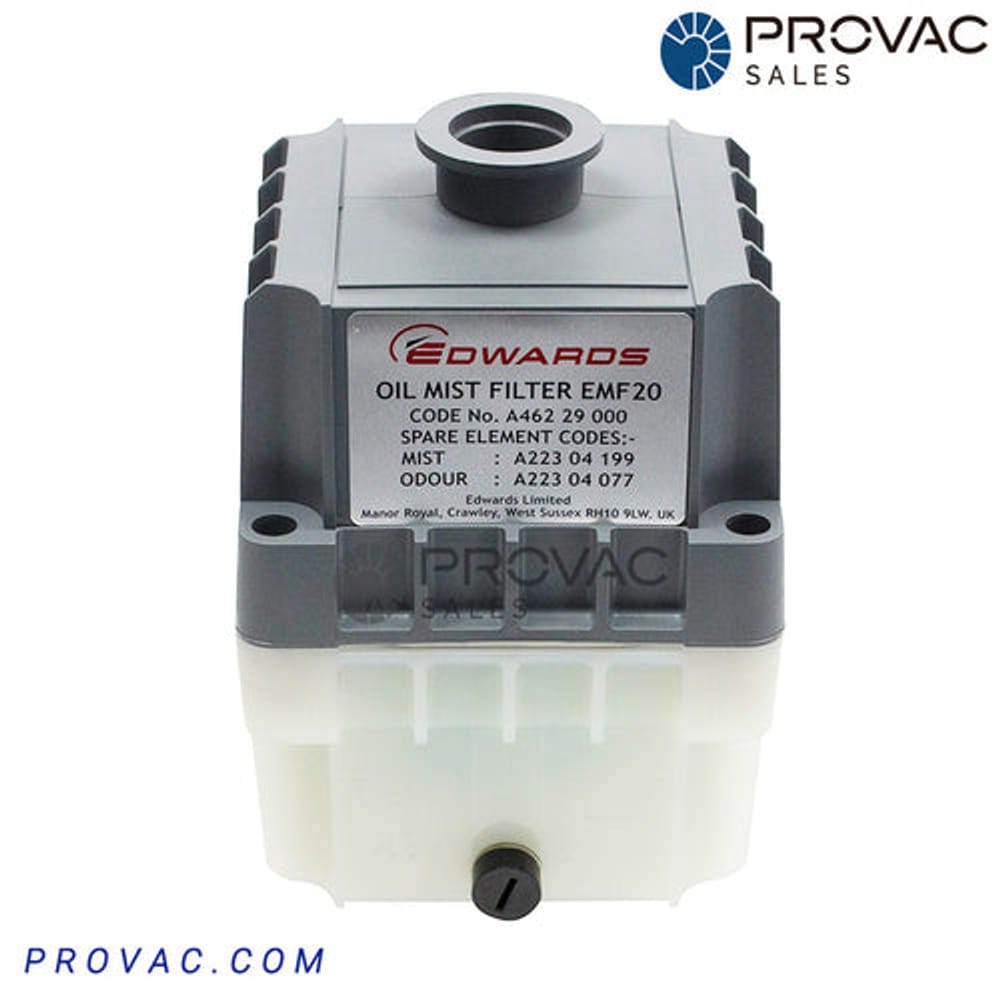
Edwards
Edwards EMF-20 Oil Mist Filter
$ 638.00
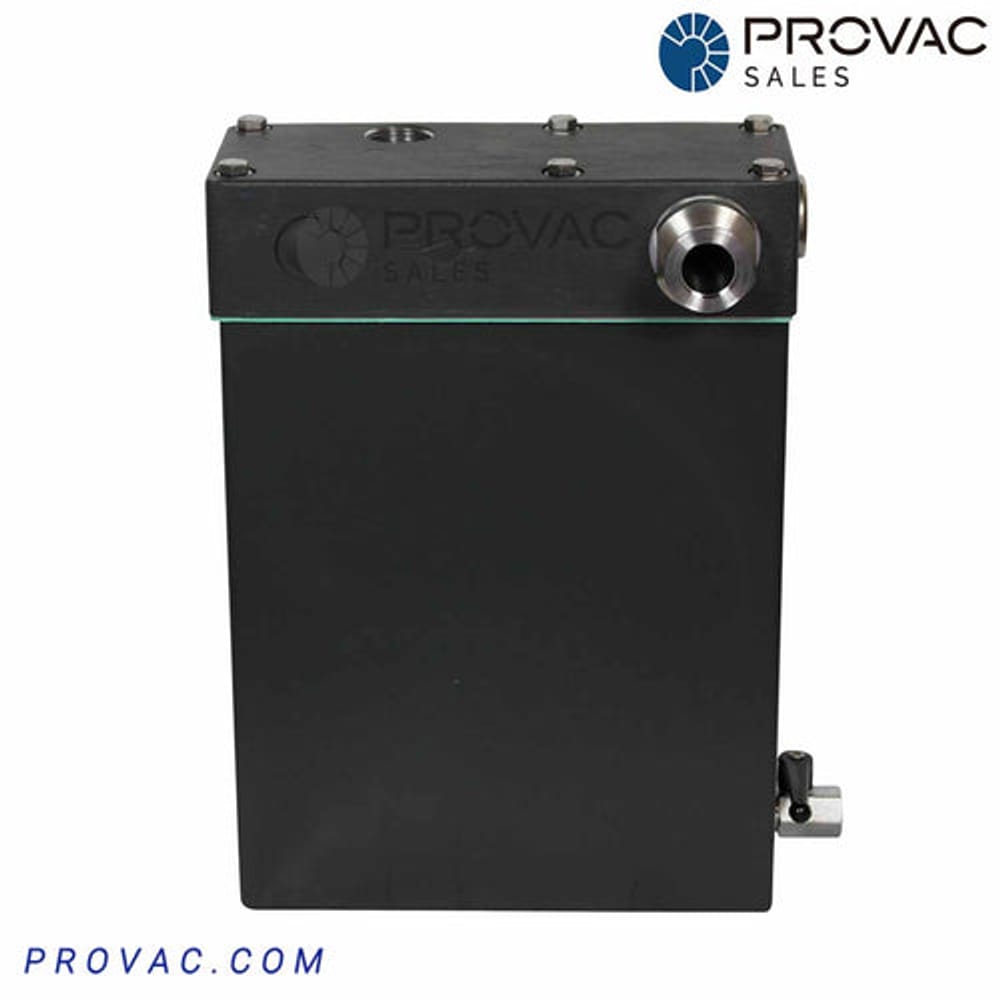
Edwards/Atlas Copco
Edwards MF-100 Oil Mist Eliminator
$ 2,399.00
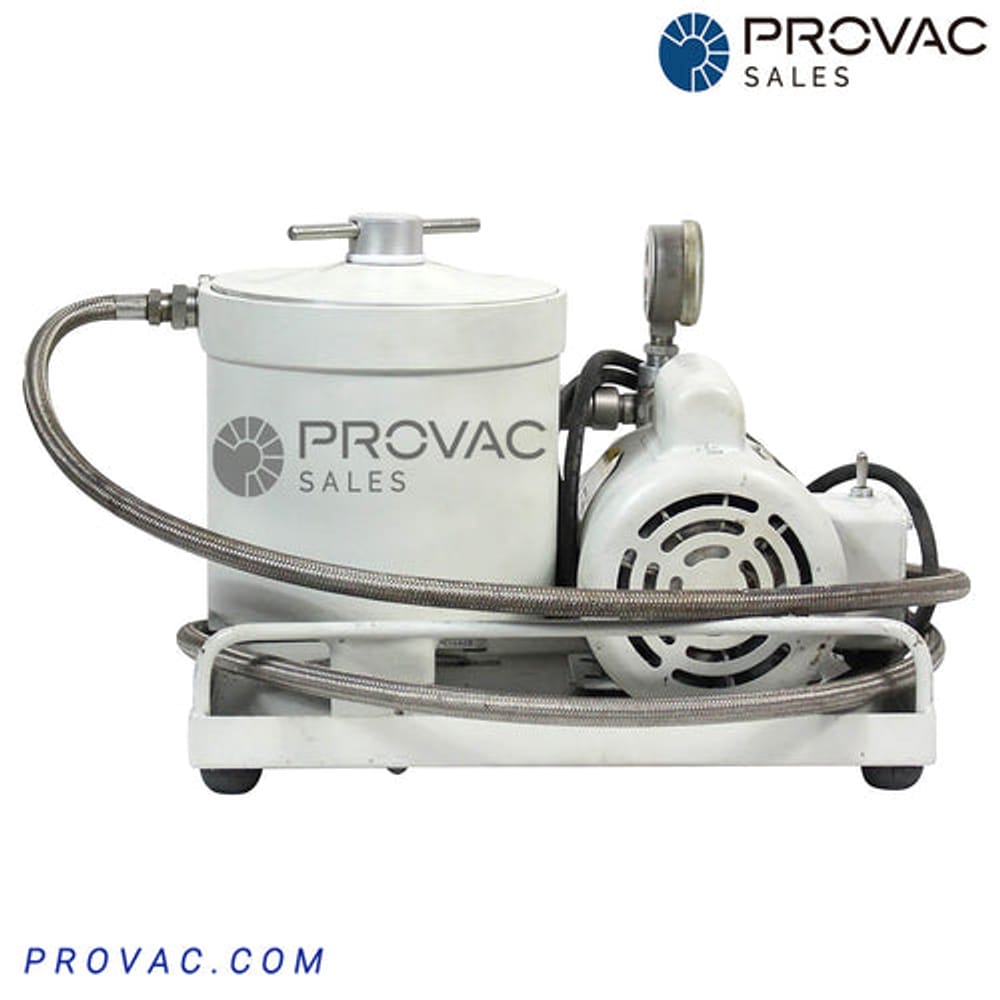
Leybold
Leybold OF-1000 Oil Filtration System, 1 Canister, Rebuilt
$ 1,514.00
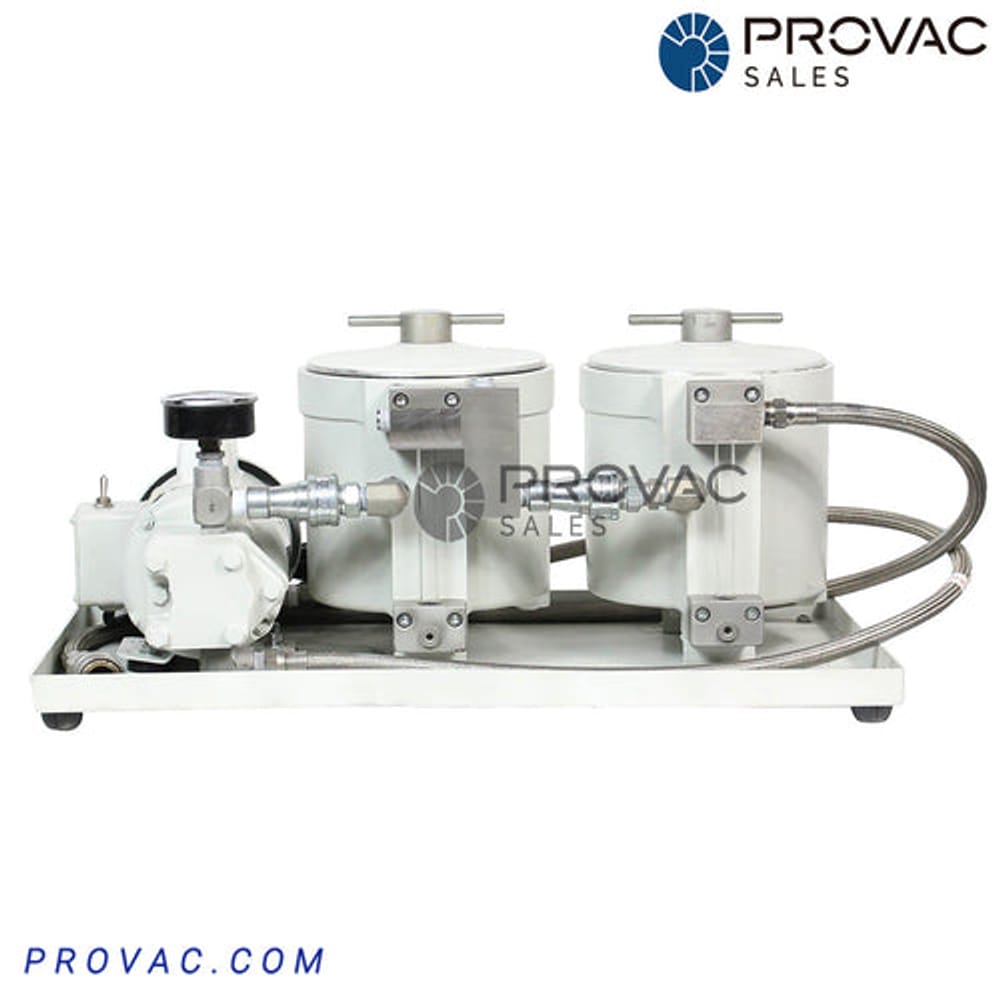
Leybold
Leybold OF-1000 Oil Filtration System, 2 Canisters, Rebuilt
$ 2,055.00
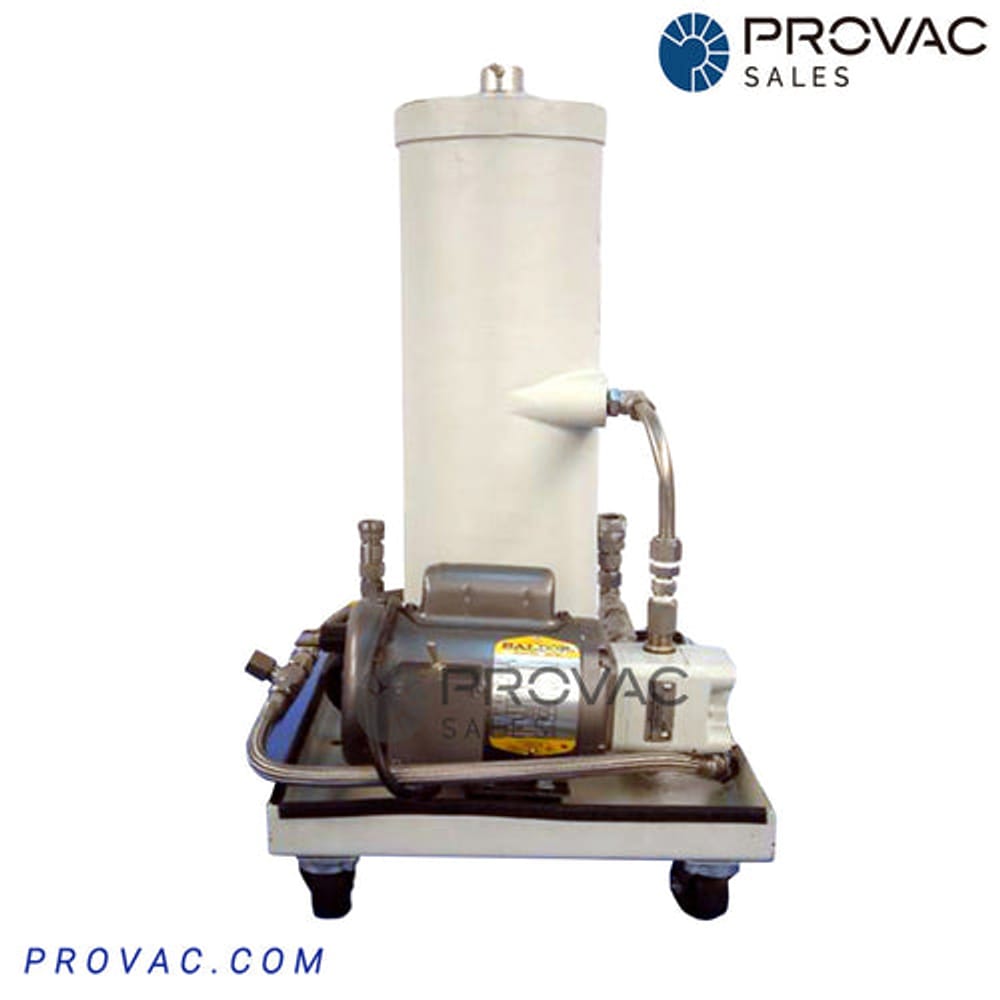
Leybold
Leybold OF-3000 Oil Filtration System, Rebuilt
Contact us for pricing
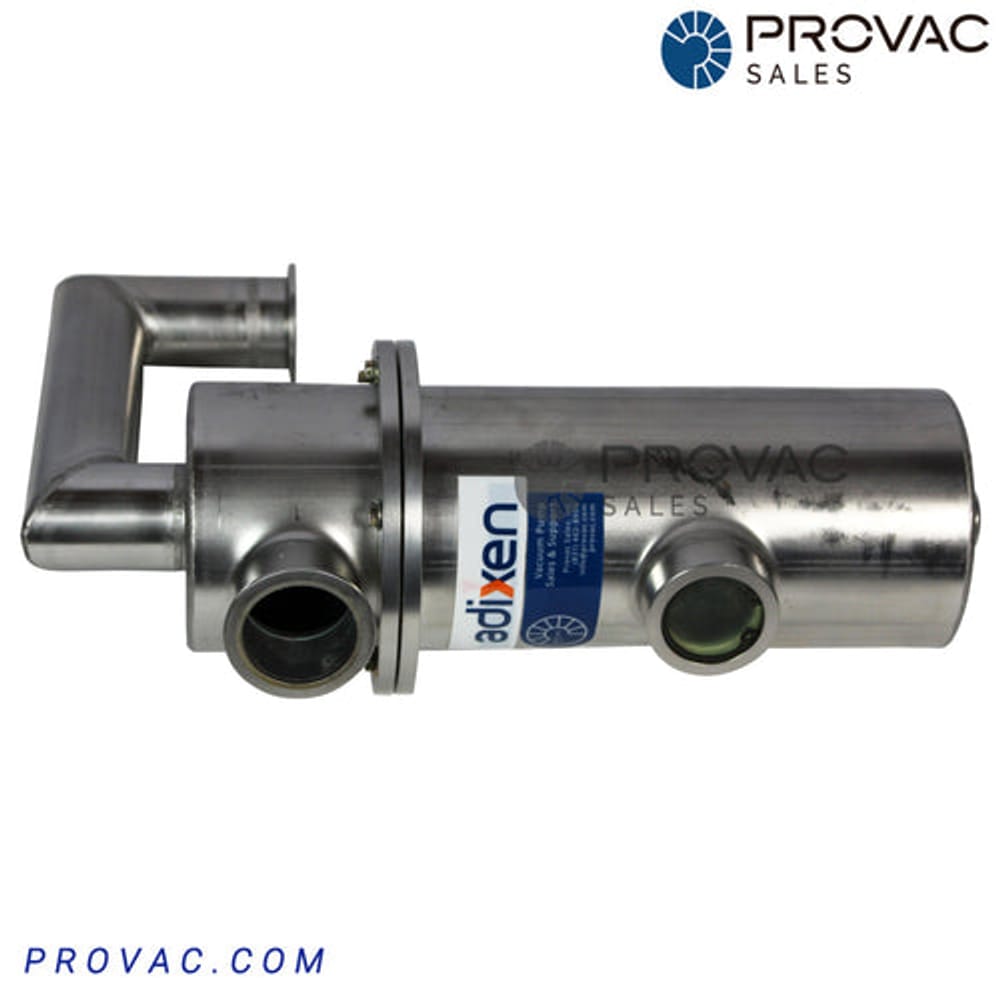
Alcatel
Alcatel OME 40 C2 Oil Filtration Unit, Rebuilt
$ 1,622.00
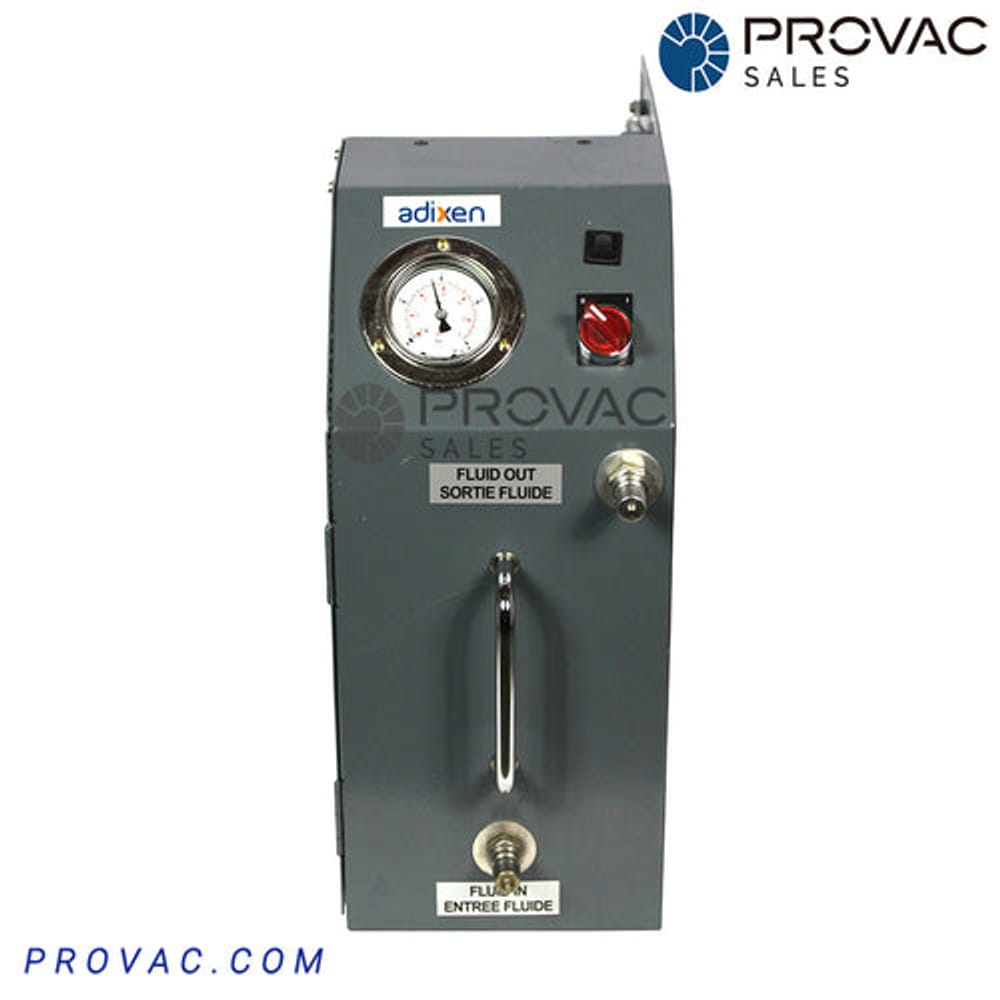
Alcatel
Alcatel External Oil Filter DE1, Rebuilt
$ 2,704.00
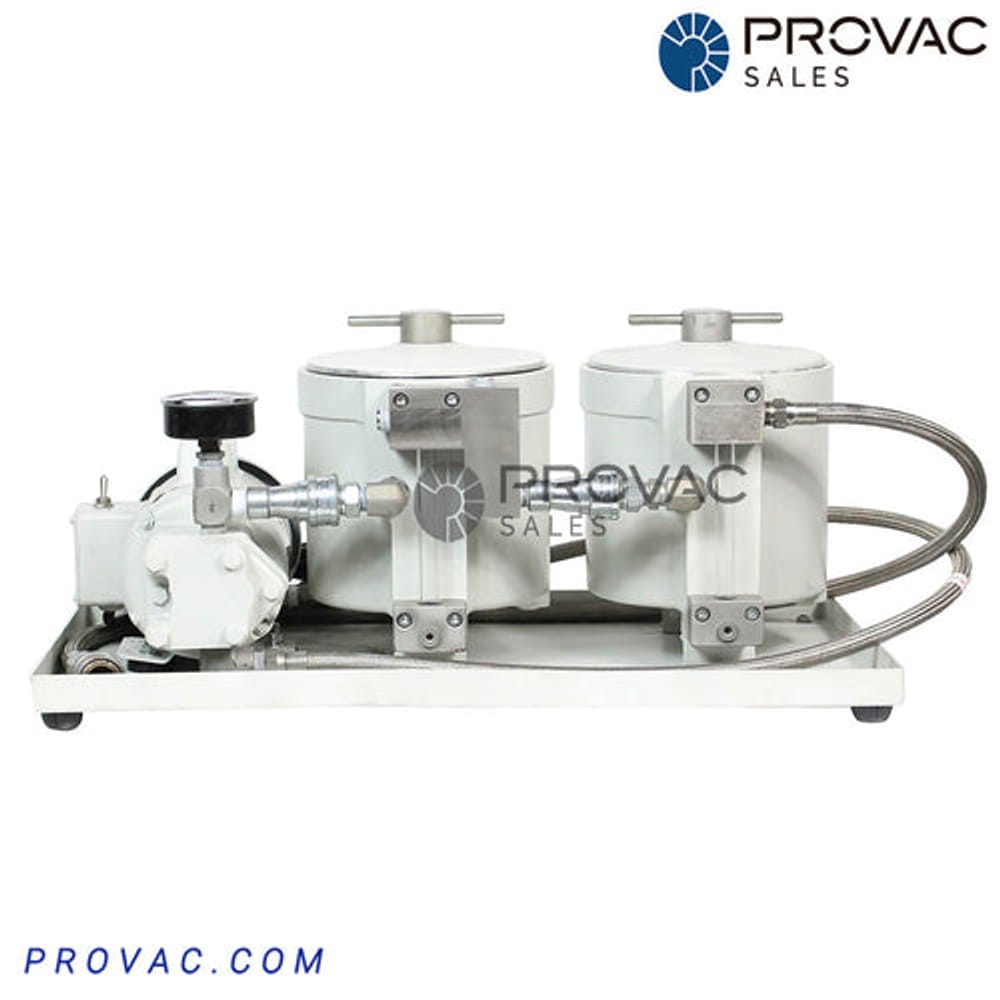
Leybold
Leybold OF-1000 Oil Filtration System, 2 Canisters
$ 5,500.00
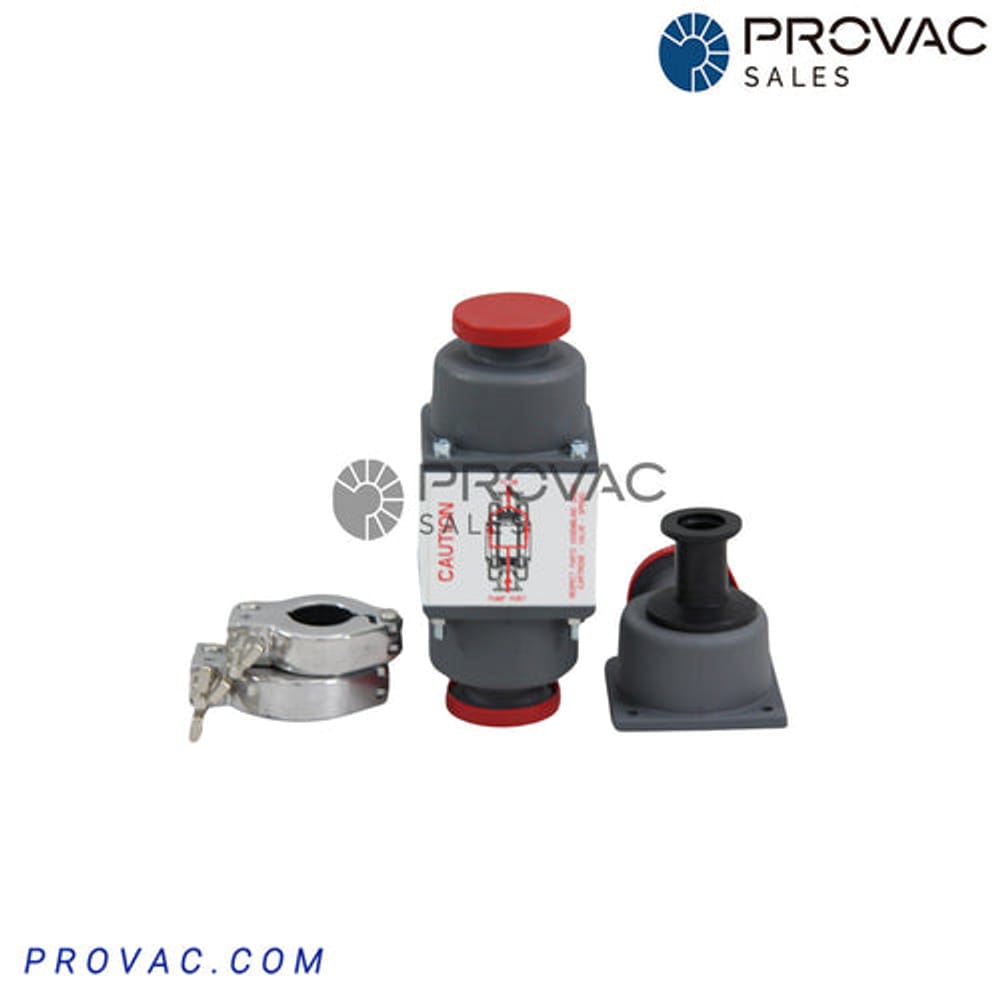
Pfeiffer, Adixen, and Alcatels
Pfeiffer ES 25 S External Silencer
$ 250.00
Oil Filtration System
Oil filtration systems play a crucial role in maintaining the quality and performance of various industrial processes. These systems remove contaminants from oils used in machinery, hydraulic systems, and other applications, extending equipment life and improving operational efficiency. From simple portable units to complex industrial-scale installations, oil filtration technology has evolved to meet the diverse needs of modern industries.
Types of Oil Filtration Systems
Portable Oil Filtration Units
Portable oil filtration units offer flexibility and convenience for smaller operations or occasional use. These compact systems, such as the Alcatel OME 40 C2 oil filtration unit, are ideal for on-site maintenance and can be easily moved between different pieces of equipment.
Stationary Oil Filtration Systems
For continuous operation in larger facilities, stationary oil filtration systems provide consistent and high-volume filtration. The Leybold OF 3000 oil filtration system is an example of a robust, industrial-grade solution designed for demanding environments.
Vacuum Pump Oil Filter Systems
Specialized oil filtration systems for vacuum pumps, like the Leybold OF 1000 oil filtration system, help maintain the performance and longevity of these critical components in various industrial processes. These systems are particularly important in preventing issues such as vacuum pumps spitting or discharging oil, which can lead to reduced efficiency and potential equipment damage.
Components of Oil Filtration Equipment
Filtration Pumps
Oil filtration pumps are the heart of any filtration system, circulating oil through the filtration media. These pumps are designed to handle a wide range of oil viscosities and flow rates.
Filter Elements
Filter elements come in various types, including:
- Mechanical filters
- Magnetic filters
- Coalescers
- Adsorption filters
The choice of filter element depends on the specific contaminants and the desired level of filtration.
Monitoring and Control Systems
Advanced oil filtration machines often incorporate sensors and control systems to monitor oil quality and adjust filtration parameters automatically.
Applications of Oil Filtration Technology
Industrial Machinery
Oil filtration systems are essential for maintaining hydraulic systems, gearboxes, and other oil-lubricated machinery in manufacturing plants.
Power Generation
In power plants, oil filtration units help maintain the quality of turbine oils and transformer oils, ensuring reliable operation of critical equipment.
Transportation
The transportation sector, including aviation, marine, and automotive industries, relies heavily on oil filtration to maintain engine performance and longevity.
Petroleum Filtration
In the oil and gas industry, petroleum filtration systems are used at various stages of production and refining to remove contaminants and improve product quality.
Oil Mist Filtration Systems
Oil mist filtration is a specialized application within oil filtration technology. These systems, such as the Edwards Atlas Copco MF 100 oil mist eliminator, are designed to capture and remove oil mist generated by machinery, improving air quality and workplace safety.
Benefits of Oil Mist Filtration
- Improved air quality in industrial environments
- Reduced fire and explosion risks
- Compliance with environmental regulations
- Recovery of valuable oil for reuse
Advancements in Oil Filtration Technology
Nanotechnology in Filtration
The use of nanomaterials in filter elements has led to more efficient and effective oil filtration, capable of removing even the smallest contaminants.
Smart Filtration Systems
Integration of IoT (Internet of Things) technology allows for real-time monitoring and predictive maintenance of oil filtration systems.
Sustainable Filtration Solutions
Development of eco-friendly filter materials and regenerative filtration processes contribute to more sustainable industrial practices.
Selecting the Right Oil Filtration System
When choosing an oil filtration system, consider the following factors:
- Type and volume of oil to be filtered
- Contaminants to be removed
- Required filtration efficiency
- Flow rate and pressure requirements
- Environmental conditions
- Budget constraints
It's also important to consider specific issues that may arise in your equipment, such as oil discharge in vacuum pumps, which can be addressed with appropriate filtration solutions.
Maintenance of Oil Filtration Equipment
Regular maintenance is crucial for the optimal performance of oil filtration systems:
- Regular inspection of filter elements
- Cleaning or replacement of filters as needed
- Monitoring of pump performance
- Calibration of sensors and control systems
- Proper disposal of used filter elements and contaminated oil
Cost Benefits of Implementing Oil Filtration Systems
Investing in quality oil filtration equipment can lead to significant cost savings:
- Extended equipment life
- Reduced downtime for maintenance
- Lower oil consumption and disposal costs
- Improved energy efficiency of machinery
- Compliance with environmental regulations, avoiding potential fines
Future Trends in Oil Filtration
The oil filtration industry continues to evolve, with several trends shaping its future:
- Integration of artificial intelligence for optimized filtration processes
- Development of multi-functional filtration systems
- Increased focus on biodegradable and environmentally friendly filtration media
- Miniaturization of filtration technology for new applications
Conclusion
Oil filtration systems are indispensable in maintaining the efficiency, reliability, and longevity of industrial equipment. From simple external oil filters to complex oil purification units, the range of available solutions caters to diverse industrial needs. As technology advances, oil filtration systems will continue to play a crucial role in enhancing industrial processes, reducing environmental impact, and improving overall operational efficiency. By investing in appropriate oil filtration technology, businesses can ensure cleaner operations, extended equipment life, and significant long-term cost savings while also addressing common issues like oil discharge in vacuum pumps.