
Pfeiffer Piston Pumps
Pfeiffer Piston Pumps
Pfeiffer dry piston pumps offer a clean, oil-free alternative to rotary vane and scroll pumps for laboratories, analytical instruments and high vacuum systems. Dry piston designs such as the XtraDry use pistons that run without oil in the pumping chamber, and they deliver a low ultimate pressure with very little maintenance and no risk of oil contaminating your process. At Provac Sales, we supply Pfeiffer XtraDry and UniDry piston pumps in new and rebuilt condition.
Pfeiffer Piston Pump Models We Carry
Our Pfeiffer piston pump collection includes:
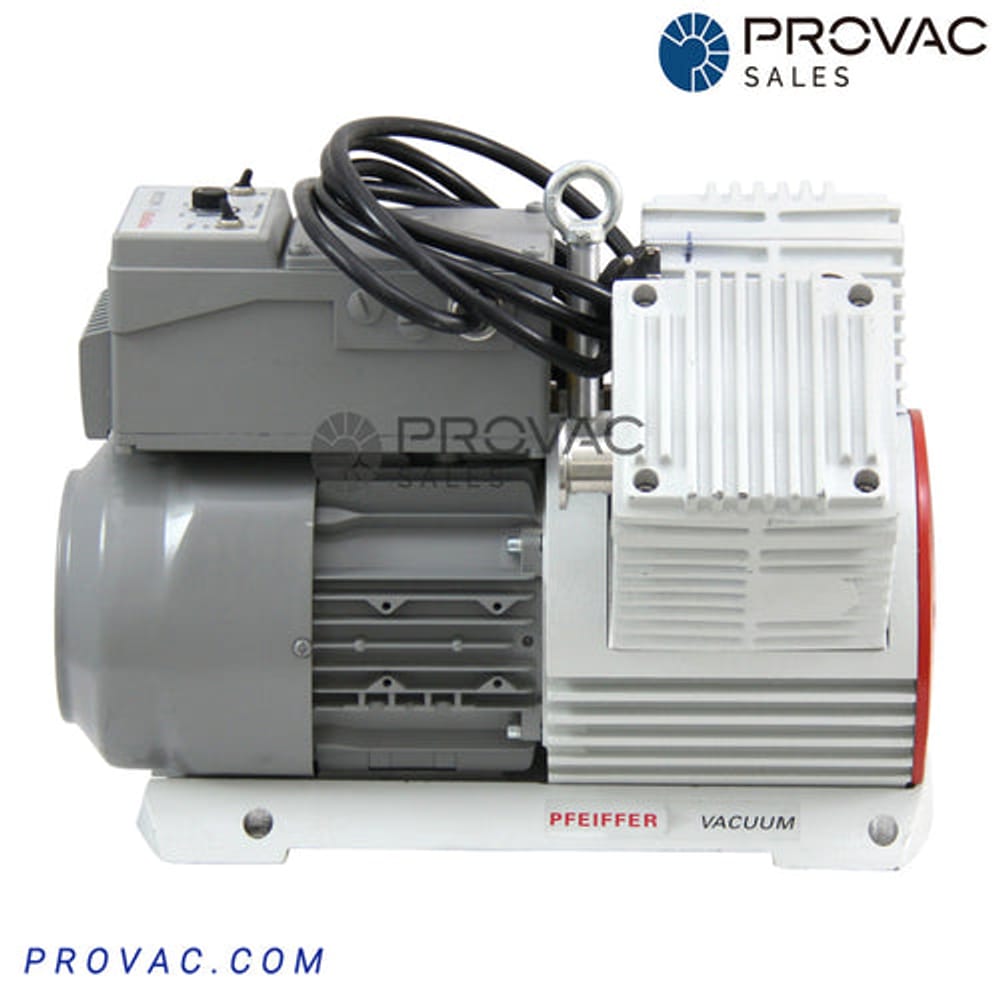
- Pfeiffer XtraDry 150-2 piston pump, rebuilt, a two-stage dry piston pump for clean vacuum and turbo backing
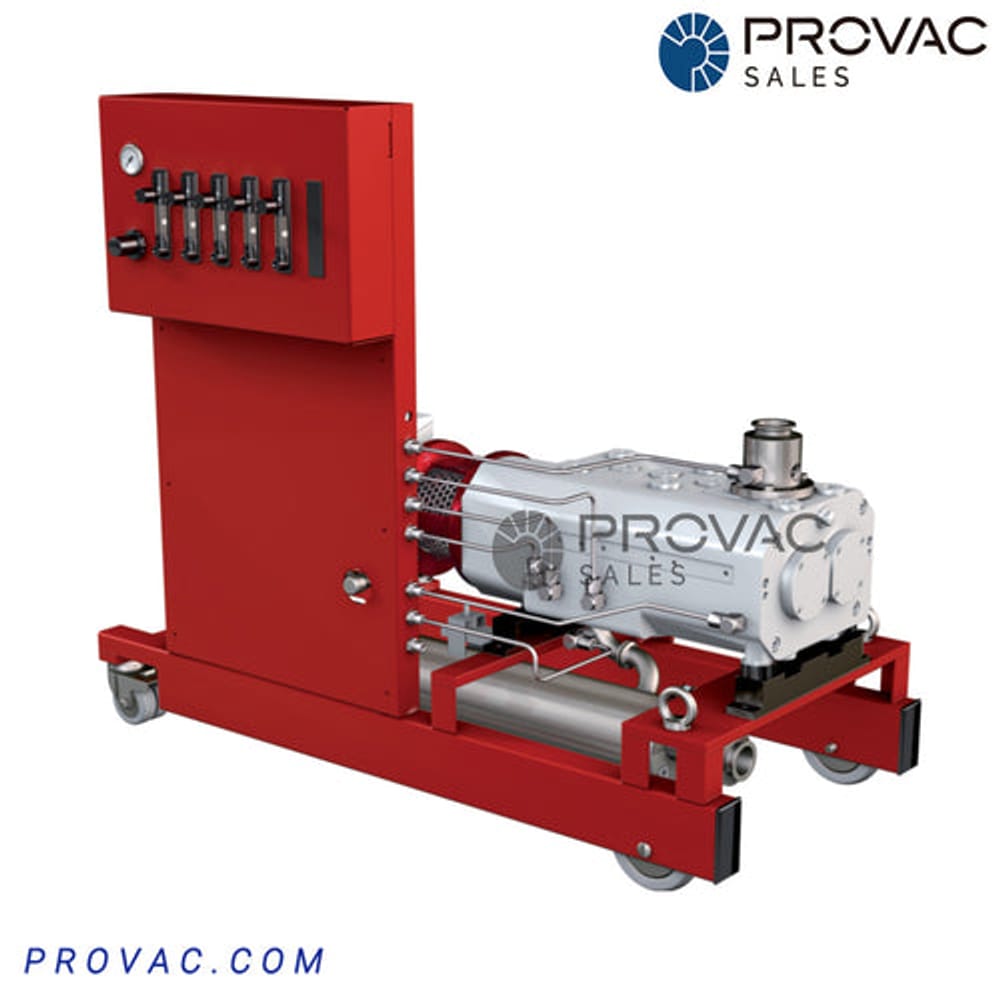
- Pfeiffer UniDry 50SM rotary piston pump; see its product page for the pumping mechanism and specifications
The XtraDry 150-2 rebuilt is listed with a price, while other models are priced on request. Product pages include technical data sheets where available.
How Dry Piston Pumps Work
A dry piston pump uses one or more pistons moving inside cylinders, with self-lubricating piston rings and seals instead of oil. On the intake stroke, gas is drawn into the cylinder. On the compression stroke, it is pushed out through valves to the next stage or to the exhaust. Two-stage designs, such as the XtraDry 150-2, connect stages in series to reach a lower ultimate pressure.
Because there is no oil in the pumping chamber and no sliding vane or scroll tip seal, a dry piston pump can run for long periods between services. The main wear items are the piston rings, seals and valves.
Why Choose a Pfeiffer Dry Piston Pump?
Dry piston pumps are chosen for several reasons:
- Completely oil-free pumping chamber, ideal for clean applications
- Low ultimate pressure for an oil-free roughing pump
- Long maintenance intervals and simple servicing
- Good tolerance for continuous operation
- Quiet running compared with many oil-sealed pumps
- No oil changes, exhaust mist or oil disposal
These advantages make piston pumps especially popular as backing pumps for turbo pumps in analytical instruments and surface science systems.
How to Choose a Pfeiffer Piston Pump
Consider these factors:
- Required pumping speed and chamber volume
- Ultimate pressure needed, especially for turbo backing
- Whether the pump will run continuously or cycle often
- Gases being pumped, since dry piston pumps are best suited to clean gases
- Electrical supply and motor type
- Inlet and exhaust connections
- Noise and vibration limits in the lab
- Space and weight constraints
Send us your application details and we will help you compare piston, scroll and diaphragm options.
Applications for Pfeiffer Piston Pumps
Pfeiffer XtraDry and UniDry pumps are used in:
- Backing Pfeiffer HiPace turbo pumps in research and analytical systems
- Mass spectrometers and electron microscopes
- Load locks and transfer chambers
- Surface science and thin film research
- Leak detection systems
- Clean laboratory vacuum where oil is not acceptable
- Pumping stations built around turbo pumps
Piston Pumps vs Scroll and Diaphragm Pumps
All three are oil-free, but they suit slightly different needs:
- A Pfeiffer HiScroll pump offers high speed, quiet running and a compact footprint, with tip seals as the main wear item
- A Pfeiffer MVP diaphragm pump is smaller and lower in cost, but reaches higher pressures and lower speed
- A Pfeiffer dry piston pump reaches a low ultimate pressure with long service intervals, which suits continuous turbo backing and clean systems
For heavy-duty industrial roughing with oil, an Edwards Stokes rotary piston pump is a very different machine, built for furnace and coating duty.
Maintenance Tips
Dry piston pumps need little routine attention, but these practices extend service life:
- Keep the inlet protected from dust and particles with an inlet filter
- Avoid pumping condensable vapors without a trap, since liquid can damage rings and valves
- Give the pump clear airflow to prevent overheating
- Watch for rising ultimate pressure, slower pump-down or new noises
- Replace piston rings, seals and valves using the correct maintenance kit when performance drops
- Record baseline performance when the pump is new or freshly serviced
Maintenance kits for the XtraDry 150-2 and related models can be sourced on request.
New vs Rebuilt Pfeiffer Piston Pumps
A rebuilt XtraDry 150-2 is an economical way to replace a worn pump in an existing station or instrument, keeping the same footprint and connections. New pumps suit new systems and users who want factory-new equipment. Each listing and quotation confirms the condition and warranty.
Service and Evaluation
If your Pfeiffer piston pump is losing performance, contact us with the model, part number and symptoms. We will review whether a service kit, a rebuild or a rebuilt replacement is the best option. Submit an RMA request and complete the contamination data sheet before shipping. Learn more on our pump repair page.
What to Send Us for a Fast Quote
To help us respond quickly, please include:
- The pump model and part number from the rating plate
- Voltage and frequency
- Whether you need new or rebuilt
- The turbo pump or instrument it will back
- Your target pressure and the gases being pumped
- Photos of the rating plate and connections
About Pfeiffer Vacuum
Pfeiffer Vacuum was founded in 1890 in Wetzlar, Germany, and is known as a pioneer of turbomolecular pump technology. In 2010 the company acquired Adixen, the former Alcatel Vacuum Technology business, which is why many Alcatel and Adixen designs now carry the Pfeiffer name. Pfeiffer's dry piston pumps extend that oil-free portfolio for users who want long service intervals and clean backing vacuum.
Is a Dry Piston Pump Right for Your Lab?
A dry piston pump makes the most sense when you need clean vacuum, a low ultimate pressure from an oil-free pump and long periods between maintenance, such as continuous turbo backing on an instrument that runs around the clock. If your work involves frequent solvent loads, a chemically resistant diaphragm pump may suit better. If you need very high speed in a small footprint, a HiScroll may be the stronger option. We are happy to talk through the trade-offs for your system.
Frequently Asked Questions
Is the XtraDry 150-2 suitable for backing a turbo pump?
Yes. The XtraDry 150-2 is often used to back turbo pumps in clean high vacuum systems. Confirm that its ultimate pressure and speed meet your turbo pump's backing requirements.
Do dry piston pumps need oil?
No. The pumping chamber is completely oil-free. Bearings are sealed and do not need regular oiling.
How long do piston rings last?
It depends on run hours and conditions. Clean, continuous applications can run for long periods between services, while dusty or vapor-heavy applications shorten ring life.
Can a dry piston pump handle solvent vapors?
Dry piston pumps are best for clean gases. For solvent-heavy work, use a trap or choose a chemically resistant pump such as an MVP C version diaphragm pump.
Request a Quote on Pfeiffer Piston Pumps
Send us the model you need, or describe your application, target pressure and electrical supply. We will confirm availability and recommend the right Pfeiffer piston pump. Contact us or call 831-462-8900.