
Pfeiffer Pumping Stations
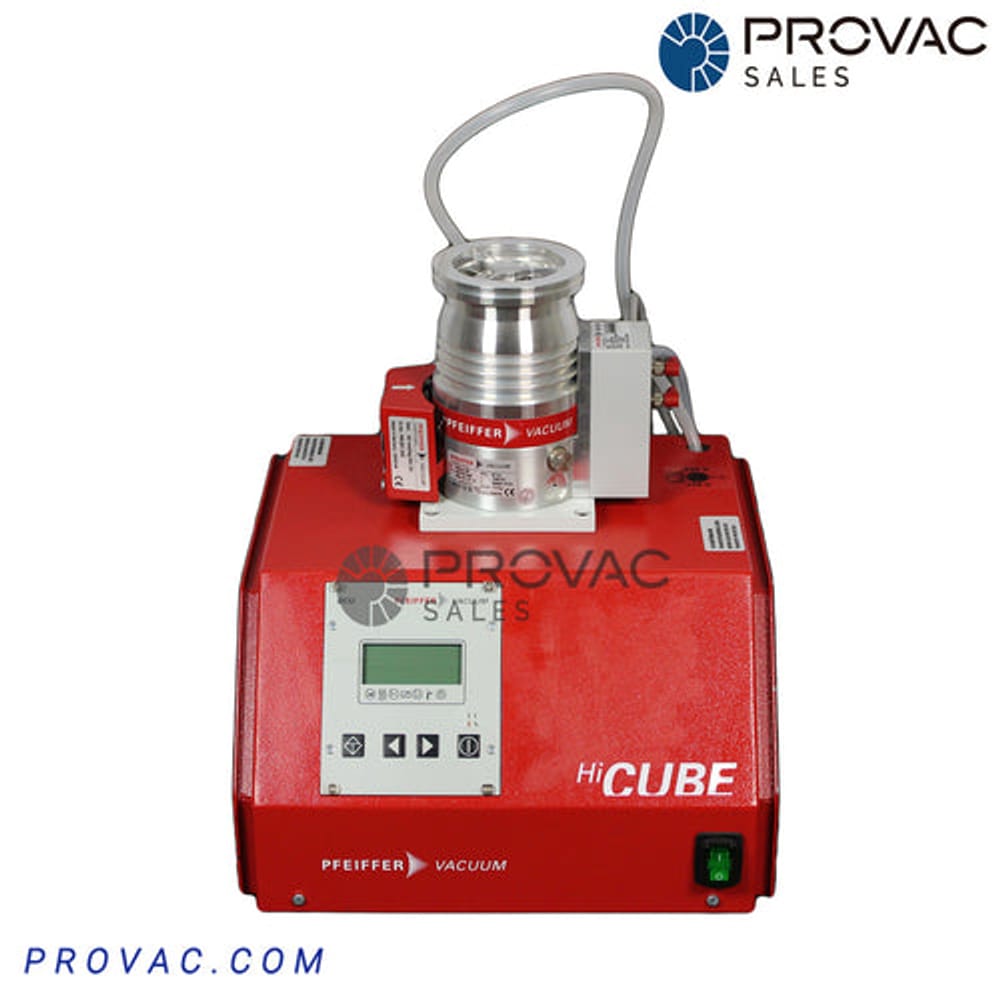
Pfeiffer
Pfeiffer HiCube 80 Eco Pumping Station, Rebuilt
Contact us for pricing
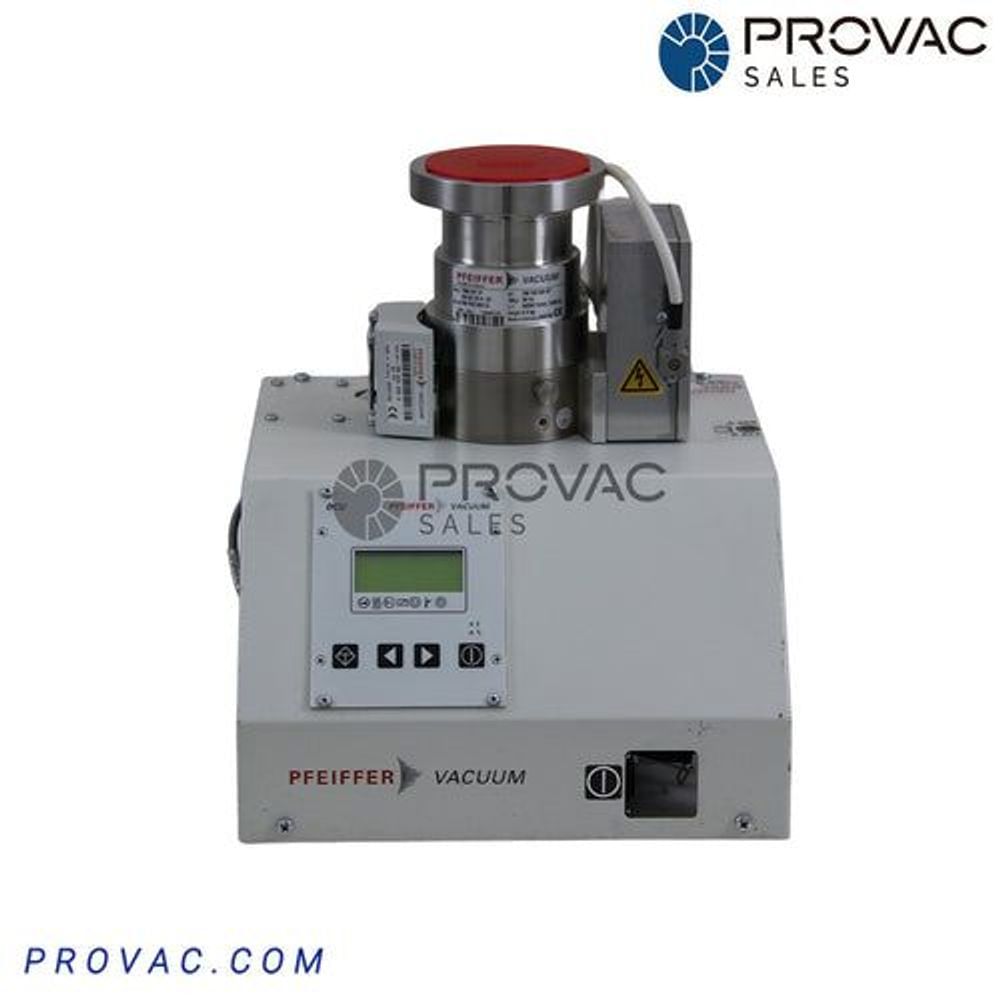
Pfeiffer
Pfeiffer TSU-071E Pumping Station, Rebuilt
$ 8,328.00

Pfeiffer
Pfeiffer HiCube 80 Eco Pumping Station Package
$ 7,875.00

Pfeiffer
Pfeiffer HiCube 30 Eco Pumping Station
Contact us for pricing

Pfeiffer
Pfeiffer HiCube 700H Pro Pumping Station
Contact us for pricing

Pfeiffer
Pfeiffer HiCube 300H Pro Pumping Station
Contact us for pricing

Pfeiffer
Pfeiffer HiCube 700 Pro Pumping Station
Contact us for pricing

Pfeiffer
Pfeiffer HiCube 400 Pro Pumping Station
Contact us for pricing

Pfeiffer
Pfeiffer HiCube 300 Pro Pumping Station
Contact us for pricing

Pfeiffer
Pfeiffer HiCube 80 Pro Pumping Station
$ 25,500.00

Pfeiffer
Pfeiffer HiCube 700H Classic Pumping Station
Contact us for pricing

Pfeiffer
Pfeiffer HiCube 300H Classic Pumping Station
Contact us for pricing
Pfeiffer Pumping Stations
A Pfeiffer pumping station combines a turbo pump, a backing pump, the electronics and the connections into one ready-to-run unit. Instead of matching each component yourself, you connect the station to your chamber and start pumping. Pfeiffer HiCube stations are widely used in labs, universities and instrument test benches for their compact design and reliable HiPace turbo pumps. At Provac Sales, we supply new and rebuilt Pfeiffer pumping stations and repair the HiCube series in house.
Pfeiffer Pumping Station Models We Carry
Our Pfeiffer pumping station listings include:
- Pfeiffer HiCube 80 Eco pumping station, rebuilt, a compact station with a HiPace 80 turbo pump and an oil-free diaphragm backing pump
- Pfeiffer TSU-071 pumping station, rebuilt, a turbo station based on an earlier-generation Pfeiffer turbo pump
If you need a HiCube configuration we do not list, contact us and we will check sourcing options.
Configurations vary by inlet flange, turbo size and backing pump. Check each listing for the exact components, or ask us to confirm before ordering.
HiCube Eco vs HiCube Pro
Pfeiffer builds two main HiCube families. Our current listings are HiCube Eco based, but the comparison helps when you are planning a system:
- HiCube Eco stations are compact, cost-effective systems that typically pair a HiPace turbo pump with an MVP diaphragm backing pump. They are ideal for clean, oil-free general lab use.
- HiCube Pro stations are larger, more configurable systems that can use bigger HiPace turbo pumps and a choice of backing pumps, including DUO rotary vane pumps, HiScroll pumps or dry pumps. They also support gauges, venting and other accessories.
The number in a HiCube name, such as 80, 300 or 700, refers to the HiPace turbo pump size.
Why Choose a Complete Pumping Station?
A complete station saves time and reduces risk:
- Matched turbo pump, backing pump and electronics designed to work together
- Fast setup with minimal plumbing and wiring
- Integrated controls for start-up, venting and protection
- Compact footprint for benches, carts and test racks
- Repeatable performance from system to system
For researchers and technicians who need high vacuum quickly, a station is usually the simplest solution.
How to Choose a Pfeiffer Pumping Station
Consider these factors:
- Chamber volume and target base pressure
- Required pumping speed, which depends on the HiPace turbo size
- Inlet flange type, such as DN 40 ISO-KF, DN 63 ISO-K or DN 63 CF-F
- Whether the system must be completely oil-free
- Gas loads and any process gases
- Need for gauges, vent valves or heating
- Electrical supply and available space
- Whether the station will be fixed or moved between systems
Send us your chamber and application details and we will recommend a configuration.
Applications for Pfeiffer Pumping Stations
Pfeiffer HiCube stations are used for:
- Evacuating research chambers and small vacuum systems
- Backing and testing analytical instruments
- Electron microscopy sample preparation
- Leak testing and vacuum component testing
- Thin film and surface science research
- University teaching labs
- Pumping cryostats, dewars and insulation vacuum spaces
Setting Up a Pfeiffer Station
A careful first setup helps avoid problems later:
- Remove inlet covers and shipping restraints before first use
- Fit an inlet screen and use a clean, new seal on the chamber flange
- Leave clear space for cooling air around the turbo pump and electronics
- Connect the vent valve to dry nitrogen where possible
- Check the backing pump before the first start, including oil level on wet versions
- Run a first pump-down with an empty chamber and record the baseline pressure and time
Recording the baseline makes it easier to spot leaks, contamination or backing pump wear later.
Operating Tips
- Allow the turbo to reach full speed before introducing process gas
- Avoid sudden air inrush to a spinning turbo pump
- Keep chambers and seals clean and dry
- Service the backing pump on schedule
- Use the station's display or software to monitor turbo speed and temperature
New vs Rebuilt Pfeiffer Stations
New HiCube stations suit new labs and users who want current-production equipment. Rebuilt stations, such as the rebuilt HiCube 80 Eco and TSU-071, can be an economical option for teaching labs, secondary systems or maintenance use. Each listing and quotation confirms the condition, included components and warranty.
Pfeiffer HiCube Repair Service
Provac Sales repairs Pfeiffer HiCube series pumping stations. Because a station combines several components, we can evaluate the turbo pump, backing pump and electronics together. We also repair Pfeiffer HiPace turbo pumps, MVP diaphragm pumps and DUO vane pumps used in many stations.
Submit an RMA request and complete the contamination data sheet before shipping. See our pump repair page for more.
About Pfeiffer Vacuum
Pfeiffer Vacuum was founded in 1890 in Wetzlar, Germany, and is known as a pioneer of turbomolecular pump technology. In 2010 the company acquired Adixen, the former Alcatel Vacuum Technology business, which is why many Alcatel and Adixen designs now carry the Pfeiffer name. The HiCube stations package Pfeiffer's HiPace turbo pumps with matched backing pumps and electronics, building on that turbo pump heritage.
Choosing a Backing Pump for Your HiCube
The backing pump shapes how a HiCube station performs and how much maintenance it needs. A diaphragm pump keeps the station completely oil-free and very quiet, ideal for clean labs and small chambers. A HiScroll adds speed and lower backing pressure while staying oil-free. A DUO rotary vane pump gives the lowest backing pressure at the lowest cost, at the price of oil maintenance. Tell us your chamber size and application and we will recommend the right combination.
Building a Custom System
If a standard station does not suit your chamber, we can help you build a system from separate components:
- Pfeiffer turbo pumps, including HiPace models
- Pfeiffer turbo pump controllers
- Pfeiffer accessories, including cooling units and vent valves
Frequently Asked Questions
What turbo pump is in the HiCube 80 Eco?
The HiCube 80 Eco uses a HiPace 80 turbo pump, typically backed by an MVP diaphragm pump. Check the listing for the exact configuration.
Is the HiCube Eco oil-free?
Yes, when backed by a diaphragm pump, the HiCube Eco is a completely oil-free station.
Can I add a gauge to a HiCube station?
Many HiCube stations support active gauges through the electronics. Confirm the station model and gauge type before ordering.
How long does a HiCube take to reach high vacuum?
It depends on chamber size, cleanliness and seals. A small, clean chamber can reach high vacuum quickly, while larger systems take longer.
What is the difference between the TSU-071 and a HiCube?
The TSU-071 is an earlier-generation Pfeiffer turbo station built around an older turbo pump and controller. HiCube stations use current HiPace turbo pumps with attached electronics. A rebuilt TSU-071 can be an economical option where it suits the application.
Can I move a HiCube between systems?
Yes. HiCube stations are compact and many users move them between chambers. Always stop the turbo fully and vent correctly before disconnecting, and use clean seals each time you reconnect.
Request a Quote on Pfeiffer Pumping Stations
Send us the station model, or describe your chamber size, target pressure, inlet flange and voltage. We will confirm availability or quote a repair of your existing HiCube. Contact us or call 831-462-8900.