
Piston Pumps
Piston pumps are a type of positive displacement pump that use reciprocating pistons to move fluids. These pumps are known for their ability to generate high pressures and handle a wide range of...
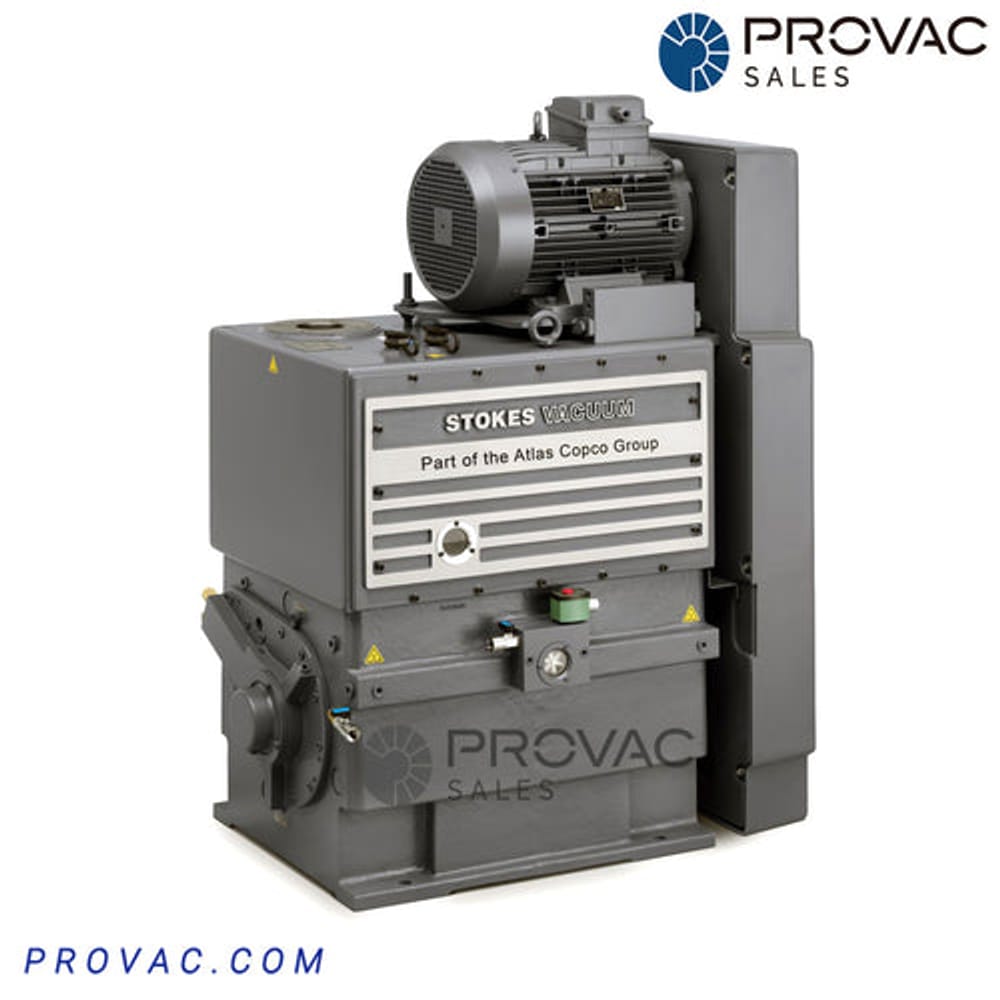
Atlas Copco
Atlas Copco GLS 250 Piston Pump
Contact us for pricing
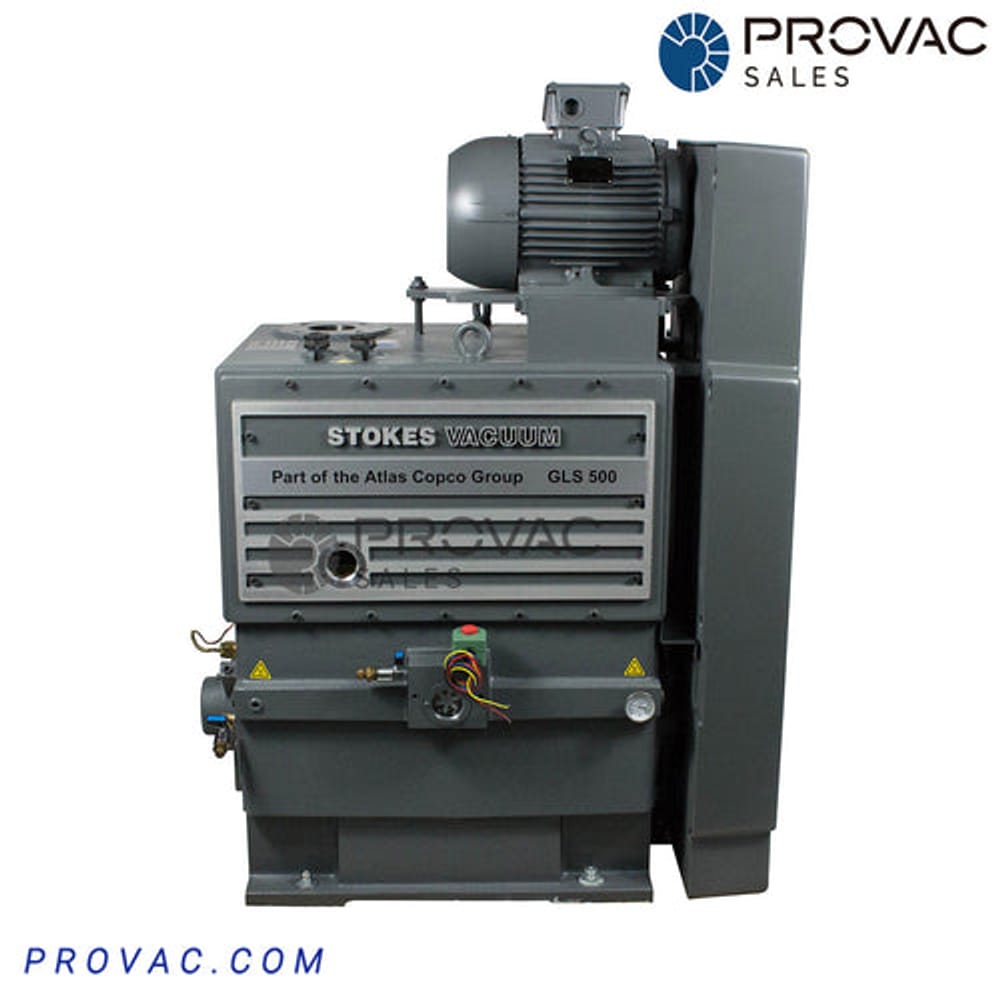
Atlas Copco
Atlas Copco GLS 500 Piston Pump
$ 29,500.00
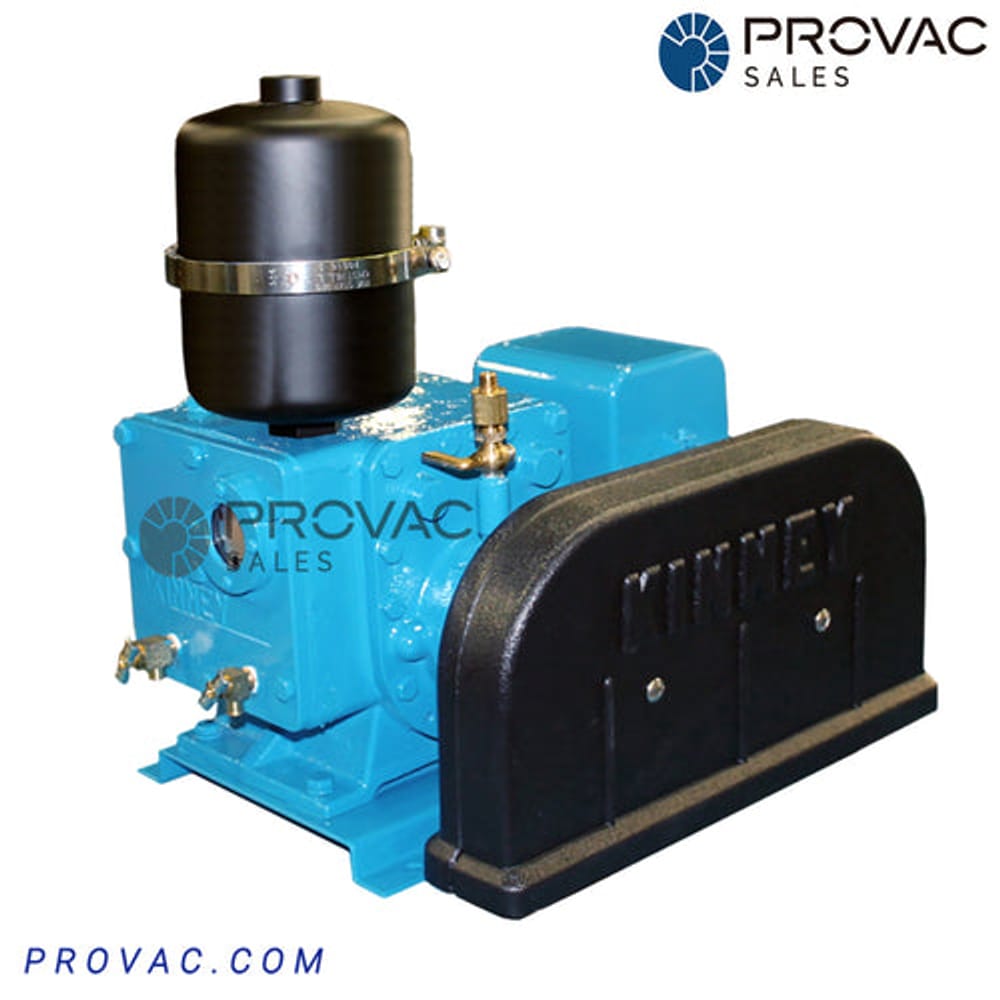
MD-Kinney
Kinney KC 5 Rotary Piston Pump
Contact us for pricing
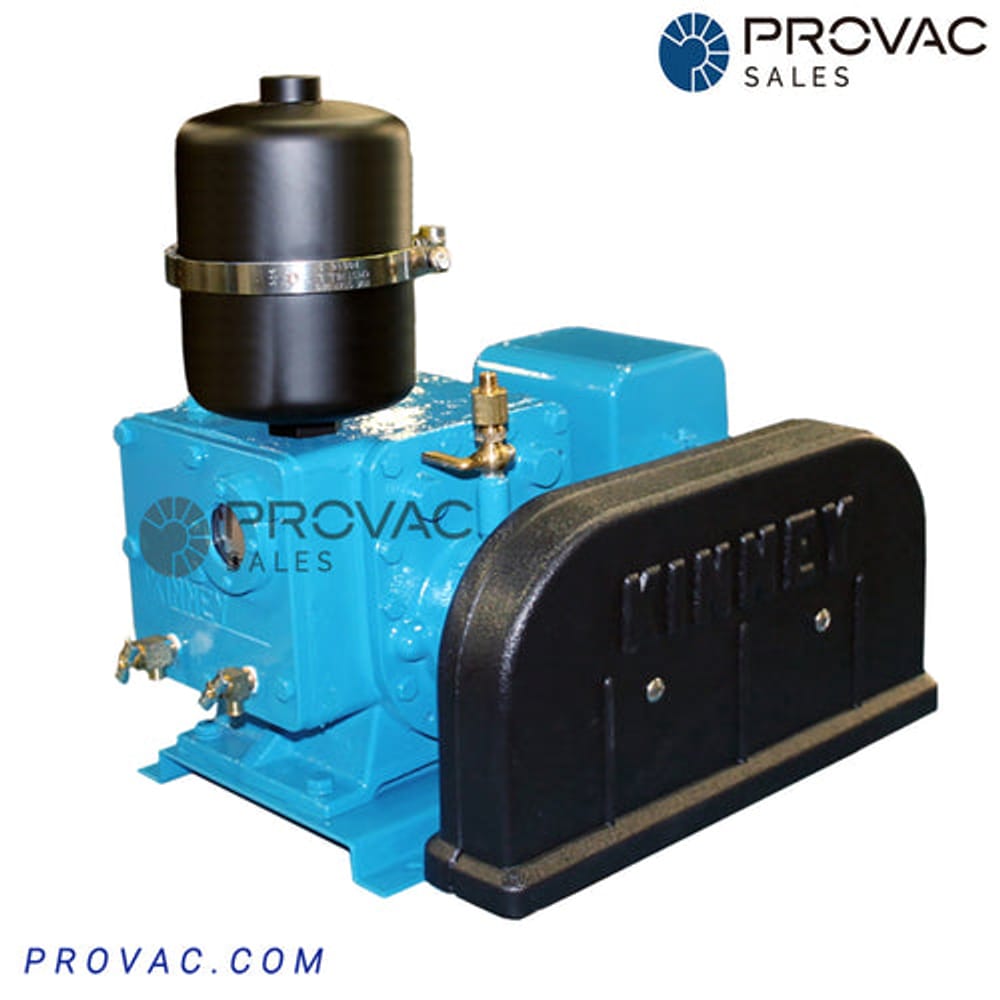
MD-Kinney
Kinney KC 8 Rotary Piston Pump
Contact us for pricing
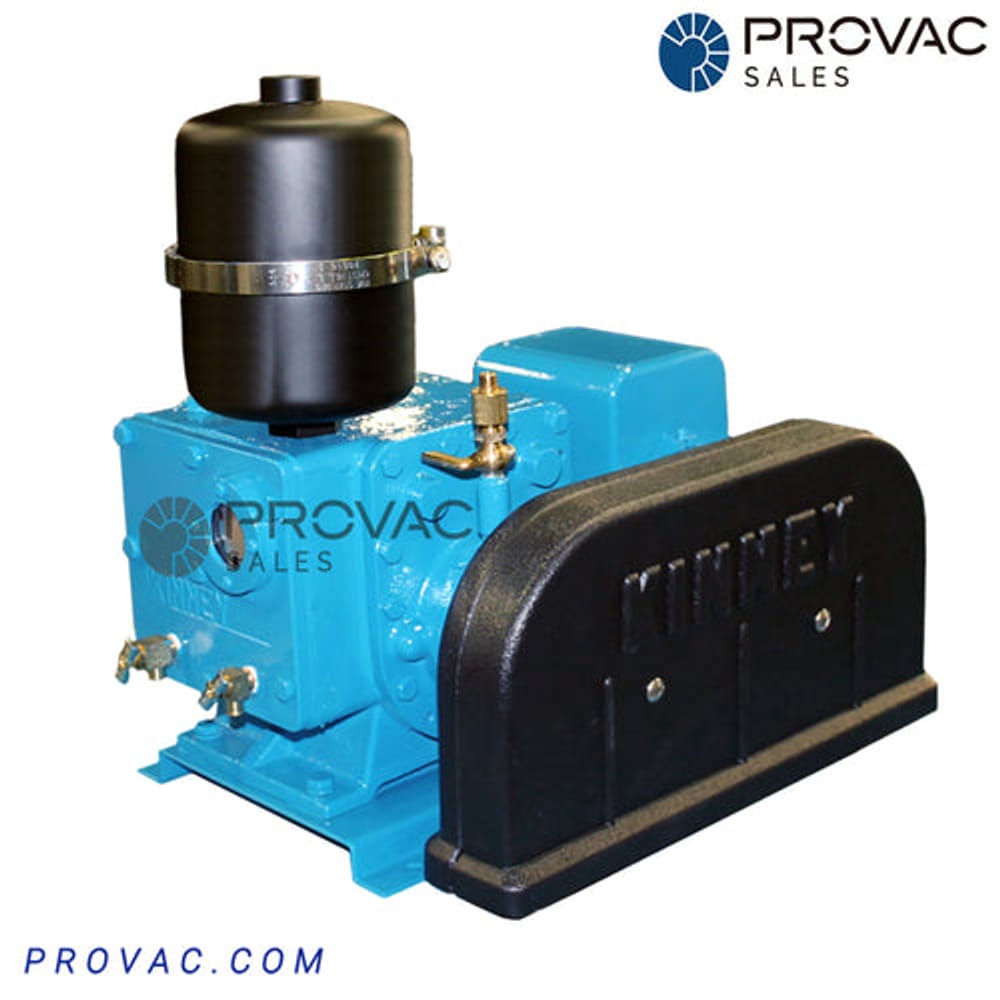
MD-Kinney
Kinney KC 15 Rotary Piston Pump
Contact us for pricing
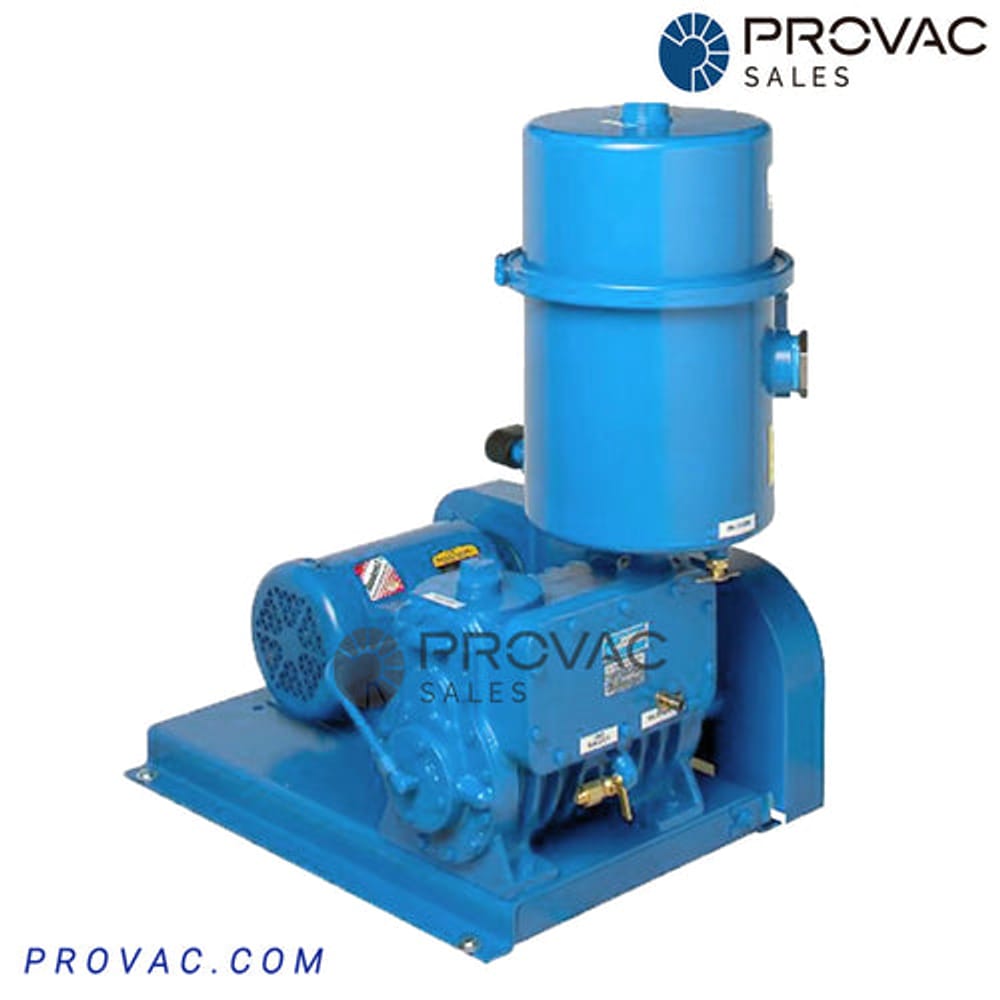
MD-Kinney
Kinney KD 30 Rotary Piston Pump
Contact us for pricing
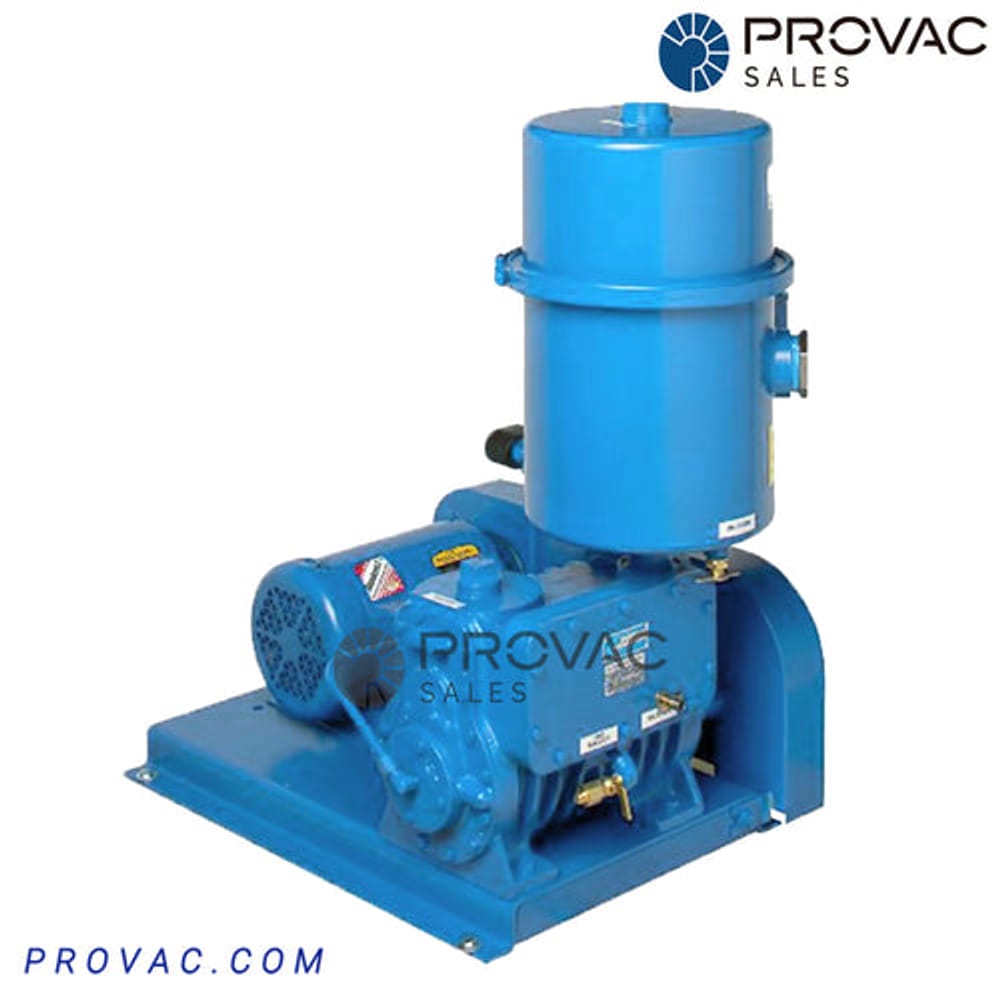
MD-Kinney
Kinney KD 50 Rotary Piston Pump
Contact us for pricing
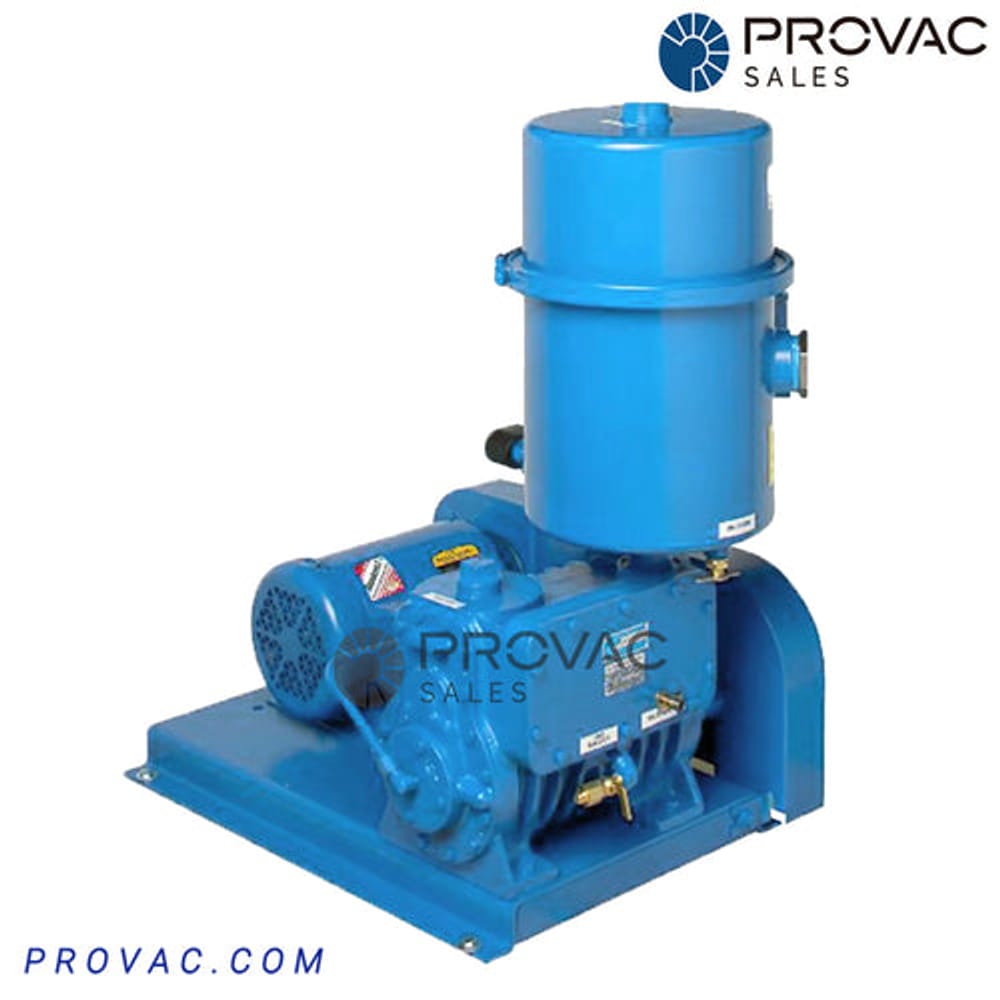
MD-Kinney
Kinney KDH 130 Rotary Piston Pump
Contact us for pricing
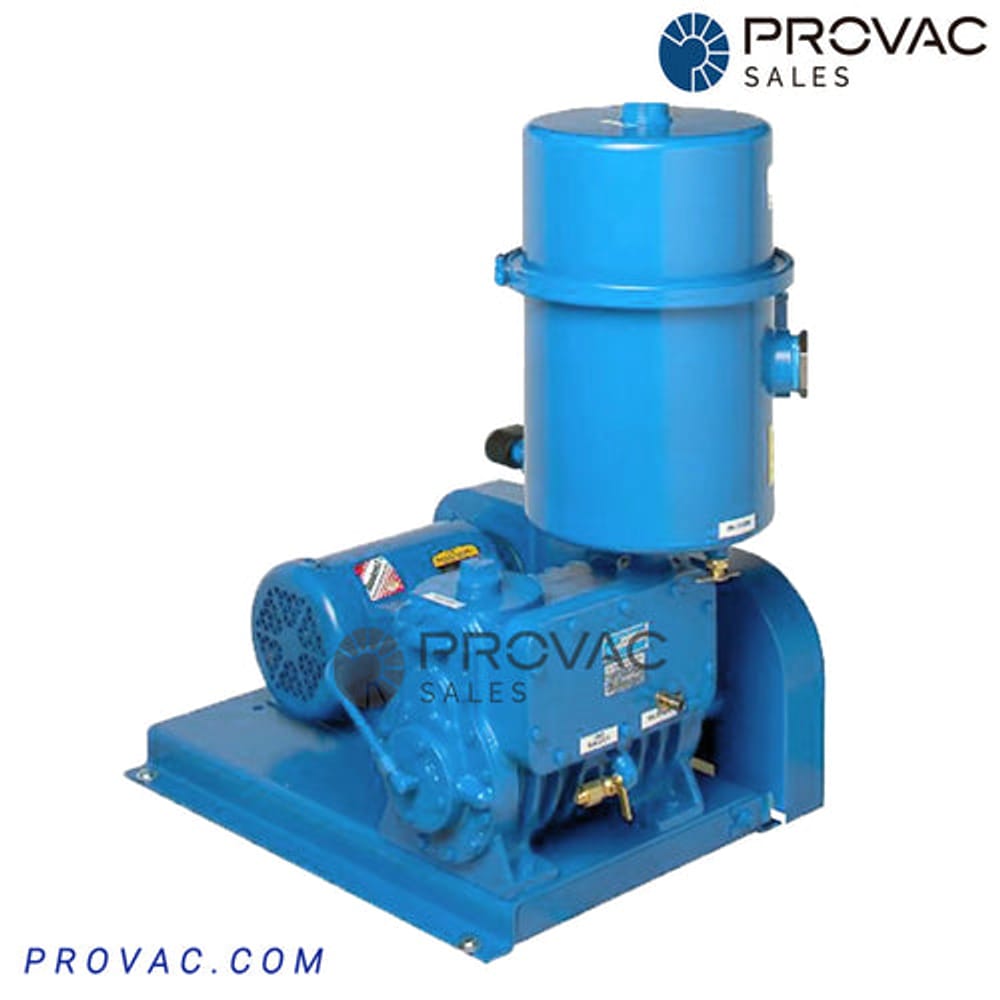
MD-Kinney
Kinney KDH 150 Rotary Piston Pump
Contact us for pricing
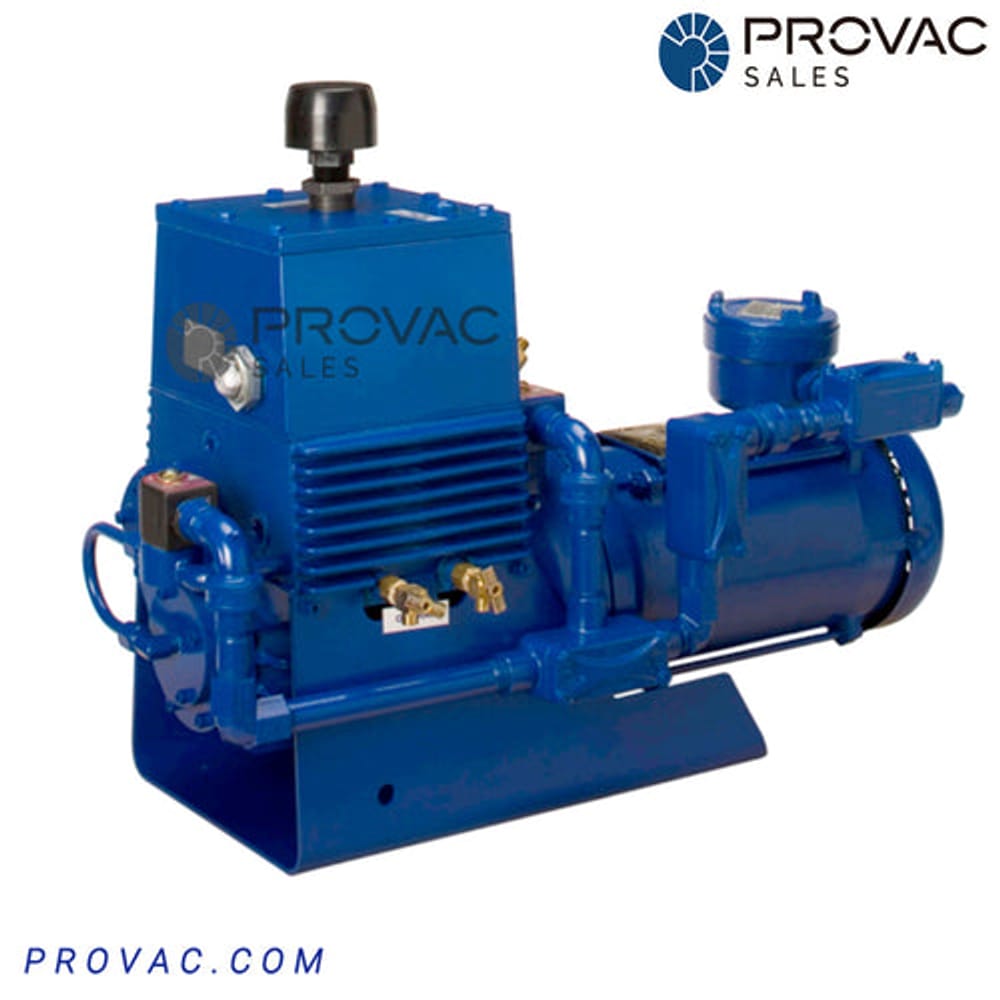
MD-Kinney
Kinney KTC 21 Rotary Piston Vacuum Pump
Contact us for pricing
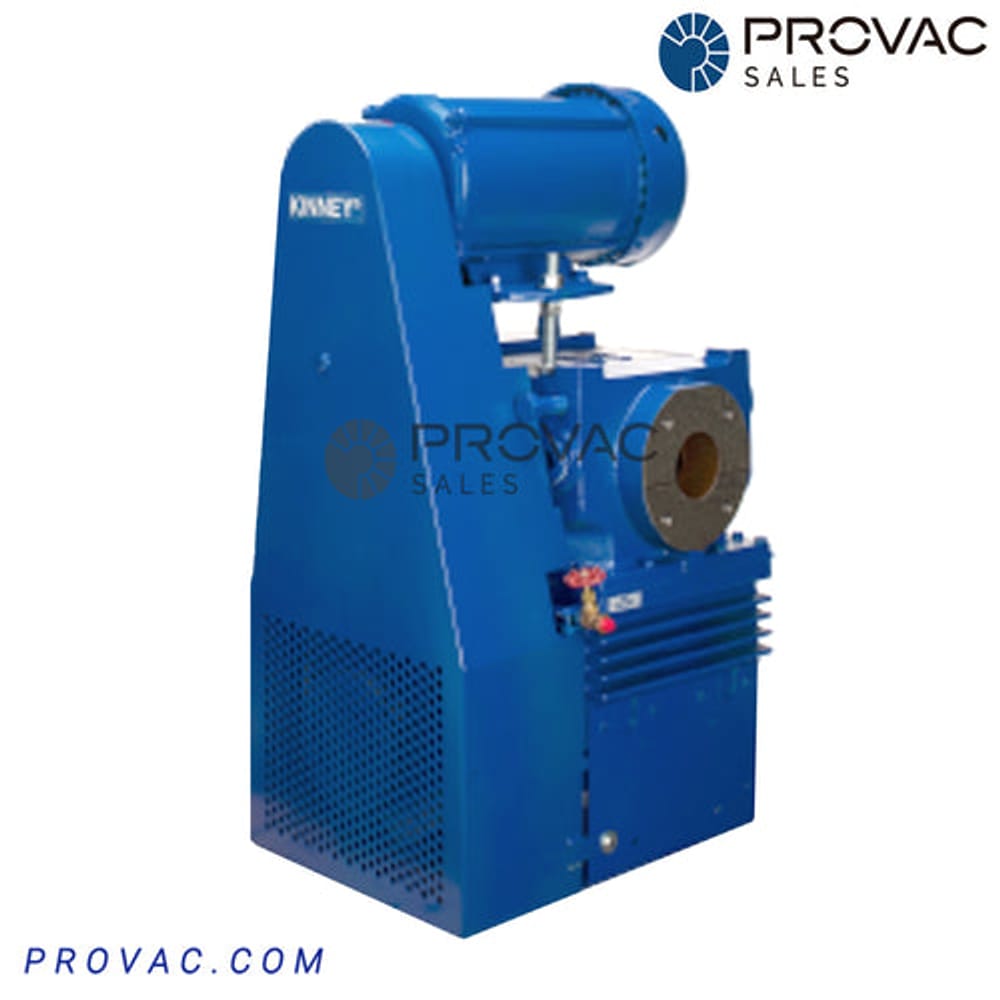
MD-Kinney
Kinney KTC 60 Rotary Piston Vacuum Pump
Contact us for pricing
MD-Kinney
Kinney KTC 112 Rotary Piston Vacuum Pump
Contact us for pricing
Piston Pumps
Piston pumps are a type of positive displacement pump that use reciprocating pistons to move fluids. These pumps are known for their ability to generate high pressures and handle a wide range of fluids, making them essential in various industrial applications. From water pumping to vacuum generation, piston pumps offer reliable and efficient performance across diverse sectors.
Types of Piston Pumps
Single Piston Pump
A single piston pump consists of one piston moving back and forth within a cylinder. These pumps are simple in design and suitable for low to medium flow rate applications.
Multi-Piston Pumps
Multi-piston pumps, such as the Edwards 612J piston pump, use multiple pistons to increase flow rate and provide smoother output. They are commonly used in high-pressure and high-volume applications.
Rotary Piston Pumps
Rotary piston pumps combine rotary and reciprocating motion, offering efficient operation and good vacuum performance. These pumps are often used in industrial vacuum systems.
Applications of Piston Pumps
Water Pumping
Piston water pumps are widely used for various applications, including:
- Residential water supply
- Agricultural irrigation
- Industrial water treatment
- High-pressure cleaning systems
Vacuum Generation
Piston vacuum pumps are crucial in many scientific and industrial processes, providing reliable vacuum for applications such as:
- Laboratory research
- Semiconductor manufacturing
- Food packaging
- Pharmaceutical production
High-Pressure Applications
High-pressure piston pumps are essential in industries requiring intense fluid pressurization, including:
- Hydraulic systems
- Oil and gas exploration
- Chemical processing
- Waterjet cutting
Advantages of Piston Pumps
- High-pressure capability
- Excellent efficiency
- Ability to handle a wide range of fluids
- Self-priming operation
- Consistent flow rate regardless of pressure
Considerations When Choosing a Piston Pump
Flow Rate Requirements
Determine the required flow rate for your application. Industrial piston pumps are available in various sizes to meet different flow demands.
Pressure Needs
Consider the maximum pressure required for your application. High-pressure piston pumps can generate pressures up to several thousand PSI.
Fluid Compatibility
Ensure the pump materials are compatible with the fluid being pumped. Some piston pumps are designed for specific fluids, such as water or oil.
Duty Cycle
Consider whether the pump will be used continuously or intermittently. This affects the pump's design and cooling requirements.
Environmental Factors
Take into account factors such as temperature, humidity, and potential exposure to corrosive substances when selecting a pump.
Maintenance of Piston Pumps
Regular maintenance is crucial for ensuring the longevity and performance of piston pumps:
- Regular lubrication of moving parts
- Inspection and replacement of seals and gaskets
- Checking and adjusting piston alignment
- Monitoring for unusual noise or vibration
- Cleaning or replacing filters as needed
Piston Pumps for Sale
When looking for piston pumps for sale, consider reputable manufacturers and suppliers. Some popular options include:
- Edwards piston pumps
- Atlas Copco piston pumps
- Tuthill piston pumps
- Pfeiffer piston pumps
Piston Pump Price Considerations
The cost of a piston pump can vary widely depending on several factors:
- Size and capacity
- Pressure rating
- Materials of construction
- Brand and manufacturer
- Additional features (e.g., variable speed control)
When evaluating piston pump prices, consider the total cost of ownership, including energy efficiency and maintenance requirements.
Innovations in Piston Pump Technology
Recent advancements in piston pump design include:
- Improved materials for longer wear life
- Enhanced sealing technologies for better efficiency
- Integration of smart monitoring systems
- Development of more compact and lightweight designs
- Increased energy efficiency through optimized piston and valve designs
Comparing Piston Pumps to Other Pump Types
Piston Pumps vs. Centrifugal Pumps
While centrifugal pumps are more common in high-flow, low-pressure applications, piston pumps excel in high-pressure, lower-flow scenarios.
Piston Pumps vs. Diaphragm Pumps
Piston pumps generally offer higher pressure capabilities than diaphragm pumps but may require more maintenance due to their more complex design.
Conclusion
Piston pumps remain a cornerstone of fluid handling technology, offering unparalleled pressure generation and versatility across numerous applications. From simple single piston pumps to advanced rotary piston vacuum pumps, these devices continue to evolve to meet the demanding requirements of modern industry.
When selecting a piston pump, consider factors such as flow rate, pressure requirements, and fluid compatibility to ensure optimal performance for your specific application.
With proper selection and maintenance, piston pumps provide reliable and efficient fluid handling solutions for a wide range of industrial and scientific processes.