
Pumping Station
Pumping stations are integral components in various industrial, scientific, and research applications that require precise vacuum environments. These systems combine multiple vacuum pumps and su...
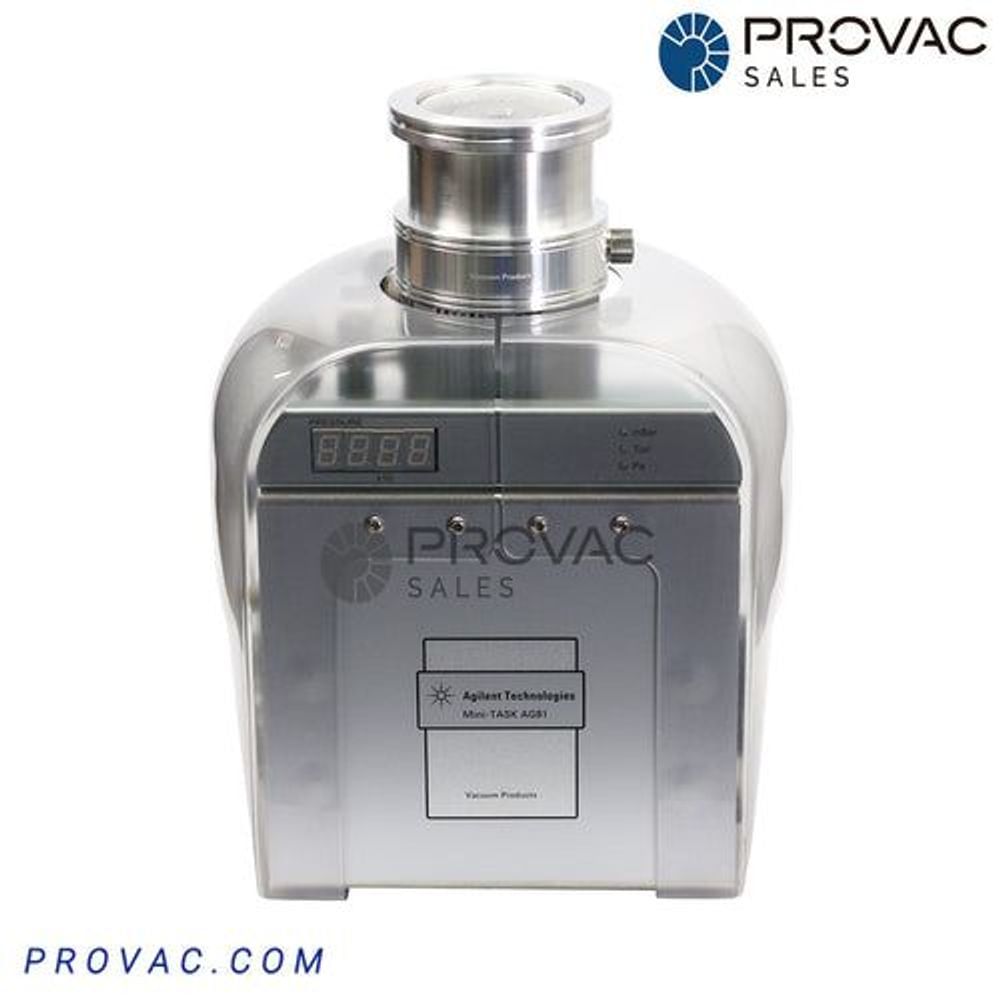
Agilent
Agilent Mini-Task AG81 Pumping Station, Rebuilt
$ 6,165.00
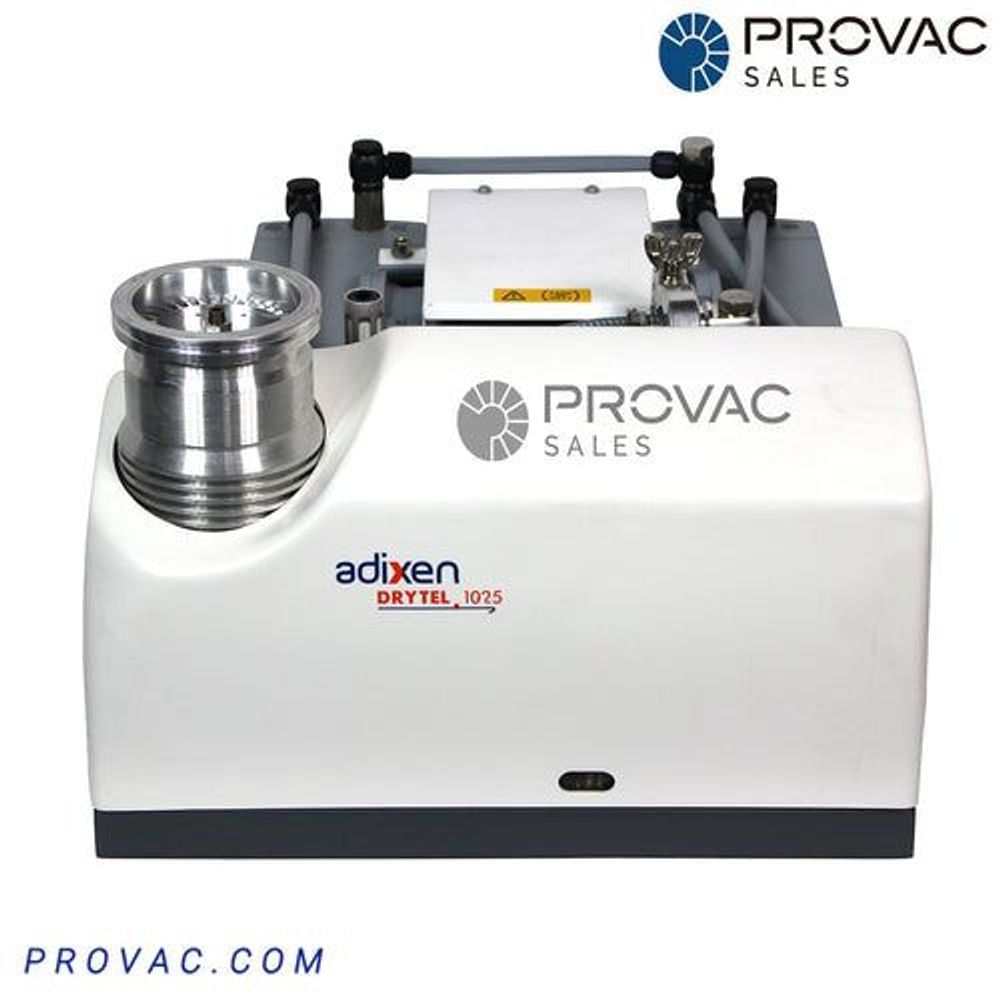
Alcatel/Adixen
Alcatel Drytel 1025 Pumping Station with 4 Head Diaphragm Pump, Rebuilt
$ 9,950.00
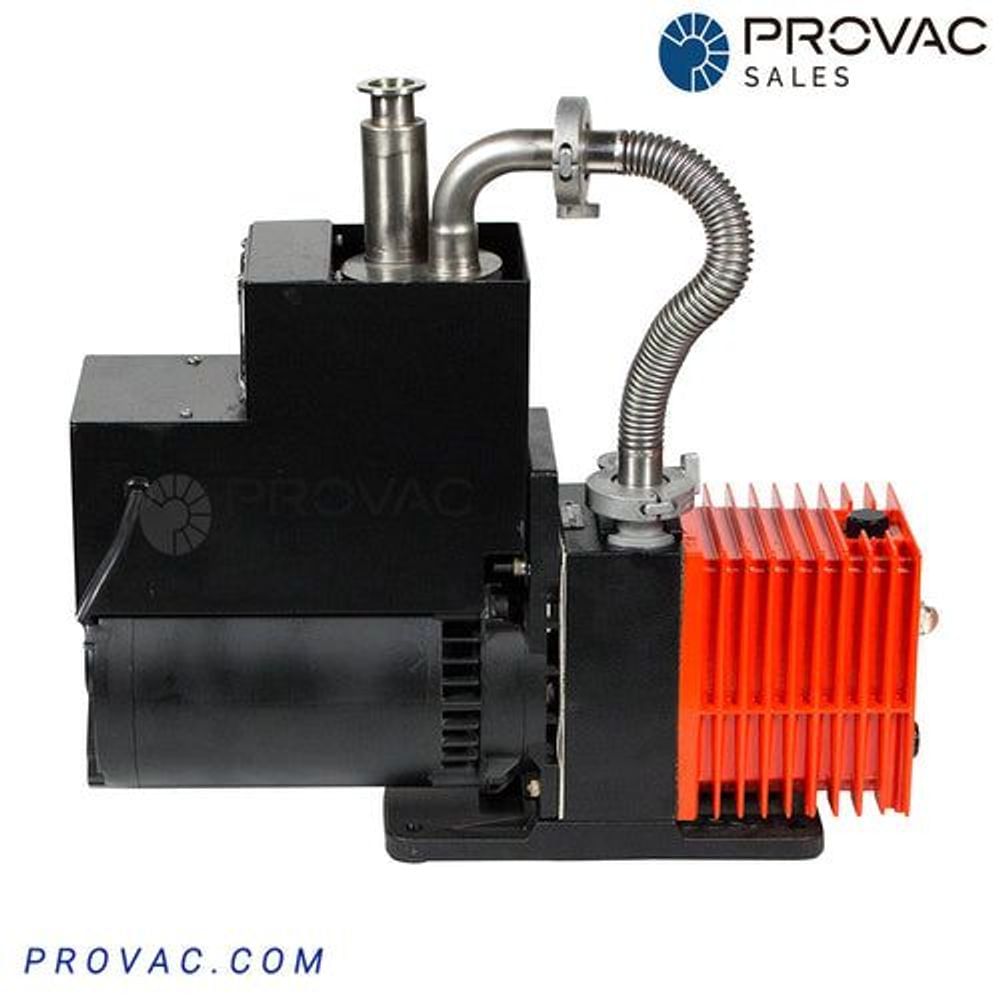
Alcatel/Adixen
Alcatel 2004A Pumping Station, Rebuilt
$ 3,245.00
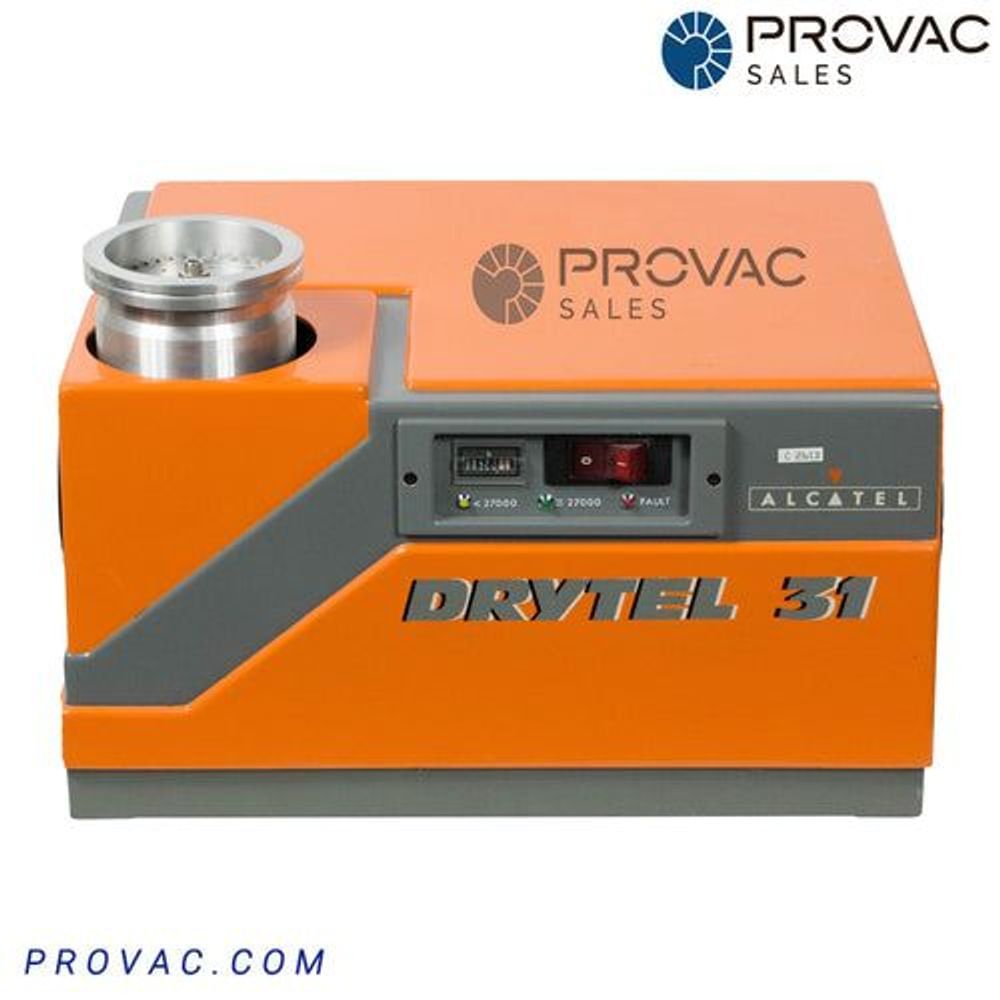
Alcatel/Adixen
Alcatel Drytel 31 Pumping Station, Rebuilt
$ 6,381.00
Alcatel/Adixen
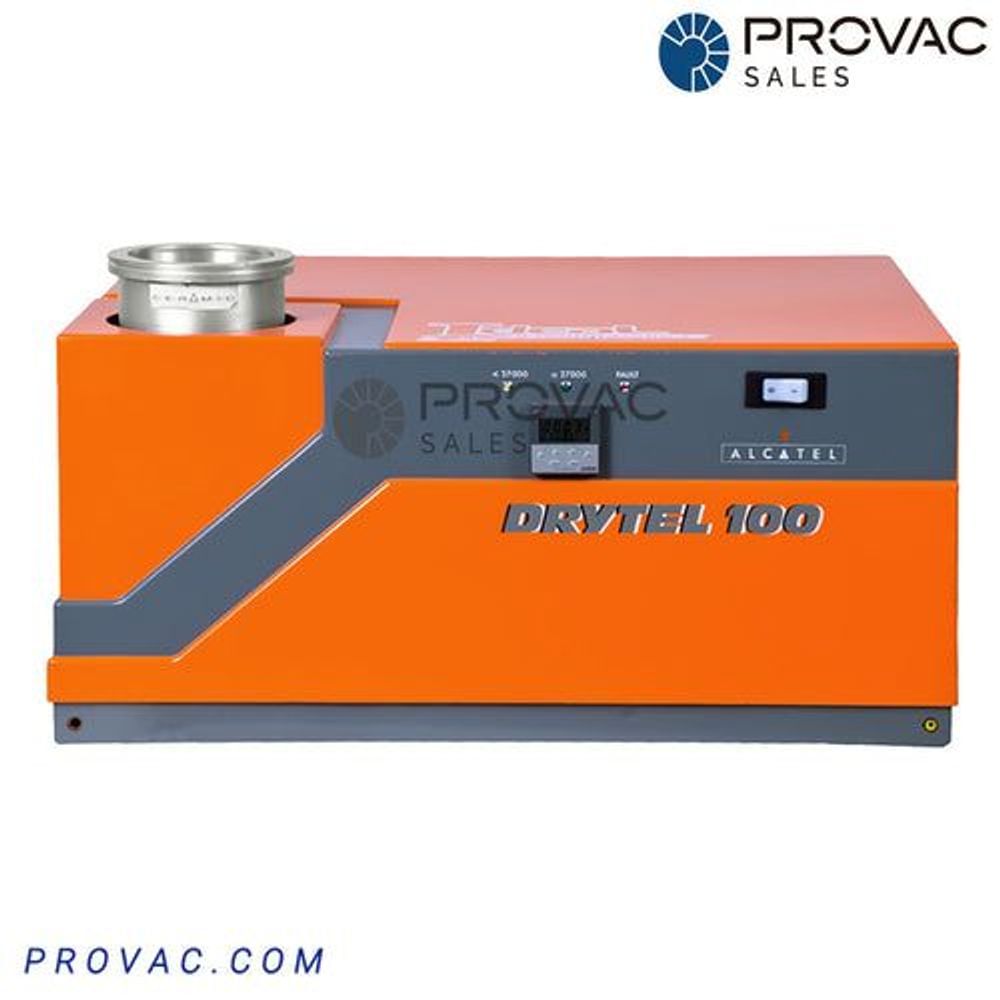
Alcatel Drytel 100 Pumping Station, Rebuilt
Contact us for pricing
Alcatel/Adixen
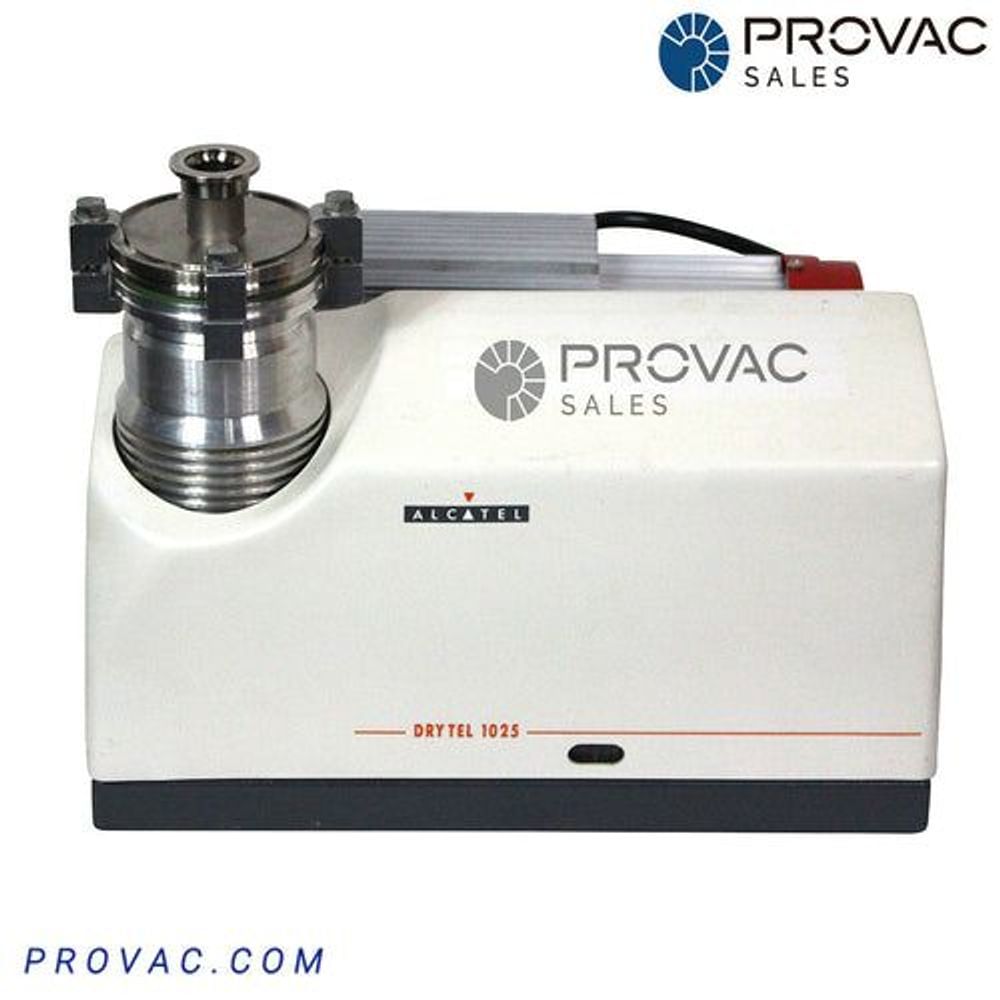
Alcatel Drytel 1025 Pumping Station with 2 Head Diaphragm Pump, Rebuilt
$ 7,625.00
Edwards
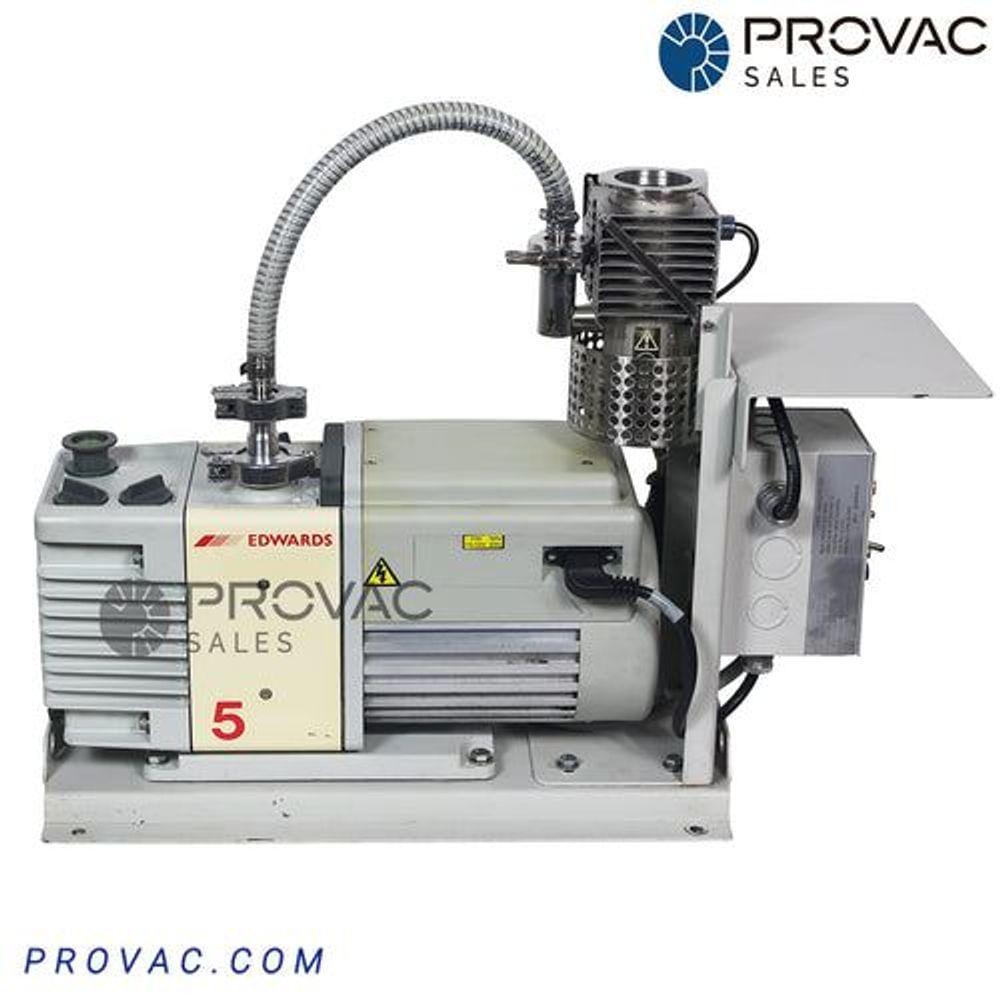
Edwards RV-5 Pumping Station, Rebuilt
$ 3,461.00
Pfeiffer
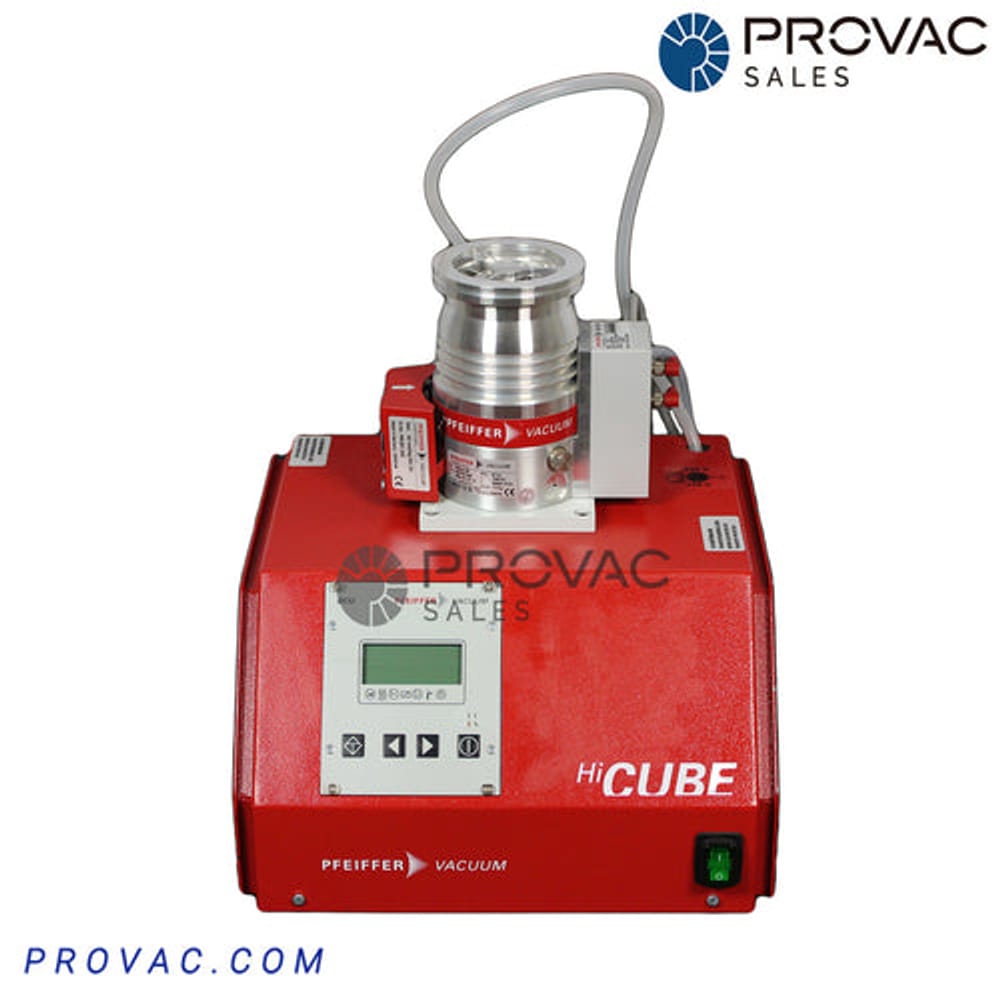
Pfeiffer HiCube 80 Eco Pumping Station, Rebuilt
Contact us for pricing
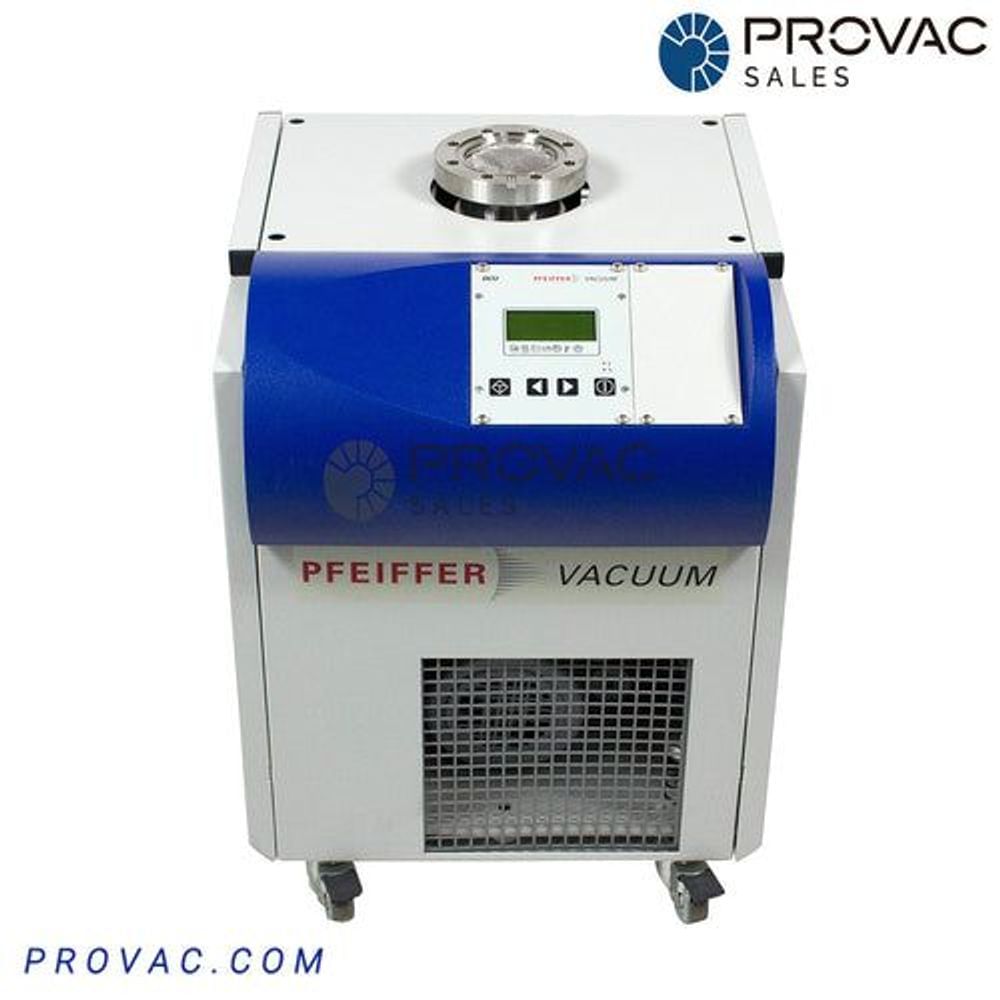
Pfeiffer
Pfeiffer TSU-071 Pumping Station, Rebuilt
$ 8,328.00
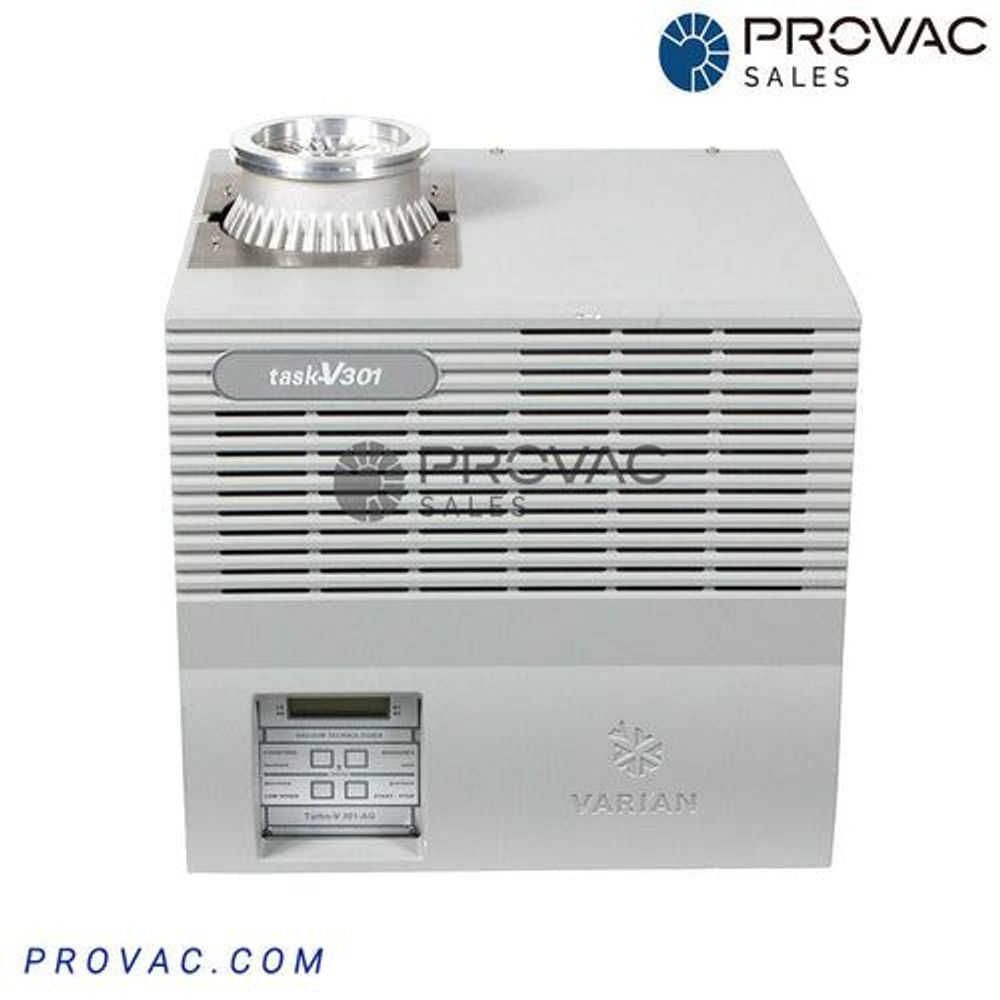
Agilent
Agilent Task-301 Pumping Station, Rebuilt
$ 8,868.00
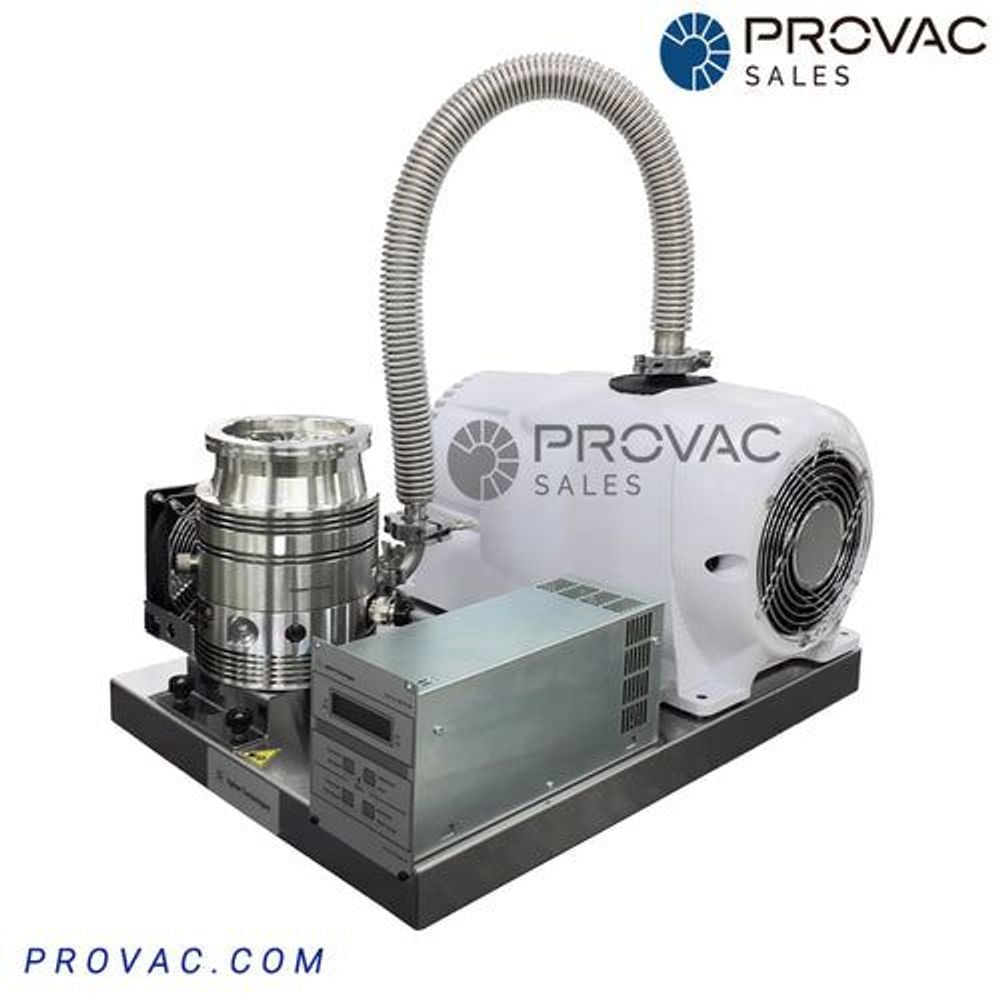
Agilent
Agilent TPS Flexy Pumping System
$ 11,856.00
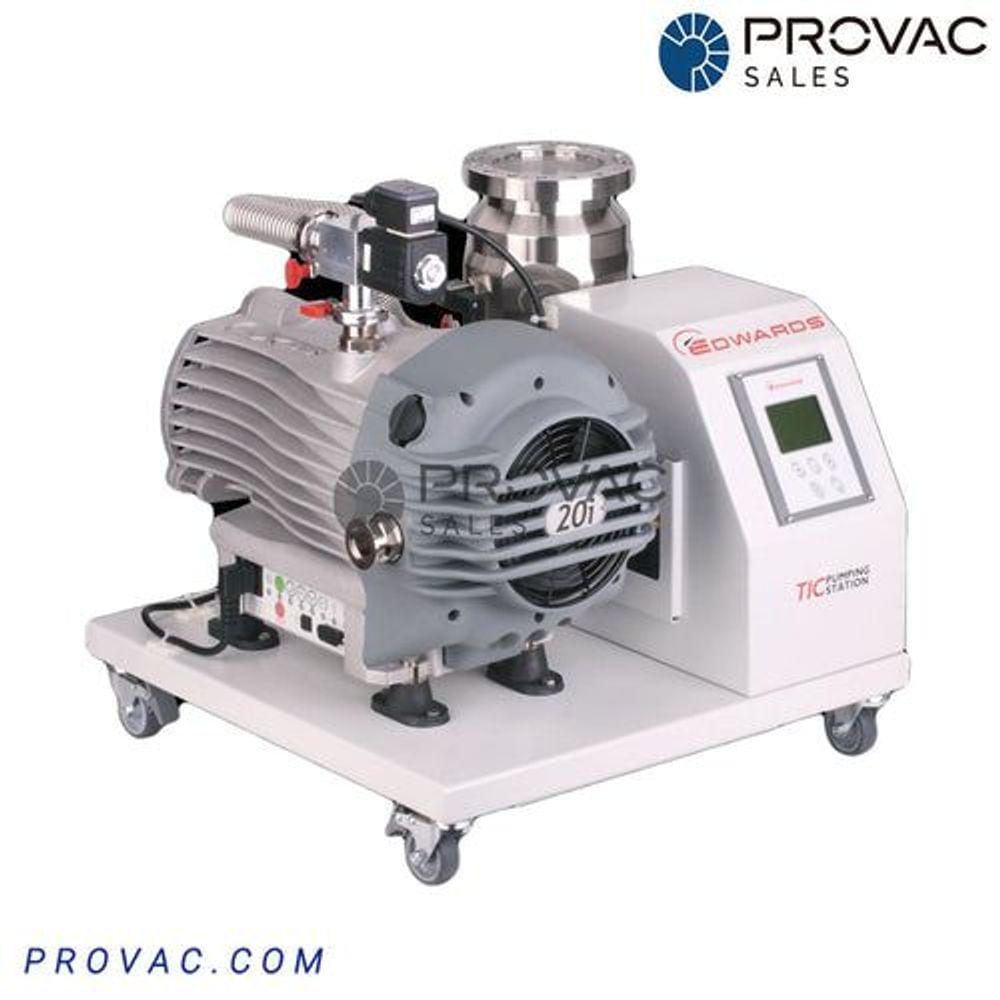
Edwards
Edwards nEXT Turbocart Pumping Station
Contact us for pricing
Pumping Station
Pumping stations are integral components in various industrial, scientific, and research applications that require precise vacuum environments. These systems combine multiple vacuum pumps and supporting equipment to achieve and maintain specific pressure levels. From semiconductor manufacturing to particle accelerators, pumping stations play a crucial role in creating the controlled environments necessary for advanced processes and experiments.
Types of Pumping Stations
Compact Turbo Pumping Stations
Compact turbo pumping stations are designed for applications requiring high vacuum levels in a space-efficient package. These systems typically combine a turbomolecular pump with a backing pump, such as a dry scroll or diaphragm pump. The Agilent TASK 70 pumping station is an excellent example of a compact and versatile system suitable for various high-vacuum applications.
High-Performance Research Stations
For demanding research applications, high-performance pumping stations offer superior vacuum capabilities and advanced control features. The Leybold TURBOLAB Core 250i pumping station is designed for applications requiring high pumping speeds and ultimate pressures, making it ideal for surface analysis and thin film deposition.
Portable Pumping Stations
Portable pumping stations provide flexibility for applications that require vacuum in multiple locations or for field service. The Varian Mini-TASK V70LP pumping station offers a compact and mobile solution for achieving high vacuum levels in various settings.
Key Components of Pumping Stations
Turbomolecular Pumps
Turbomolecular pumps are the heart of many high-vacuum pumping stations. These pumps use high-speed rotors to impart momentum to gas molecules, effectively pumping them out of the vacuum chamber.
Backing Pumps
Backing pumps, such as scroll pumps or rotary vane pumps, are essential for creating the initial vacuum level required for turbomolecular pumps to operate efficiently.
Vacuum Gauges
Accurate pressure measurement is crucial for controlling and monitoring the vacuum environment. Most pumping stations incorporate various types of vacuum gauges to provide real-time pressure readings.
Control Systems
Advanced control systems allow users to monitor and adjust pumping station parameters, ensuring optimal performance and process control.
Applications of Pumping Stations
Semiconductor Manufacturing
The semiconductor industry relies heavily on pumping stations to create the ultra-clean, high-vacuum environments necessary for wafer processing and thin film deposition.
Scientific Research
Research institutions use pumping stations in various applications, including particle accelerators, mass spectrometry, and surface analysis techniques.
Aerospace Testing
Pumping stations are crucial in aerospace testing facilities, simulating the vacuum conditions of space for satellite and spacecraft component testing.
Industrial Processes
Many industrial processes, such as vacuum coating and freeze-drying, depend on reliable pumping stations to maintain consistent vacuum levels.
Innovations in Pumping Station Technology
Pfeiffer Pumping Stations
Pfeiffer pumping stations, such as the TSU 071E, offer advanced features like integrated pressure measurement and adaptive pumping speed control, enhancing overall system performance and efficiency.
Edwards Stations
Edwards, a leading manufacturer in vacuum technology, provides a range of pumping stations designed for specific applications, from general laboratory use to specialized industrial processes.
Agilent TPS Compact
The Agilent TPS Compact series offers a range of turbomolecular pumping systems that combine high performance with a small footprint, making them ideal for space-constrained applications.
Specialized Pumping Solutions
DryTel Systems
DryTel pumping systems, such as the DryTel 1025, provide oil-free vacuum solutions for applications requiring clean, hydrocarbon-free environments. These systems are particularly useful in analytical and research settings where contamination must be minimized.
Customized Pumping Stations
For unique applications, customized pumping stations can be designed to meet specific requirements. The Pfeiffer HiCube 80 ECO pumping station offers a modular design that can be tailored to various vacuum needs.
Maintaining Pumping Stations
Regular Maintenance
To ensure optimal performance and longevity, pumping stations require regular maintenance, including:
- Checking and replacing seals and gaskets
- Inspecting and cleaning pump components
- Calibrating vacuum gauges
- Updating control system software
Troubleshooting Common Issues
Common issues with pumping stations may include:
- Inability to reach desired vacuum levels
- Unusual noise or vibration
- Frequent overheating
- Inconsistent pressure readings
Proper diagnosis and timely resolution of these issues are crucial for maintaining system performance.
Selecting the Right Pumping Station
When choosing a pumping station, consider the following factors:
- Required ultimate pressure
- Pumping speed needs
- Gas load and composition
- Space constraints
- Budget considerations
- Compatibility with existing equipment
For specialized applications, consulting with vacuum experts can help in selecting the most appropriate system, such as the Leybold TURBOLAB Core 90i pumping station for compact, high-performance needs.
Future Trends in Pumping Station Technology
Integration of Smart Technologies
Future pumping stations are likely to incorporate more intelligent control systems, allowing for predictive maintenance and remote monitoring capabilities.
Improved Energy Efficiency
Manufacturers are focusing on developing more energy-efficient pumping solutions to reduce operational costs and environmental impact.
Enhanced Modularity
Modular designs, like those seen in the Agilent Mini-TASK AG81 pumping station, allow for greater flexibility and easier upgrades as technology advances.
Conclusion
Pumping stations are essential components in creating and maintaining high-vacuum environments for a wide range of applications. From compact turbo pumping stations to specialized systems like the Varian Turbo Mini pumping station, these systems continue to evolve to meet the demanding requirements of modern industry and research.
By understanding the various types of pumping stations available and considering factors such as performance, maintenance, and future trends, users can select the most appropriate system for their specific vacuum needs.
As technology advances, pumping stations will play an increasingly crucial role in enabling cutting-edge research and industrial processes that rely on precise vacuum environments.