
Scroll Pumps
Scroll pumps, also known as scroll vacuum pumps, have become increasingly popular in various industries due to their efficient and clean operation. These dry pumps offer a reliable solution for ...
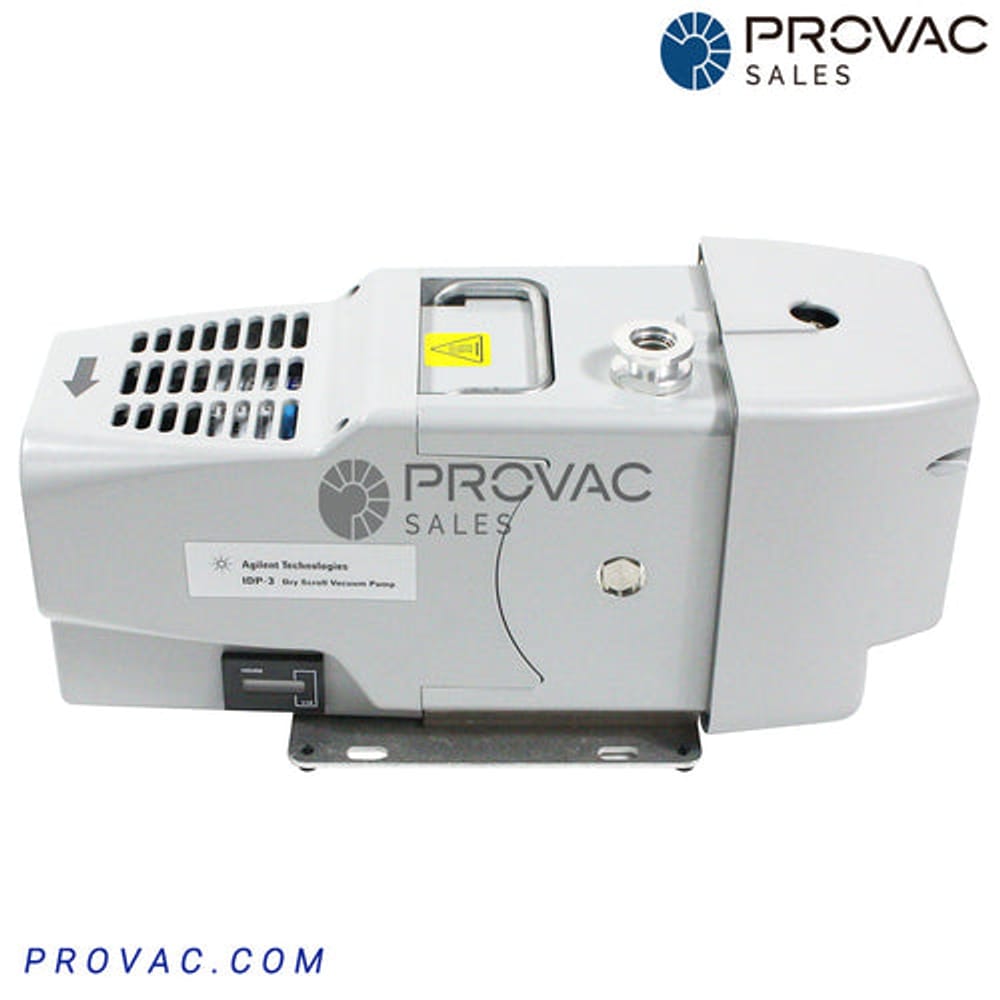
Agilent
Agilent IDP-3 Scroll Pump
$ 3,067.00
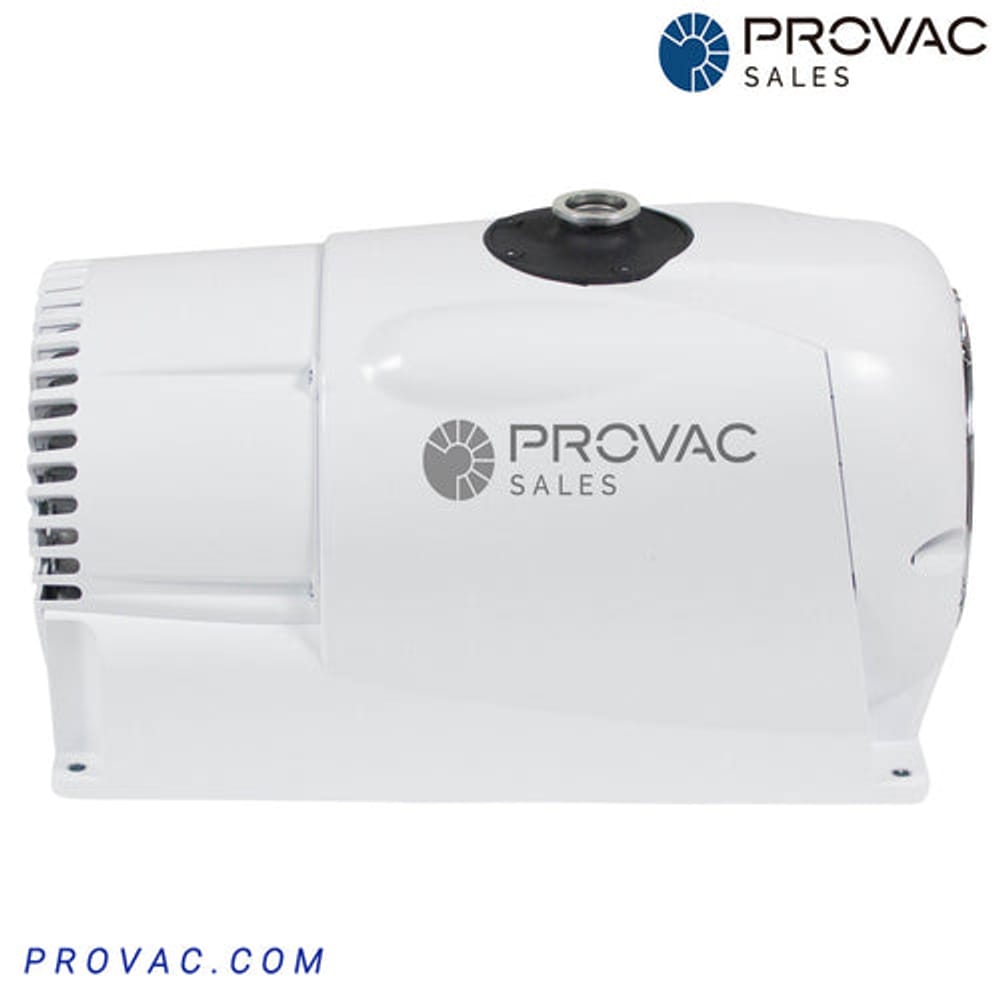
Agilent
Agilent IDP-7 Scroll Pump
$ 5,561.00
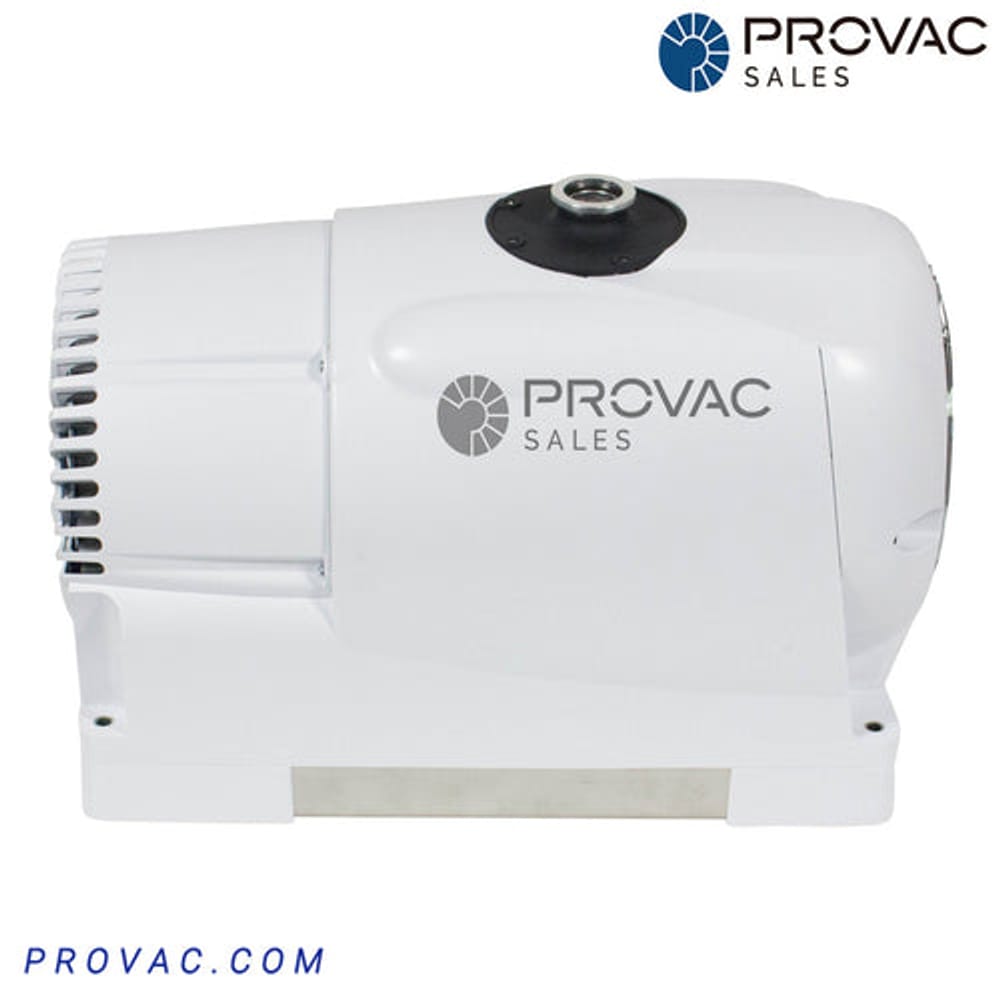
Agilent
Agilent IDP-10 Scroll Pump
$ 5,990.00
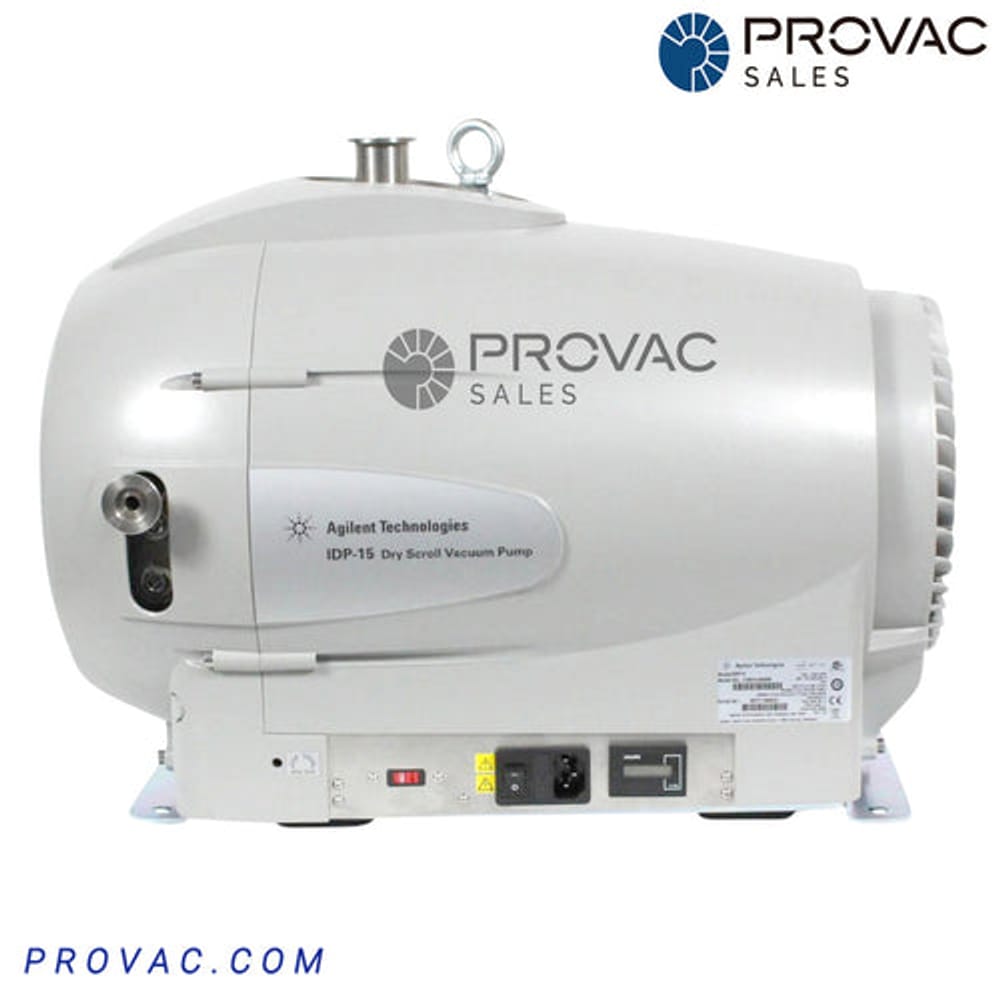
Agilent
Agilent IDP-15 Scroll Pump
$ 7,177.00
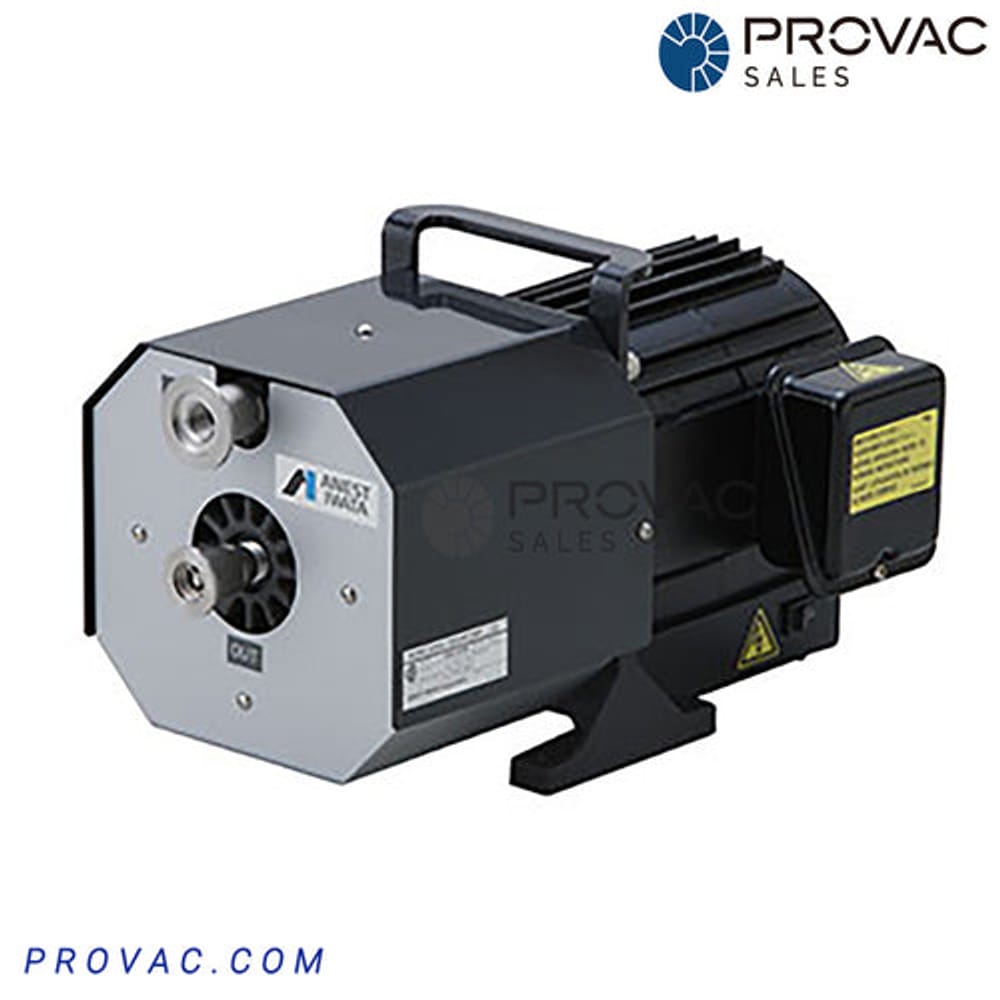
Anest Iwata
Anest Iwata DVSL-100C Scroll Pump
Contact us for pricing
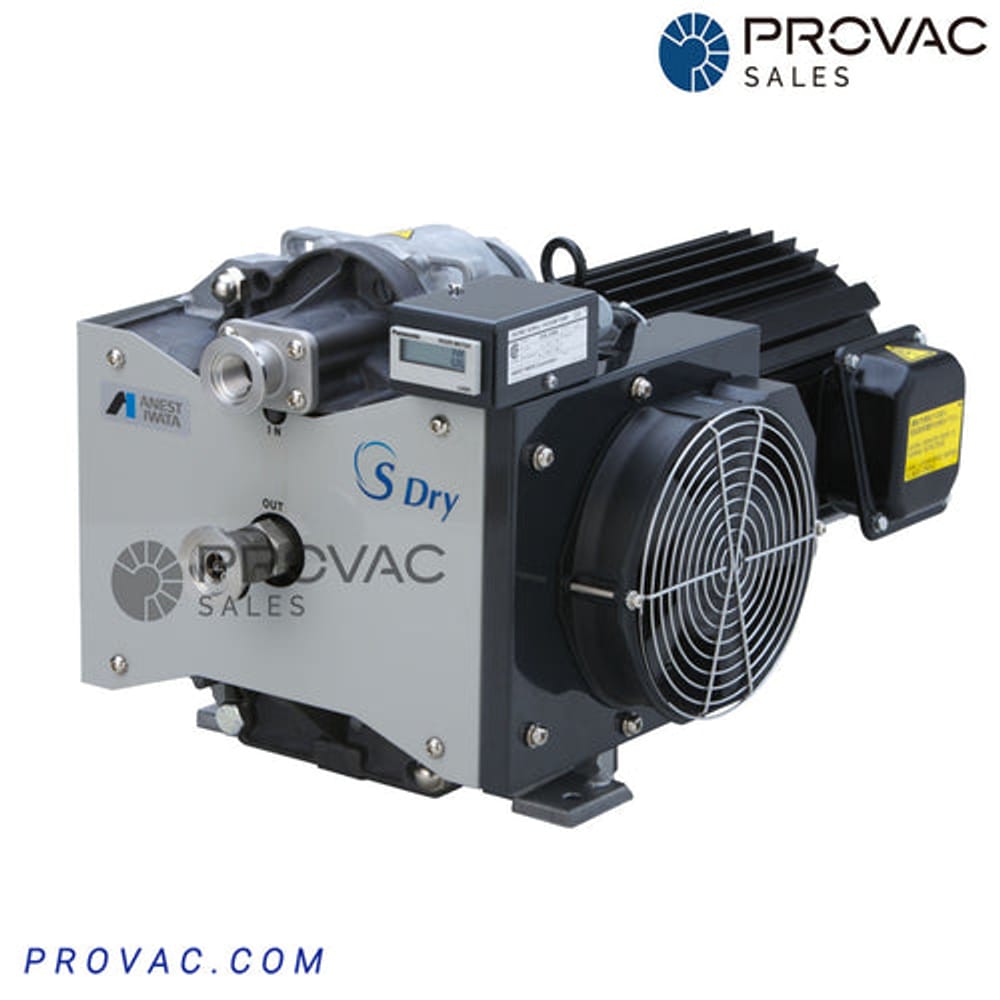
Anest Iwata
Anest Iwata DVSL-500C Scroll Pump
Contact us for pricing
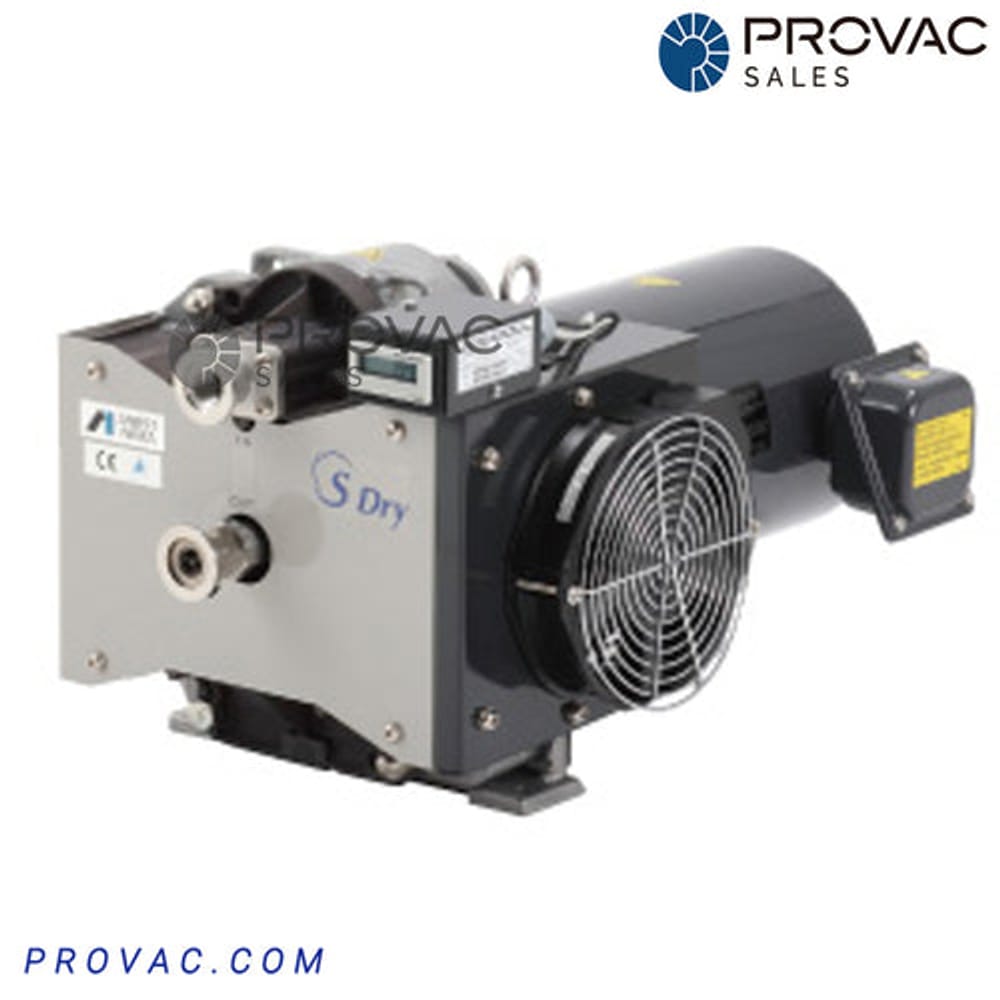
Anest Iwata
Anest Iwata DVSL-500E Scroll Pump
Contact us for pricing
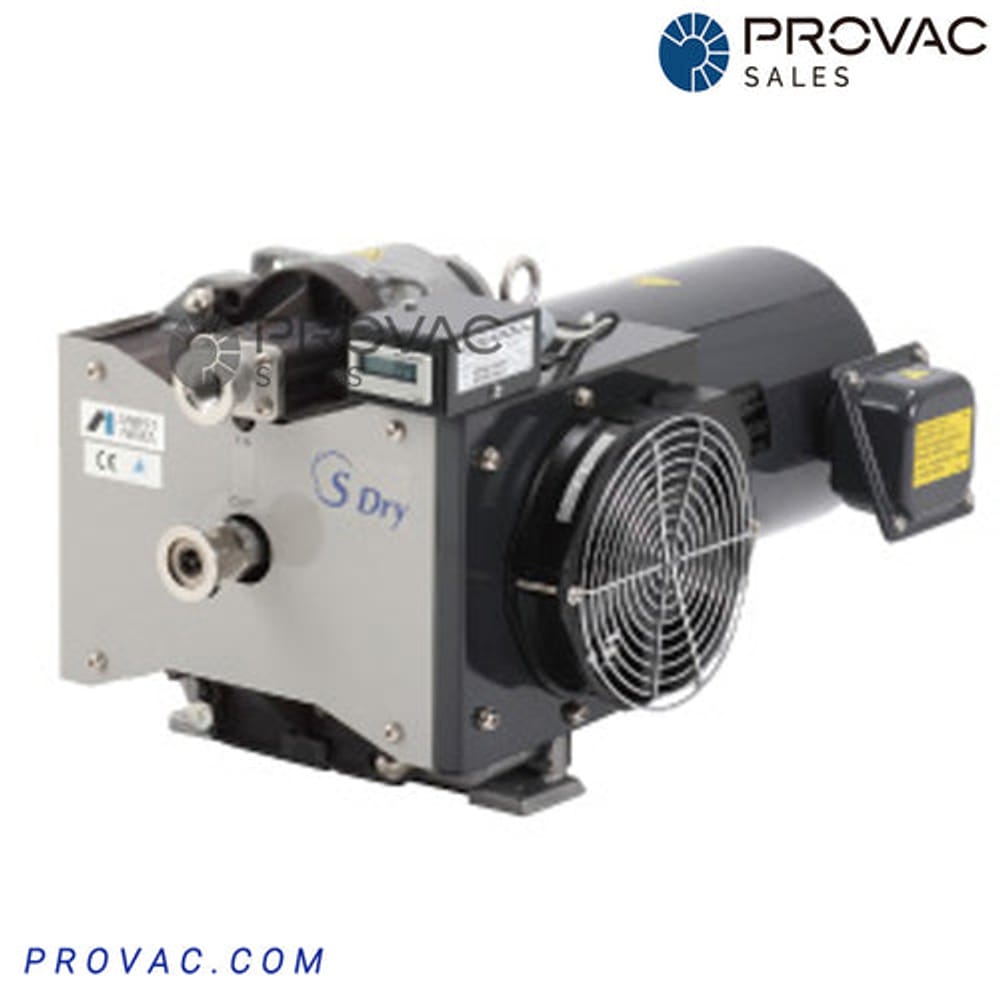
Anest Iwata
Anest Iwata DVSL-501E Scroll Pump
Contact us for pricing
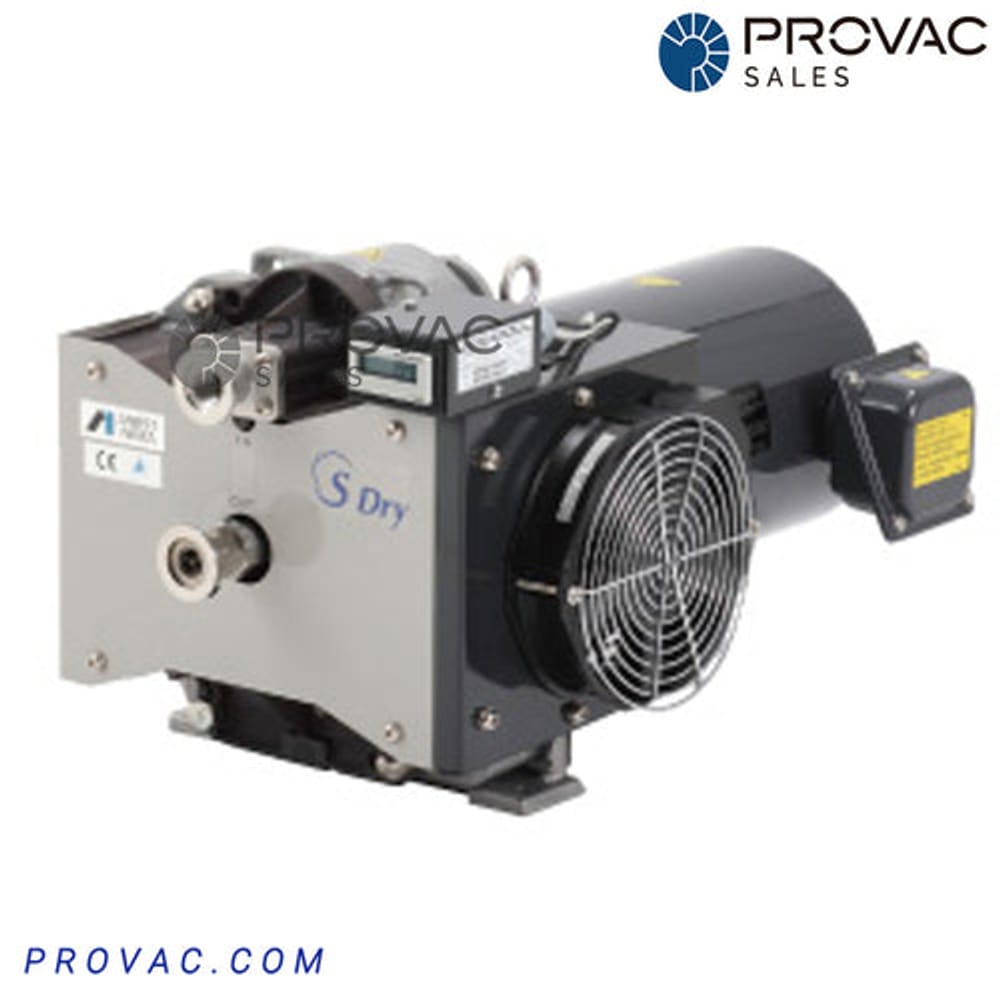
Anest Iwata
Anest Iwata DVSL-501E-HC Scroll Pump
Contact us for pricing
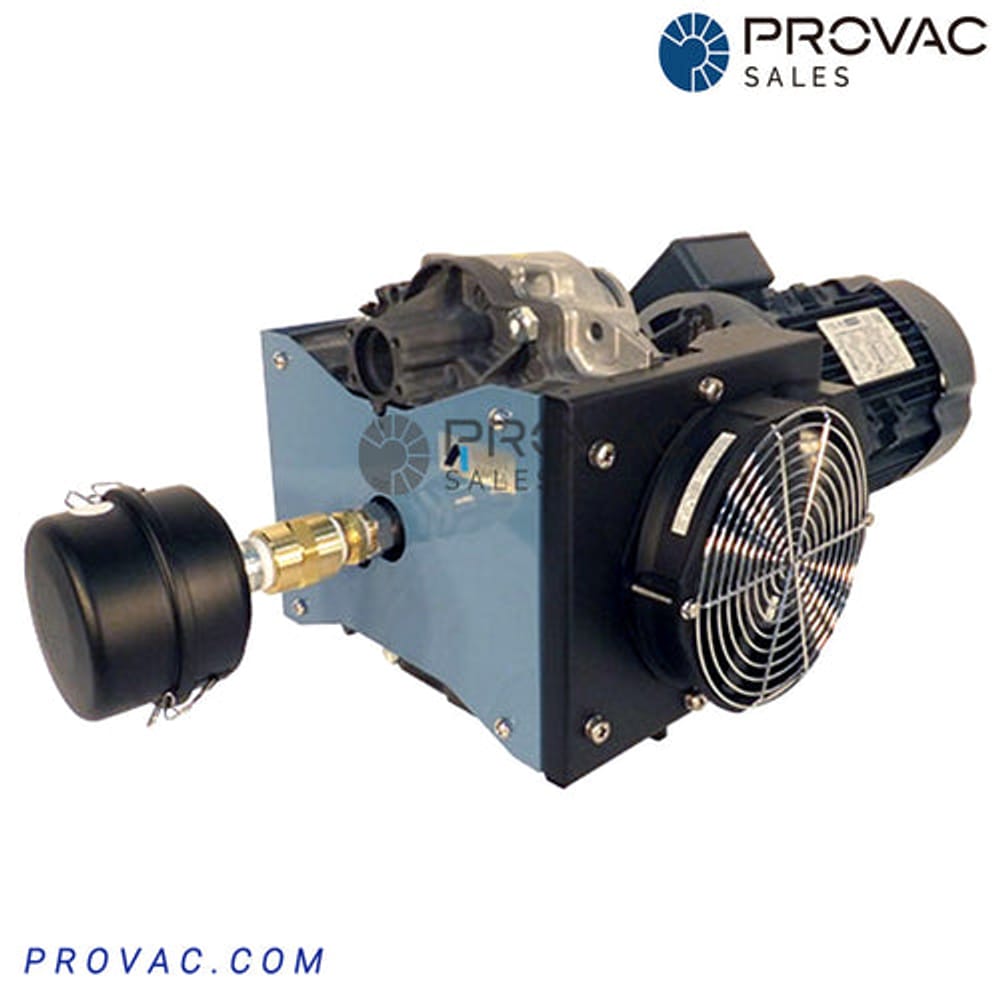
Anest Iwata
Anest Iwata GVSU-500B Scroll Pump
Contact us for pricing
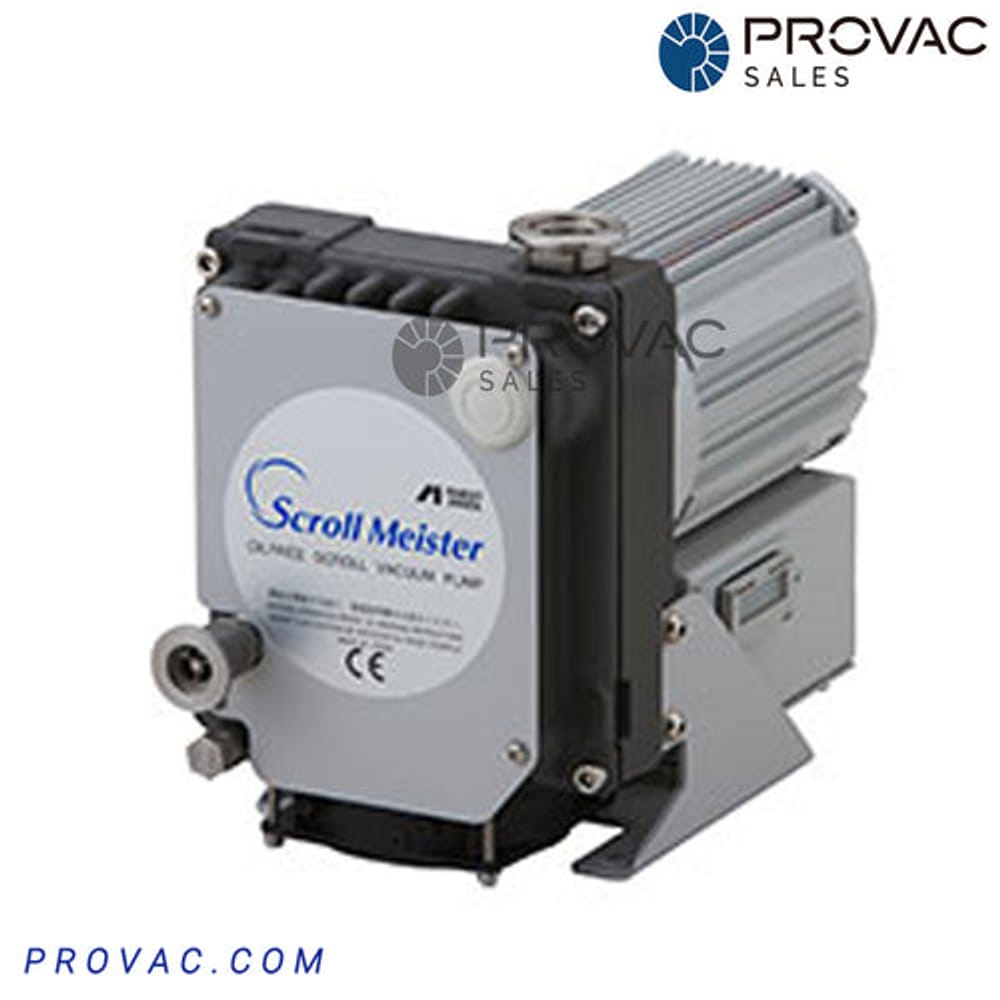
Anest Iwata ISP-50 Scroll Pump
Contact us for pricing
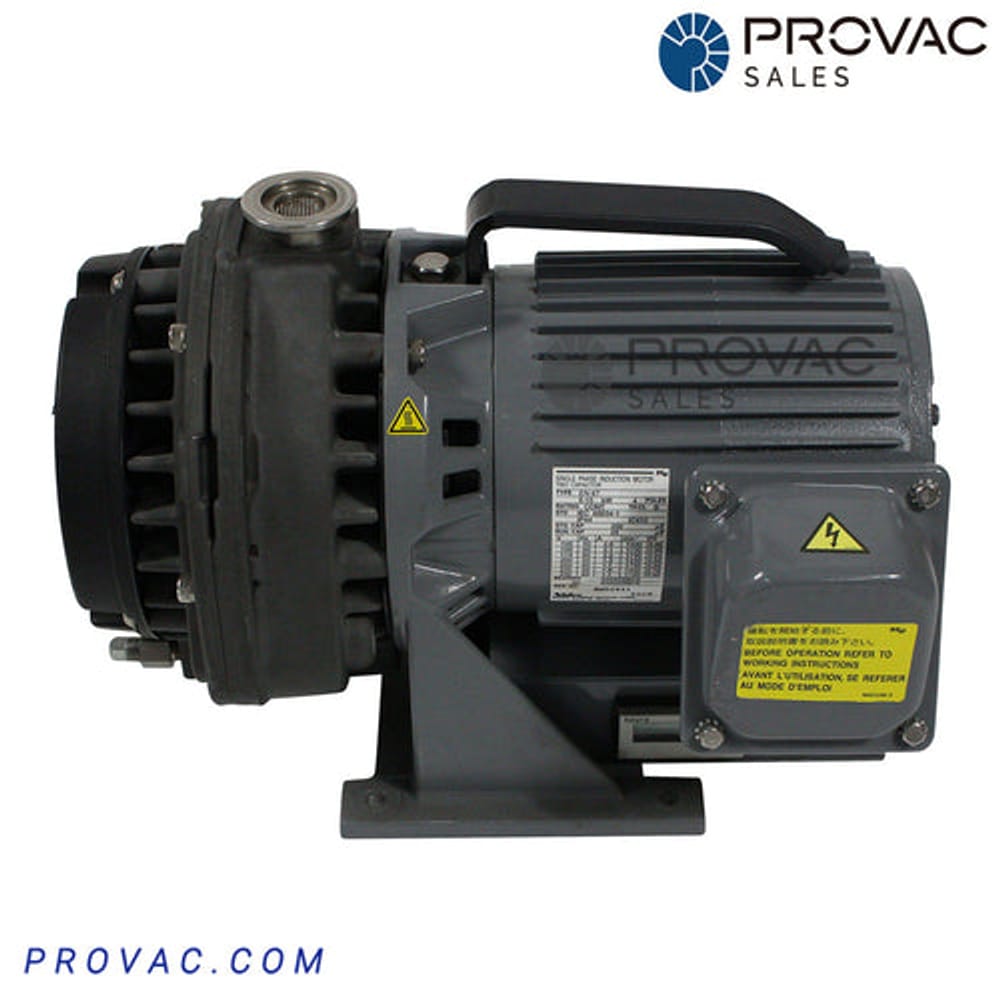
Anest Iwata
Anest Iwata ISP-90 Scroll Pump, Rebuilt
$ 3,677.00
Scroll Pumps
Scroll pumps, also known as scroll vacuum pumps, have become increasingly popular in various industries due to their efficient and clean operation. These dry pumps offer a reliable solution for creating and maintaining vacuum environments without needing oil or other lubricants.
What is a Scroll Vacuum Pump?
A scroll vacuum pump is a type of positive displacement pump that uses two interleaving spiral scrolls to compress and move gas molecules. One scroll remains stationary while the other orbits eccentrically, creating moving pockets of gas continuously compressed and expelled. This design allows for efficient, pulsation-free pumping without needing valves or lubricants.
How Dry Scroll Pumps Work
Dry scroll vacuum pumps operate on a simple yet effective principle:
- Gas enters the pump through the inlet at the center of the scrolls.
- As the orbiting scroll moves, it creates crescent-shaped pockets of gas.
- These pockets are progressively compressed as they move towards the pump's periphery.
- The compressed gas is eventually expelled through the outlet.
This continuous process allows for smooth, efficient vacuum generation without contamination from oil or other lubricants.
Advantages of Scroll Pumps
Scroll vacuum pumps offer several advantages over traditional oil-sealed rotary vane pumps and other vacuum technologies:
- Oil-free operation: Eliminates the risk of oil contamination in sensitive processes.
- Low maintenance: Fewer moving parts and no need for regular oil changes.
- Clean vacuum: Ideal for applications requiring high-purity environments.
- Quiet operation: Significantly lower noise levels compared to other pump types.
- Energy efficiency: Lower power consumption, especially in multi-pump systems.
- Compact design: Smaller footprint compared to equivalent oil-sealed pumps.
Applications of Scroll Pumps
Dry scroll vacuum pumps find use in a wide range of industries and applications, including:
- Semiconductor manufacturing
- Laboratory and research facilities
- Food packaging and processing
- Medical and pharmaceutical industries
- Analytical instrumentation
- Electron microscopy
- Solar panel production
- 3D printing and additive manufacturing
Types of Scroll Pumps
Single-stage Scroll Pumps
Single-stage scroll pumps are the most common type, suitable for a wide range of applications requiring moderate vacuum levels. They offer a good balance of performance and cost-effectiveness.
Multi-stage Scroll Pumps
Multi-stage scroll pumps combine two or more scroll mechanisms in series to achieve higher compression ratios and lower ultimate pressures. These pumps are ideal for applications requiring deeper vacuums.
Choosing the Right Scroll Pump
When selecting a scroll vacuum pump for your application, consider the following factors:
- Required ultimate pressure
- Pumping speed needs
- Gas load and type
- Duty cycle and operating environment
- Noise and vibration requirements
- Budget constraints
For specialized applications, you may need to explore other dry pump technologies to find the best fit for your needs.
Maintenance and Scroll Pump Repair
While scroll pumps are generally low-maintenance compared to oil-sealed pumps, they still require periodic attention to ensure optimal performance and longevity. Typical maintenance tasks include:
- Regular inspection of the scrolls for wear or damage
- Cleaning of the pump inlet and exhaust ports
- Replacement of tip seals and bearings as needed
- Checking and tightening of external bolts and fittings
When more extensive scroll pump repair is needed, consulting with the manufacturer or a specialized repair service is often best. Attempting complex repairs without proper expertise can lead to further damage or reduced performance.
Scroll Pumps for Sale: What to Look For
When browsing scroll pumps for sale, keep these factors in mind:
- Pumping speed and ultimate pressure specifications
- Power consumption and efficiency ratings
- Noise levels and vibration characteristics
- Warranty and after-sales support
- Availability of spare parts and service
- Compatibility with your existing vacuum system
Consider new and refurbished options to find the best value for your budget. Many suppliers offer standalone pumps and complete vacuum systems tailored to specific applications.
Innovations in Scroll Pump Technology
Recent advancements in scroll pump design have focused on improving efficiency, reliability, and performance:
- Advanced materials for longer-lasting tip seals and bearings
- Improved scroll designs for higher compression ratios
- Integration of smart monitoring and control systems
- Development of corrosion-resistant models for harsh environments
- Compact, high-performance designs for space-constrained applications
These innovations make scroll pumps an increasingly attractive option for a wider range of vacuum applications.
Comparing Scroll Pumps to Other Vacuum Technologies
While scroll pumps offer many advantages, it's worth comparing them to other pump types for your specific application:
Scroll Pumps vs. Rotary Vane Pumps
Scroll pumps offer oil-free operation and lower maintenance requirements, while rotary vane pumps may sometimes achieve lower ultimate pressures.
Scroll Pumps vs. Diaphragm Pumps
Scroll pumps generally offer higher pumping speeds and lower ultimate pressures than diaphragm pumps, but diaphragm pumps may be more suitable for corrosive gases.
Scroll Pumps vs. Turbo Pumps
While turbopumps can achieve much lower pressures, they require backing pumps. Scroll pumps are often used as backing for turbo pumps in high and ultra-high vacuum systems.
Conclusion
Scroll vacuum pumps offer a clean, efficient, and reliable solution for various vacuum applications. Their oil-free operation, low maintenance requirements, and quiet performance make them an attractive option for many industries. As technology advances, we can expect to see even more innovative and specialized scroll pump designs entering the market.
Whether you're in the market for a new dry scroll vacuum pump or looking to upgrade your existing vacuum system, understanding the capabilities and limitations of scroll pump technology is crucial. By carefully considering your specific needs and exploring the available options, you can find the perfect scroll pump solution for your application.