
Turbo Pumps
Turbo pumps, or turbomolecular pumps, are advanced vacuum devices that play a crucial role in creating and maintaining high and ultra-high vacuum environments. These sophisticated vacuum turbo p...
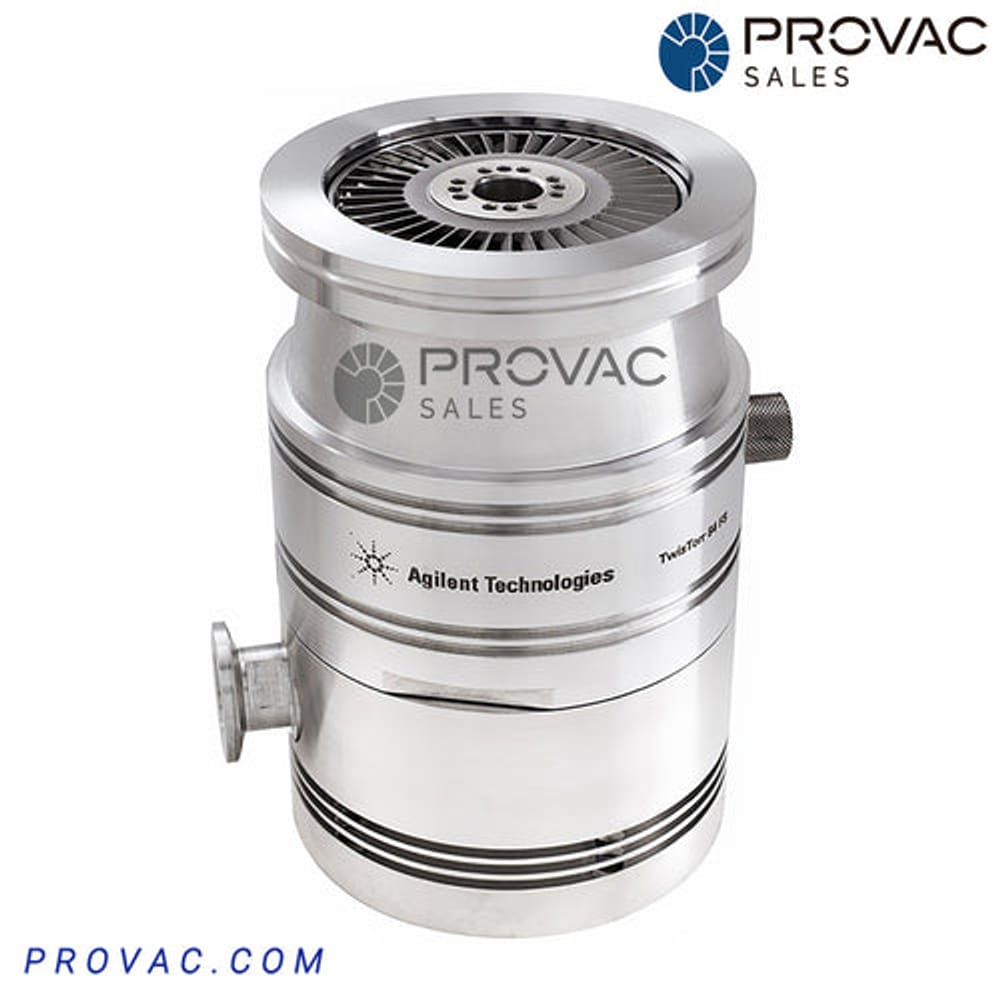
Agilent
Agilent TwisTorr 84FS Turbo Pump
Contact us for pricing
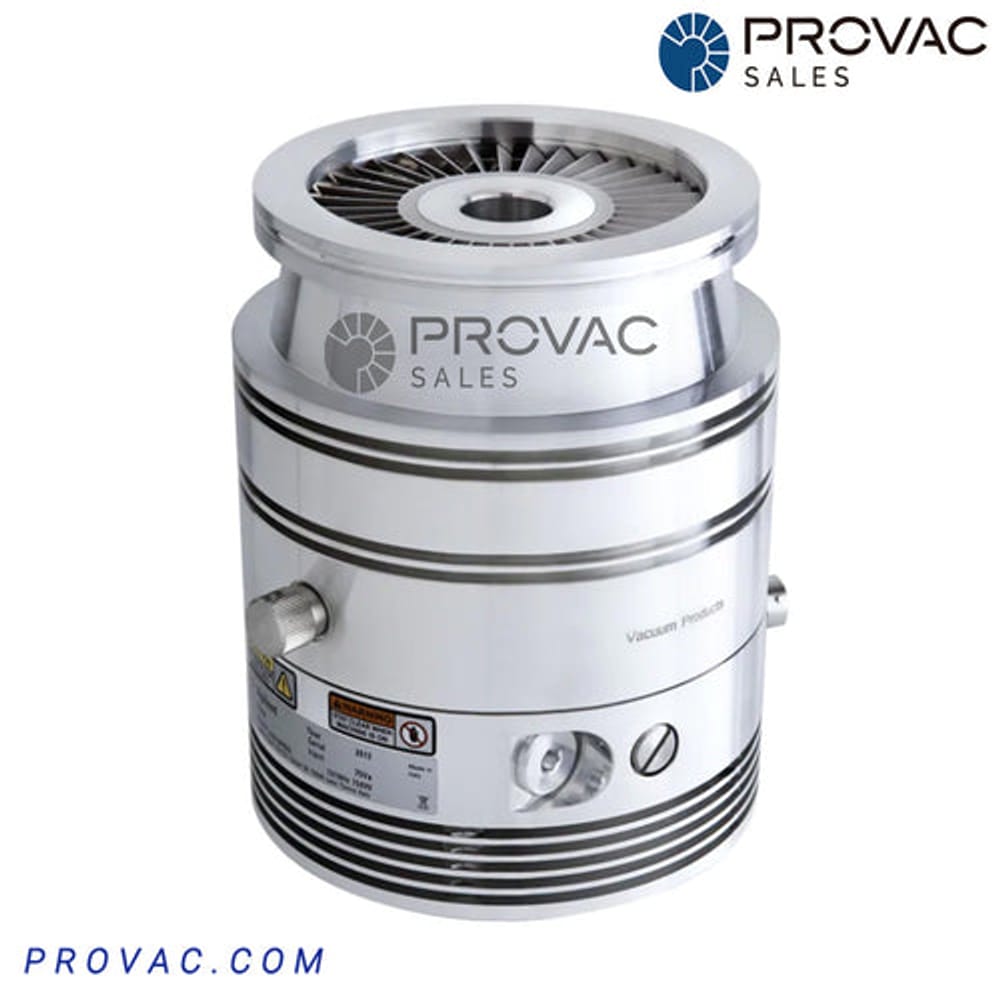
Agilent
Agilent TwisTorr 304FS Turbo Pump
Contact us for pricing
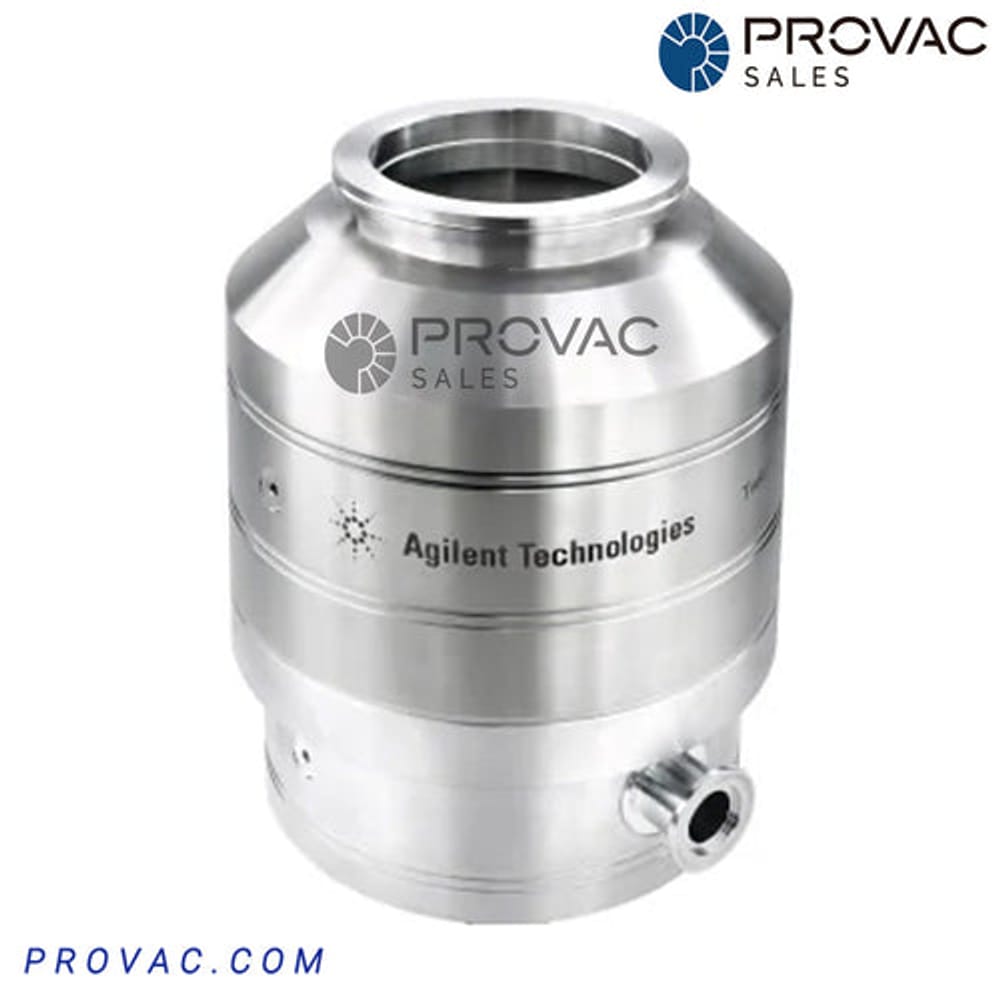
Agilent
Agilent TwisTorr 404FS Turbo Pump
Contact us for pricing
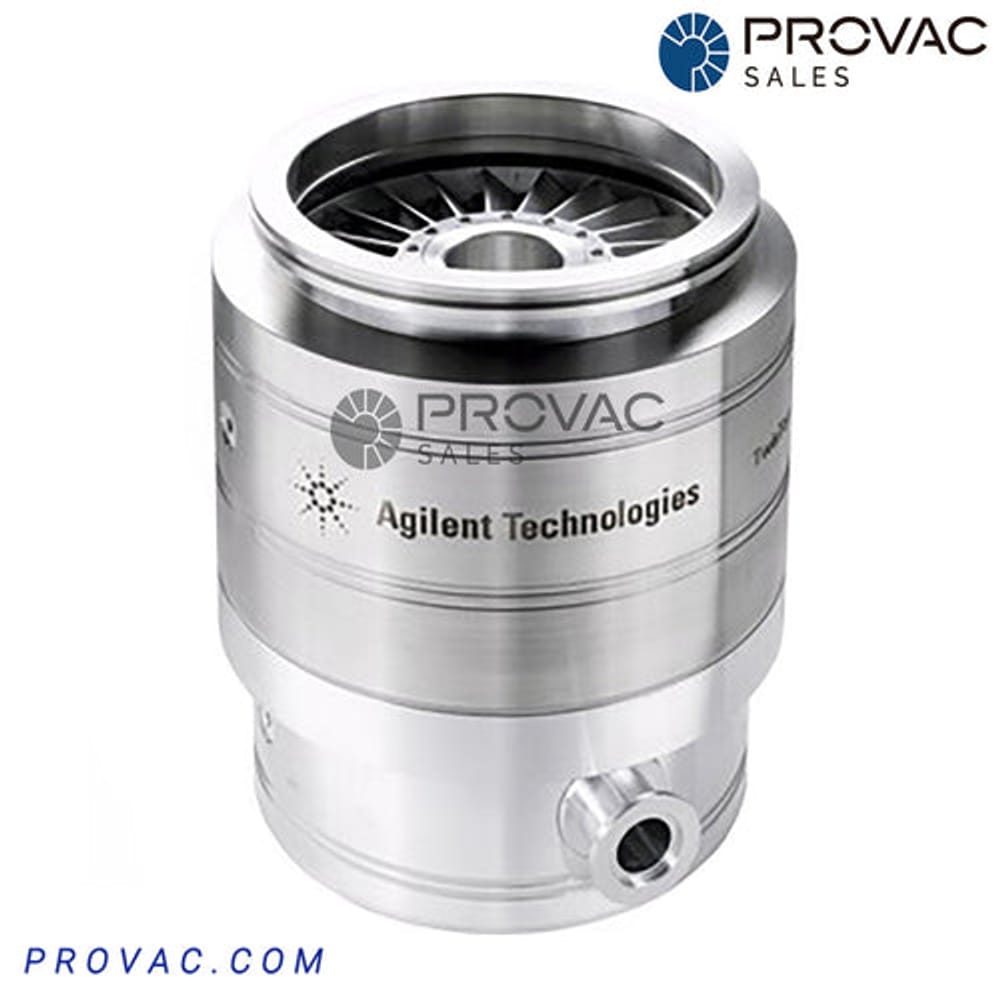
Agilent
Agilent TwisTorr 704FS Turbo Pump
Contact us for pricing
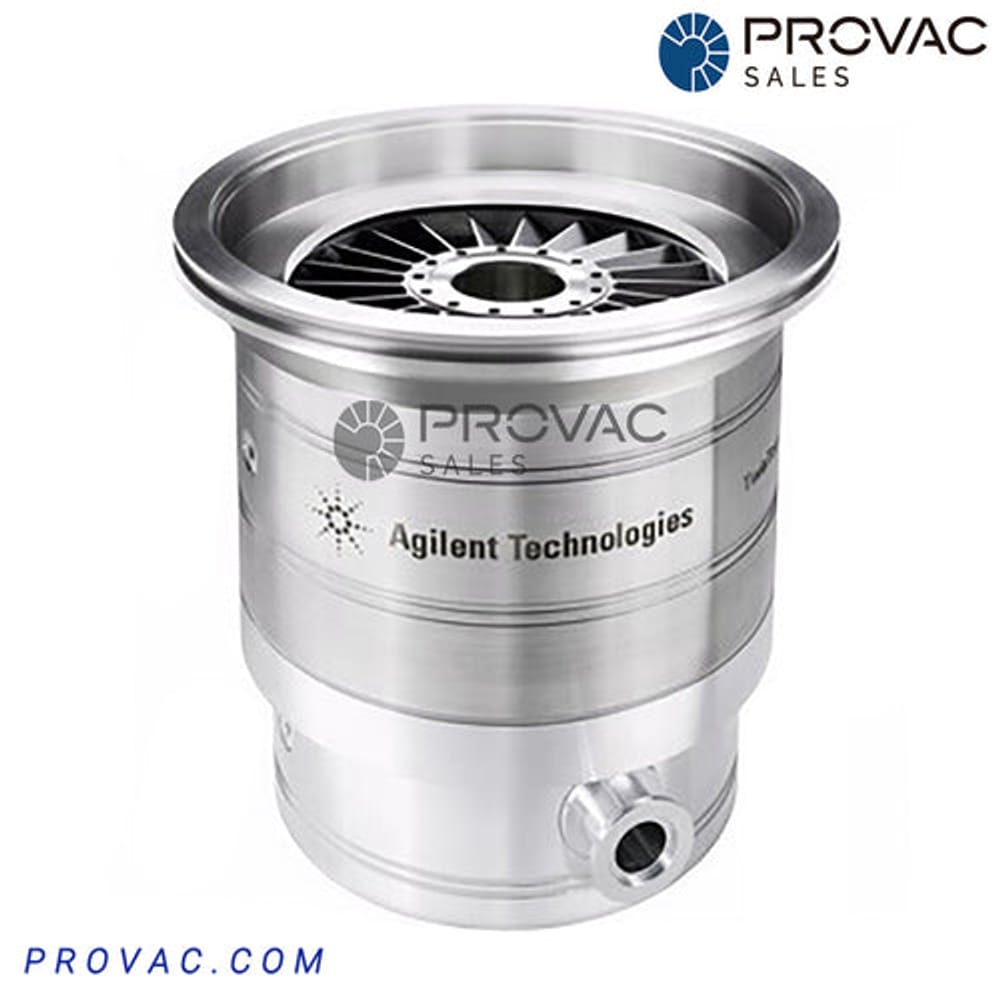
Agilent
Agilent TwisTorr 804FS Turbo Pump
Contact us for pricing
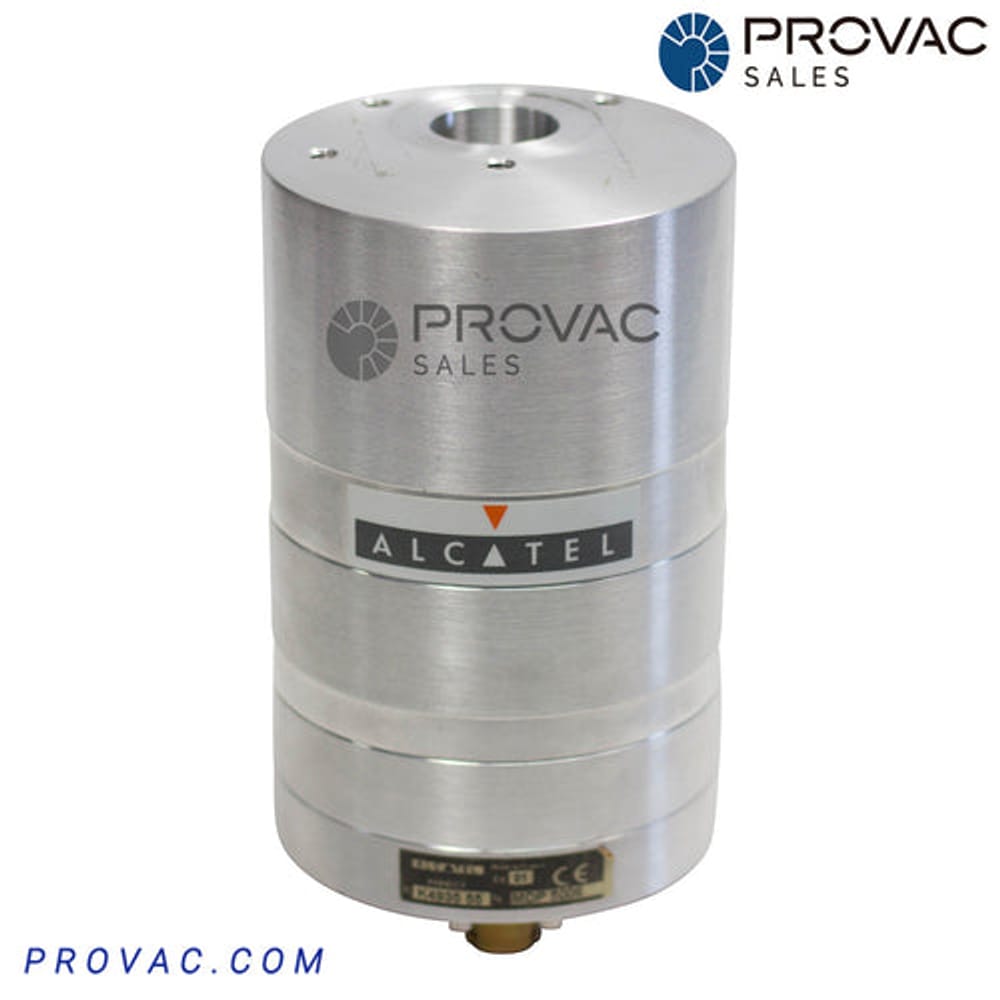
Alcatel/Adixen
Alcatel MDP-5006 Turbo Pump, Rebuilt
$ 2,975.00
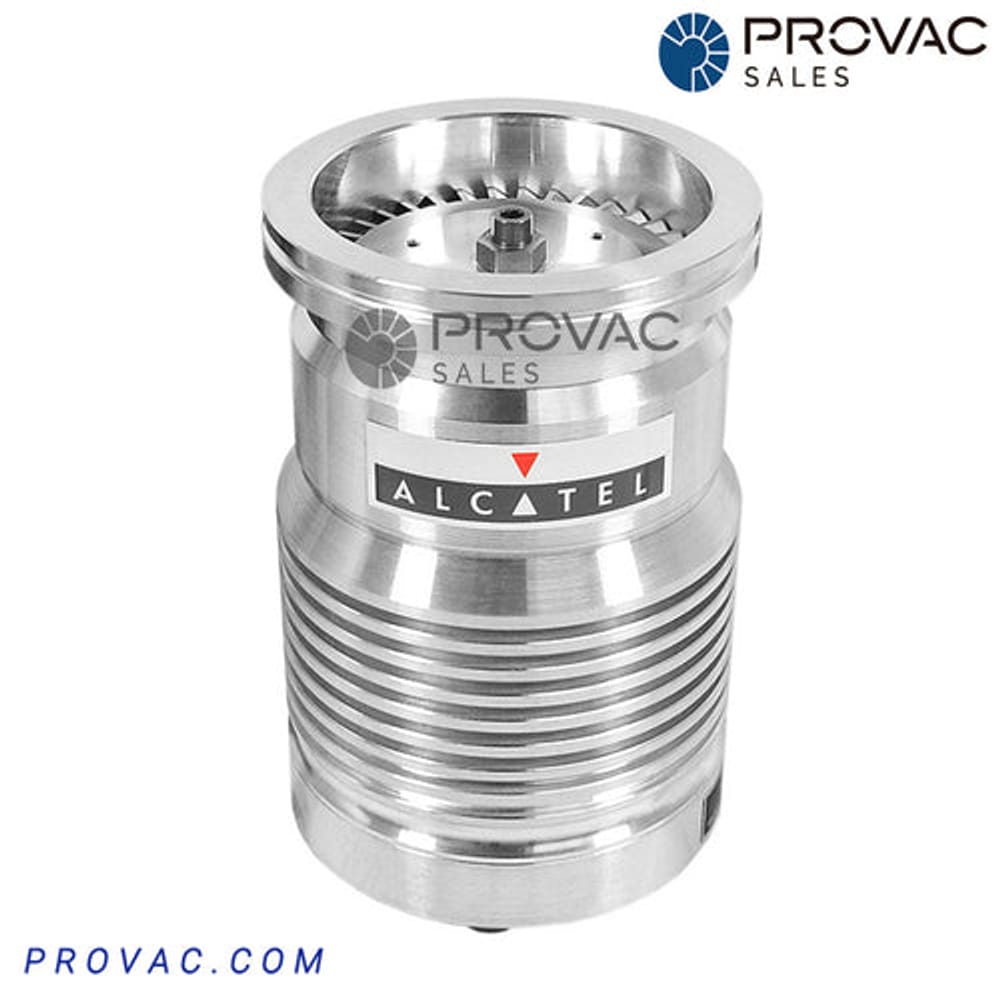
Alcatel/Adixen
Alcatel MDP-5010 Turbo Pump, Rebuilt
Contact us for pricing
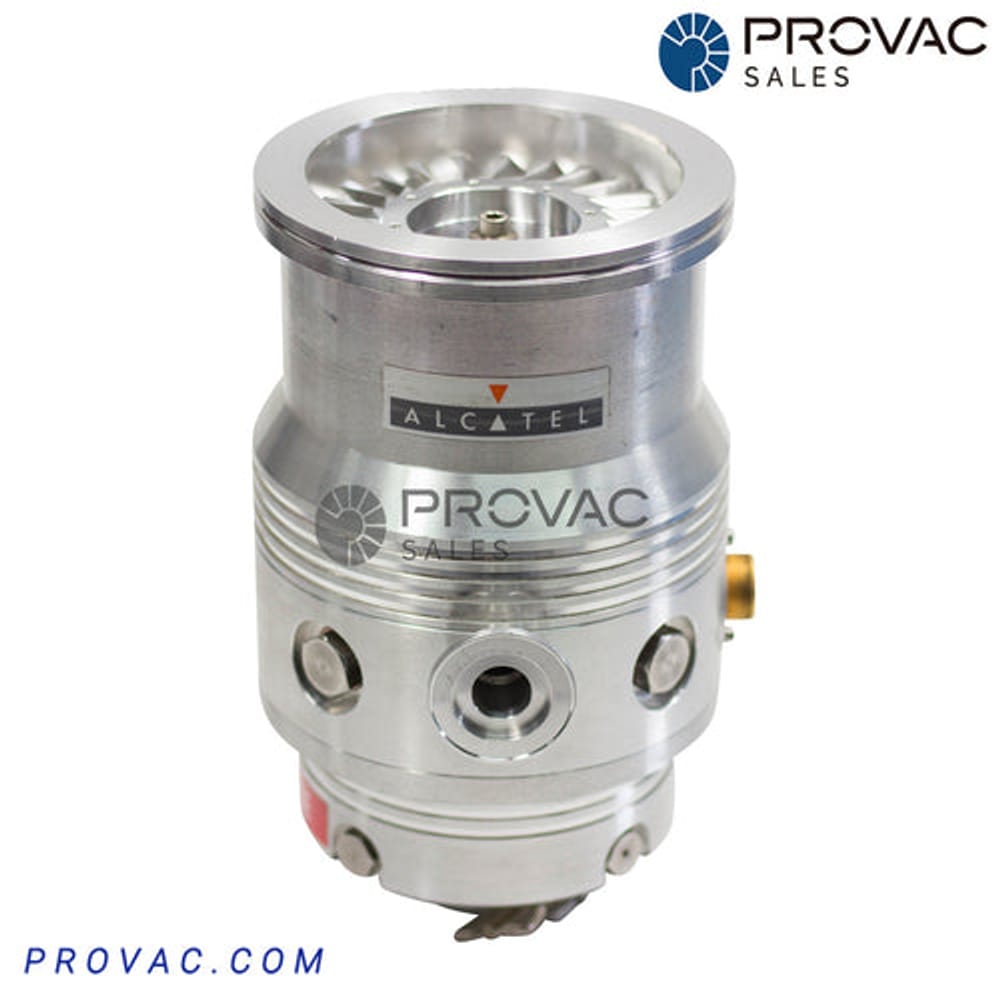
Alcatel/Adixen
Alcatel 5030CP Turbo Pump, Rebuilt
$ 4,095.00
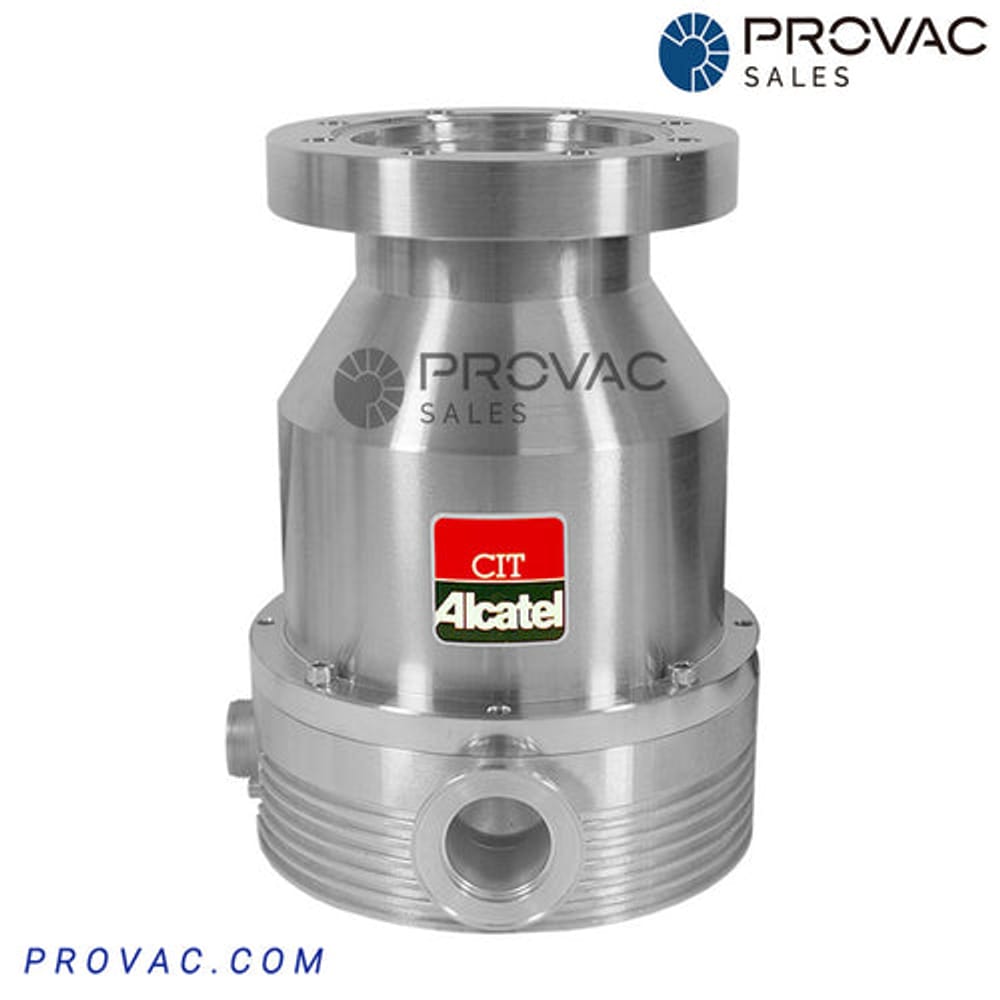
Alcatel/Adixen
Alcatel 5080 Turbo Pump, Rebuilt
$ 3,780.00
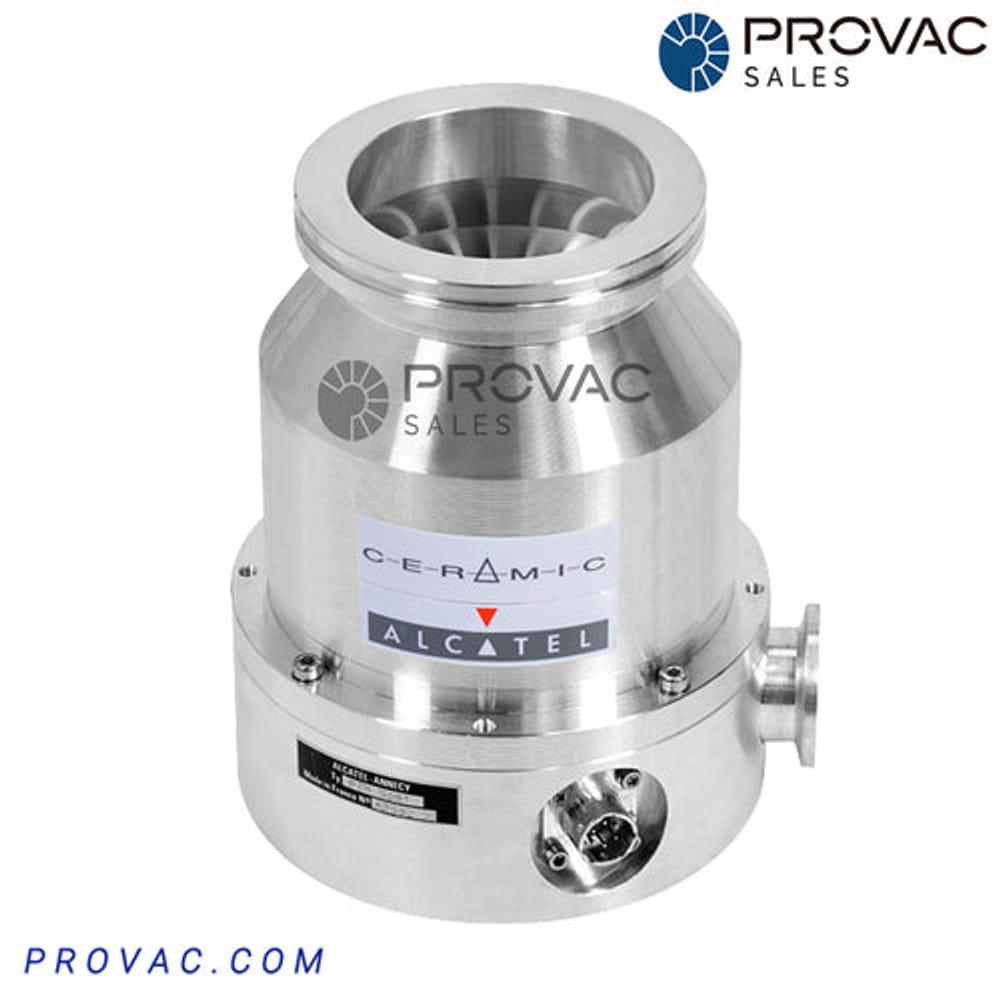
Alcatel/Adixen
Alcatel 5081 Turbo Pump, Rebuilt
$ 3,780.00
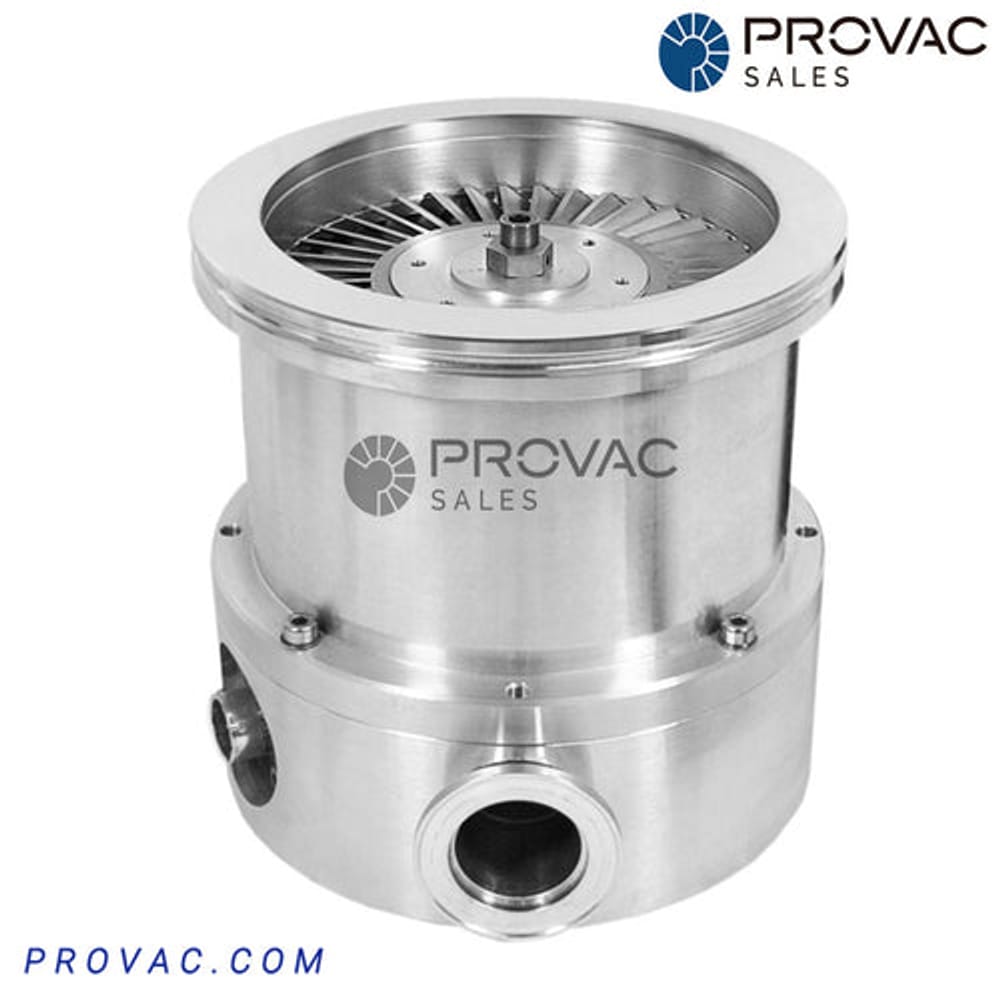
Alcatel/Adixen
Alcatel 5101 Turbo Pump, Rebuilt
$ 4,095.00
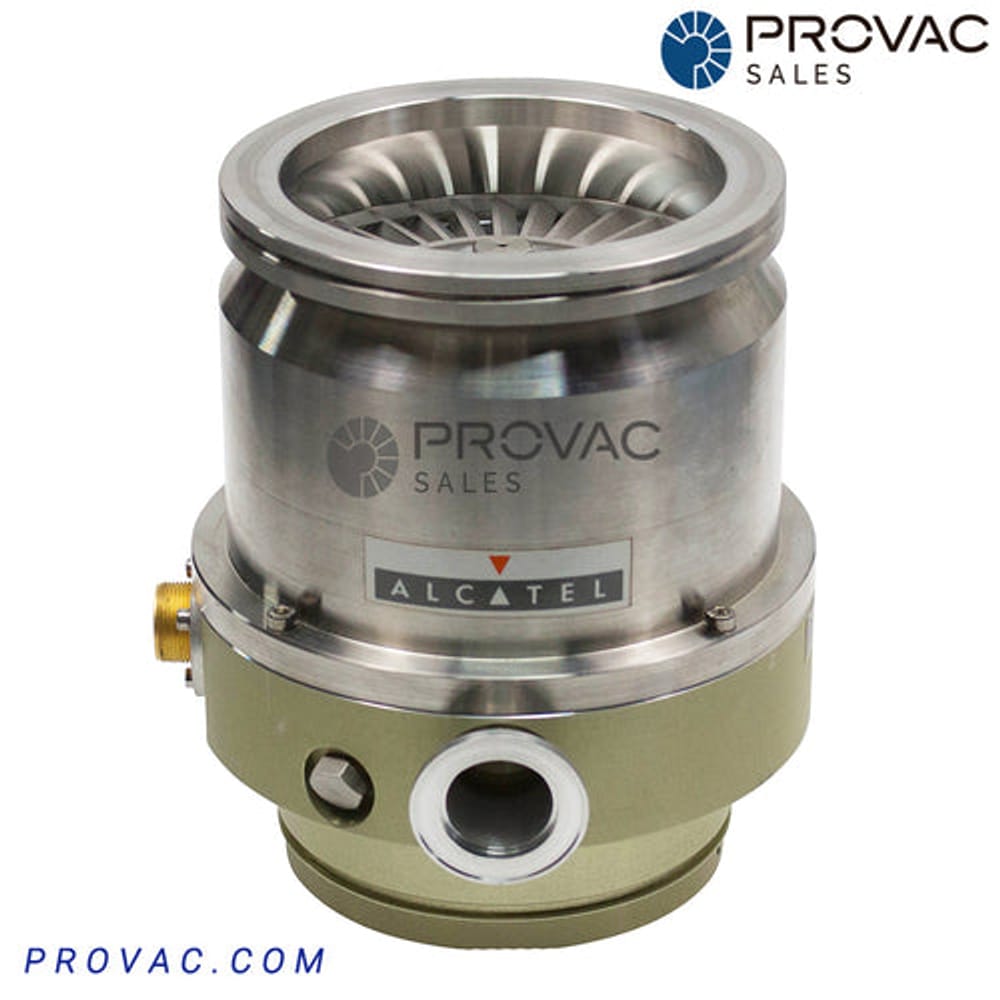
Alcatel/Adixen
Alcatel 5150 Turbo Pump, Rebuilt
$ 3,623.00
Turbo Pumps
Turbo pumps, or turbomolecular pumps, are advanced vacuum devices that play a crucial role in creating and maintaining high and ultra-high vacuum environments. These sophisticated vacuum turbo pumps operate by spinning rotor blades at extremely high speeds to impart momentum to gas molecules and direct them towards the exhaust. Turbopumps can achieve impressive vacuum levels, often reaching pressures as low as 10^-11 mbar, making them indispensable in applications such as semiconductor manufacturing, particle accelerators, and space simulation chambers. The turbomolecular pump price varies widely depending on factors like pumping speed, ultimate pressure, and specific features required for the application.
What is a Turbomolecular Vacuum Pump?
A turbomolecular vacuum pump is a type of turbo pump that operates on the principle of momentum transfer. It consists of rapidly rotating blades that impart momentum to gas molecules, directing them toward the pump's exhaust. This mechanism allows the pump to achieve and maintain extremely low pressures, making it ideal for applications requiring clean, high-vacuum environments.
How Turbo Pumps Work
The operation of a turbo vacuum pump can be broken down into several key steps:
- Gas molecules enter the pump through the inlet.
- The rapidly spinning rotor blades (up to 90,000 RPM) collide with the gas molecules.
- These collisions impart momentum to the molecules, directing them towards the pump's exhaust.
- Stationary stator blades help guide the molecules and prevent backflow.
- The process repeats through multiple stages, progressively lowering the pressure.
Applications of Turbo Pumps
Turbomolecular pumps find use in a wide range of applications, including:
- Semiconductor manufacturing
- Thin film deposition
- Mass spectrometry
- Particle accelerators
- Space simulation chambers
- Electron microscopes
Types of Turbo Pumps
Magnetically Levitated Turbo Pumps
These pumps suspend the rotor using magnetic bearings, eliminating the need for lubricants and reducing wear. They are ideal for applications requiring the highest levels of cleanliness.
Hybrid Turbo Pumps
Hybrid pumps combine a turbomolecular stage with a molecular drag stage, allowing them to operate at higher backing pressures and potentially eliminating the need for a separate backing pump.
Advantages of Turbo Pumps
- High pumping speeds
- Ability to achieve ultra-high vacuum levels
- Clean, oil-free operation
- Long operational life with proper maintenance
- Compact design for easy integration into systems
Considerations When Choosing a Turbo Pump
When selecting a turbo molecular pump for your application, consider the following factors:
- Required ultimate pressure
- Pumping speed needs
- Gas load and type
- Backing pump requirements
- Environmental conditions (temperature, vibration, etc.)
- Maintenance requirements and costs
Turbo Pump Price Considerations
The cost of a turbomolecular pump can vary significantly based on several factors. An introductory turbo pump price might start around $5,000, while more advanced models or those with higher pumping speeds can cost $20,000 or more. Factors affecting the turbo molecular pump price include:
- Pumping speed and ultimate pressure capabilities
- Size and design (magnetically levitated vs. conventional bearings)
- Additional features (integrated controllers, heating jackets, etc.)
- Brand and warranty
When considering the turbo pump price, it's essential to factor in long-term costs such as maintenance, potential repairs, and energy consumption.
Maintenance and Care of Turbo Pumps
Proper maintenance is crucial for ensuring the longevity and performance of your turbomolecular vacuum pump. Some essential maintenance practices include:
- Regular inspection of bearings and seals
- Proper venting procedures to prevent contamination
- Adhering to recommended service intervals
- Using appropriate backing pumps to avoid overloading
Consider pairing your turbo pump with a reliable dry pump as a backing pump for optimal performance.
Innovations in Turbo Pump Technology
Recent advancements in turbo pump technology have focused on:
- Increased energy efficiency
- Higher pumping speeds in compact designs
- Improved reliability and longer service intervals
- Better integration with control systems and IoT capabilities
- Enhanced corrosion resistance for harsh environments
Turbo Pumps for Sale: What to Look For
When searching for turbo pumps for sale, consider the following:
- New vs. refurbished options
- Warranty and after-sales support
- Compatibility with your existing system
- Energy efficiency ratings
- Noise levels and vibration characteristics
We sell new and refurbished turbo pumps, allowing you to find a solution that fits your budget and performance requirements.
Comparing Turbo Pumps to Other Vacuum Technologies
While turbo pumps excel in creating high and ultra-high vacuums, they're not always the best choice for every application. Here's how they compare to other vacuum technologies:
Turbo Pumps vs. Diffusion Pumps
Turbo pumps offer cleaner operation and faster pump-down times than diffusion pumps but typically have higher initial costs.
Turbo Pumps vs. Cryopumps
Cryopumps can achieve lower ultimate pressures than turbo pumps but require periodic regeneration. Turbo pumps offer continuous operation and are often more suitable for systems that experience frequent cycling.
Turbo Pumps vs. Ion Pumps
Ion pumps can maintain ultra-high vacuums without backing pumps but have limited pumping speeds for higher gas loads. Turbo pumps offer higher pumping speeds and can handle larger gas loads.
Selecting a Turbo Pump
When selecting the appropriate high vacuum pumps for a particular vacuum-application, there are several things to consider. What vacuum level needs to be achieved? Does the application have a lot of water vapor? What orientation will the pumps need to be installed?
Turbo pump is a commonly used description for a classification of high vacuum option which includes turbomolecular, molecular drag, and turbo drag pumps. Each type of pump has different benefits and use for applications.
In addition to the three different categories within the blanket term “turbo pump” there are also different bearing types and flange styles to choose.
Turbomolecular
In a true turbomolecular pump, there is a rotor which rotates around a shaft and stator blades. The shaft rotates on a bearing which can be sealed grease, oil lubricated, or magnetically levitated. These pumps require a more robust backing pump to help the unit get down to the low millitorr level before the turbomolecular pump can do its job. True turbomolecular pumps can achieve vacuum levels of 9-10 scale. It is less common to see a true turbomolecular pump design on modern pumps as many manufacturers have opted to add molecular drag stages to increase compression and reduce backing pump requirements.
Turbodrag
In turbo drag pumps there are turbomolecular stages as well as molecular drag stages. This gives the pump the ability to get down to a deep vacuum level, while increasing compression, and reducing the size of the backing pump. For example, you can back a turbo drag pump with a dry diaphragm pump which are typically slower pumping, quiet, and less costly to procure. With these requirements, turbo drag pumps are very popular for pumping stations where small diaphragm backing pumps can be used in conjunction keeping noise levels down, and reducing the amount of maintenance that has to be performed. Downsides of turbo drag pumps are that they cannot achieve as deep of vacuum as a true turbomolecular pump, and the molecular drag stages can degrade over time (especially as seen with carbon-fiber based stages) which makes the pump not serviceable.
Molecular Drag
Molecular drag pumps are an “in between” style option when an application requires a higher vacuum level, but not to the full extent of what a turbomolecular pump can offer. Molecular drag pumps typically max out at 5-6 scale vacuum. In this style of pump there are no turbomolecular stages, only a molecular drag stage which rotates slowly, compressing molecules from the top of the drag pump towards the exhaust. A major benefit of these slower moving pumps is that they are harder to destroy. Air in rushes which can occur, venting a pump, will destroy the rotor assembly of the fast spinning turbomolecular and turbo drag pumps. On the contrary, a molecular drag can handle air in rushes without much or any damage occurring to the pump.
Conclusion
Turbomolecular vacuum pumps are indispensable tools in high and ultra-high vacuum applications. Their ability to create clean, low-pressure environments makes them crucial in advancing scientific research and industrial processes. While the initial turbo pump price may be higher than some alternatives, their performance, cleanliness, and longevity often make them a cost-effective choice in the long run.
When considering turbo pumps for your application, it's essential to carefully evaluate your specific needs, budget, and long-term operational requirements. By choosing the right turbo pump and maintaining it properly, you can ensure reliable and efficient vacuum performance for years.