
Vacuubrand Rotary Vane Pumps
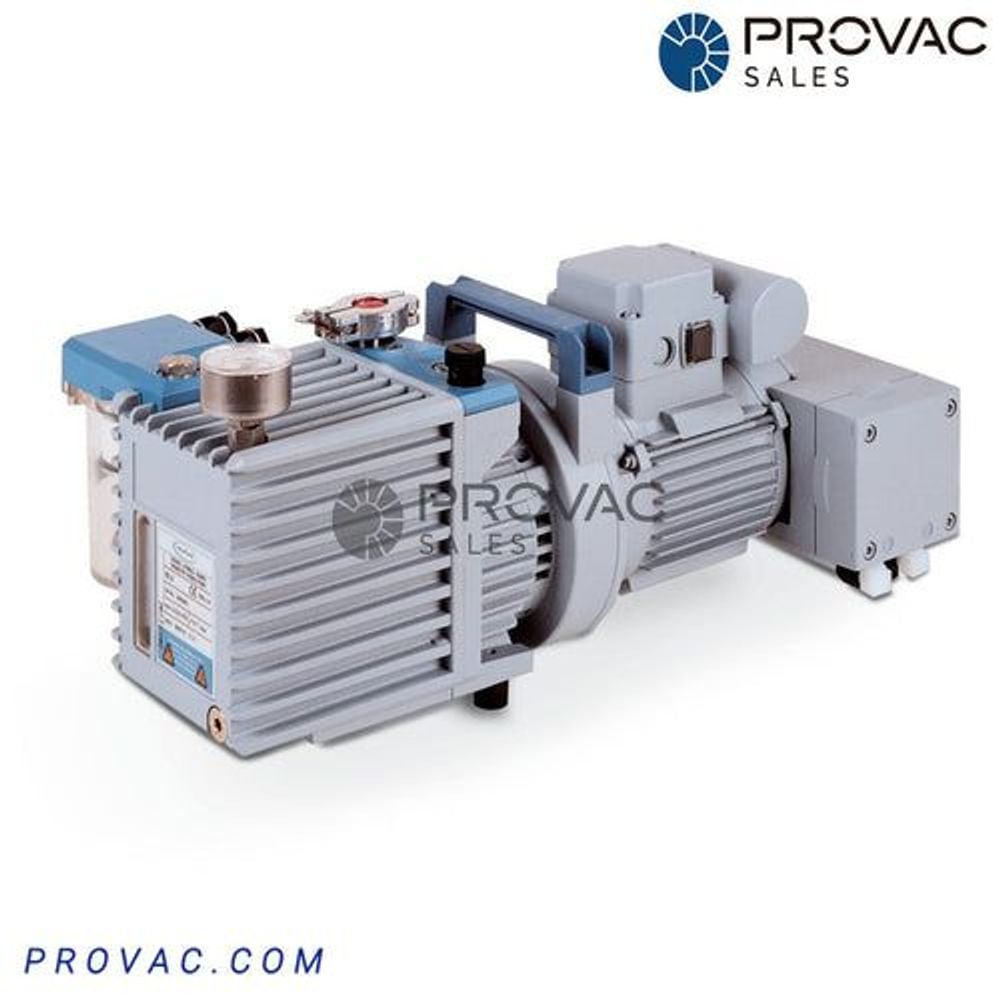
Vacuubrand
Vacuubrand RC 6 Chemistry Hybrid Pump
Contact us for pricing
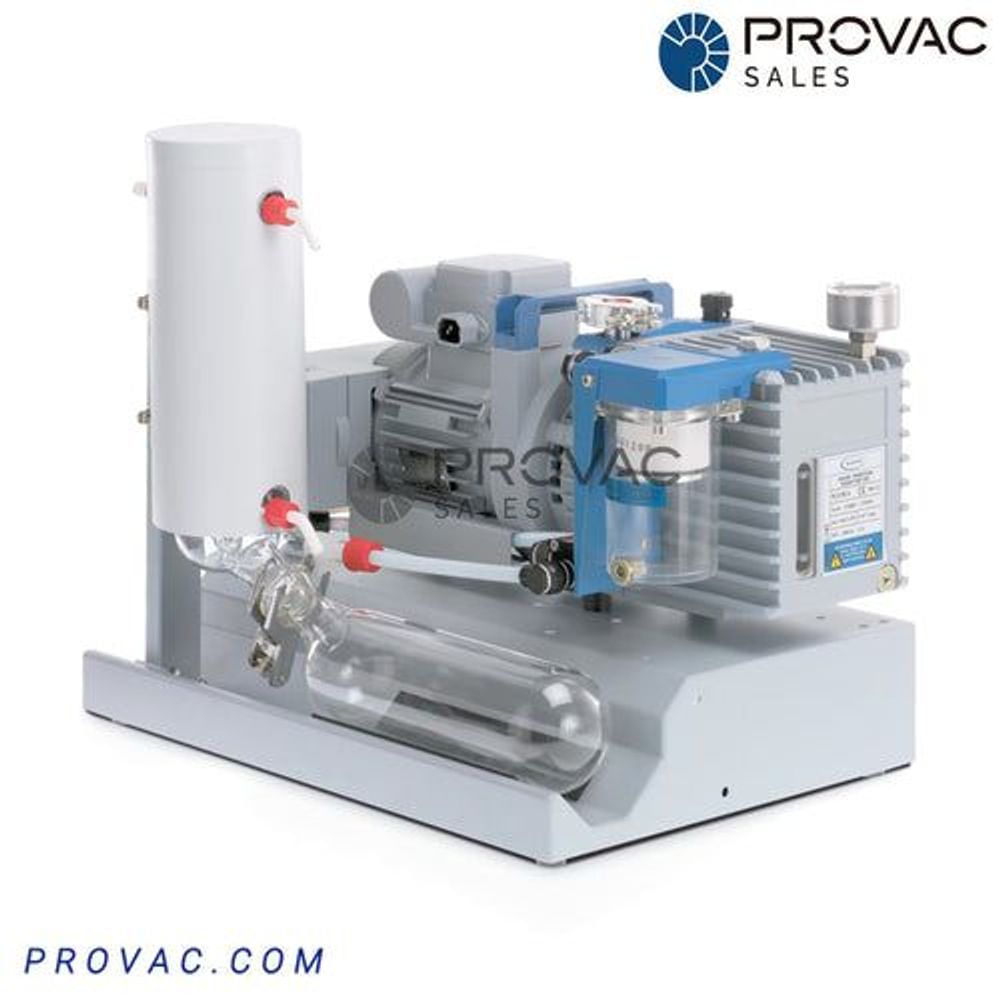
Vacuubrand
Vacuubrand PC 8 / RC 6 Chemistry Hybrid Pump
Contact us for pricing

Vacuubrand
Vacuubrand PC 3 / RZ 9 Rotary Vane Pumping Unit
Contact us for pricing

Vacuubrand
Vacuubrand RZ 9 Rotary Vane Pump
Contact us for pricing

Vacuubrand
Vacuubrand RE 9 Rotary Vane Pump
Contact us for pricing

Vacuubrand
Vacuubrand PC 3 / RZ 6 Rotary Vane Pumping Unit
Contact us for pricing

Vacuubrand
Vacuubrand RZ 6 Rotary Vane Pump
Contact us for pricing

Vacuubrand
Vacuubrand RE 6 Rotary Vane Pump
Contact us for pricing

Vacuubrand
Vacuubrand PC 3 / RZ 2.5 Rotary Vane Pumping Unit
Contact us for pricing

Vacuubrand
Vacuubrand RZ 2.5 Rotary Vane Pump
Contact us for pricing

Vacuubrand
Vacuubrand RE 2.5 Rotary Vane Pump
Contact us for pricing
Vacuubrand Rotary Vane Pumps
Vacuubrand rotary vane pumps deliver deep, reliable vacuum for the laboratory and industrial applications that demand low ultimate pressures. When your process needs to reach pressures that oil free technologies struggle to hit, an oil sealed rotary vane pump is the proven answer, and Vacuubrand builds these pumps with the strong pumping performance and durable construction that decades of German vacuum engineering are known for. Provac supplies Vacuubrand rotary vane pumps as new, professionally rebuilt, and repair ready units, all tested and shipped with warranty. See the full Vacuubrand collection for related equipment, or read on to understand how these pumps work and where they earn their place.
The people who reach for a rotary vane pump are usually chasing depth of vacuum and steady, continuous operation. Freeze drying, distillation, and backing a turbomolecular pump all reward a pump that can pull hard, hold pressure, and keep running without fuss. That is exactly the job a Vacuubrand rotary vane pump is built for. The sections below cover the mechanics, the benefits that matter in real use, and the applications where this technology is the right tool.
How Rotary Vane Pumps Work
A rotary vane pump uses vanes mounted in a rotor that spins inside a cylindrical housing, offset from center. As the rotor turns, the vanes slide in and out to follow the housing wall, sweeping gas from the inlet around to the outlet and compressing it for discharge. A film of oil seals the small clearances between the vanes, rotor, and housing, and it lubricates and cools the moving parts at the same time. That oil seal is the secret to the pump reaching deep vacuum, because it closes off the tiny leak paths that would otherwise limit ultimate pressure.
The trade off for that depth is the oil itself. The oil must be checked and changed on a schedule, and because there is oil in the gas path, some vapor can migrate back toward the inlet. In clean, oil sensitive processes that backstreaming is a concern, which is why oil free pumps exist. But when your priority is reaching a genuinely low pressure and holding it, the rotary vane pump remains the workhorse, and simple accessories such as inlet traps and exhaust filters manage the oil related downsides. Vacuubrand builds two stage designs that reach lower ultimate pressures than single stage pumps, giving you the depth that demanding vacuum work requires.
Key Benefits
The defining benefit of a Vacuubrand rotary vane pump is deep ultimate vacuum. If your specification calls for pressures that oil free pumps cannot comfortably reach, this technology gets you there. Alongside that depth you get high pumping speed, so the pump evacuates a chamber quickly and keeps pace with gas loads during a process rather than lagging behind.
Rugged, durable construction is the second pillar. These pumps are engineered for continuous duty and long service life, which is why you find them running for years in busy labs and production environments. The oil that seals the pump also lubricates and cools it, contributing to that long life when the oil is maintained on schedule. Dependable continuous operation means you can put the pump on a long freeze drying run or a backing duty and trust it to keep working without babysitting.
There is also a strong cost argument for buying rebuilt. Rotary vane pumps are mechanical, serviceable machines, and a professionally rebuilt Vacuubrand unit from Provac is returned to tested performance and backed by warranty. That gives you the deep vacuum and durability of the design at a price well below new, which is why rebuilt pumps are so popular with labs managing a budget.
Common Applications
Rotary vane pumps are used in freeze drying, vacuum drying, distillation, and industrial and analytical vacuum systems where low pressures are essential. In freeze drying and lyophilization, the pump pulls and holds the deep vacuum that lets frozen solvent sublimate cleanly, and it does so over long unattended cycles. In distillation and solvent recovery, the depth of vacuum lets you lower boiling points and separate compounds gently.
One of the most common roles for a rotary vane pump is as a backing pump for a high vacuum system. Turbomolecular pumps cannot exhaust directly to atmosphere, so they need a reliable roughing and backing pump beneath them, and a two stage rotary vane pump is a classic choice for that duty in mass spectrometry, electron microscopy, and research vacuum systems. In that role the vane pump does two jobs. It roughs the chamber down from atmosphere to the pressure where the turbo pump can safely take over, and it then maintains the backing pressure the turbo pump needs to keep spinning. A weak or poorly maintained backing pump will limit the performance of even the best turbo pump, which is why the vane pump matters more than its modest appearance suggests.
Beyond these, the pumps support a wide range of laboratory and industrial processes that simply need dependable, deep vacuum, from degassing and impregnation to vacuum ovens, gel drying, and environmental test chambers. Anywhere a process needs to reach and hold a genuinely low pressure over long periods, the rotary vane pump is a proven and economical answer.
Choosing and Maintaining Your Rotary Vane Pump
When you select a rotary vane pump, match the ultimate pressure and pumping speed to your process. Ultimate pressure tells you how deep the pump can pull, and pumping speed tells you how quickly it moves gas, so a large chamber or a heavy gas load calls for more speed even when the target pressure is modest. If you are backing a turbo pump, size the vane pump to the turbo pump maker recommendation so the backing capacity comfortably keeps up, because an undersized backing pump will choke the whole system.
If you handle vapors or condensables, use the gas ballast feature and the correct oil, and add an inlet trap to keep vapor out of the oil and reduce backstreaming toward your chamber. Gas ballast lets the pump purge condensable vapor before it turns to liquid inside the oil, which protects both the oil and the pump. Good maintenance is otherwise straightforward. Keep the oil clean and at the right level, change it on schedule or sooner if it darkens or becomes contaminated, and check the exhaust filter, and the pump will reward you with years of deep, steady vacuum. When ultimate pressure eventually drifts up or the pump runs hot or noisy, that is a signal for service rather than replacement, and our repair team can restore the pump to specification at a fraction of the cost of a new unit.
Why Buy From Provac?
Provac is a vacuum specialist that stocks, rebuilds, and repairs Vacuubrand pumps in house. Every rebuilt rotary vane pump we ship is tested to performance and covered by warranty, so a rebuilt unit is a dependable and economical way to get deep vacuum on your bench or line. If you already run a Vacuubrand vane pump that has lost ultimate pressure or started to run hot, our repair service can bring it back rather than pushing you toward a costly replacement. Tell us your target pressure, your gas load, and whether you are backing another pump, and we will recommend the model that fits instead of the one that costs the most.
Related Vacuubrand Equipment
Provac also offers oil free Vacuubrand diaphragm pumps and dry pumps for contamination free vacuum, plus turbo pump controllers for high vacuum systems. Browse the complete Vacuubrand lineup or contact our vacuum specialists at 831-462-8900 for a recommendation tailored to your process.
Vacuubrand Rotary Vane Pumps FAQ
1. Why does a rotary vane pump use oil instead of running dry?
A film of oil seals the small clearances between the vanes, rotor, and housing while also lubricating and cooling the moving parts. That oil seal closes off the tiny leak paths that would otherwise limit ultimate pressure, which is what allows the pump to reach deeper vacuum than oil free technologies.
2. How is a rotary vane pump used as a backing pump for a turbo pump?
Turbomolecular pumps cannot exhaust directly to atmosphere, so a two stage rotary vane pump roughs the chamber down from atmosphere to the pressure where the turbo pump can safely take over, then maintains the backing pressure the turbo pump needs to keep spinning. An undersized or poorly maintained backing pump will limit the performance of even the best turbo pump.
3. What applications commonly use Vacuubrand rotary vane pumps?
These pumps are used in freeze drying and lyophilization, distillation and solvent recovery, and as backing pumps for mass spectrometry and electron microscopy systems. They also support degassing, impregnation, vacuum ovens, gel drying, and environmental test chambers wherever dependable, deep vacuum is needed.
4. How do I maintain a rotary vane pump if I work with vapors or condensables?
Use the gas ballast feature and the correct oil, and add an inlet trap to keep vapor out of the oil and reduce backstreaming. Gas ballast purges condensable vapor before it turns to liquid inside the oil, and keeping the oil clean, at the right level, and changed on schedule, along with checking the exhaust filter, protects the pump over the long run.
5. What's the difference between a new, rebuilt, and repaired rotary vane pump from Provac?
Provac supplies Vacuubrand rotary vane pumps as new units, professionally rebuilt units tested to performance and priced well below new, and repair service for pumps that have lost ultimate pressure or started running hot. Every pump shipped is backed by warranty.