
Edwards Blowers & Boosters
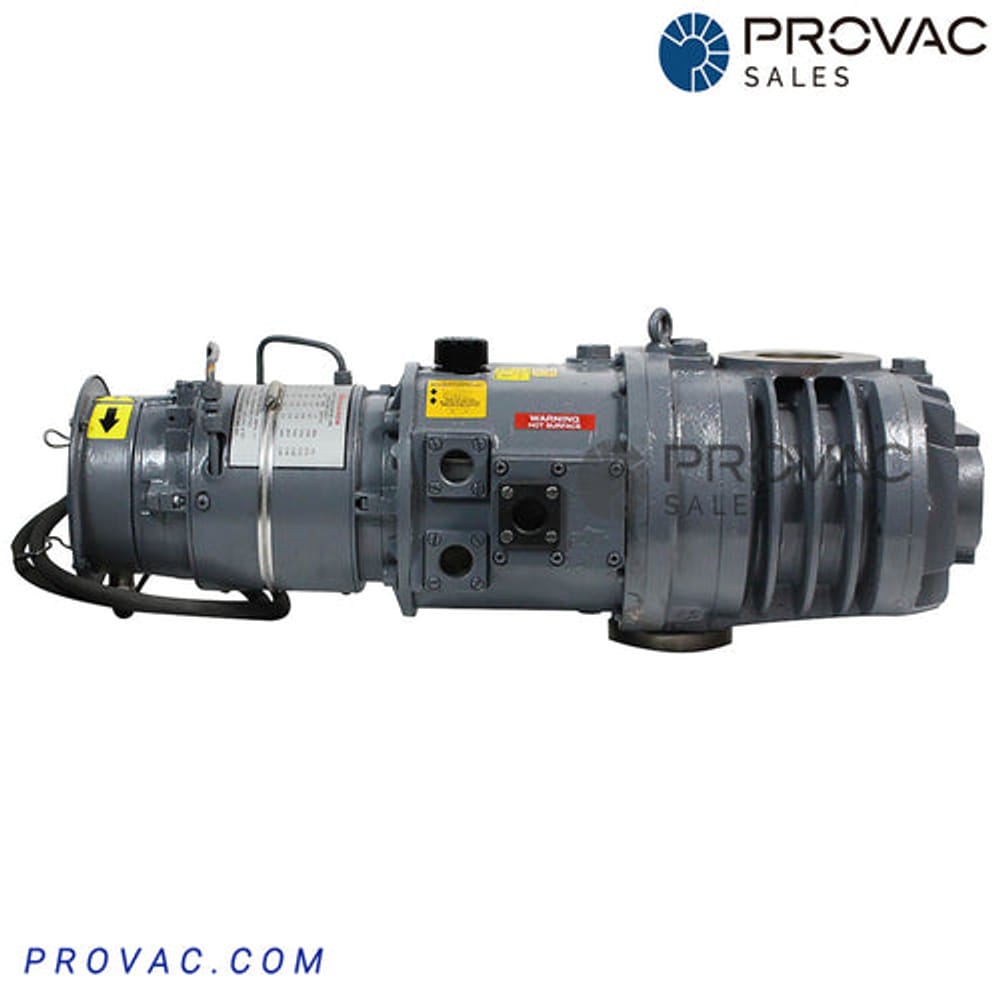
Edwards
Edwards QMB-500 Booster, Rebuilt, PFPE
$ 6,165.00
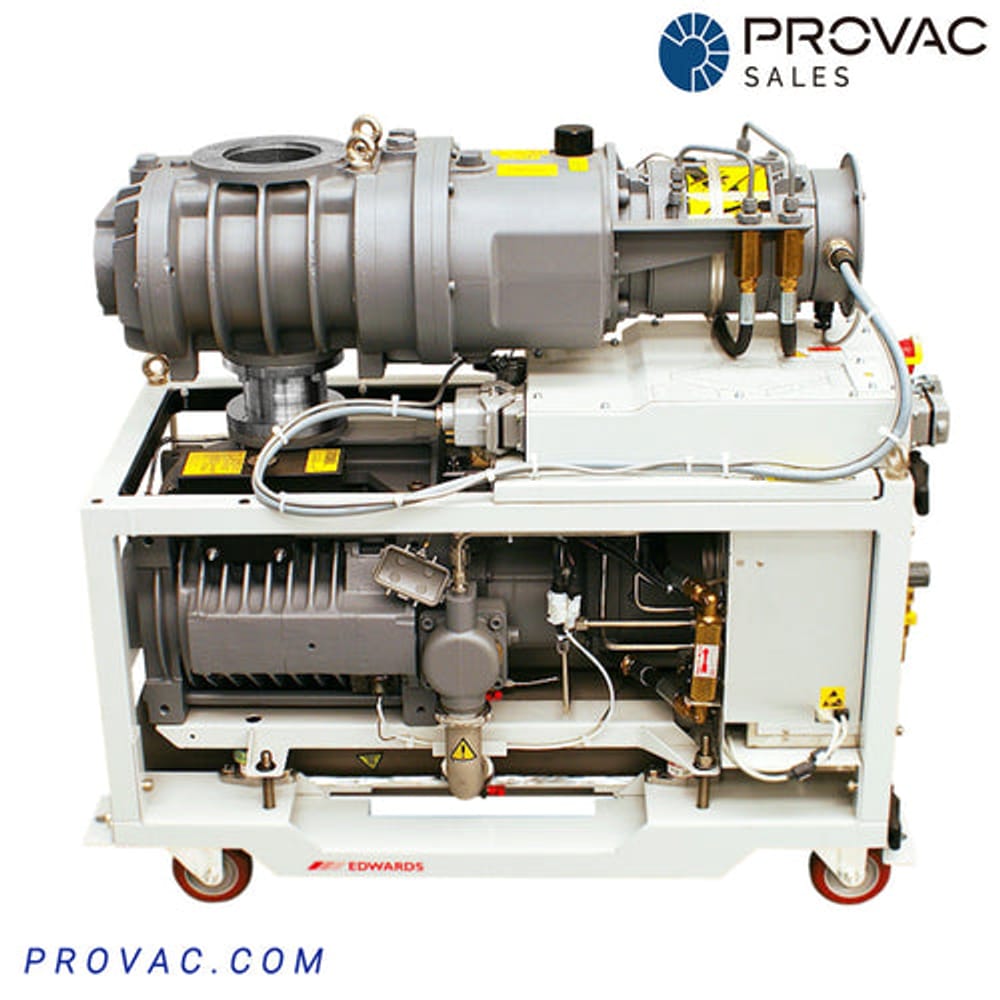
Edwards
Edwards iQDP-80/QMB-500 Package System, Rebuilt
$ 15,548.00
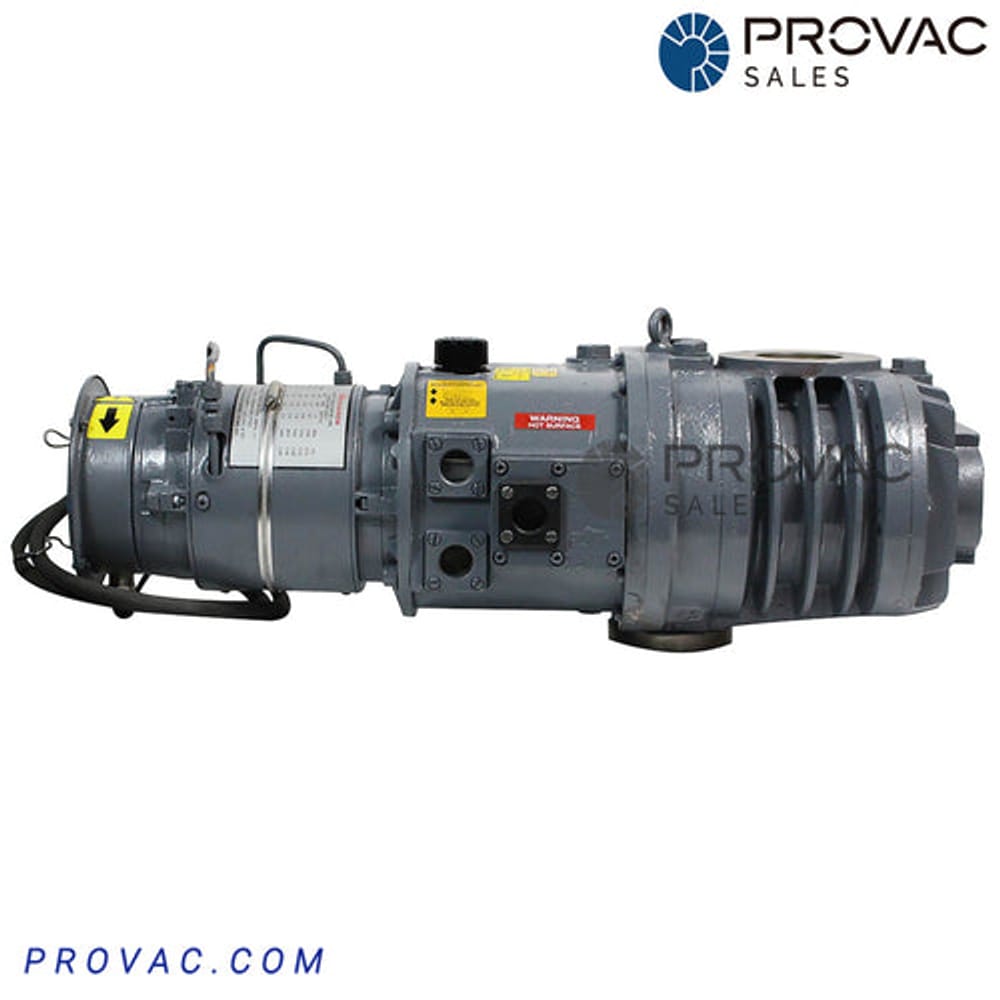
Edwards
Edwards QMB-500 Booster, Rebuilt, Hydro
$ 6,165.00
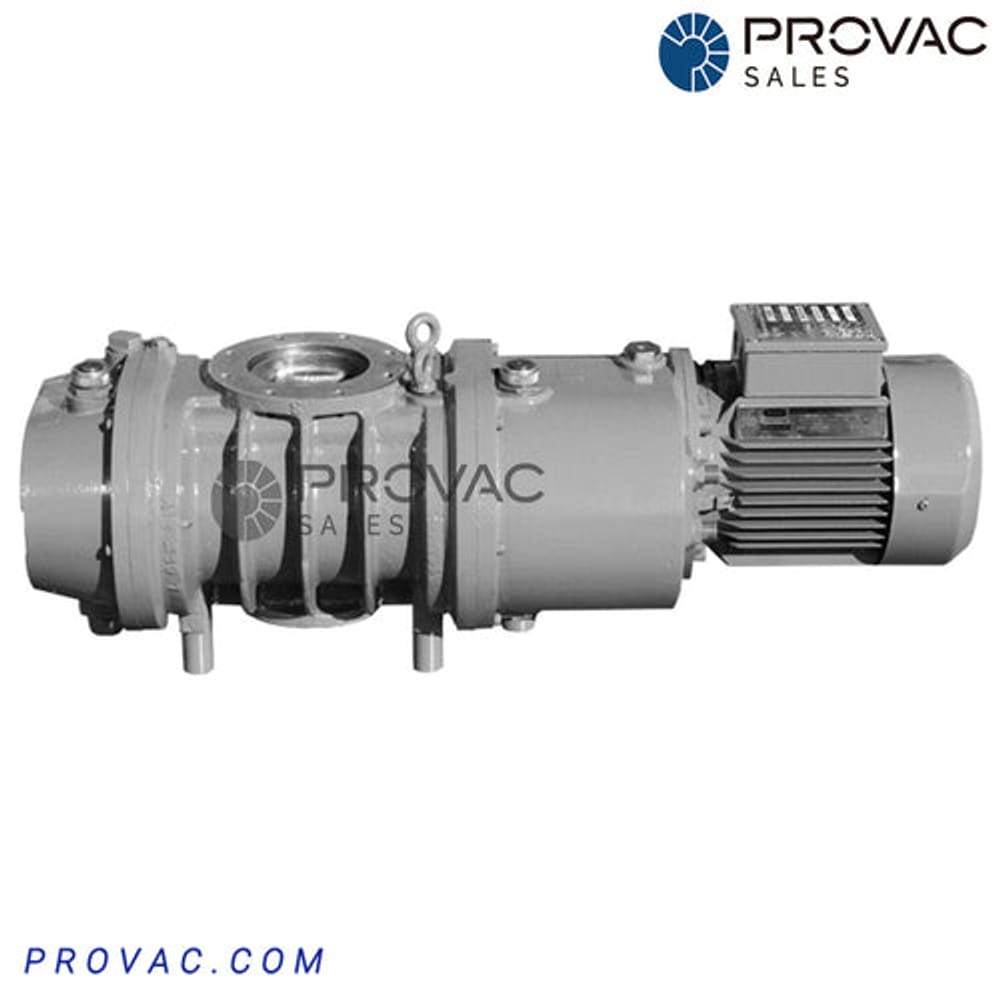
Edwards
Edwards EH-500 Blower
Contact us for pricing
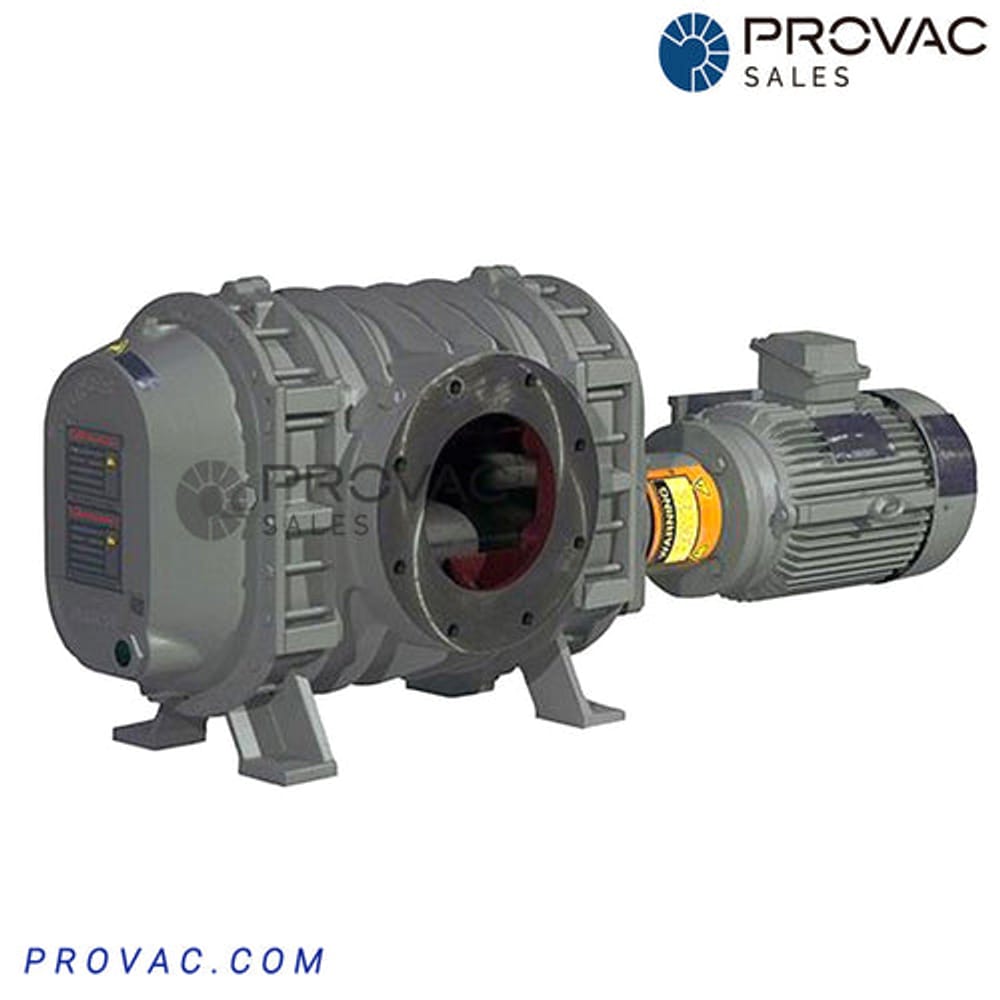
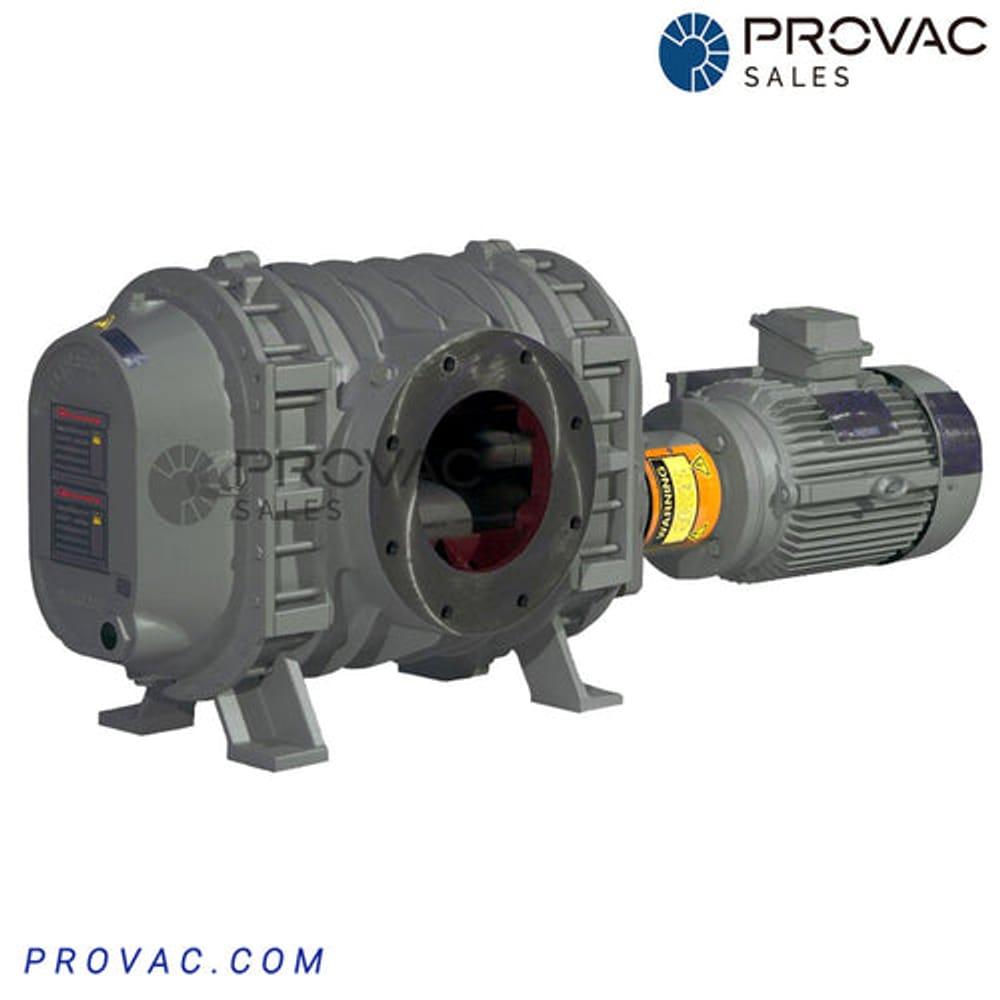
Edwards 615 Booster
Contact us for pricing
Edwards
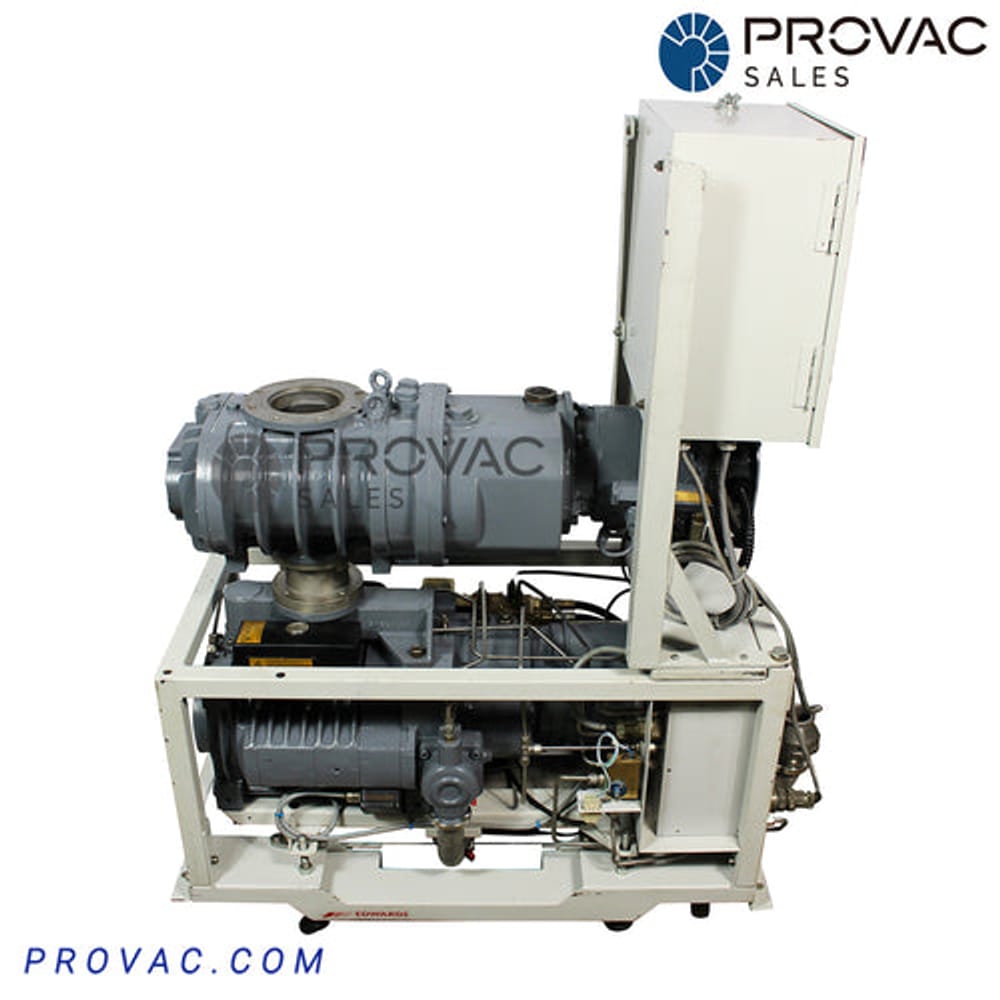
Edwards QDP-80/QMB-500 Package System, Rebuilt
$ 14,500.00
Edwards
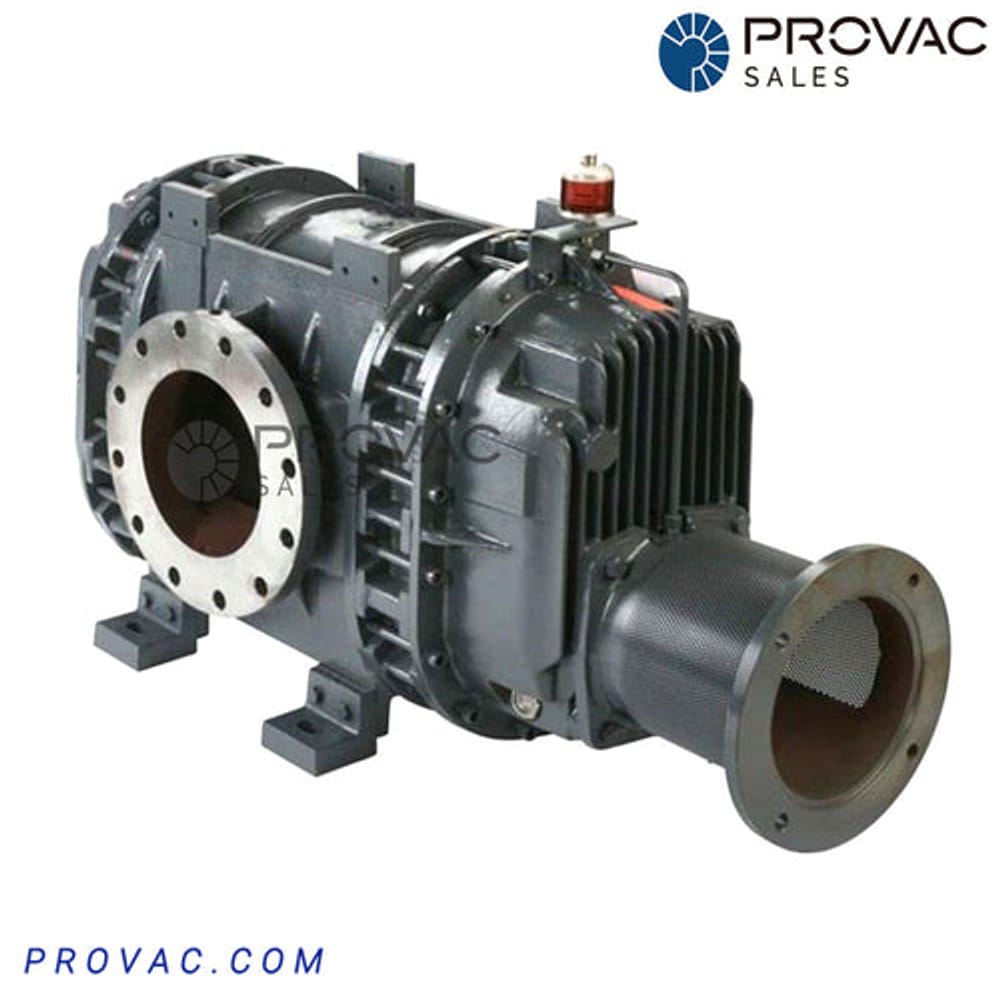
Edwards HV8000 Booster Pump
Contact us for pricing
Stokes
Stokes 622 Booster
Contact us for pricing
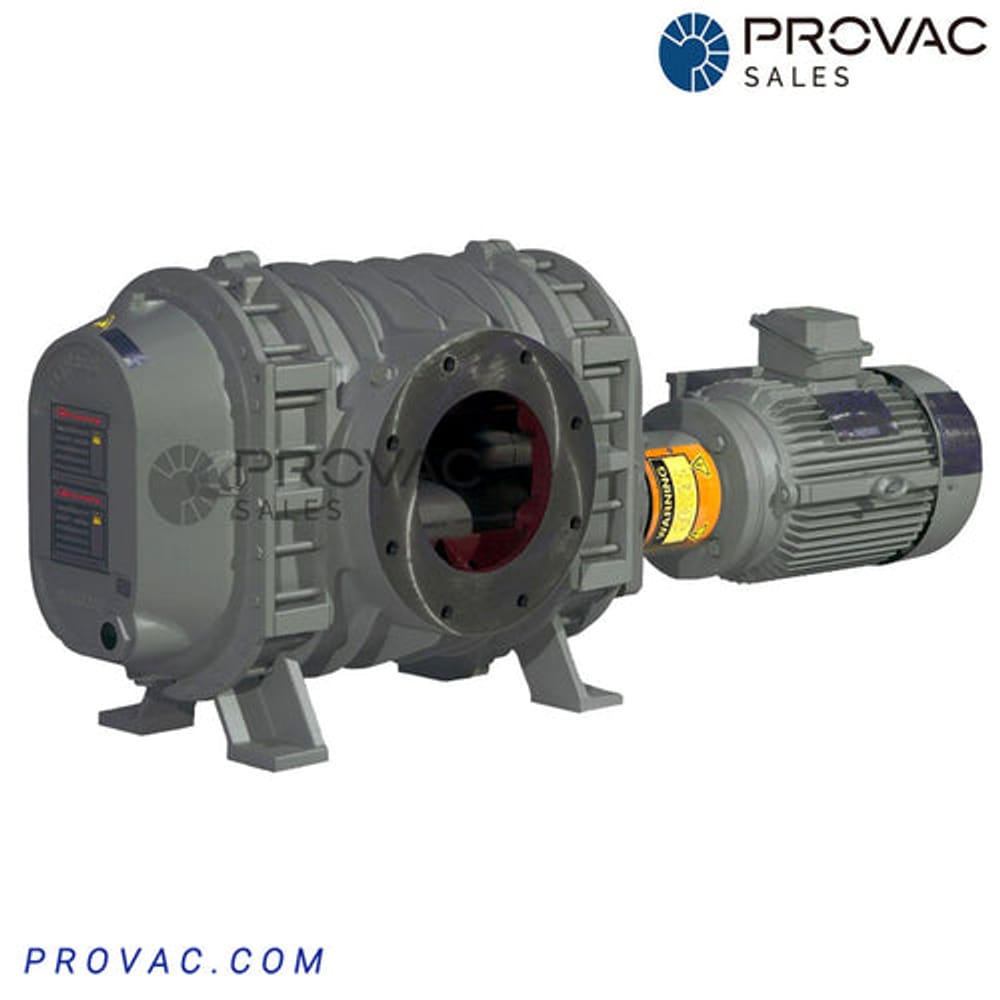
Stokes
Stokes 61B Booster
Contact us for pricing
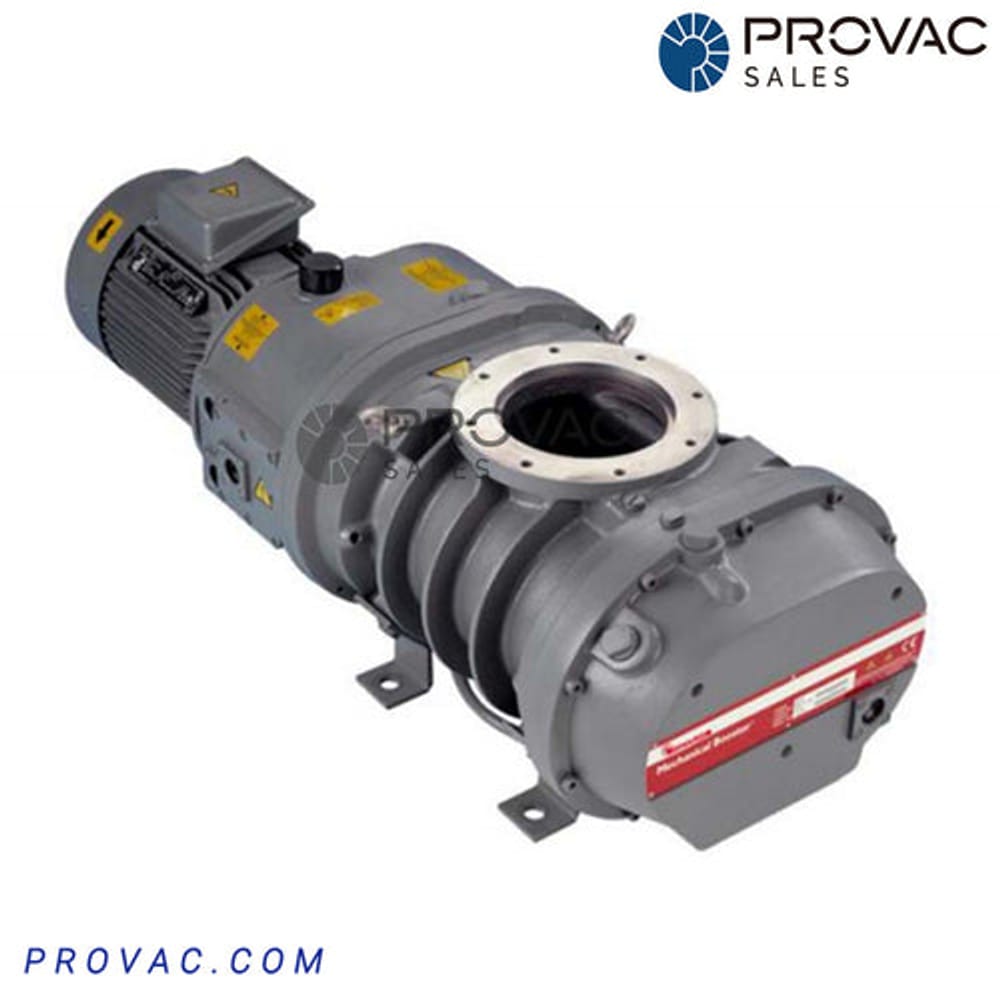
Edwards
Edwards EH-4200 Blower
Contact us for pricing
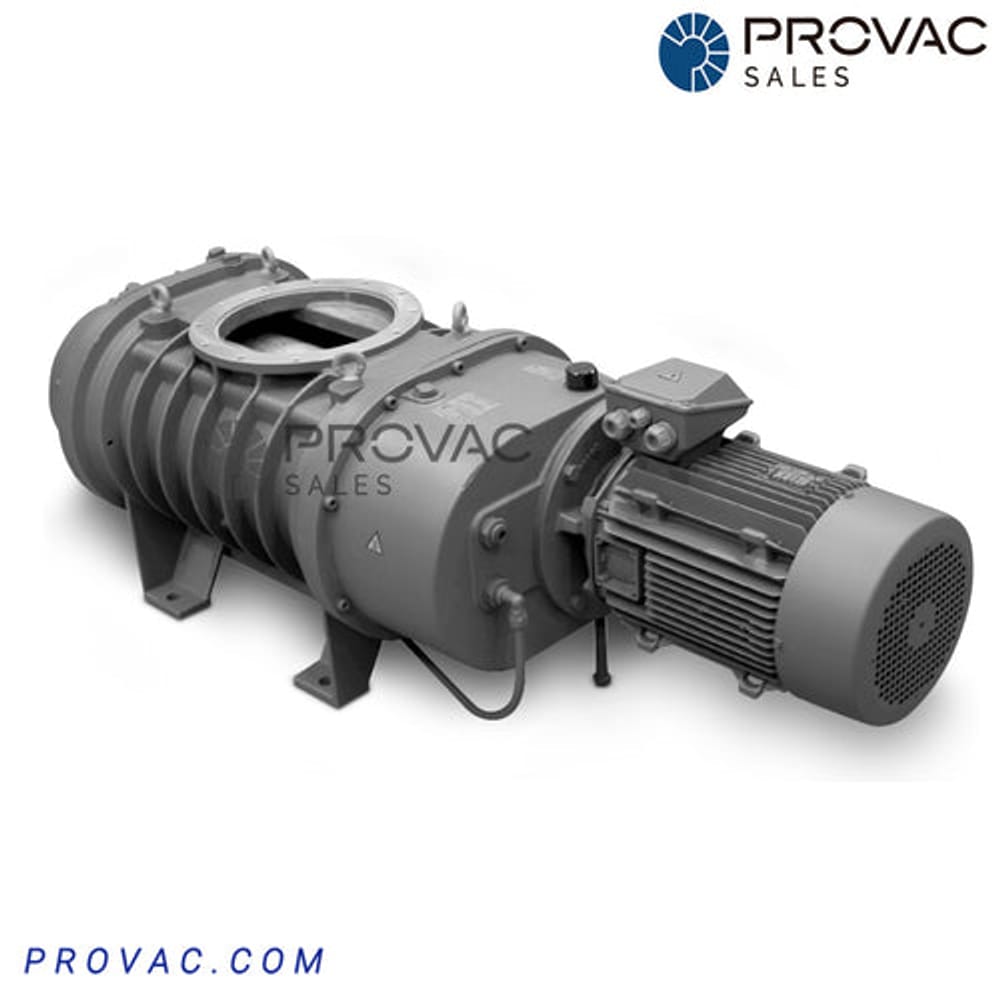
Atlas Copco
Atlas Copco ZRS 4200 Booster
Contact us for pricing
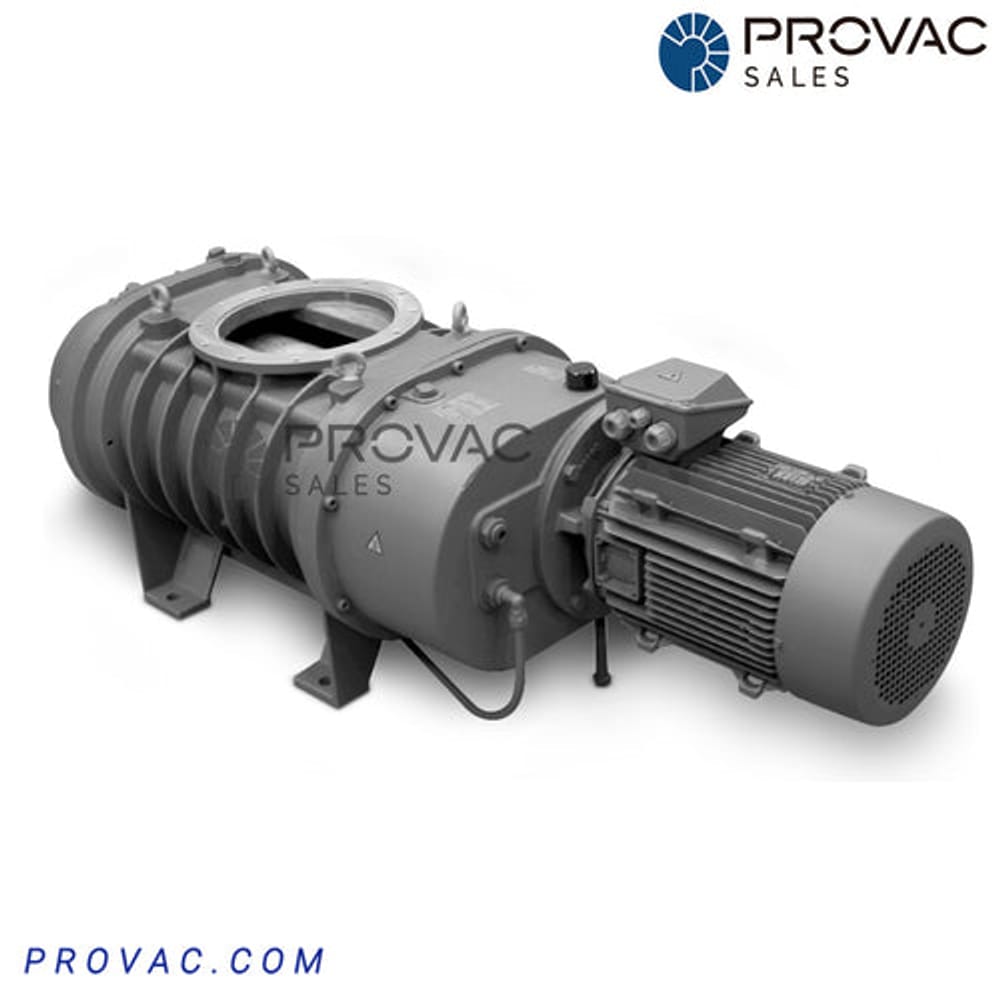
Atlas Copco
Atlas Copco ZRS 2600 Booster
Contact us for pricing
Edwards Blowers & Boosters
An Edwards mechanical booster sits on top of a backing pump and multiplies the pumping speed of the combination in the medium-vacuum range. Instead of buying a much larger rotary vane or dry pump, many users pair a booster with their existing pump to cut pump-down time, handle higher gas loads, and reach lower working pressures. At Provac Sales, we stock and rebuild Edwards EH series and QMB series boosters for industrial, coating, semiconductor and research systems.
Our Edwards booster inventory includes rebuilt units offered in both hydrocarbon oil and PFPE configurations, so you can match the gearbox and bearing lubricant to your process.
Edwards EH and QMB Models We Carry
The Edwards EH series is one of the most widely installed mechanical booster families in the world. Listings in this collection include:
- Edwards EH-250 blower, rebuilt, in hydro and PFPE versions, ISO63 inlet and KF40 exhaust, rated at about 141 CFM when backed by an E2M40
- Edwards EH-500 blower, rebuilt, in hydro and PFPE versions, ISO100 inlet and ISO63 exhaust, rated at about 206 CFM with an E2M40, with ultimate pressure around 7.5 x 10⁻⁴ Torr
- Edwards EH-1200 blower, rebuilt, in hydro and PFPE versions, ISO160 inlet and ISO100 exhaust, rated at about 495 CFM with an E2M80
- Edwards EH-2600 blower, rebuilt, hydro version, ISO160 inlet and ISO100 exhaust, rated at over 1,000 CFM with an E2M175
- Edwards QMB-250 and QMB-1200 boosters for compatible process applications
Rated speeds depend on the backing pump used in the combination, so the figures above are a guide rather than a guarantee for every setup. Each product page lists the inlet, exhaust, motor, oil type and weight for that unit.
How a Mechanical Booster Works
A booster uses two figure-eight shaped rotors that turn in opposite directions inside a housing, without touching each other or the walls. Gas trapped between the rotors and housing is carried from the inlet to the exhaust side, where the backing pump removes it. Because there is no sliding contact in the pumping chamber, the swept volume is very large for the size of the pump, which is why boosters can deliver several times the speed of the pump behind them.
Boosters do not work well against atmospheric pressure on their own. They need a backing pump to reduce the pressure first, and most installations either start the booster at a set crossover pressure or use a model with bypass or hydrokinetic drive features.
Hydrocarbon vs PFPE Boosters
The oil option refers to the lubricant used in the gearbox and bearing housings, which are sealed from the pumping chamber.
- Hydrocarbon oil is suitable for most clean industrial, coating and general vacuum applications and keeps service costs lower
- PFPE (perfluoropolyether) fluid is used when the process involves oxygen, aggressive or reactive gases, where hydrocarbon oils could degrade or create a safety risk
If you are replacing an existing booster, match the oil type already in service unless your process has changed. Converting between oil types requires a thorough clean and is best handled during a rebuild.
How to Size an Edwards Booster
Choosing a booster comes down to the backing pump and the target operating pressure. Consider:
- The model and displacement of your backing pump, for example an E2M40, E2M80, E2M175 or an Edwards dry pump
- The required working pressure and how quickly you need to reach it
- Gas load and any condensable vapors in the process
- Inlet and exhaust flange sizes on your system
- Available power, voltage and phase. Our rebuilt EH listings use 3-phase motors, typically 208-230/460V at 60Hz
- Whether the booster will run continuously or cycle with the process
A common rule is to size the booster at roughly 5 to 10 times the displacement of the backing pump, but the right ratio depends on the pressure range. Send us your system details and we will suggest a matched combination.
It also helps to think about how the booster will be controlled. Some installations switch the booster on with a pressure switch once the backing pump reaches crossover, while others use a variable speed drive so the booster can start earlier without overloading. If your current system uses a specific control scheme, tell us about it so the replacement booster fits into the same logic without rewiring.
Applications
Edwards EH and QMB boosters are used in:
- Vacuum coating, metallizing and thin film deposition
- Vacuum furnaces, heat treating and brazing
- Freeze drying and vacuum drying
- Semiconductor and solar process tools
- Leak testing and space simulation chambers
- Degassing, distillation and chemical processing
New vs Rebuilt Edwards Boosters
A rebuilt Edwards EH booster is a direct replacement for an existing installation, keeping the same flanges, footprint and backing pump arrangement. It is often the fastest and most cost-effective way to restore a system. New units may make sense for a new system design or where a specific factory configuration is required. Check the product listing and quotation for the exact condition and warranty terms.
Edwards Booster Repair and Rebuild Services
Provac Sales repairs and rebuilds Edwards EH and QMB series boosters at our facility in Soquel, California. A typical rebuild includes inspection, disassembly, cleaning, replacement of seals, bearings and other worn parts, reassembly and performance testing. Boosters that have run in dirty or corrosive processes may need additional work on rotors or housings.
Before shipping a booster for evaluation, submit an RMA request, complete the contamination data sheet and drain the oil. Learn more on our pump repair page.
Pair Your Booster With the Right Backing Pump
A booster is only as good as the pump behind it. Browse matching equipment:
- Edwards rotary vane pumps including E2M models
- Edwards dry pumps including iH, iGX and EPX models
- Edwards accessories for connection kits and adapters
Frequently Asked Questions
What is the difference between a blower and a booster?
In vacuum work, the terms are often used interchangeably. Both describe a Roots-type mechanical pump that increases the speed of a backing pump. Edwards calls the EH series mechanical boosters, while many catalogs list them as blowers.
Can I add an EH booster to my existing E2M pump?
Yes, this is one of the most common configurations. The EH-250 and EH-500 pair well with E2M40 class pumps, while the EH-1200 and EH-2600 pair with larger E2M80 and E2M175 pumps. Confirm flange sizes and electrical supply first.
Why is my booster getting hot or tripping?
Common causes include starting the booster at too high a pressure, a low oil level, a failing backing pump or worn bearings. Contact us with the symptoms and model number before shipping it for repair.
Do you rebuild Atlas Copco ZRS boosters as well?
We list Atlas Copco ZRS 250 and ZRS 500 boosters alongside the Edwards range. Contact us with the model number for repair options.
Request a Quote on Edwards Boosters
Send us the booster model, backing pump model, required oil type, voltage and target pressure. We will confirm availability and condition, or quote a rebuild of your existing unit. Contact us or call 831-462-8900.