
Edwards Piston Pumps
Edwards
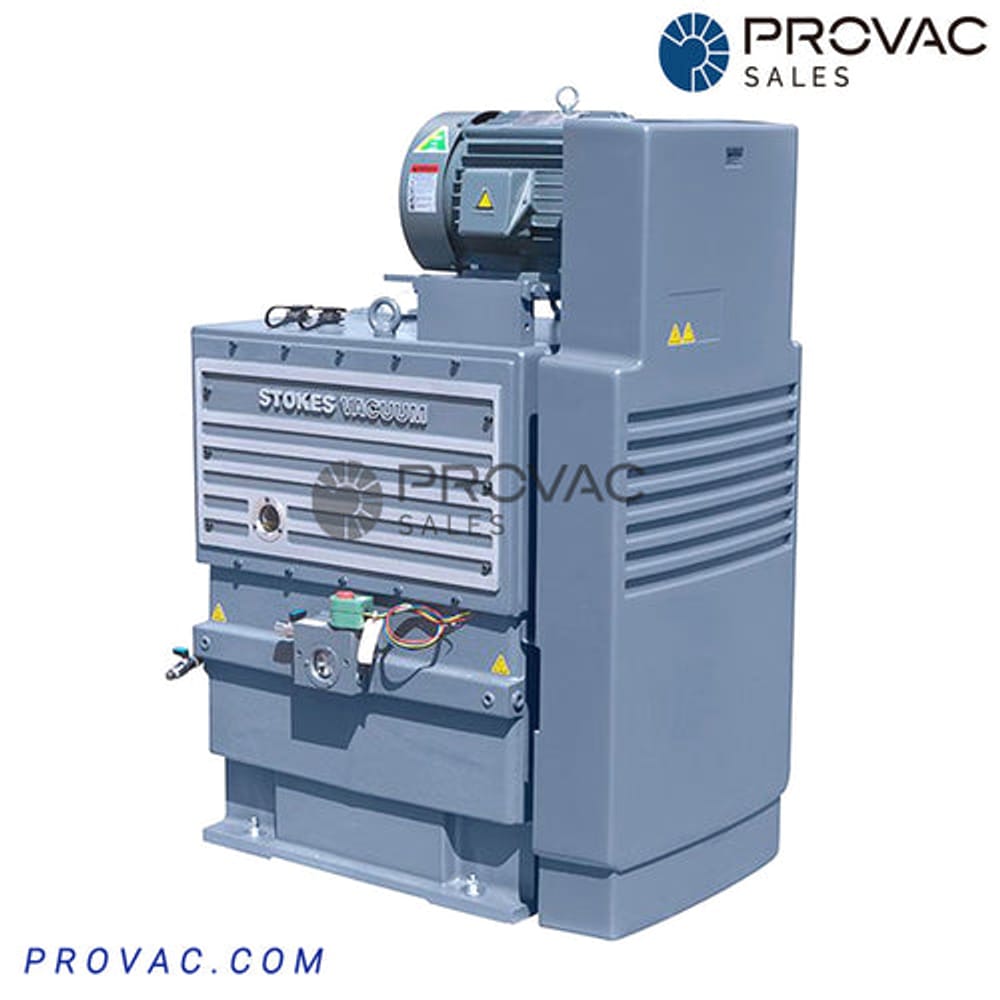
Edwards 412J Piston Pump, Rebuilt
Contact us for pricing
Edwards
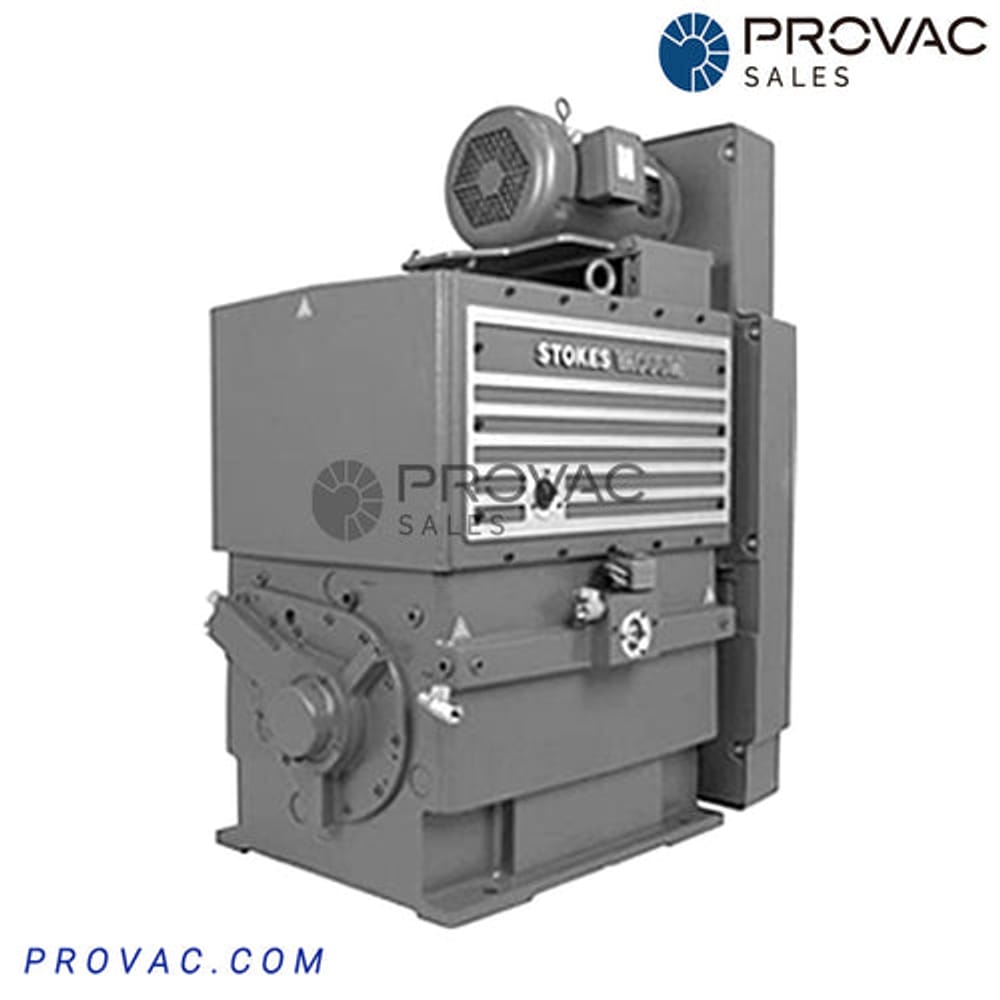
Edwards 612J Piston Pump
Contact us for pricing
Edwards
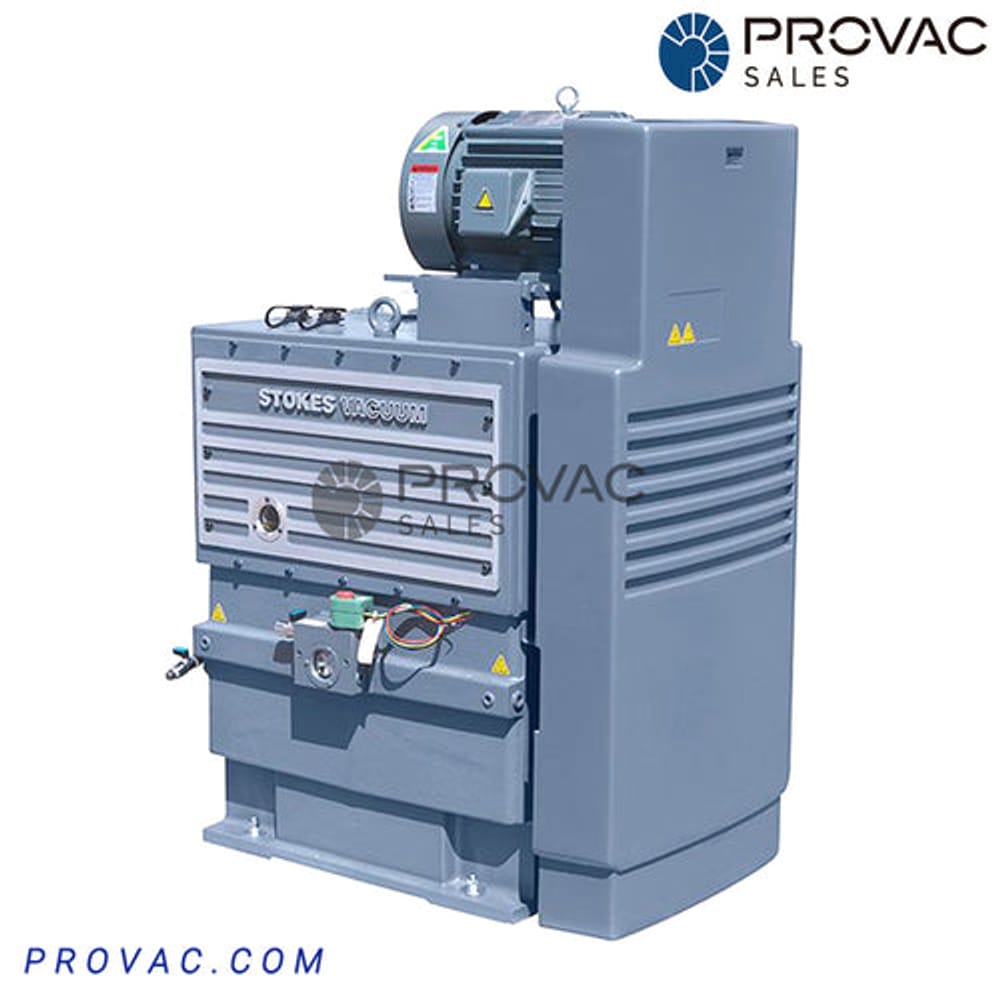
Edwards 412J Piston Pump
Contact us for pricing
Stokes
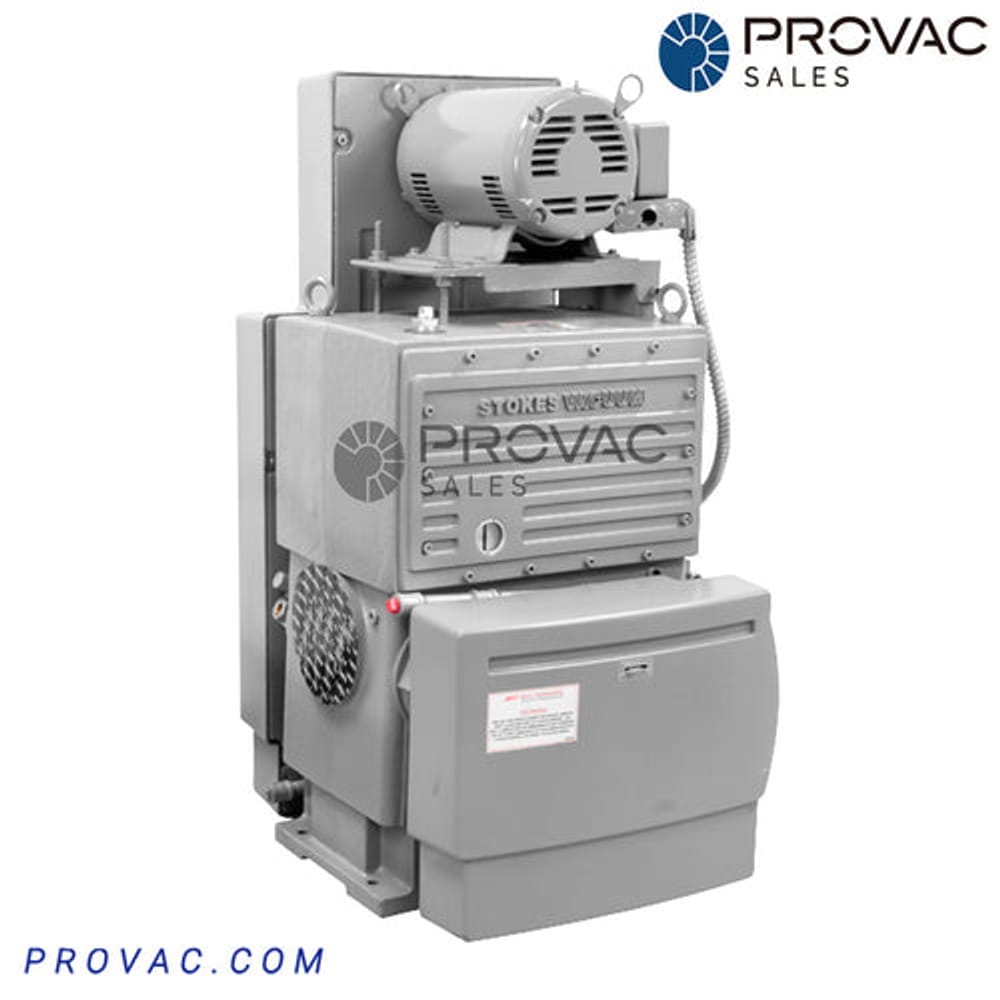
Stokes 212J Piston Pump, Rebuilt
$ 12,500.00
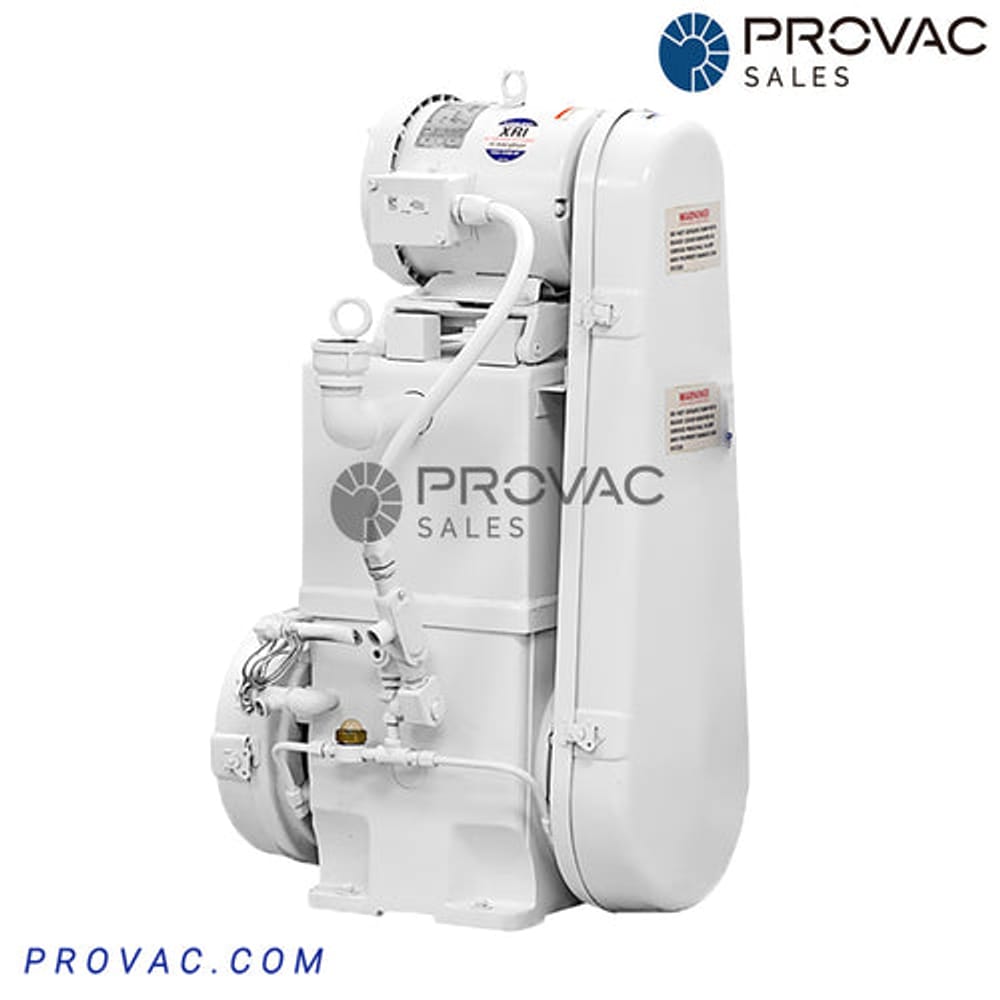
Stokes
Stokes 148H Rotary Piston Pump, Rebuilt
Contact us for pricing
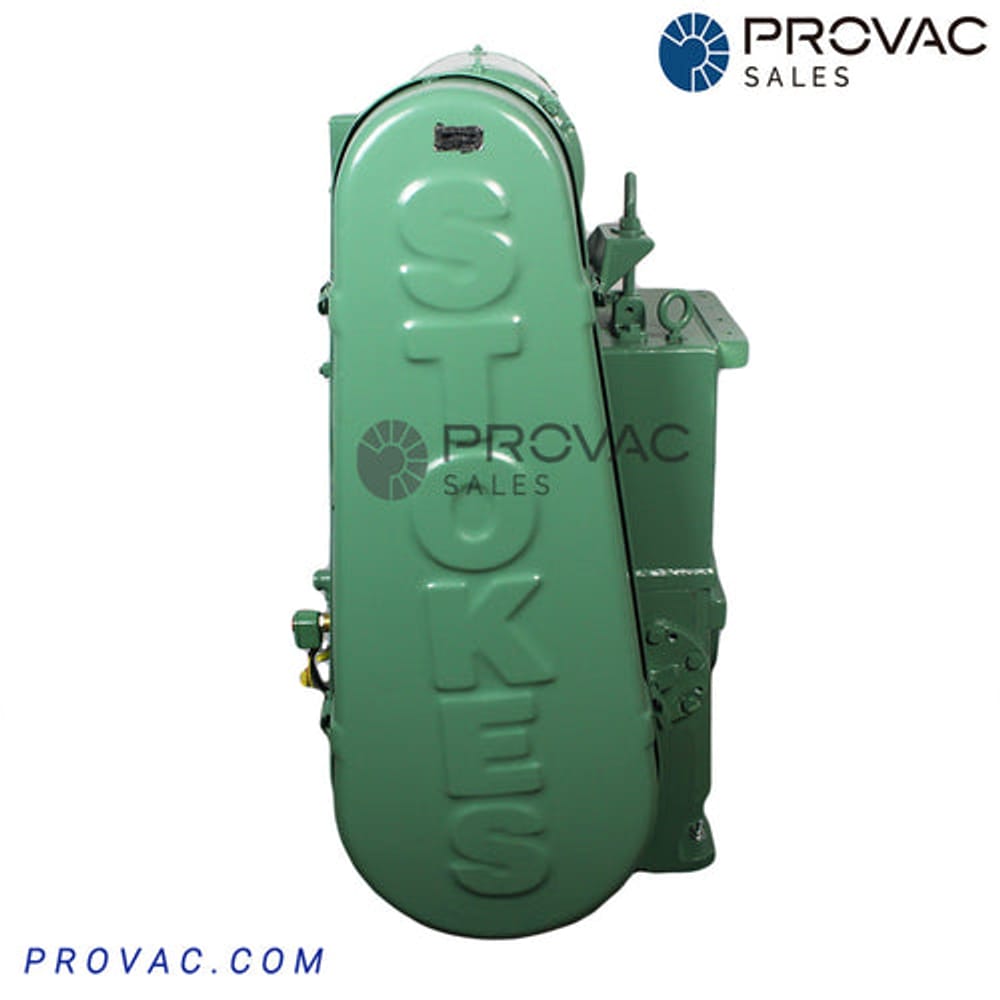
Stokes
Stokes 212H Piston Pump, Rebuilt
$ 12,500.00
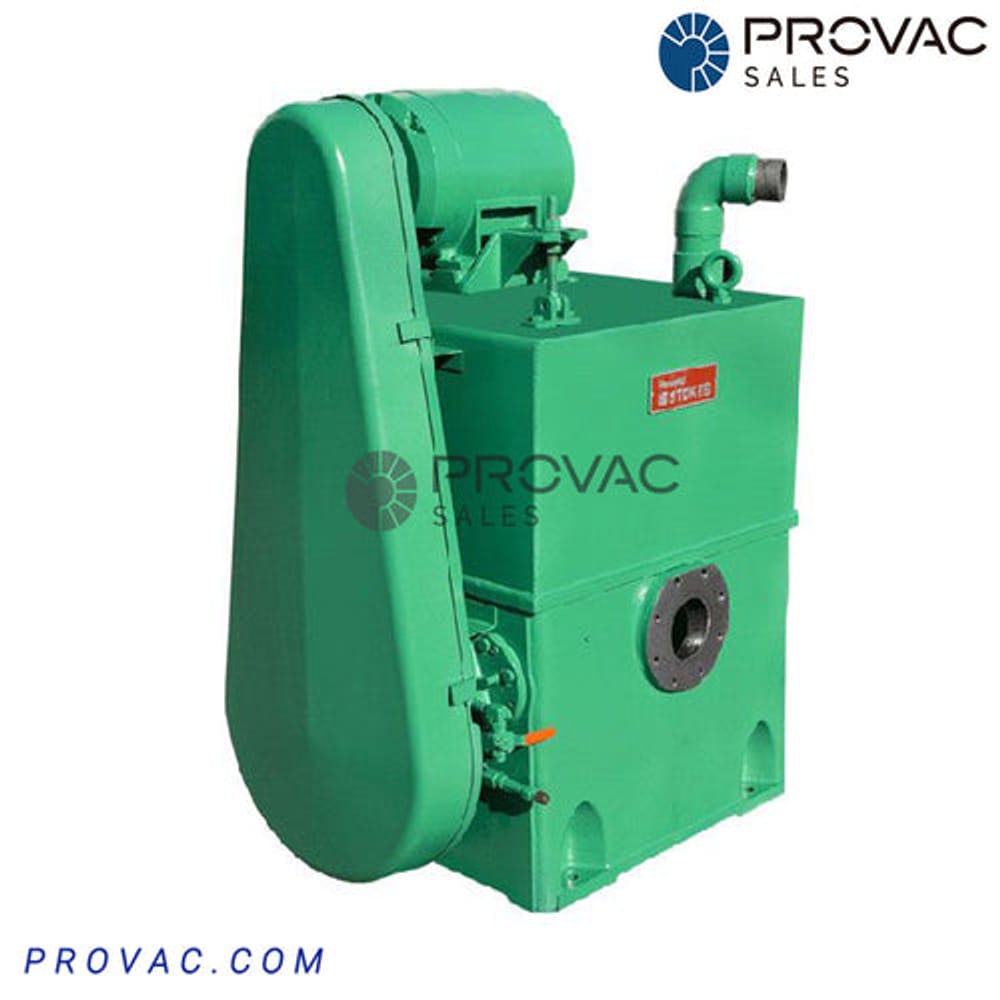
Stokes
Stokes 412H-11 Piston Pump, Rebuilt
$ 10,274.00
Edwards Piston Pumps
When a process needs rugged, high-capacity roughing vacuum day after day, oil-sealed rotary piston pumps are a proven choice. The Edwards range of rotary piston pumps grew out of the Stokes Microvac line, a name many furnace and coating engineers still use. These pumps are known for heavy cast construction, tolerance of demanding duty and long service life when maintained properly. At Provac Sales, we supply Edwards 412J and 612J piston pumps and rebuild several Edwards and Stokes piston pump series in house.
Edwards Piston Pump Models We Carry
Our Edwards piston pump listings include:
- Edwards 412J rotary piston pump, a single-stage pump widely used for industrial roughing and backing large boosters
- Edwards 612J rotary piston pump, a larger model for higher gas loads and bigger chambers
We also repair and rebuild Edwards 148, 149, 212 and 412 series piston pumps. If you have an older Stokes or Edwards piston pump, send us the model and serial number and we will check rebuild options or a suitable replacement.
How a Rotary Piston Pump Works
A rotary piston pump uses an eccentric cam on a shaft to drive a piston inside a cylindrical stator. As the shaft turns, the piston sweeps around the stator, drawing gas in through an inlet slide valve and pushing it out through an exhaust valve. Oil seals the clearances, lubricates the moving parts and carries away heat.
Compared with a rotary vane pump of similar size, a piston pump has fewer sliding sealing surfaces and heavier components. That design gives it a high displacement in a robust package and makes it tolerant of the dust, vapors and thermal cycling common in industrial processes.
Why Choose a Piston Pump?
Rotary piston pumps remain popular for several reasons:
- High displacement for large chambers and fast pump-down
- Durable construction suited to continuous, around-the-clock duty
- Tolerance of particulates and process contaminants that would damage lighter pumps
- Proven performance as backing pumps for large mechanical boosters
- Long life with straightforward rebuilds when wear eventually occurs
The trade-offs are size, weight, vibration and oil management. Piston pumps need solid mounting, regular oil changes and good exhaust filtration.
How to Size an Edwards Piston Pump
To select the right model, consider:
- Chamber volume and the required pump-down time
- Working pressure and ultimate pressure needed
- Gas load from the process, including water vapor and outgassing
- Whether the pump will back a booster, and which booster model
- Gas ballast requirements for condensable vapors
- Electrical supply, typically 3-phase at 208-230V or 460V
- Cooling method, whether air or water cooled
- Floor space, mounting and vibration isolation
For many furnace and coating systems, the 412J is paired with a mechanical booster to reach lower pressures faster. Larger systems or higher gas loads may call for the 612J or multiple pumps.
Applications for Edwards Piston Pumps
Edwards Stokes piston pumps are used in:
- Vacuum heat treating, brazing and sintering furnaces
- Vacuum metallizing and large coating chambers
- Freeze drying and vacuum drying
- Impregnation and degassing of castings, transformers and electrical parts
- Space simulation and large test chambers
- Chemical and industrial processing
- Backing large Edwards mechanical boosters
Piston Pumps vs Rotary Vane and Dry Pumps
An Edwards rotary vane pump is lighter, quieter and often reaches a lower ultimate pressure, which suits labs and smaller systems. An Edwards dry pump removes oil from the process entirely but costs more and may need cooling water and purge gas. A piston pump sits in the middle: an economical, heavy-duty workhorse for industrial roughing where some oil handling is acceptable.
Maintenance Tips
Regular maintenance keeps an Edwards piston pump running for many years:
- Check oil level and condition daily on heavily used pumps
- Change oil on a schedule matched to the process, and more often when pumping water vapor or contaminants
- Use gas ballast when pumping condensable vapors to keep water out of the oil
- Keep exhaust filters clean to avoid back pressure and oil leaks
- Watch for rising ultimate pressure, unusual noise or vibration, which can signal valve wear or bearing problems
- Keep mounting bolts and vibration isolators in good condition
Maintenance kits for the 412 series, including valve deck components, are available. Ask us for the right kit for your pump. Pump oils are available in our vacuum fluids and greases collection.
New vs Rebuilt Edwards Piston Pumps
Piston pumps are built to be rebuilt. A rebuilt 412J can return an existing installation to full performance using the same mounting, flanges and wiring, often at a lower cost and shorter lead time than a new pump. New pumps suit new systems or users who want factory-new equipment. Each listing and quotation confirms the condition and warranty.
Edwards Piston Pump Repair and Rebuild
Provac Sales rebuilds Edwards 148, 149, 212 and 412 series piston pumps at our facility in Soquel, California. A rebuild may include inspection, disassembly, cleaning, replacement of seals, gaskets, bearings, valves and other worn parts, reassembly and vacuum performance testing. Pumps with heavy contamination or damaged hard parts may need additional work, which we will discuss with you before proceeding.
Drain the oil before shipping, submit an RMA request and complete the contamination data sheet. Piston pumps are heavy, so they usually ship by freight on a pallet. See our pump repair page for details.
Frequently Asked Questions
Is the Edwards 412J the same as a Stokes Microvac 412?
The Edwards 412J continues the Stokes Microvac piston pump design. Parts and service practices are closely related, but always confirm the exact model and serial number before ordering parts.
What oil should I use in an Edwards piston pump?
Use a mechanical pump oil approved for rotary piston pumps and suited to your process. Heavier industrial processes may need a specific grade. Ask us if you are unsure.
Why is my piston pump knocking?
Knocking can come from worn bearings, a damaged piston or slide, low oil, or loose mounting. Stop the pump and contact us before further running causes more damage.
Can a piston pump run continuously?
Yes. Edwards piston pumps are designed for continuous industrial duty, provided oil, cooling and maintenance are kept up.
What to Send Us for a Fast Quote
Piston pump installations vary a lot from site to site, so a few details help us quote accurately the first time:
- The model and serial number from the pump nameplate, for example 412J or 612J
- Motor horsepower, voltage, phase and frequency
- Whether the pump is air or water cooled
- The booster model, if the pump backs one
- Inlet and exhaust connection sizes
- Your process, including any water vapor, solvents or particulates
- Photos of the pump and its installation, including the base and inlet piping
With this information, we can confirm whether a rebuilt pump of the same model, a rebuild of your existing unit, or a different configuration is the best fit for your system and schedule.
Request a Quote on Edwards Piston Pumps
Send us the model, required condition, voltage, and your chamber and process details. We will confirm availability or quote a rebuild of your existing pump. Contact us or call 831-462-8900.