
Helium Leak Detectors
Helium leak detection is a critical process in many industries, ensuring the integrity and safety of various systems and products. This advanced technique utilizes helium as a tracer gas to iden...
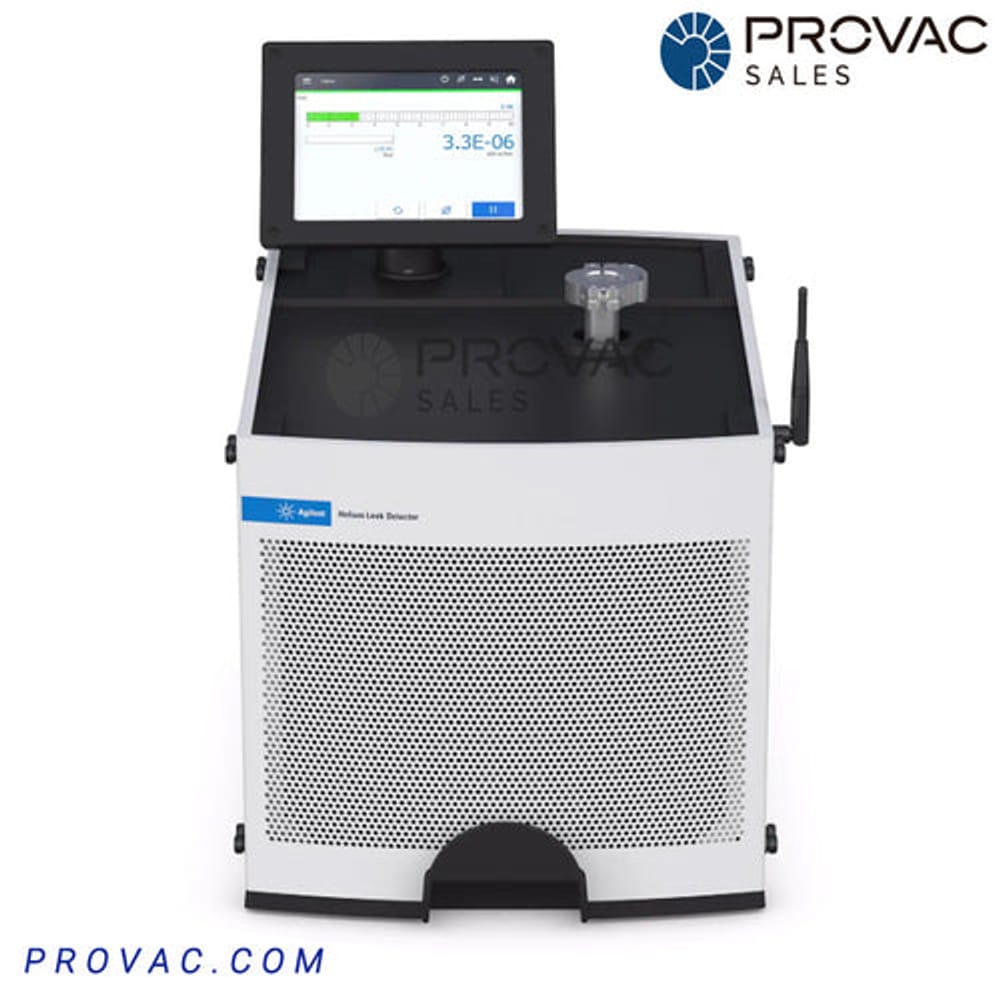
Agilent
Agilent HLD BD30 Bench Dry Helium Leak Detector
Contact us for pricing
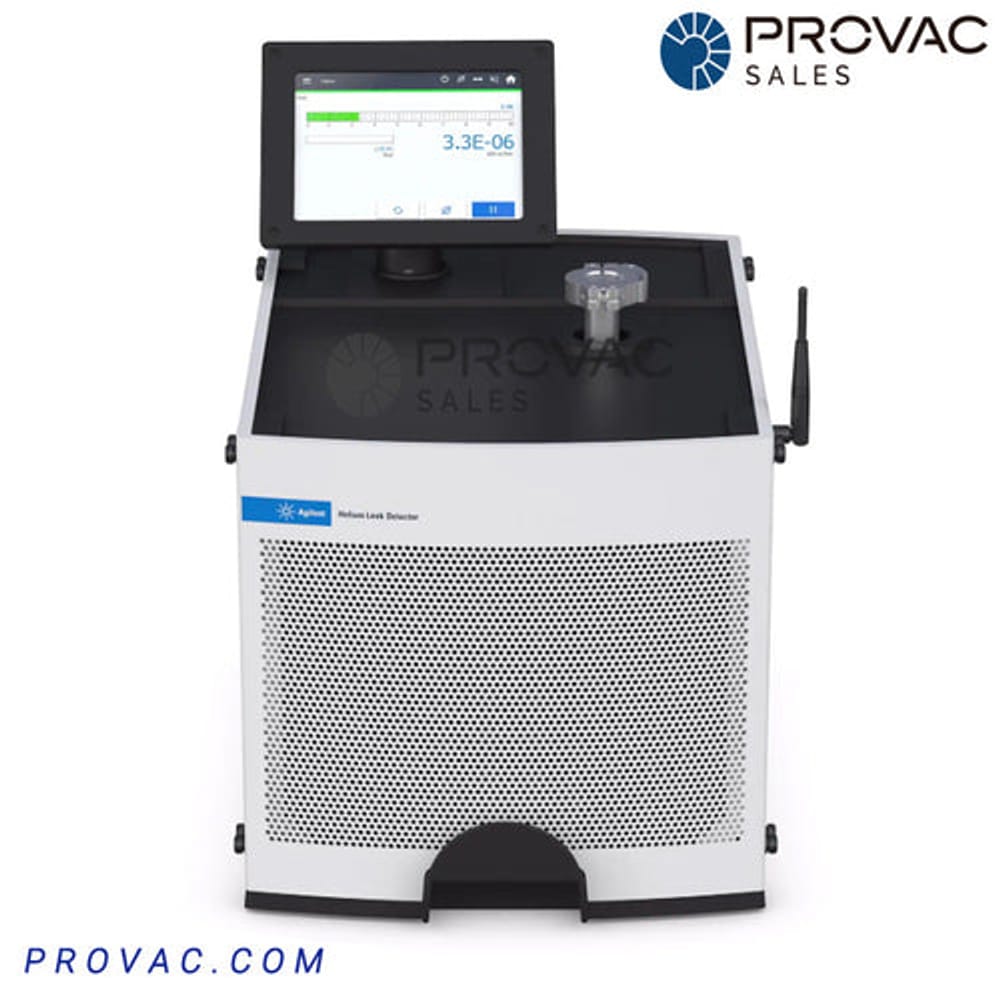
Agilent
Agilent HLD BR15 Bench Helium Leak Detector
Contact us for pricing
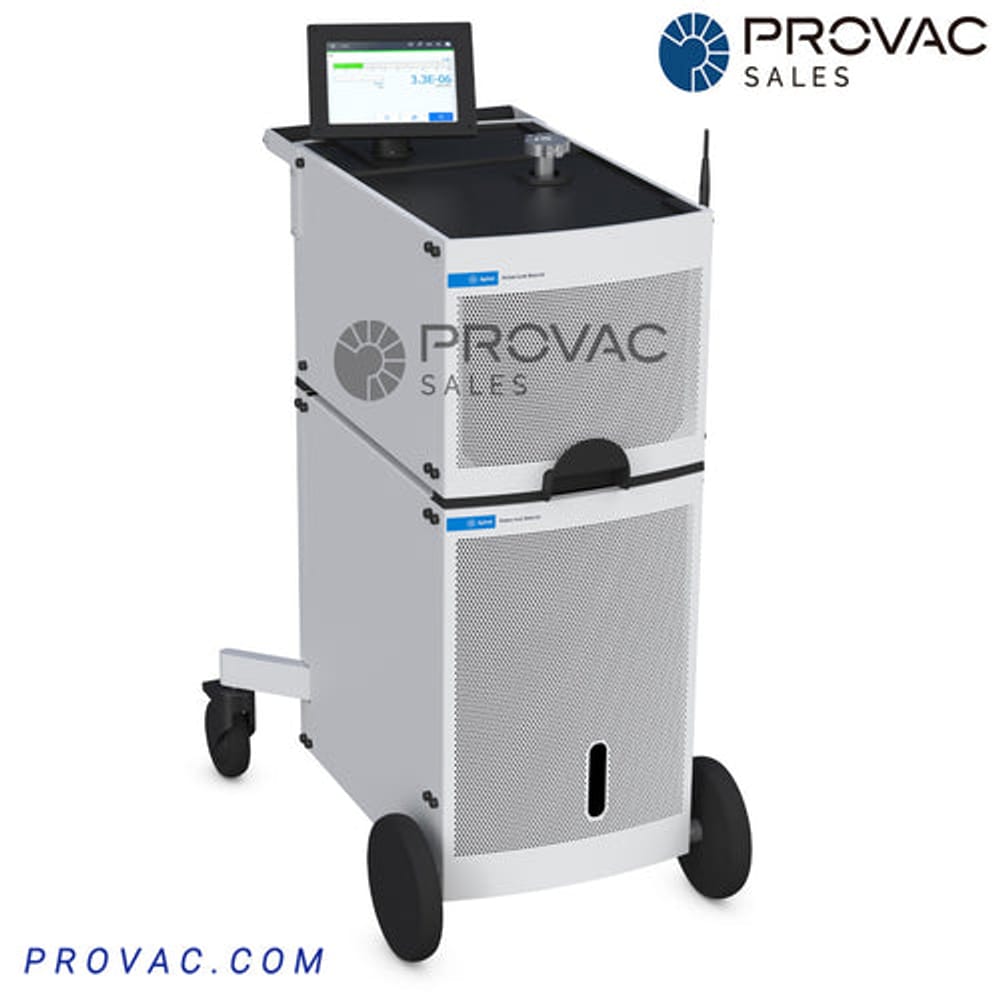
Agilent
Agilent HLD MD30 Mobile Dry Helium Leak Detector
Contact us for pricing
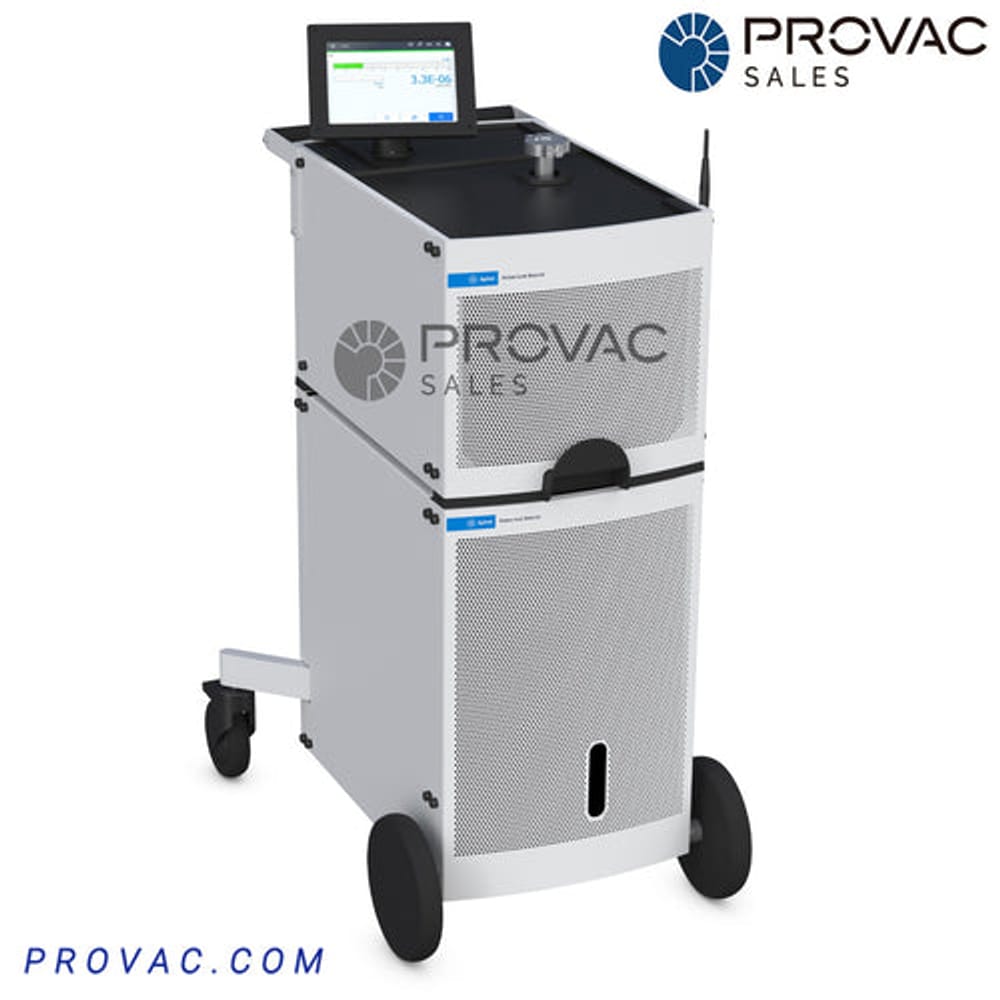
Agilent
Agilent HLD MR15 Mobile Helium Leak Detector
Contact us for pricing
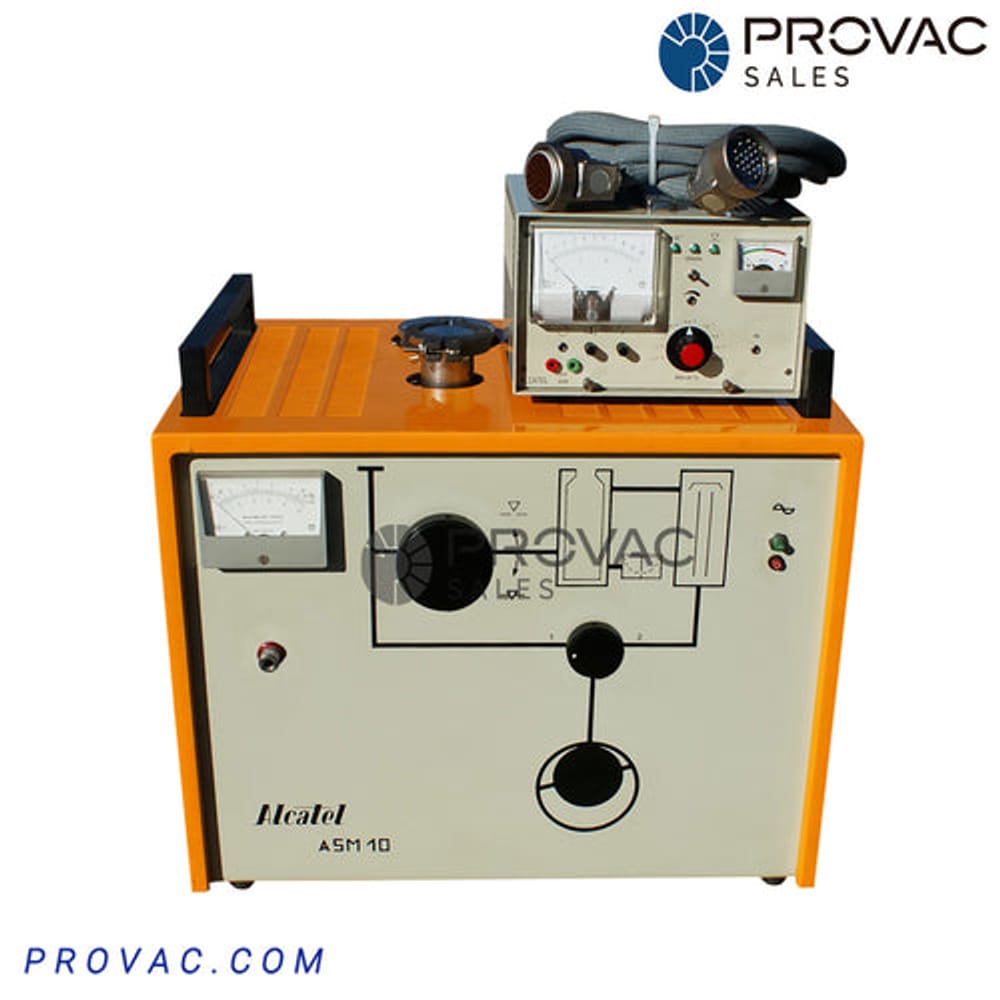
Alcatel/Adixen
Alcatel ASM-10 Portable Helium Leak Detector, Rebuilt
$ 7,246.00
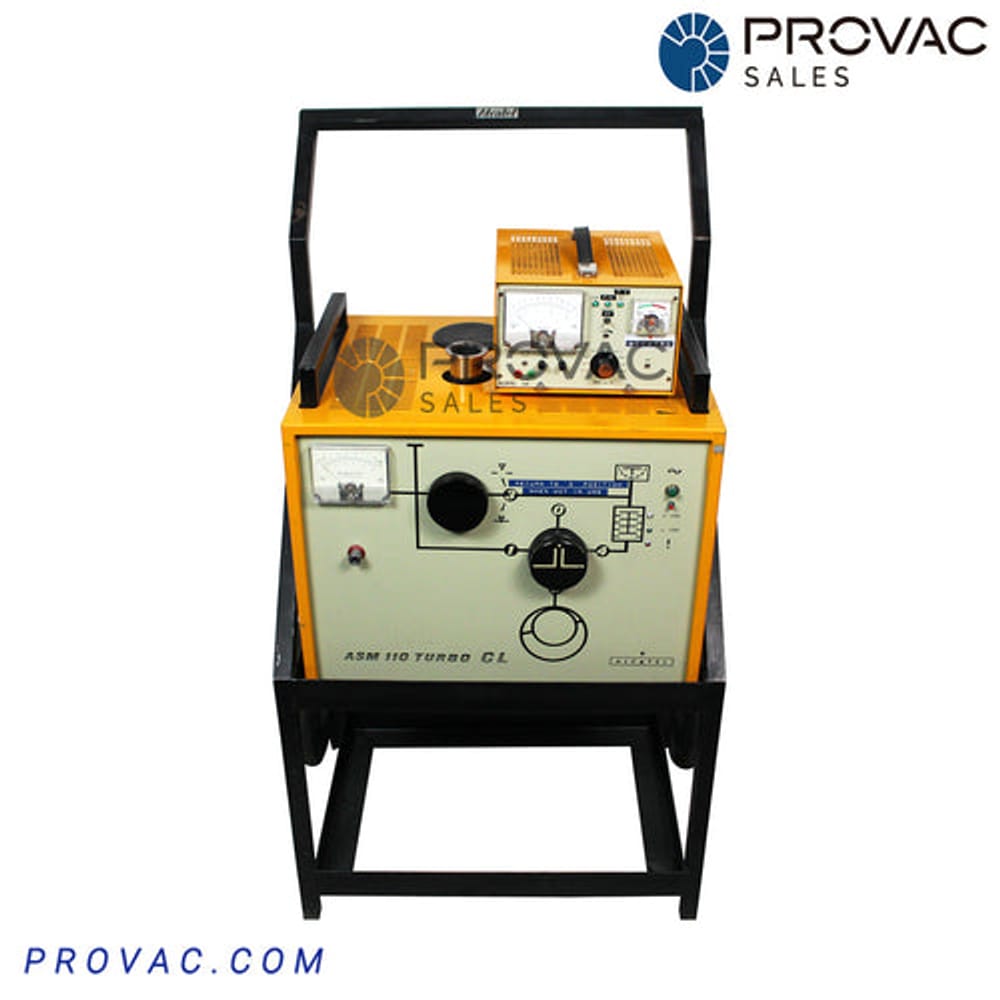
Alcatel/Adixen
Alcatel ASM-110TCL Helium Leak Detector, Rebuilt
$ 7,625.00
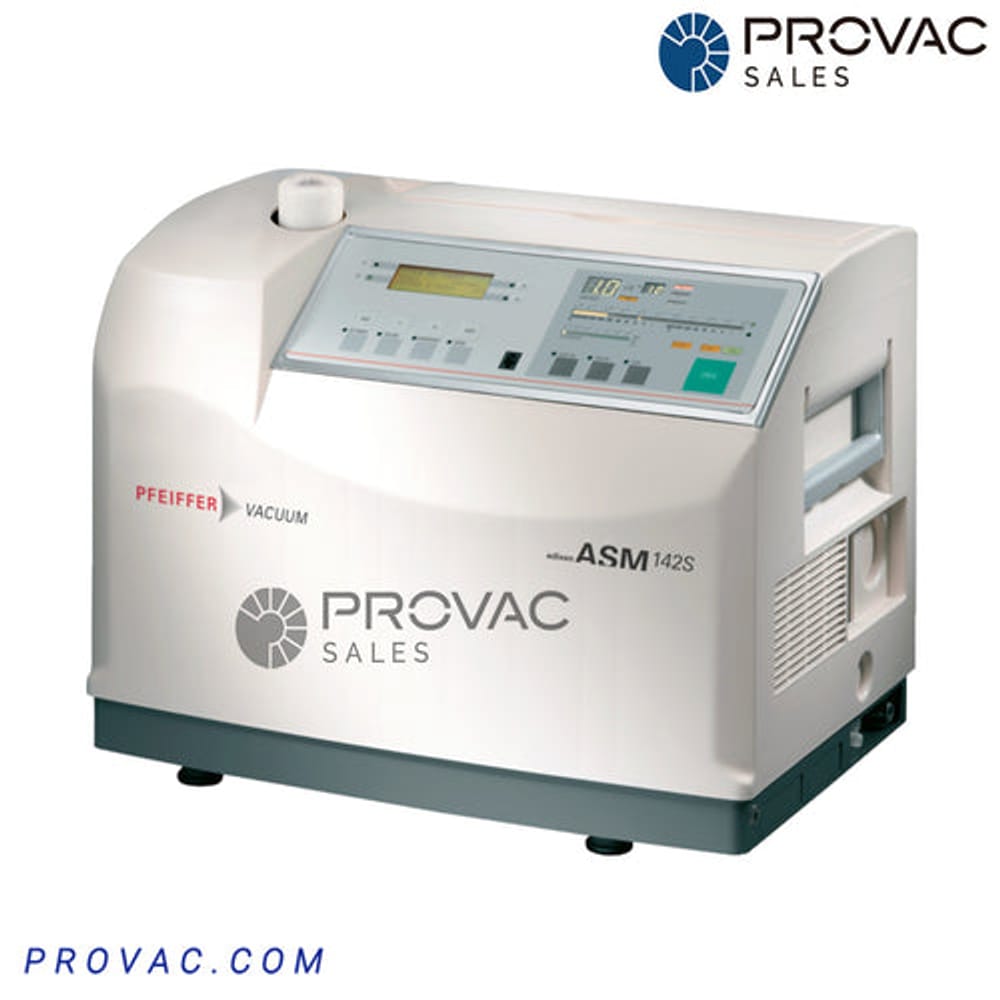
Pfeiffer ASM-142S Helium Leak Detector, Rebuilt
$ 14,572.00
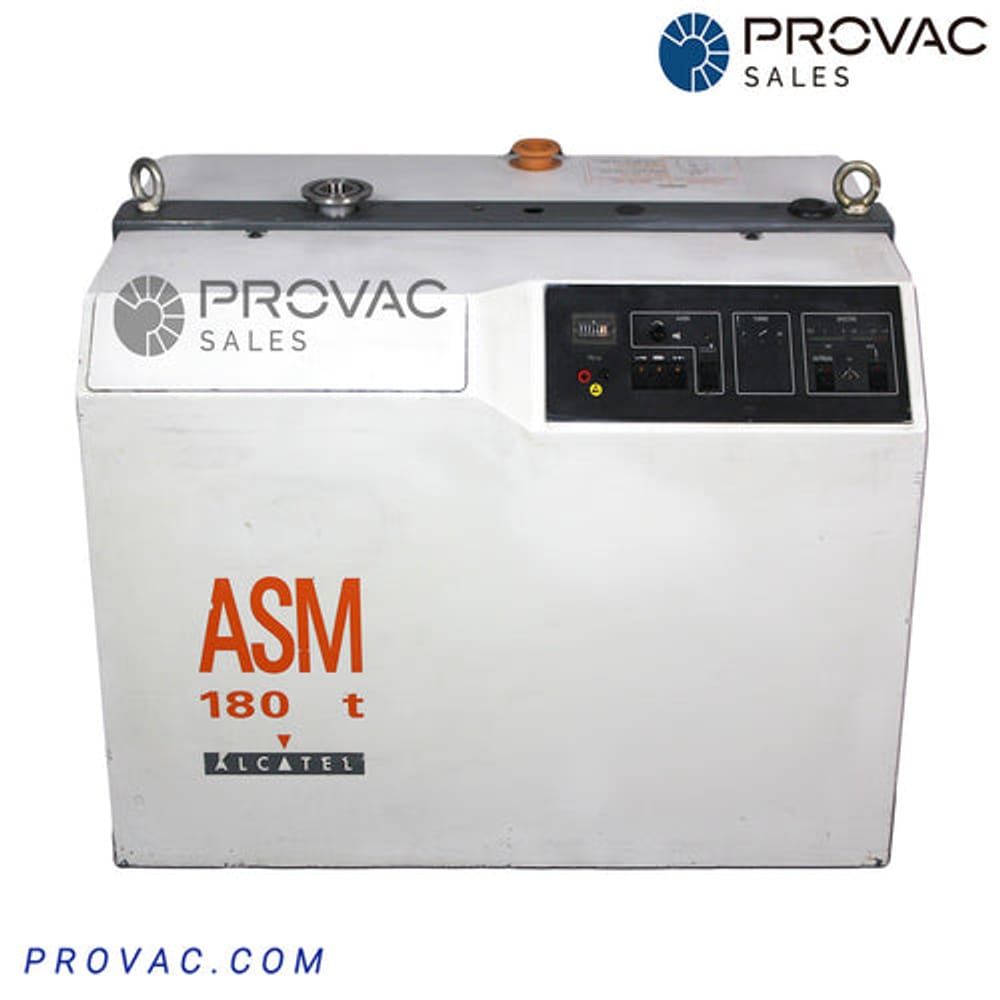
Alcatel
Alcatel ASM-180T Helium Leak Detector, Rebuilt
$ 12,113.00
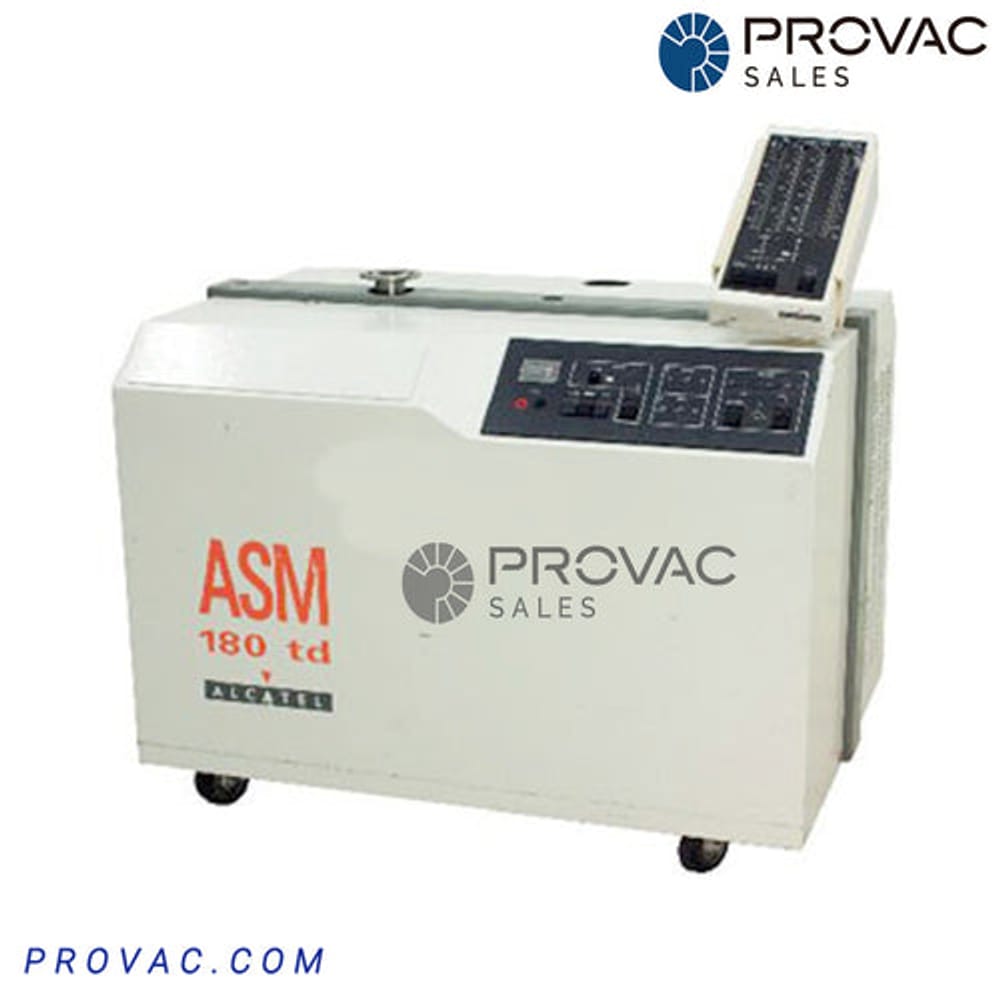
Alcatel/Adixen
Alcatel ASM-180TD Helium Leak Detector, Rebuilt
$ 17,500.00
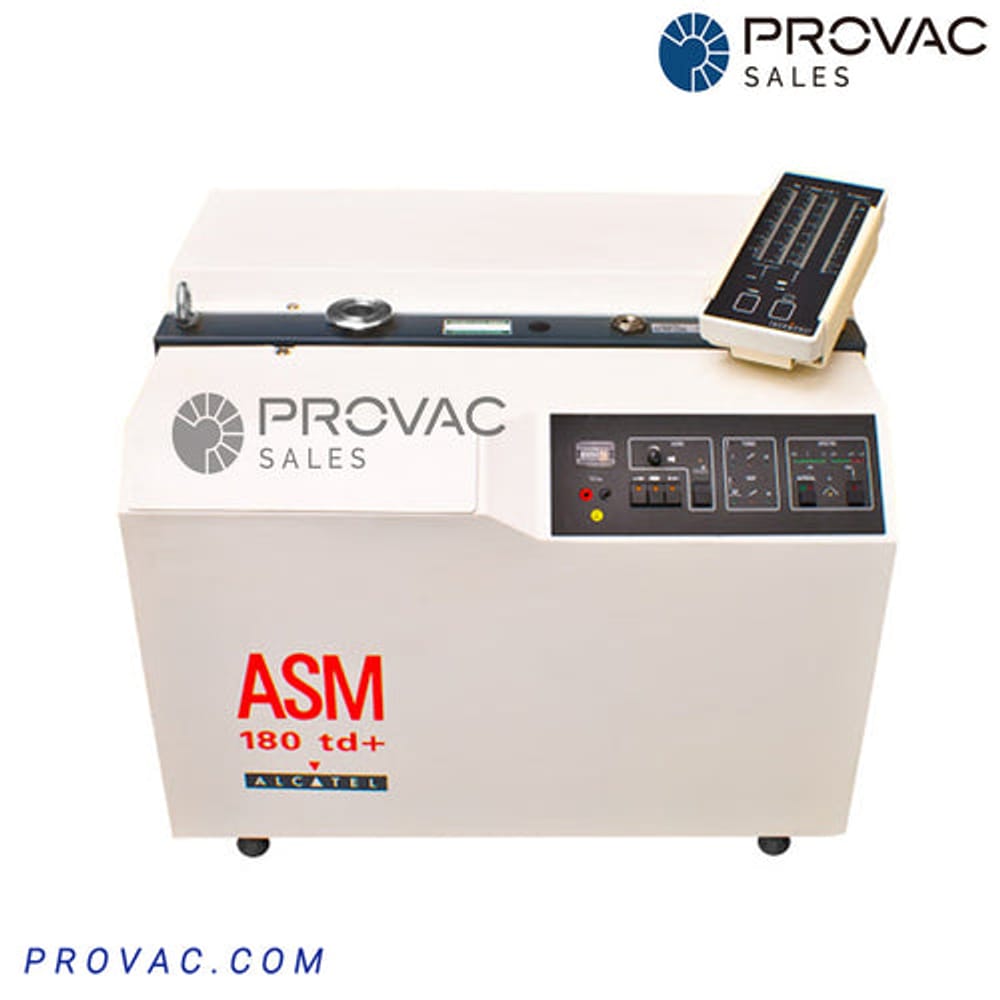
Alcatel/Adixen
Alcatel ASM-180TD+ Helium Leak Detector, Rebuilt
$ 17,791.00
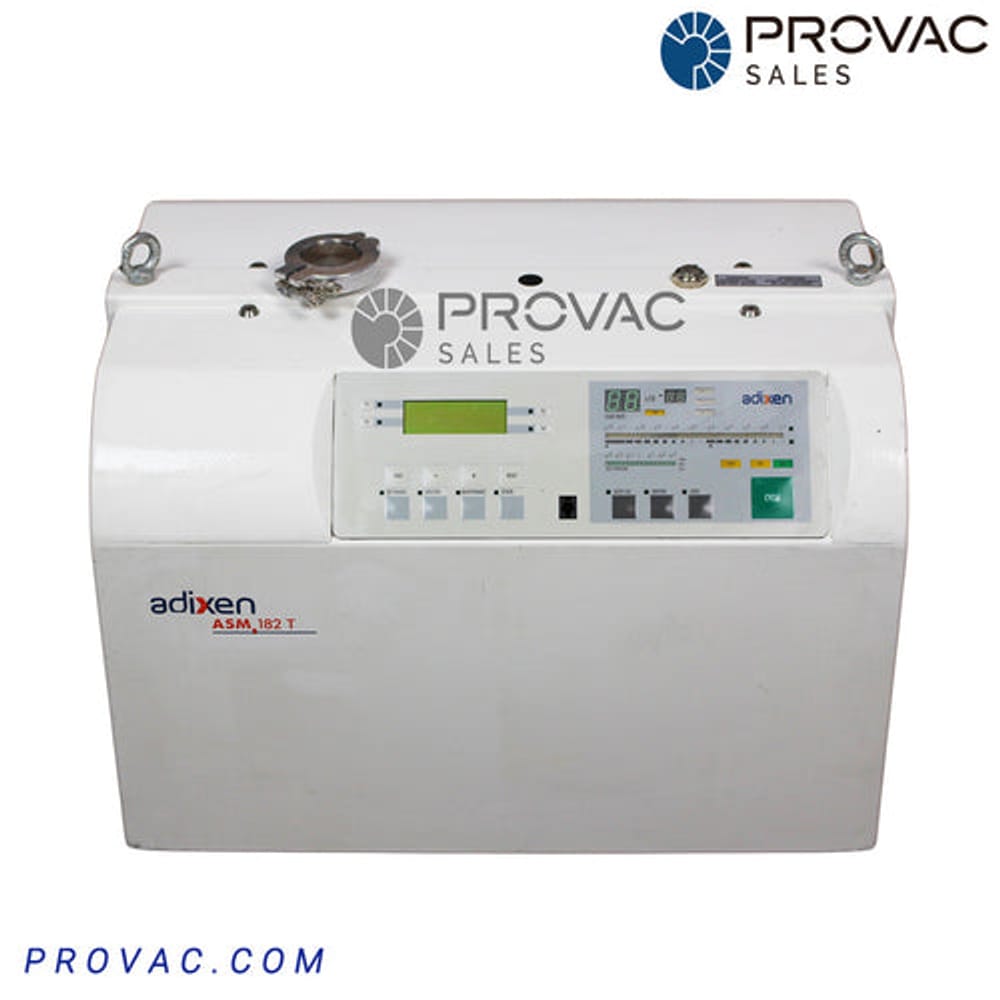
Alcatel/Adixen
Alcatel ASM-182T Helium Leak Detector, Rebuilt
Contact us for pricing
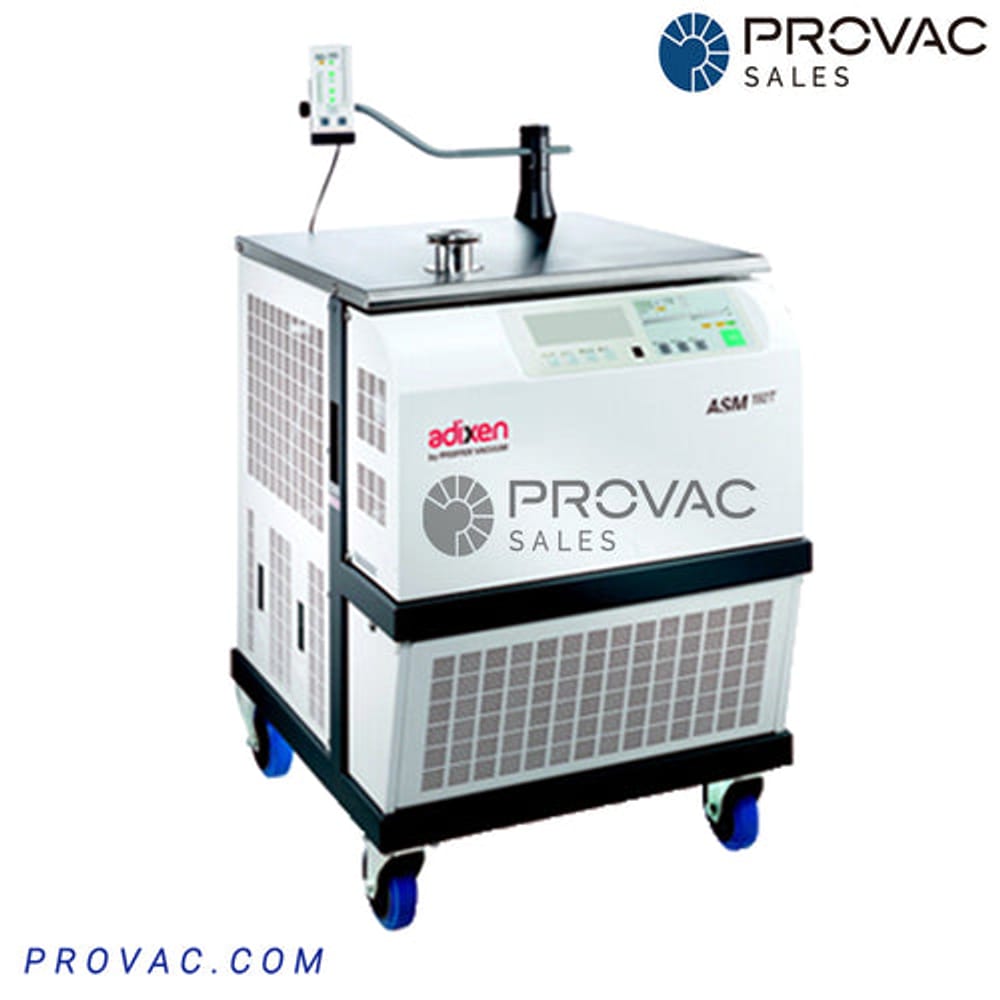
Pfeiffer ASM-192T Helium Leak Detector
Contact us for pricing
Helium Leak Detectors
Helium leak detection is a critical process in many industries, ensuring the integrity and safety of various systems and products. This advanced technique utilizes helium as a tracer gas to identify even the smallest leaks in vacuum systems, pressurized equipment, and sealed containers. In this article, we'll explore the world of helium leak detectors, their applications, and the technology behind this essential testing method.
Vacuum and Helium Leak Detection
Vacuum leak detectors and helium leak testers are essential tools in various industries for ensuring the integrity of sealed systems. Vacuum leak testers create a low-pressure environment to detect pressure changes, while helium leak detection methods utilize helium as a tracer gas due to its small atomic size and rarity in the atmosphere. Helium leak detection equipment, such as mass spectrometers, can detect leaks as small as 10^-12 mbar·L/s, making it one of the most sensitive leak detection techniques available.
Applications and Benefits
Helium leak test equipment is widely used in aerospace, automotive, and semiconductor manufacturing industries. These sectors rely on helium leak testers to identify minute leaks that could compromise product quality or safety. For instance, in the automotive industry, helium leak testing equipment is crucial for ensuring the integrity of fuel systems and air conditioning units. The versatility of helium leak detection methods allows for both localized testing using sniffer probes and global testing in vacuum chambers, providing comprehensive leak detection solutions for various applications.
What is a Helium Leak Detector?
A helium leak detector is a specialized instrument designed to detect and measure the presence of helium gas escaping from a test object. These devices are highly sensitive and can detect extremely small leaks, making them invaluable in industries where even minute leaks can cause significant problems.
How Helium Leak Detection Works
The process of helium leak testing involves introducing helium gas into the system or component being tested. A helium leak detector then searches for traces of escaping helium, typically using one of two methods:
- Vacuum leak detection: The test object is evacuated, and helium is sprayed on the exterior. The instrument detects any helium entering the system through leaks.
- Pressure leak detection: The test object is pressurized with helium, and a "sniffer" probe detects helium escaping from leaks.
Types of Helium Leak Detectors
Mass Spectrometer Leak Detector
The most common and sensitive type of helium leak detector is the mass spectrometer leak detector. This device uses a mass spectrometer to identify helium molecules specifically, providing extremely accurate and sensitive leak detection capabilities.
Helium Sniffer
A helium sniffer is a portable device for locating leaks in pressurized systems. It draws in air samples and analyzes them for the presence of helium, allowing technicians to pinpoint leak locations quickly.
Applications of Helium Leak Testing
Helium leak testing equipment finds use in a wide range of industries and applications:
- Aerospace: Testing fuel systems, oxygen systems, and spacecraft components
- Automotive: Checking air conditioning systems, fuel lines, and engine components
- Electronics: Ensuring hermetic seals on semiconductor packages
- Medical: Verifying the integrity of implantable devices and pharmaceutical packaging
- Refrigeration: Testing cooling systems for leaks
- Research: Maintaining vacuum integrity in scientific instruments
Advantages of Helium as a Tracer Gas
Helium is the preferred tracer gas for leak detection due to several unique properties:
- Small molecular size: Helium can pass through extremely small leaks
- Inert nature: It doesn't react with other materials
- Non-toxic and non-flammable: Safe for use in various environments
- Low natural abundance: Minimal background interference
- Quick dispersion: It doesn't linger, allowing for repeated tests
Helium Leak Detection Methods
Vacuum Method
The test object is connected to a vacuum pump and evacuated using the vacuum method. Helium is then sprayed on the exterior of the object. The mass spectrometer detects any helium entering through leaks, providing precise leak location and quantification.
Pressure Method
The pressure method fills the test object with helium or a helium-air mixture. A helium sniffer probe detects escaping helium, allowing technicians to locate leaks on the object's exterior.
Accumulation Method
This method places the test object in a sealed chamber and fills it with helium. After a set time, the chamber's atmosphere is analyzed for the presence of helium, indicating the object's overall leak rate.
Components of a Helium Leak Detection System
A typical helium leak detection system consists of several key components:
- Mass spectrometer: The heart of the system, responsible for detecting helium
- Vacuum pump: Creates the necessary vacuum for testing
- Inlet system: Controls the flow of gas into the mass spectrometer
- Display and controls: Provides user interface and test result readout
- Calibrated leak: Used for system calibration and verification
Choosing the Right Helium Leak Detector
When selecting a helium leak detector, consider the following factors:
- Sensitivity required: Determine the smallest leak size you need to detect
- Test method: Choose between vacuum, sniffer, or accumulation methods
- Portability: Decide if you need a stationary or portable unit
- Automation: Consider automated systems for high-volume testing
- Integration: Ensure compatibility with existing systems and processes
Maintenance and Calibration
Regular maintenance and calibration are crucial for ensuring the accuracy and reliability of helium leak detectors. This typically involves:
- Periodic cleaning of the inlet system
- Replacement of filters and seals
- Calibration using a known leak rate source
- Software updates and system checks
Helium Leak Detection Services
Helium leak detection services are available for organizations without in-house capabilities. These services offer:
- Experienced technicians with specialized knowledge
- State-of-the-art equipment for accurate testing
- Customized testing protocols for specific applications
- Detailed reporting and analysis of results
Emerging Trends in Helium Leak Detection
The field of helium leak detection continues to evolve, with several emerging trends:
- Integration of artificial intelligence for automated leak analysis
- Development of more sensitive and faster detectors
- Increased use of alternative tracer gases, such as hydrogen
- Improved portability and battery life for field testing
- Enhanced data logging and reporting capabilities
Helium leak detection remains a critical technology for ensuring the quality, safety, and reliability of various products and systems across multiple industries. From the aerospace sector to medical device manufacturing, the ability to detect and quantify even the most minor leaks is invaluable. As technology advances, we can expect to see even more sensitive, efficient, and versatile helium leak detectors and testing methods.
Whether you need a helium leak detector or other vacuum equipment, understanding the principles and applications of this technology is crucial for maintaining the integrity of your systems and products. By leveraging the power of helium leak detection, industries can continue pushing the boundaries of what's possible regarding product quality and safety.