
Leybold TURBOLAB Pumping Stations
Leybold
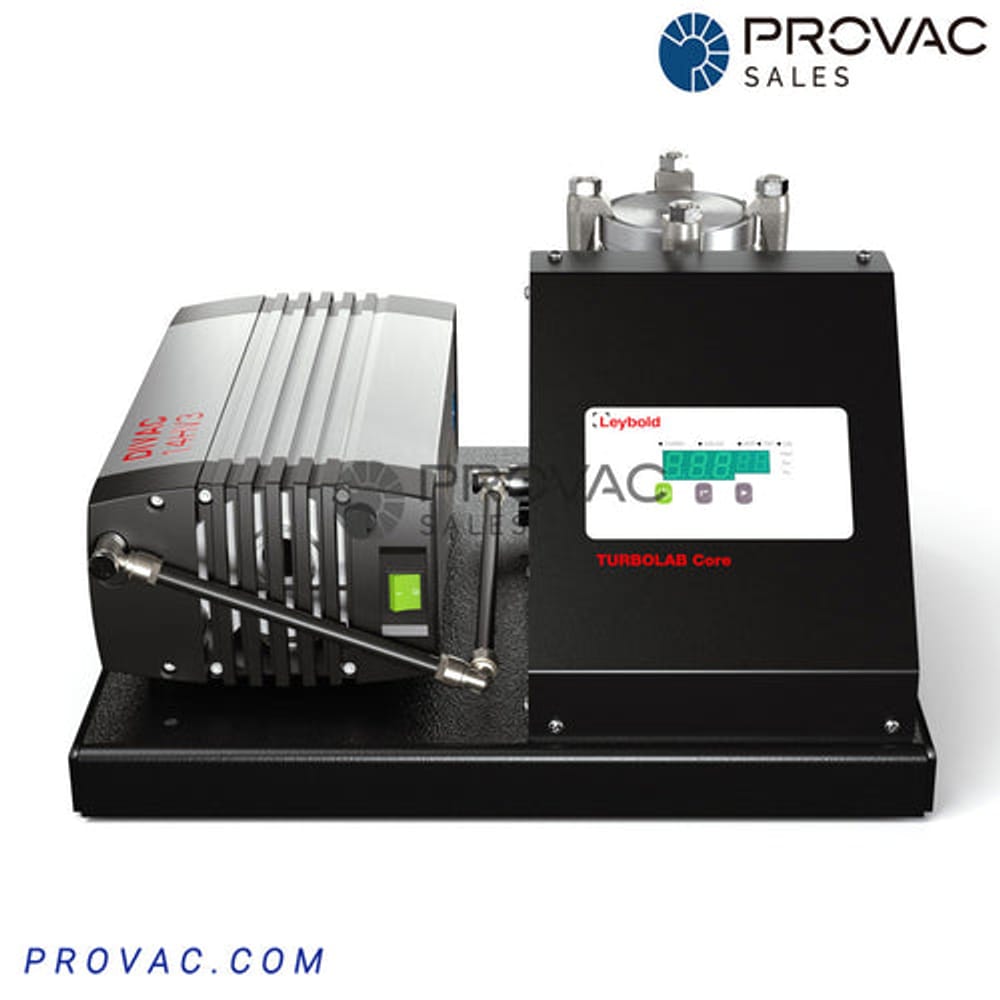
Leybold Turbolab Core 250i Pumping Station
Contact us for pricing
Leybold
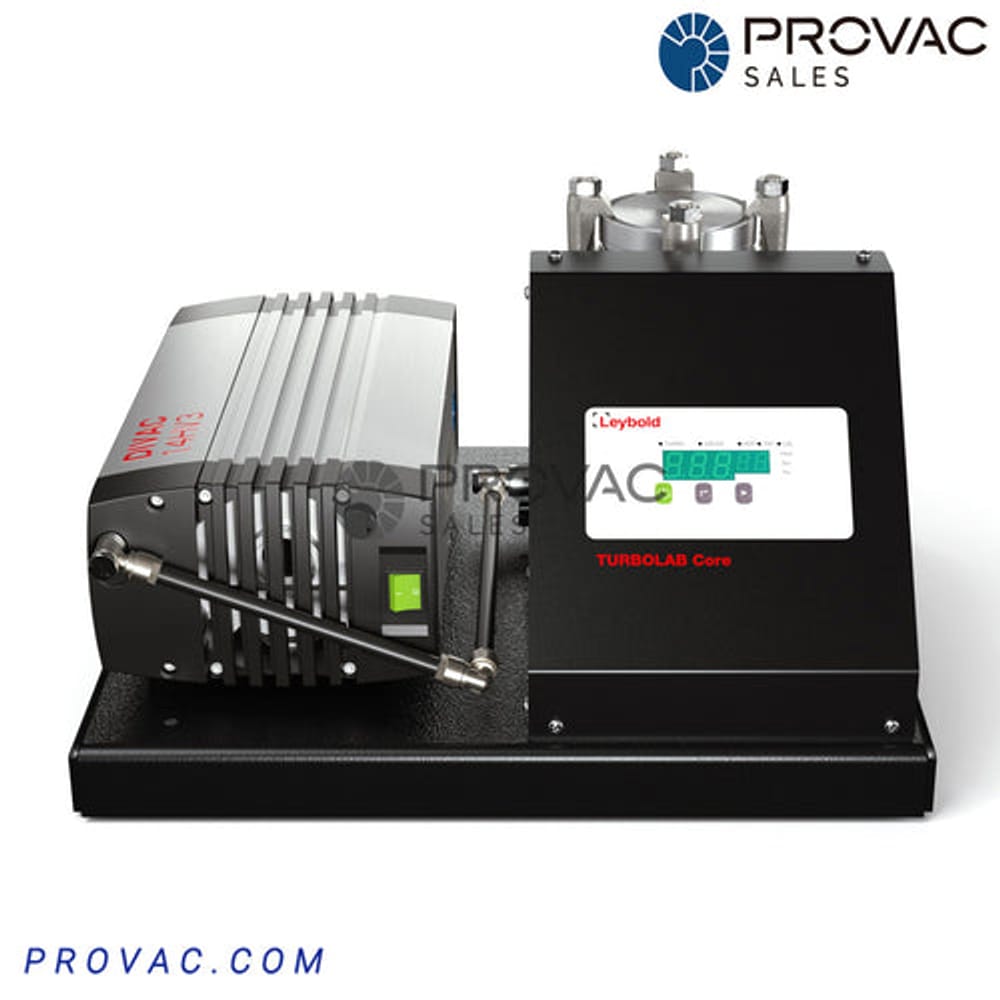
Leybold Turbolab Core 90i Pumping Station
Contact us for pricing
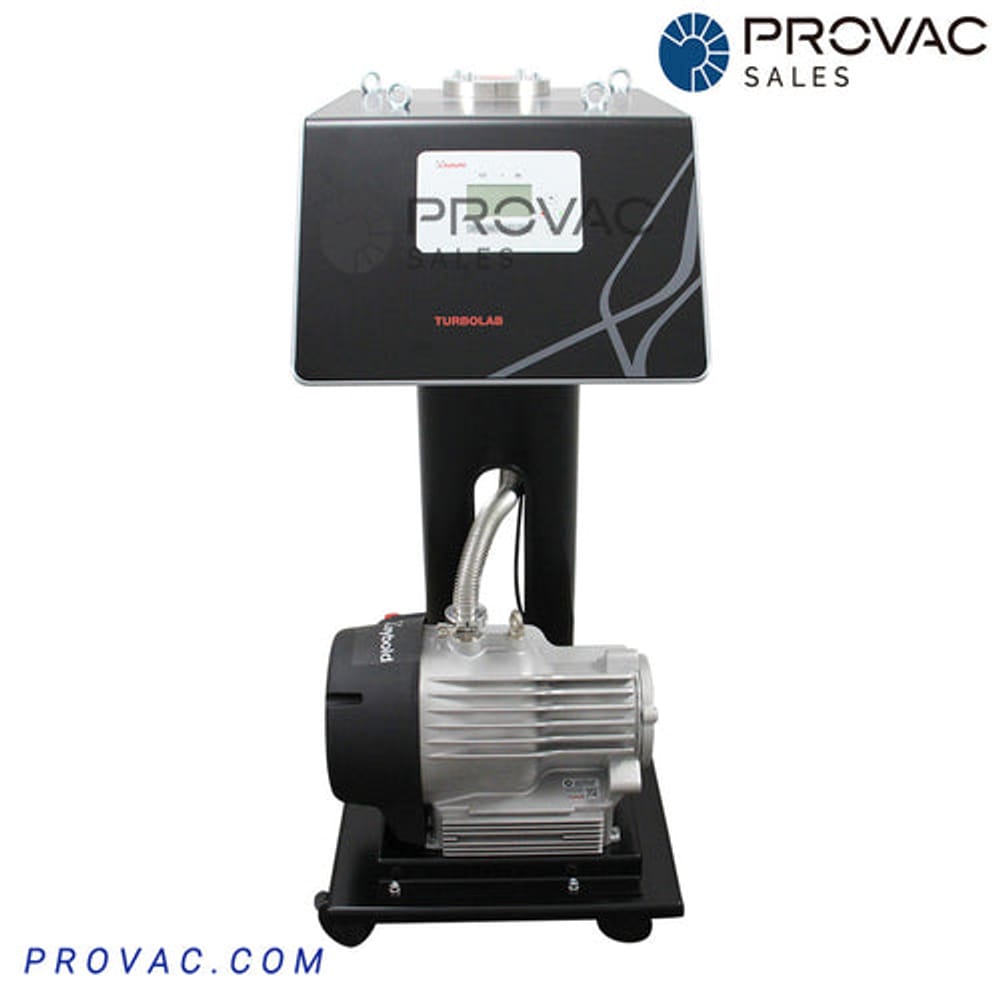
Leybold Turbolab 350i Pumping Station
Contact us for pricing
Leybold
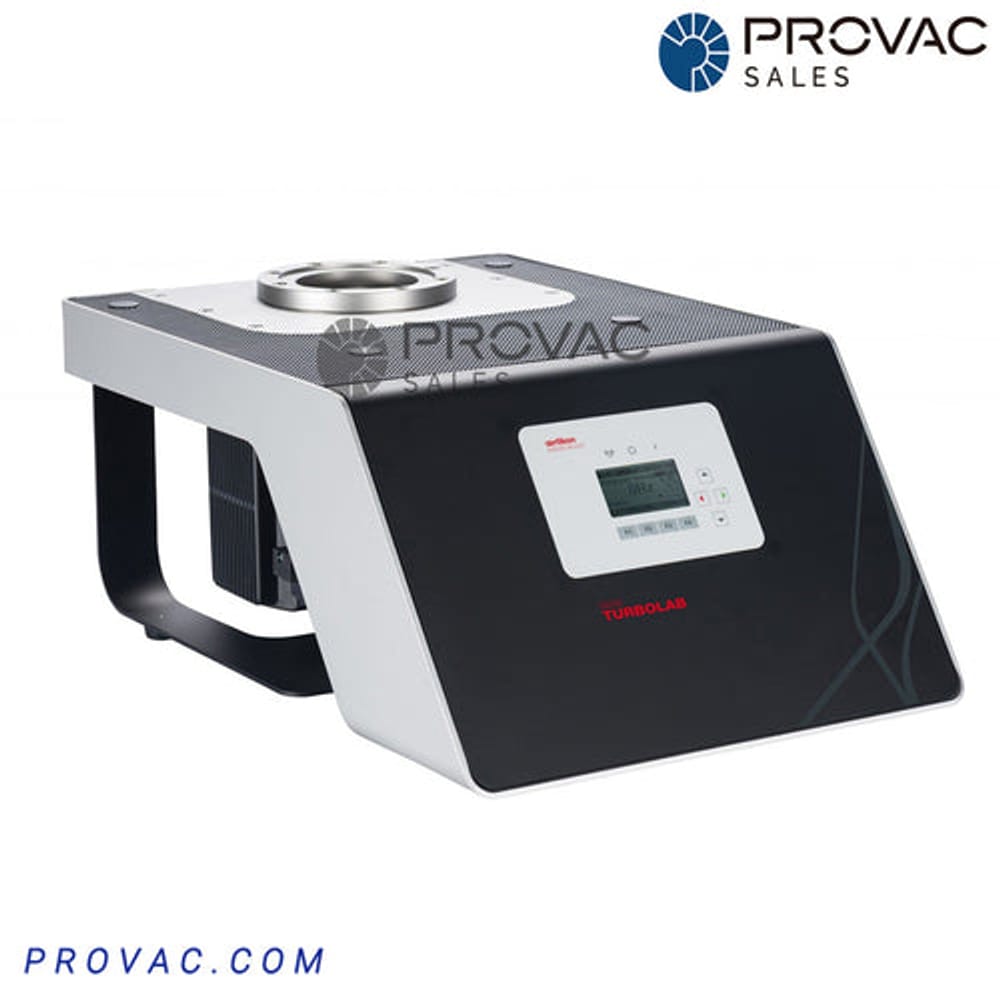
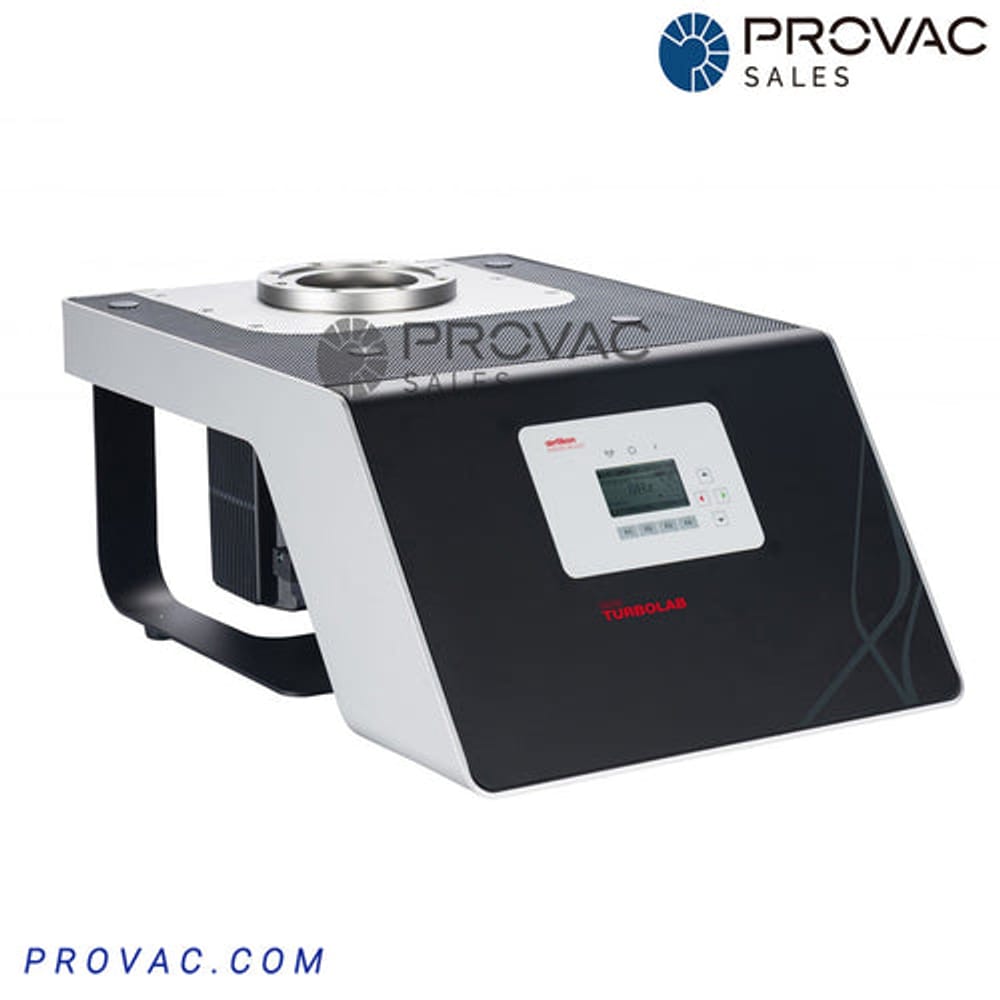
Leybold Turbolab 450 Pumping Station
Contact us for pricing
Leybold
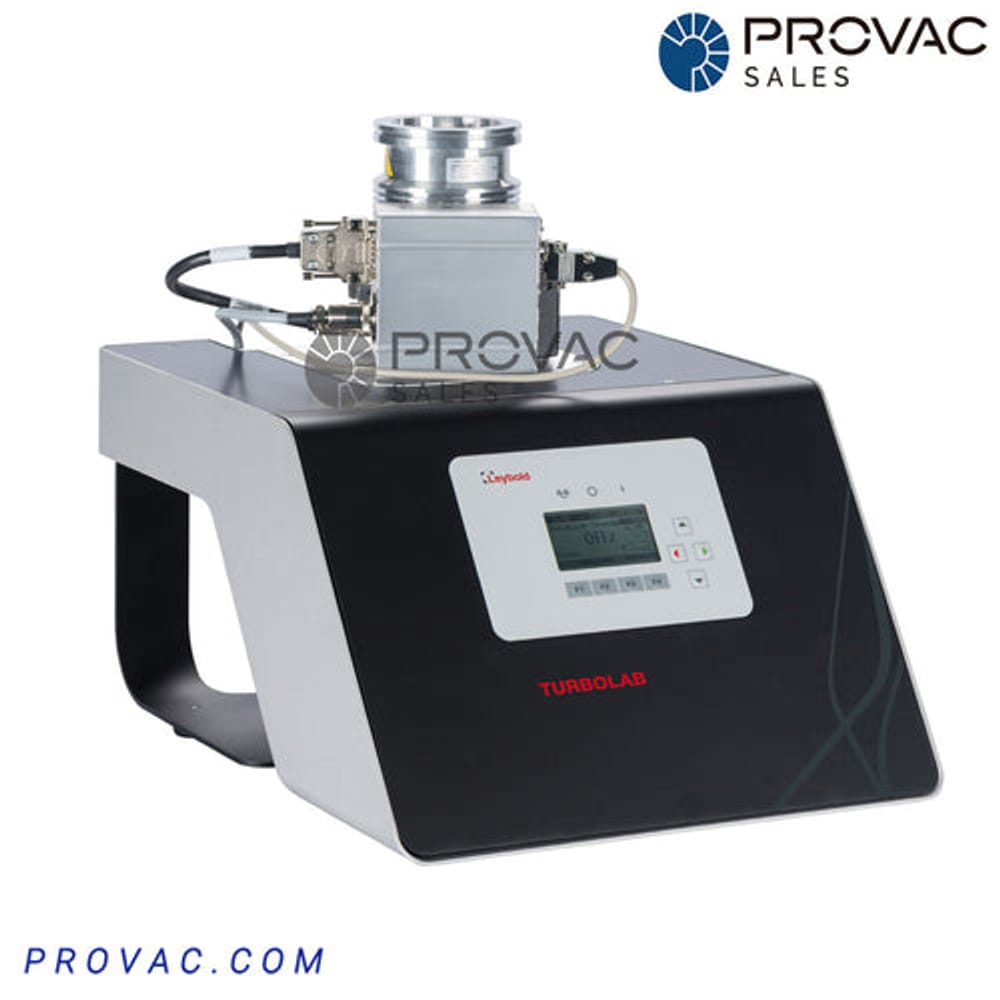
Leybold Turbolab 350 Pumping Station
Contact us for pricing
Leybold
Leybold Turbolab 80 Pumping Station
Contact us for pricing
Leybold TURBOLAB Pumping Stations
A pumping station puts a turbomolecular pump, a backing pump, a controller and the connecting hardware together in one ready-to-run unit. Instead of sourcing and plumbing each part, you connect the station to your chamber and switch it on. Leybold TURBOLAB stations are widely used in research labs, universities and instrument development. At Provac Sales, we supply TURBOLAB stations and service them in our shop.
Leybold Pumping Station Models We Carry
TURBOLAB Stations
- TURBOLAB 80, based on a small turbo pump for compact chambers
- TURBOLAB 350 and TURBOLAB 350i, based on a TURBOVAC 350 class turbo pump
- TURBOLAB 450, for higher pumping speed on larger chambers
TURBOLAB Core Stations
- TURBOLAB Core 90i, based on the TURBOVAC 90 i
- TURBOLAB Core 250i, based on the TURBOVAC 250 i
The two Core models differ mainly in turbo pump size and flange options. Some listings show a price and others are quote-based. Each product page lists the turbo pump, backing pump, inlet flange and controller.
TURBOLAB vs TURBOLAB Core
- TURBOLAB stations are the flexible option. They come as tabletop or cart versions, with a choice of dry or oil-sealed backing pumps, and support air or water cooling, vent valves, flange heaters, a safety valve and up to two gauges. A backlit control unit lets you monitor, set up and control the station.
- TURBOLAB Core stations are the simple, budget option. They use a dry diaphragm backing pump on a solid metal base plate, with a simple controller, remote start, time-delay or pressure-based automatic start, one gauge connection and a vent valve accessory. They suit teaching labs and research groups that need clean high vacuum without extra features.
How a Turbo Pumping Station Works
The backing pump first pulls the chamber and the turbo pump foreline down to rough vacuum. The turbo pump then spins up, with rotor blades moving at very high speed that knock gas molecules toward the exhaust. The backing pump removes that gas. The controller sequences start-up, monitors rotor speed and temperature, and can vent the system safely at shutdown. With a CF flange and a good dry backing pump, a TURBOVAC i class turbo can reach the 10⁻¹⁰ mbar range after bakeout.
Dry vs Oil-Sealed Backing
- Dry backing, using a diaphragm or scroll pump, keeps the whole system oil-free. Choose it for surface science, analytical work and any system sensitive to hydrocarbons.
- Oil-sealed backing, using a TRIVAC rotary vane pump, gives more backing speed and lower foreline pressure for faster pumpdown and higher gas loads, at lower cost.
Key Features
- Turbo pump, backing pump and controller pre-assembled and tested
- Tabletop and cart versions
- Remote and automatic start options
- Gauge connections for chamber pressure readout
- Vent valve, flange heater and cooling options on TURBOLAB stations
- Compact footprint for benchtop use
Applications
- University teaching and research labs
- Surface science and thin film R&D
- Mass spectrometer and electron microscope development
- Sample preparation and degassing
- Leak testing and vacuum component testing
- Detector and sensor development
How to Choose the Right TURBOLAB
Before ordering, confirm:
- Chamber volume and the pressure you need to reach
- Inlet flange type and size, such as ISO-K or CF
- Whether the system must be oil-free
- Gas load, which sets turbo and backing pump size
- Tabletop or cart, and supply voltage
- Gauges, venting and bakeout needs
Maintenance Tips
- Service the backing pump on schedule, including diaphragm kits on dry stations and oil changes on oil-sealed stations
- Replace the turbo pump bearing lubricant reservoir or bearings at the intervals in the manual
- Keep cooling fans and water lines clean
- Never vent a turbo at full speed unless the controller is set up for it
- Check gauges and vent valves periodically
Signs Your Pumping Station Needs Service
- The turbo pump takes longer to reach full speed
- Higher base pressure than before
- Bearing noise or vibration from the turbo pump
- Error codes on the controller
- A noisy or weak backing pump
Common Station Accessories
Typical accessories include Pirani, cold cathode and combination gauges, inlet screens, vent valves, flange heaters for bakeout, air or water cooling kits, centering rings and clamps, and flexible backing lines. Choose gauges that cover the full range from atmosphere to your target pressure so you can watch the entire pumpdown on the station controller.
Why Choose a Complete Station?
Building your own high vacuum system means choosing a turbo pump, backing pump, controller, valves, gauges, cables and fittings, then making sure they work together. A pumping station removes that work. Every component is matched and tested, the turbo is sized to the backing pump, and the controller already knows how to sequence start-up and venting. That saves engineering time and reduces the risk of overloading the turbo with the wrong backing pump or foreline pressure.
Upgrading an Existing TURBOLAB
Many TURBOLAB stations can be updated rather than replaced. Common upgrades include swapping an oil-sealed backing pump for a dry diaphragm or scroll pump to remove hydrocarbons, adding a second gauge, fitting a vent valve or flange heater, or replacing an older turbo with a current TURBOVAC i model. Send us your station model and we will tell you what fits.
New vs Rebuilt Stations
New stations suit new labs and applications that need full warranty coverage. Rebuilt stations are a cost-effective way to replace a station of the same model, with the turbo and backing pump serviced and the complete unit tested before shipping.
Leybold Pumping Stations Repair
Provac Sales services Leybold TURBOLAB stations, including the turbo pump, backing pump and controller. Submit an RMA request and complete the contamination data sheet before shipping. See our pump repair page for more information.
Related Leybold Collections
- Leybold turbo pumps, TURBOVAC i and iX pumps
- Leybold diaphragm pumps, DIVAC dry backing pumps
- Leybold turbo pump controllers
- All Leybold vacuum pumps
- All pumping stations from every brand we carry
Leybold Pumping Stations FAQ
1. What is the difference between TURBOLAB and TURBOLAB Core?
TURBOLAB stations are flexible, with dry or oil-sealed backing, tabletop or cart versions and options such as flange heaters and two gauges. TURBOLAB Core stations are simpler budget units with a dry diaphragm backing pump, a simple controller and one gauge connection.
2. What turbo pump is in the TURBOLAB Core 90i?
The TURBOLAB Core 90i is built around the TURBOVAC 90 i turbo pump, and the Core 250i around the TURBOVAC 250 i.
3. Is a TURBOLAB oil-free?
A TURBOLAB Core and any TURBOLAB with a diaphragm or scroll backing pump is fully oil-free. TURBOLAB stations can also be ordered with an oil-sealed rotary vane backing pump.
4. What pressure can a TURBOLAB reach?
It depends on the turbo pump, flange type and chamber. With CF flanges, a clean chamber, bakeout and a good backing pump, TURBOVAC i class turbo pumps can reach the 10⁻¹⁰ mbar range.
5. Can I connect gauges to a TURBOLAB?
Yes. TURBOLAB stations support up to two gauges and TURBOLAB Core stations support one, so you can read chamber pressure on the station controller.
Request a Quote on Leybold TURBOLAB Pumping Stations
Send us your chamber volume, target pressure, flange type, whether you need an oil-free system and your supply voltage. We will recommend the right TURBOLAB or TURBOLAB Core and confirm availability. Contact us or call 831-462-8900.