
Leybold TURBOVAC Turbo Pumps
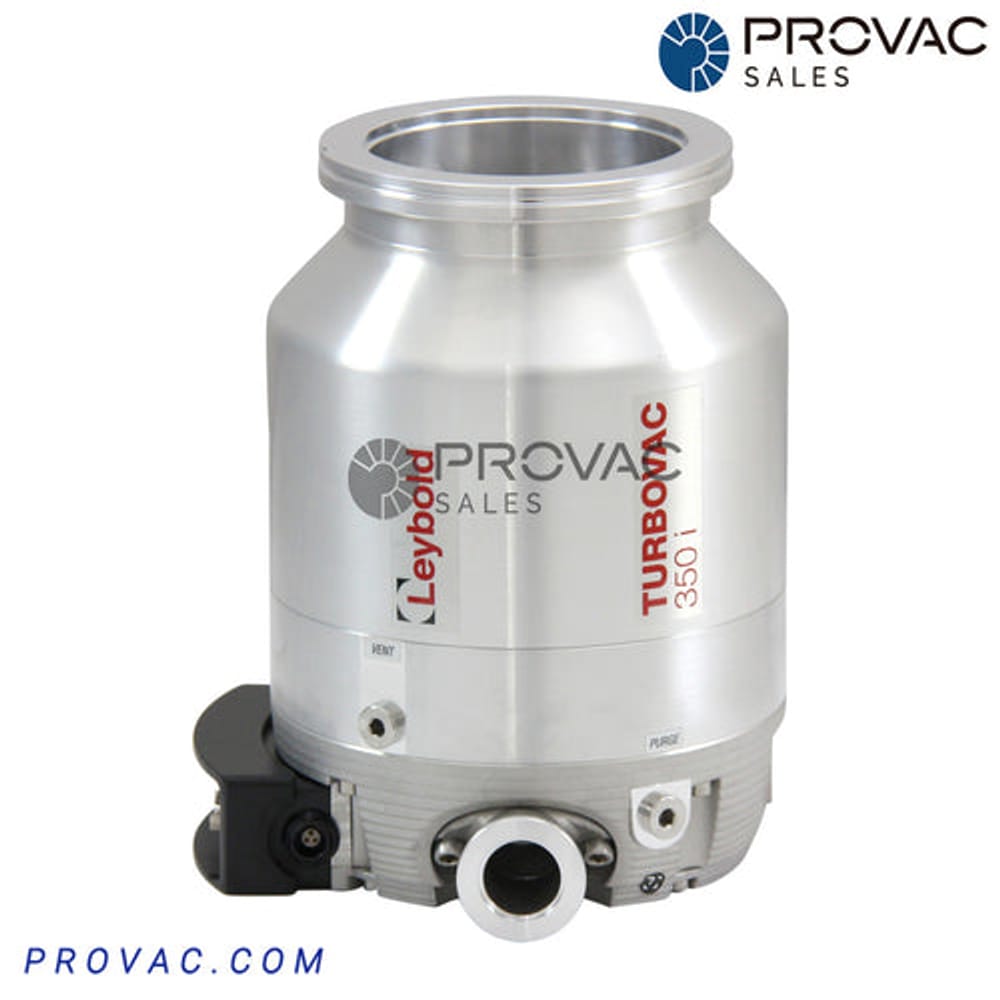
Leybold
Leybold Turbovac 350i Turbo Pump, Rebuilt
$ 7,850.00
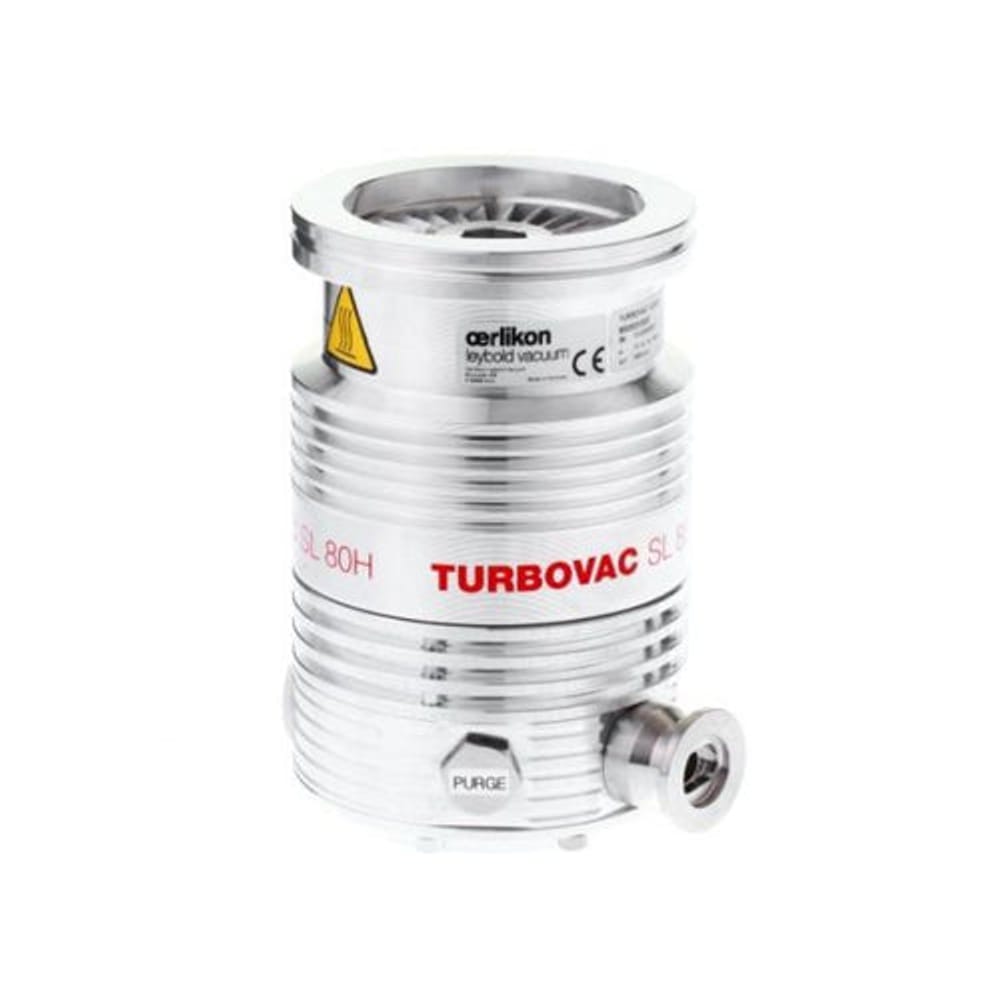
Leybold
Leybold SL-80C Turbo Pump, Rebuilt
$ 5,025.00
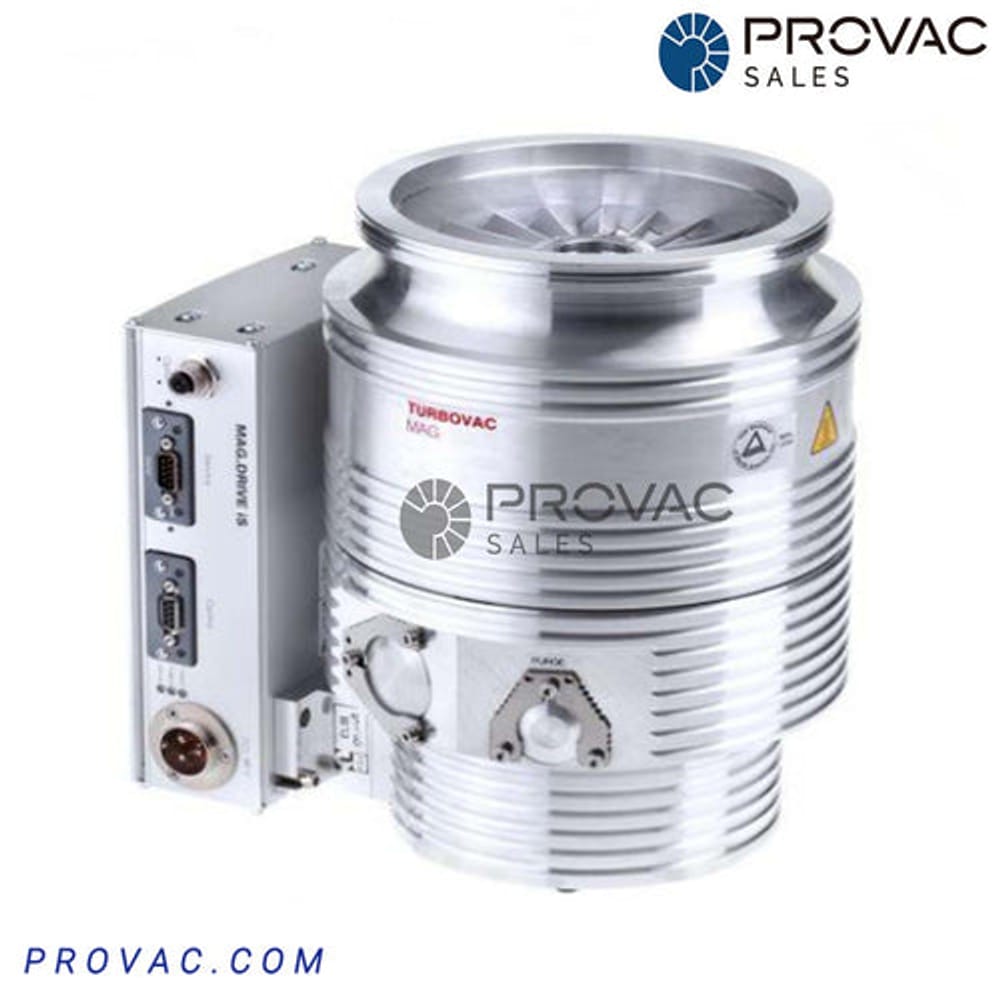
Leybold
Leybold Turbovac Mag W 600iP Turbo Pump
Contact us for pricing
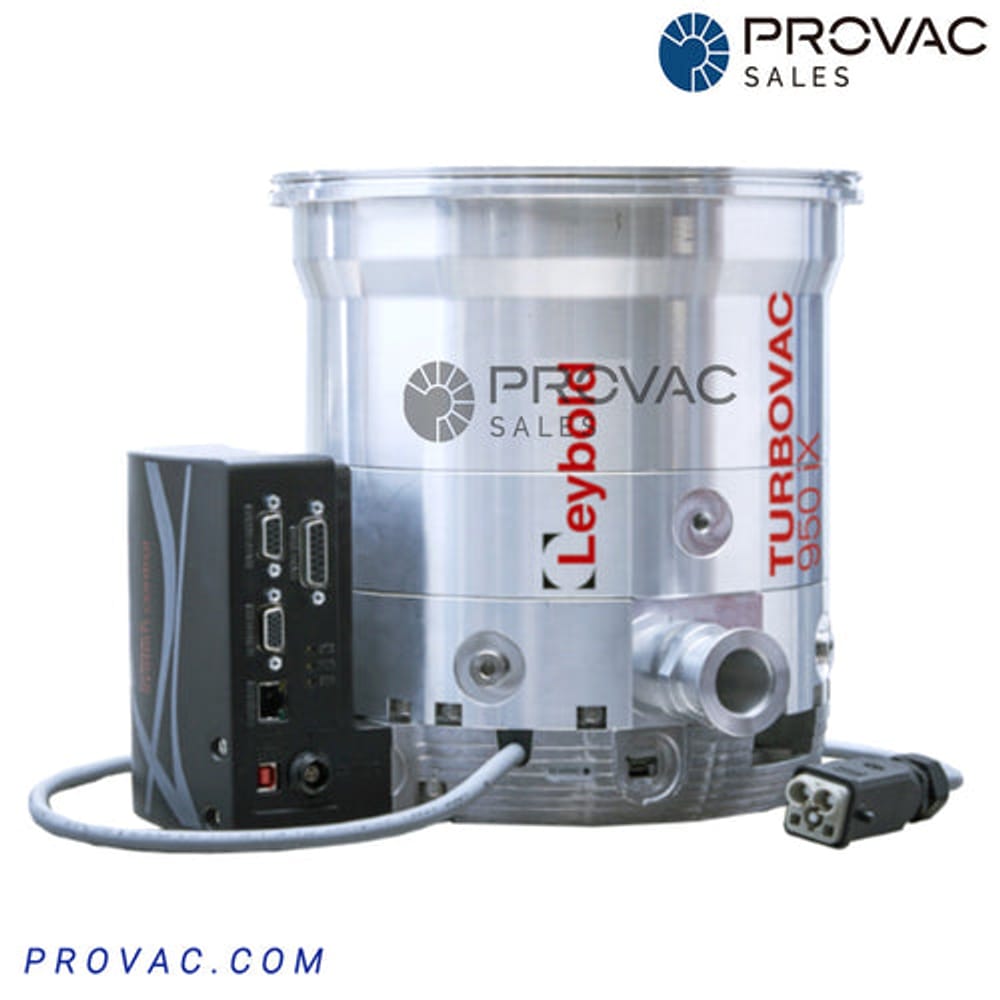
Leybold
Leybold Turbovac 950iX Turbo Pump
Contact us for pricing
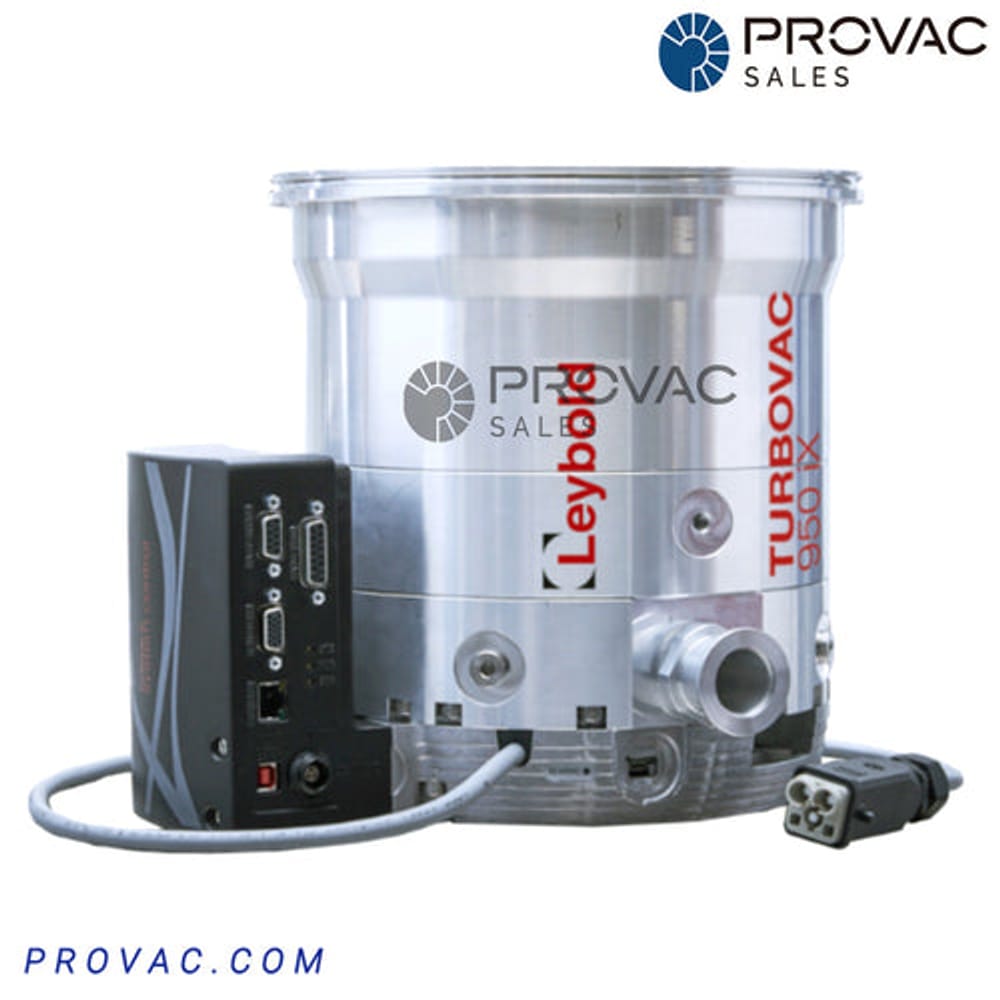
Leybold
Leybold Turbovac 950i Turbo Pump
Contact us for pricing
Leybold
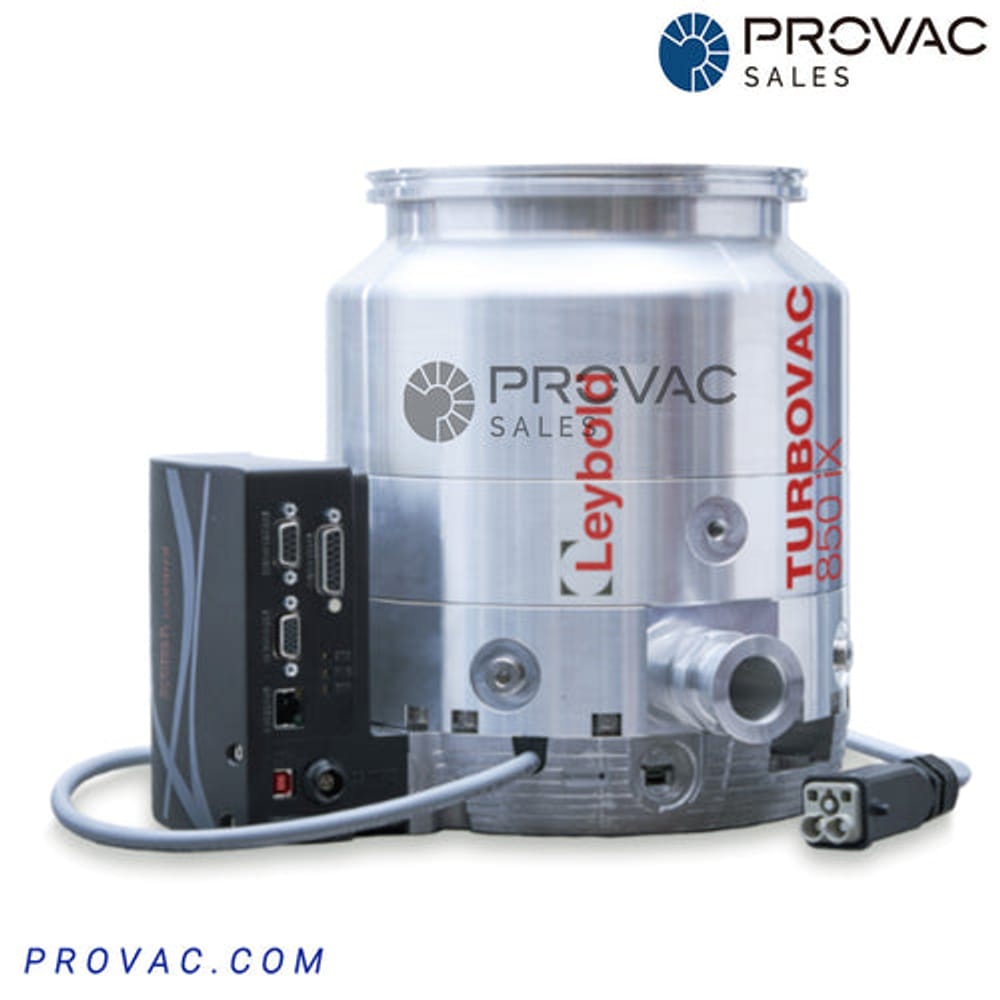
Leybold Turbovac 850iX Turbo Pump
Contact us for pricing
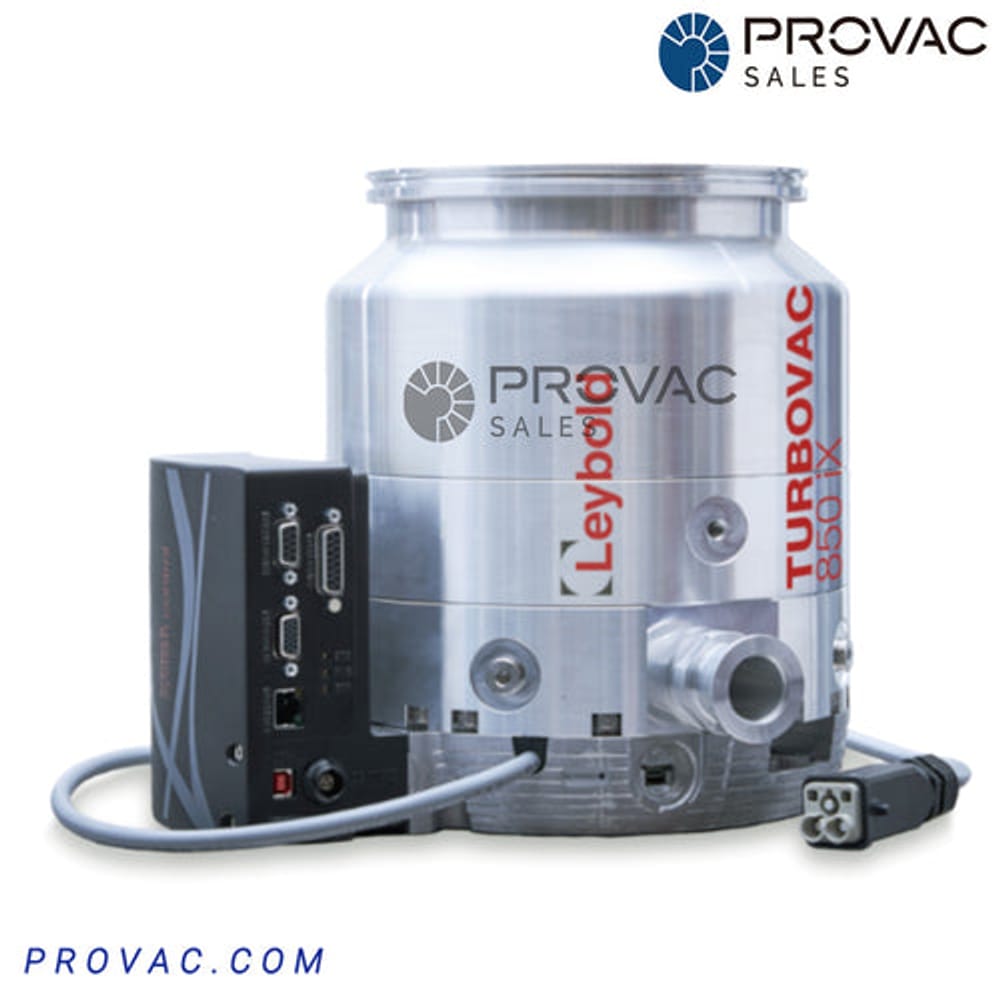
Leybold
Leybold Turbovac 850i Turbo Pump
Contact us for pricing
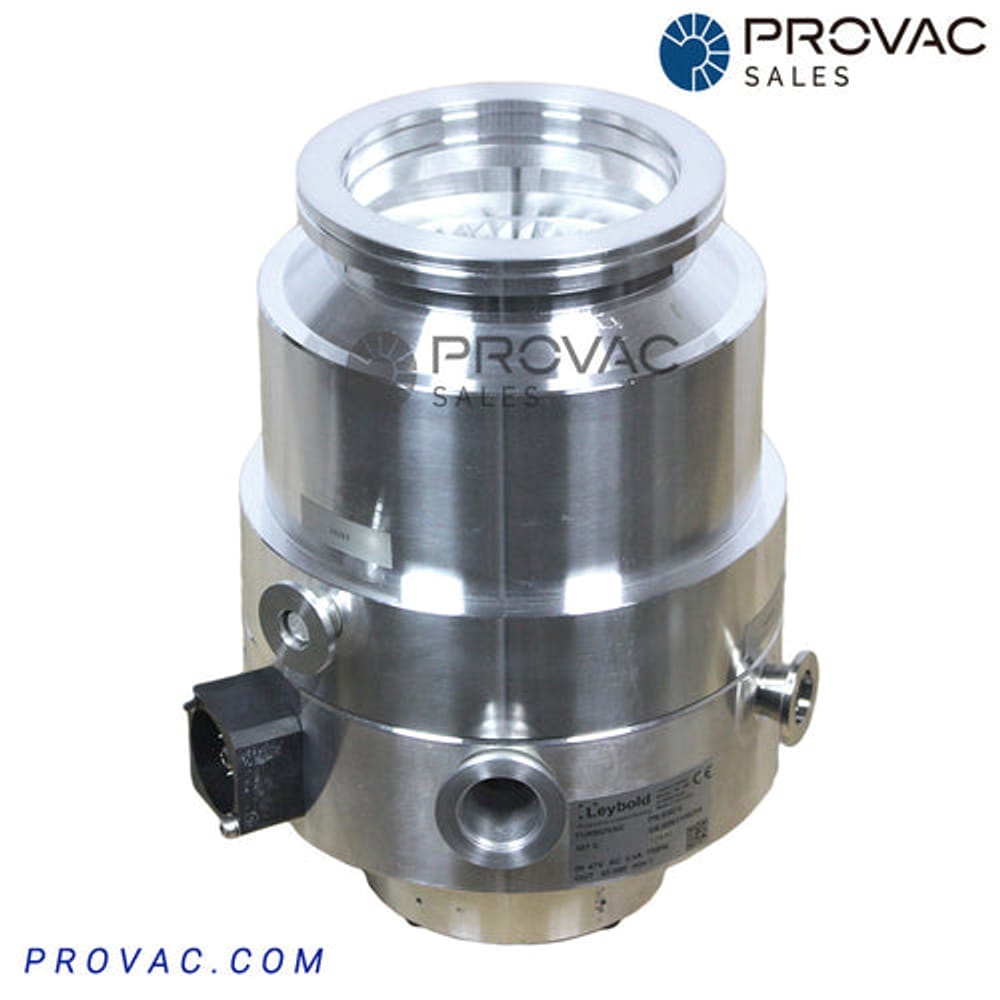
Leybold
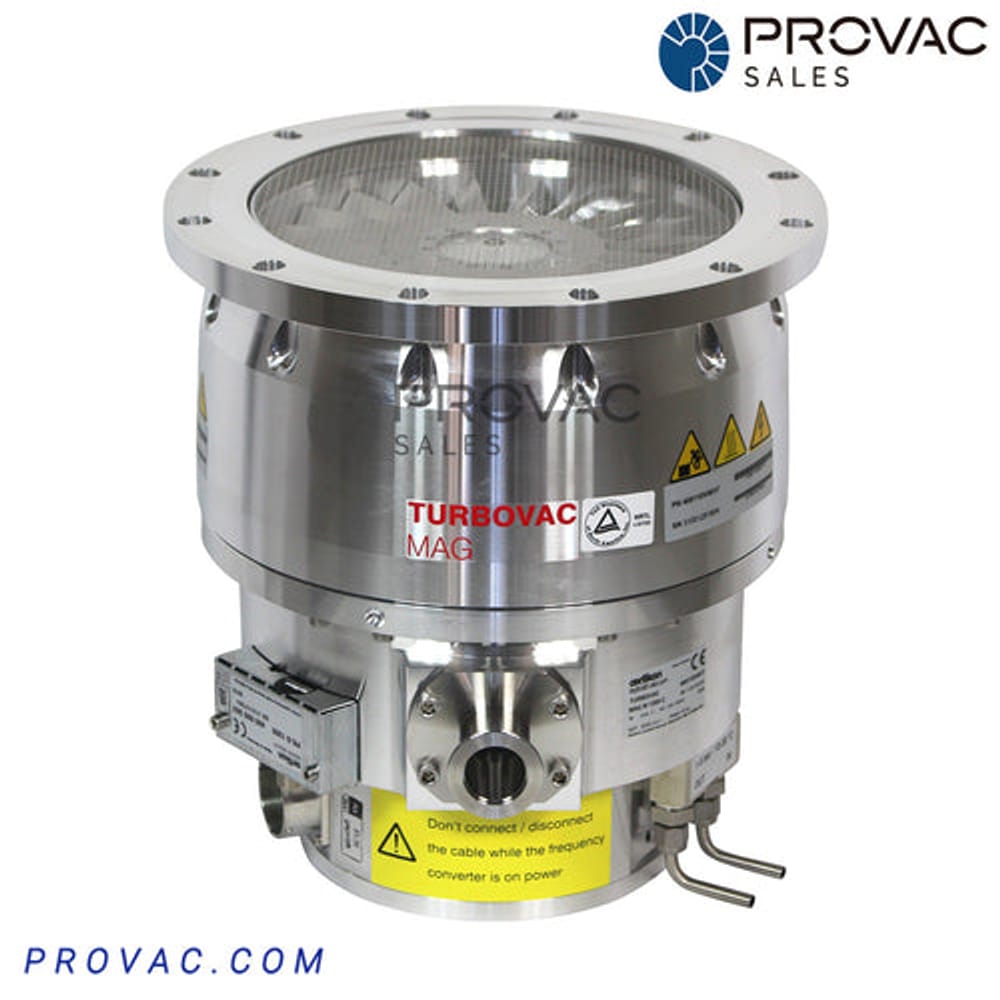
Leybold TMP-361C Turbo Pump
Contact us for pricing
Leybold
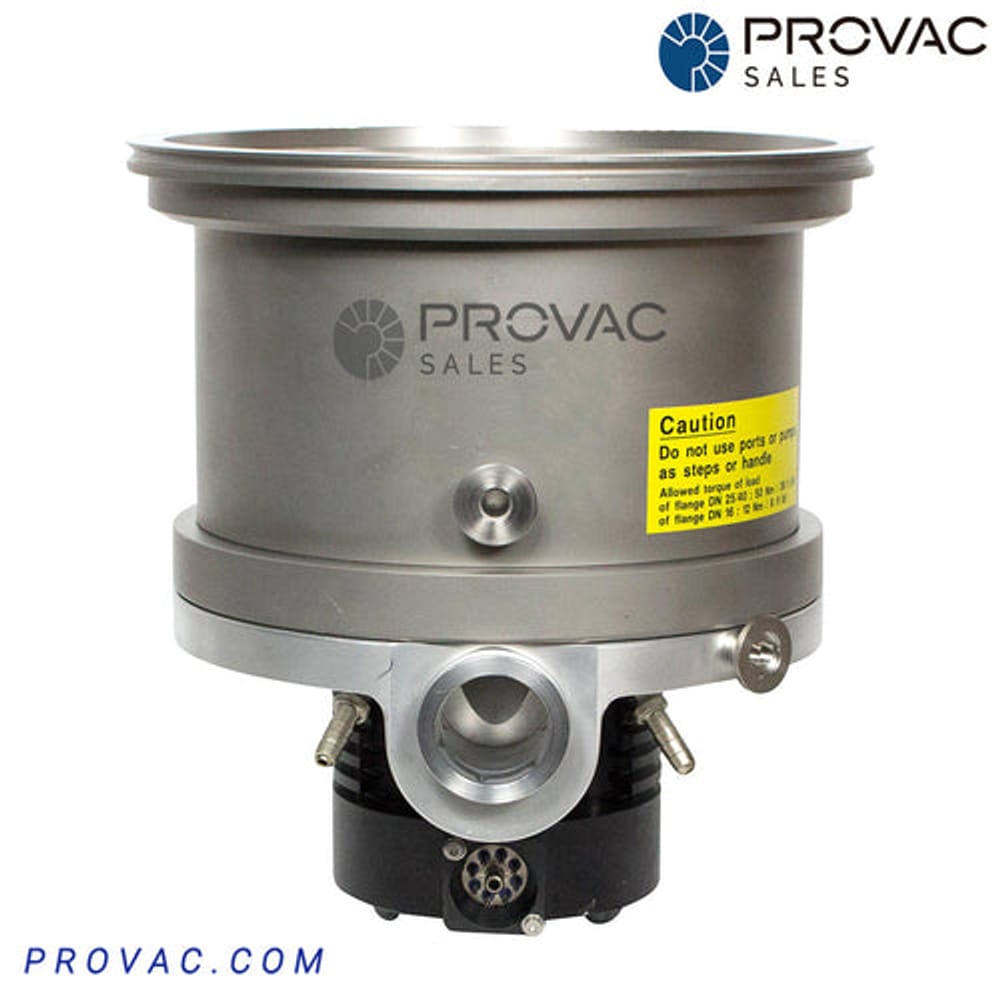
Leybold Mag W 1300C Turbo Pump
Contact us for pricing
Leybold
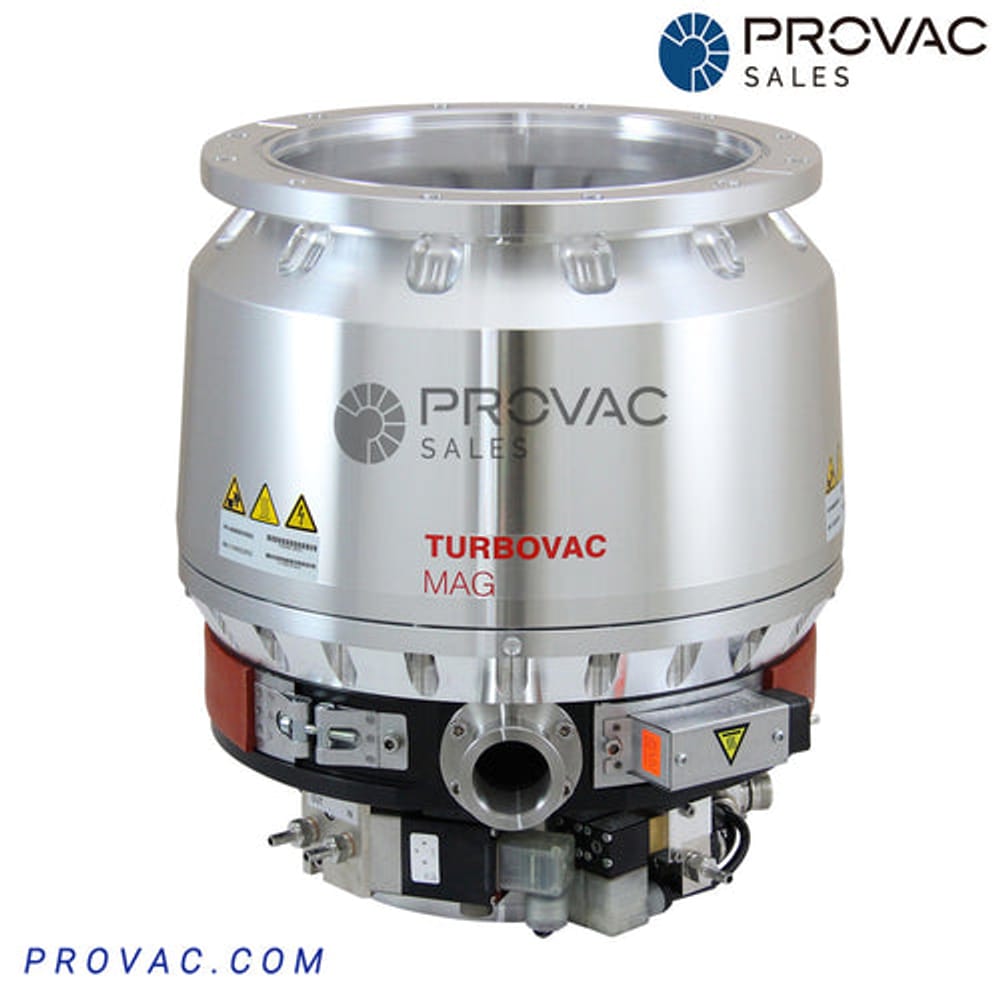
Leybold TMP-1000C Turbo Pump, ISO250K/KF40, Rebuilt
$ 15,450.00
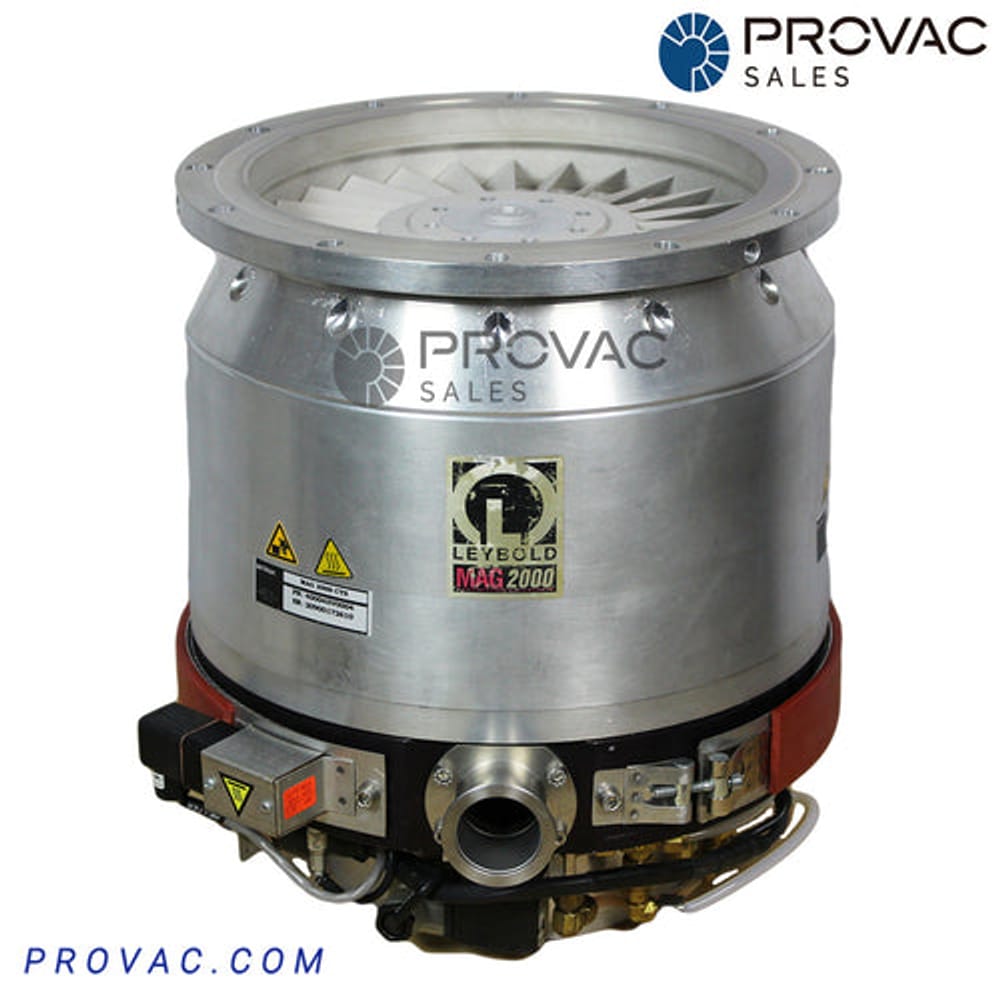
Leybold Mag W 2800 Turbo Pump
$ 21,000.00
Leybold
Leybold Mag 2000CT Analog Turbo Pump, Rebuilt
$ 30,498.00
Leybold TURBOVAC Turbo Pumps
Turbomolecular pumps create clean high and ultra-high vacuum for analytical instruments, coating systems, semiconductor tools and research. Leybold TURBOVAC pumps range from small compact pumps for mass spectrometers to large magnetic bearing pumps for production tools. At Provac Sales, we supply TURBOVAC pumps new and rebuilt and repair and rebalance turbo pumps in our own shop.
Leybold Turbo Pump Models We Carry
TURBOVAC i and iX Series
- TURBOVAC 90 i and 90 iX, for small chambers and instruments
- TURBOVAC 250 i and 250 iX, about 225 l/s for nitrogen, DN 100 inlet
- TURBOVAC 350 i and 350 iX, about 290 l/s for nitrogen at 60,000 rpm, DN 100 ISO-K or CF inlet
- TURBOVAC 450 i and 450 iX
- TURBOVAC 850 i and 950 iX for larger chambers and higher gas loads
TURBOVAC MAG Magnetic Bearing Pumps
- TURBOVAC MAG W 300 iP
- TURBOVAC MAG W 600 P and MAG W 600 iP
- TURBOVAC MAG W 2200 iP, about 2,200 l/s, with DN 250 ISO-F or CF inlet
Compact Turbo Pumps
- Leybold SL 80 C and SL 80 H
Some listings show a price and others are quote-based. Each product page lists pumping speed, inlet flange, cooling and interface.
TURBOVAC i vs iX
Both versions have the drive electronics built into the pump, so there is no separate controller box or long cable:
- The i version provides USB and digital I/O, with serial and field bus options depending on the interface ordered.
- The iX version adds vacuum system control. It can read a gauge, switch accessories such as vent valves and fans through extra outputs, and run a simple pumping system on its own.
Choose the iX when the turbo pump should manage venting, gauges and backing pump control without a separate system controller.
Ball Bearing vs Magnetic Bearing
- TURBOVAC i and SL pumps use ball bearings, typically a hybrid design with ceramic balls. They cost less and suit most lab, analytical and coating systems. Bearings need servicing at set intervals.
- TURBOVAC MAG pumps float the rotor on magnetic bearings with no mechanical contact. There is no lubricant in the pump, almost no vibration and no bearing wear in normal use. They suit semiconductor tools, large coating systems and vibration-sensitive instruments, and they handle higher gas loads.
How a Turbomolecular Pump Works
A turbo pump has a stack of rotor discs with angled blades spinning between fixed stator discs at very high speed, often 36,000 to 60,000 rpm or more. When a gas molecule hits a moving blade, it is knocked toward the exhaust. Each stage adds compression. A turbo pump works only in the molecular flow range, so it needs a backing pump to bring the system to rough vacuum first and to remove gas from its exhaust. Turbo pumps compress heavy gases very well and light gases such as hydrogen and helium less well, which is why the backing pump matters for ultimate pressure.
Key Features
- Integrated drive electronics on TURBOVAC i, iX and MAG iP pumps
- ISO-K, ISO-F and CF inlet flanges for high and ultra-high vacuum
- Convection, forced air or water cooling depending on gas load
- CF flange heaters for bakeout on stainless steel versions
- Ultimate pressure below about 8 x 10⁻⁸ mbar with ISO-K and below about 5 x 10⁻¹⁰ mbar with CF on the TURBOVAC 350 i, with a suitable backing pump
- Field bus options including RS 485, with EtherNet/IP and EtherCAT available on some configurations
Applications
- Mass spectrometers and analytical instruments
- Surface analysis and electron microscopy
- Thin film, optical and decorative coating
- Semiconductor etch, deposition and load locks, using MAG pumps
- Helium leak detectors
- Research, physics and space simulation systems
How to Choose the Right TURBOVAC
Before ordering, confirm:
- Pumping speed needed for your chamber and gas load
- Inlet flange type and size
- Required base pressure and whether you will bake the system
- Process gases, especially hydrogen, helium or corrosive gases
- Backing pump type and size
- Interface and control needs, which decide between i, iX and MAG versions
- Mounting orientation and cooling available
Backing Pumps for TURBOVAC
Small TURBOVAC i pumps are often backed by a DIVAC diaphragm pump or a SCROLLVAC scroll pump for an oil-free system, or a TRIVAC rotary vane pump for lower foreline pressure. MAG pumps on production tools are usually backed by dry screw or multi-stage Roots pumps.
Maintenance Tips
- Service ball bearing pumps at the interval in the manual, before bearings fail
- Never vent a turbo at full speed unless it is designed for it, and use the controlled vent sequence
- Keep cooling water or fans clean and running
- Use an inlet screen to keep debris out of the rotor
- Keep foreline pressure within the rated limit
Signs Your Turbo Pump Needs Service
- New bearing noise, whine or vibration
- Longer run-up time or failure to reach full speed
- Higher base pressure than before
- Overtemperature or overload faults
- Signs of rotor contact after a sudden vent or debris
New vs Rebuilt Leybold Turbo Pumps
New TURBOVAC pumps suit new systems and applications that need full warranty coverage. Rebuilt pumps are a cost-effective way to replace a failed pump of the same model without changing flanges, cables or controls. A rebuild includes new bearings, rotor inspection and balancing, and a test run before shipping.
Leybold Turbo Pumps Repair
Provac Sales repairs and rebuilds Leybold TURBOVAC, SL and MAG turbo pumps, including bearing replacement and rotor balancing. Submit an RMA request and complete the contamination data sheet before shipping. Include the model, serial number and symptoms. See our pump repair page for more information.
Related Leybold Collections
- Leybold turbo pump controllers, TURBOTRONIK and MAG.DRIVE
- Leybold pumping stations, TURBOLAB stations
- Leybold diaphragm pumps and Leybold scroll pumps for dry backing
- Leybold vane pumps, TRIVAC backing pumps
- All Leybold vacuum pumps
- All turbo pumps from every brand we carry
Leybold Turbo Pumps FAQ
1. What is the difference between TURBOVAC i and iX?
Both have integrated drive electronics. The iX adds vacuum system control, including a gauge connection and extra outputs for accessories such as vent valves and fans, so it can run a simple pumping system without a separate controller.
2. What is the pumping speed of the TURBOVAC 350 i?
The TURBOVAC 350 i pumps about 290 l/s of nitrogen at 60,000 rpm. The TURBOVAC 250 i pumps about 225 l/s.
3. What is a TURBOVAC MAG pump?
MAG pumps float the rotor on magnetic bearings, so there is no lubricant and no bearing wear in normal use. They suit semiconductor tools, large coating systems and vibration-sensitive instruments.
4. What backing pump do I need for a TURBOVAC 90 i?
A TURBOVAC 90 i is commonly backed by a DIVAC diaphragm pump, a small SCROLLVAC scroll pump or a TRIVAC rotary vane pump. Choose a dry pump if the system must stay oil-free.
5. Can a Leybold turbo pump be rebuilt?
Yes. We repair and rebuild TURBOVAC, SL and MAG pumps, including bearing replacement and rotor balancing, and test them before return.
Request a Quote on Leybold TURBOVAC Turbo Pumps
Send us your chamber size, required base pressure, inlet flange, process gases and backing pump. We will recommend the right TURBOVAC model, confirm new or rebuilt availability, or quote a repair of your existing pump. Contact us or call 831-462-8900.