
Agilent Ion Pumps
Agilent
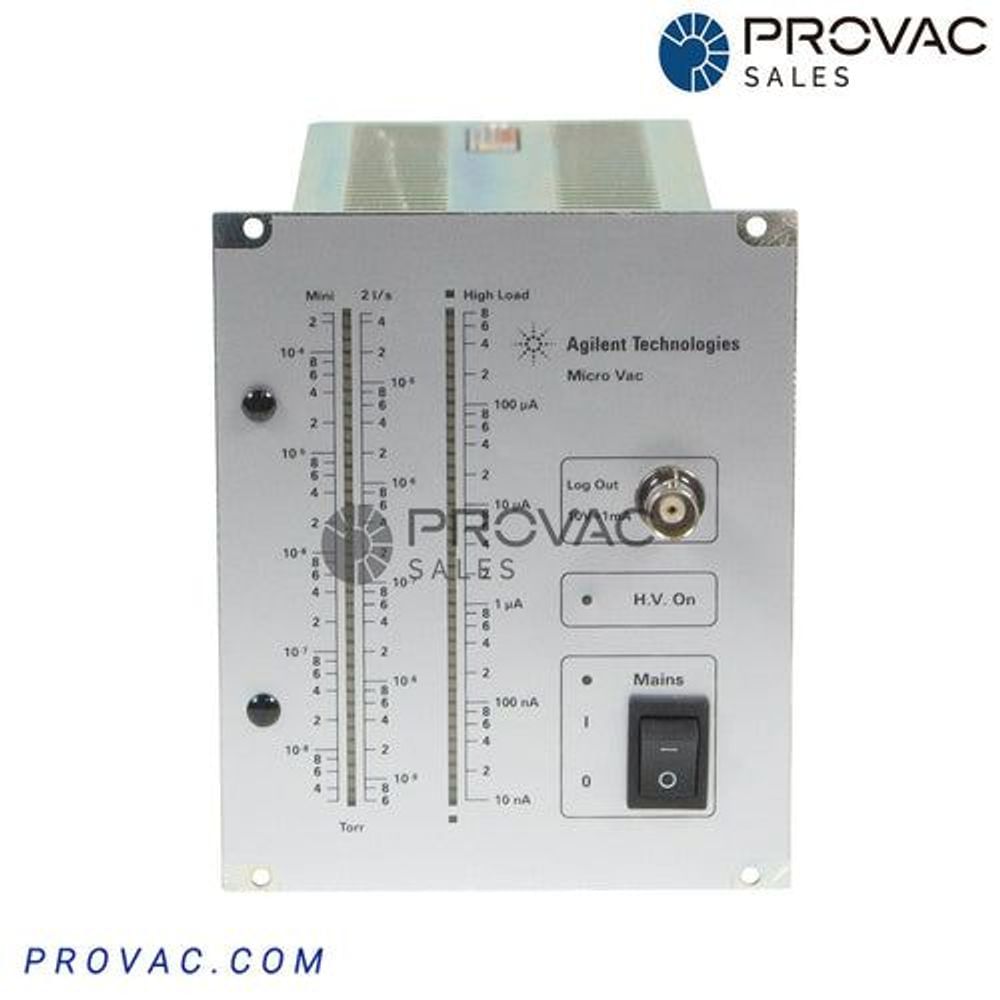
Agilent Microvac Ion Pump Controller, Rebuilt
$ 1,541.00
Agilent
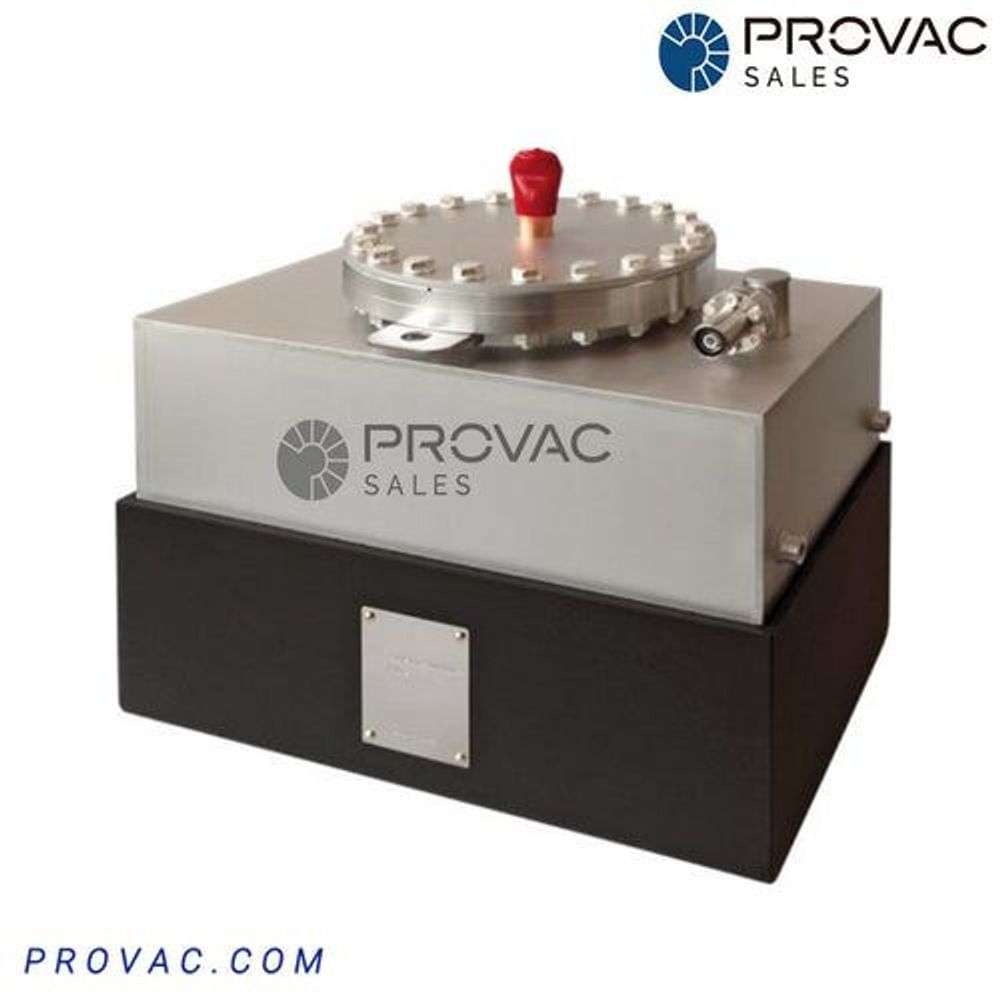
Agilent VacIon Plus 200 Ion Pump
Contact us for pricing
Agilent
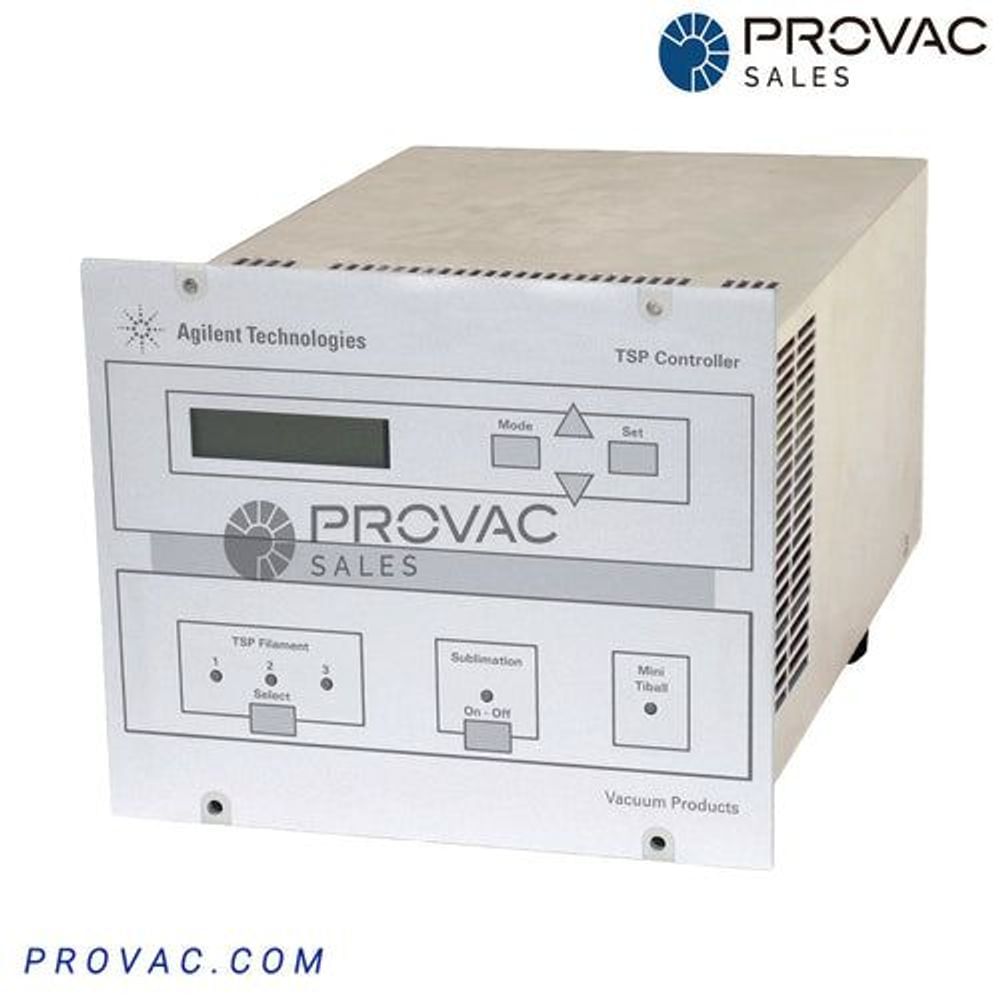
Agilent VacIon TSP Ion Pump Controller
Contact us for pricing

Agilent
Agilent 4UHV Ion Pump Controller
Contact us for pricing
Agilent
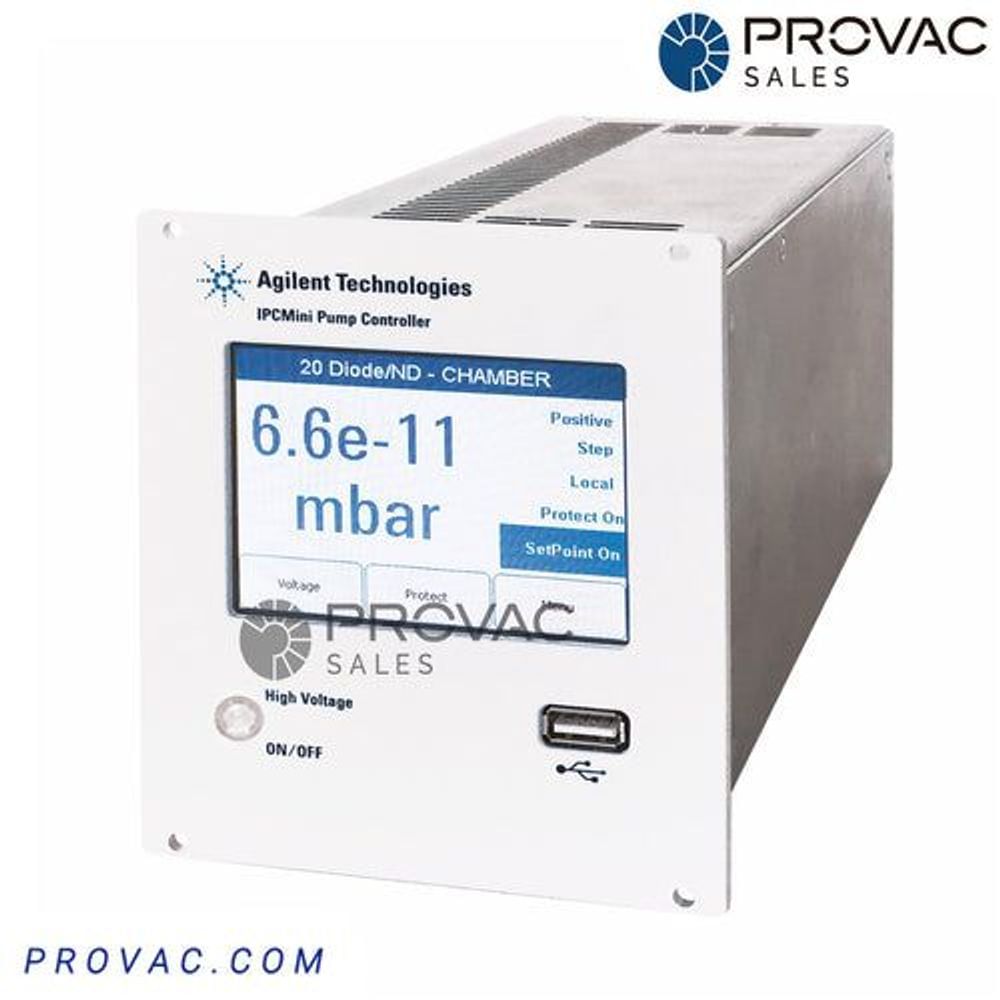
Agilent IPC Mini Ion Pump Controller
Contact us for pricing
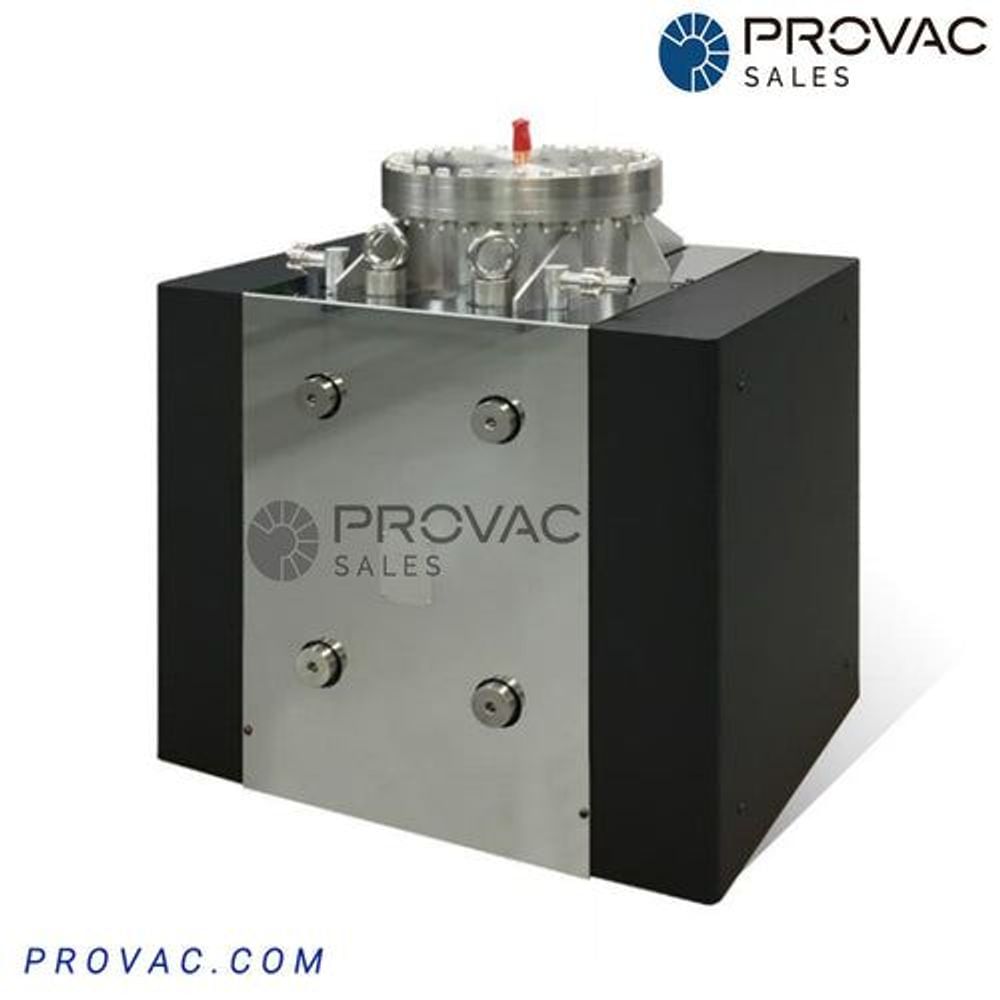
Agilent
Agilent VacIon Plus 1000 Ion Pump
Contact us for pricing
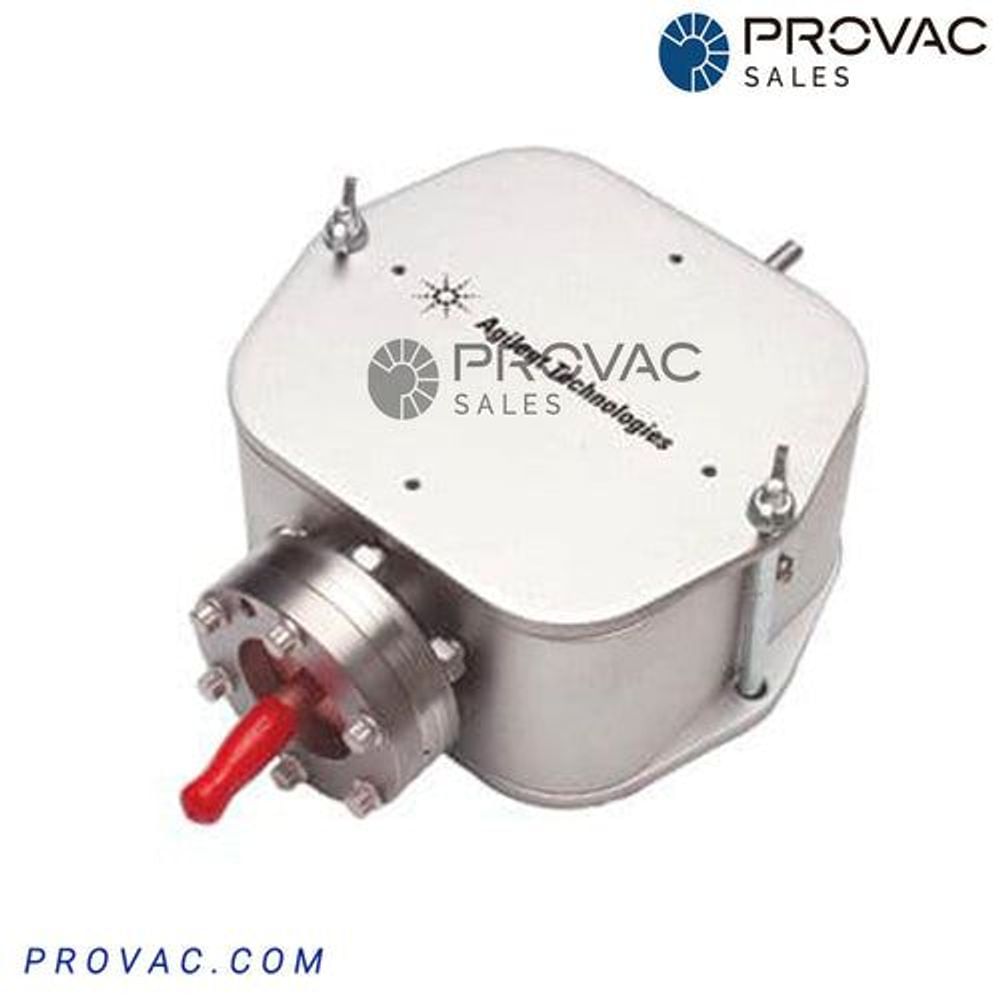
Agilent
Agilent VacIon 10 l/s Ion Pump
Contact us for pricing
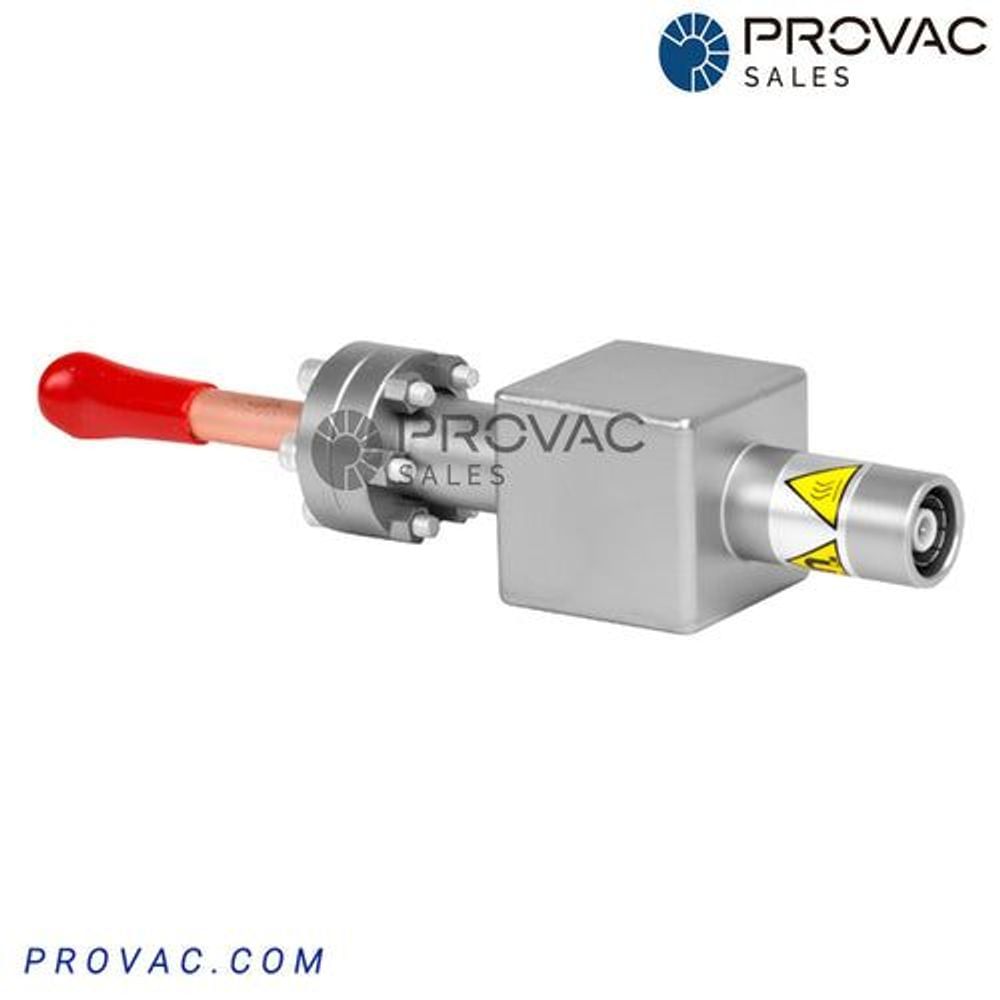
Agilent
Agilent VacIon 2 l/s Ion Pump
Contact us for pricing
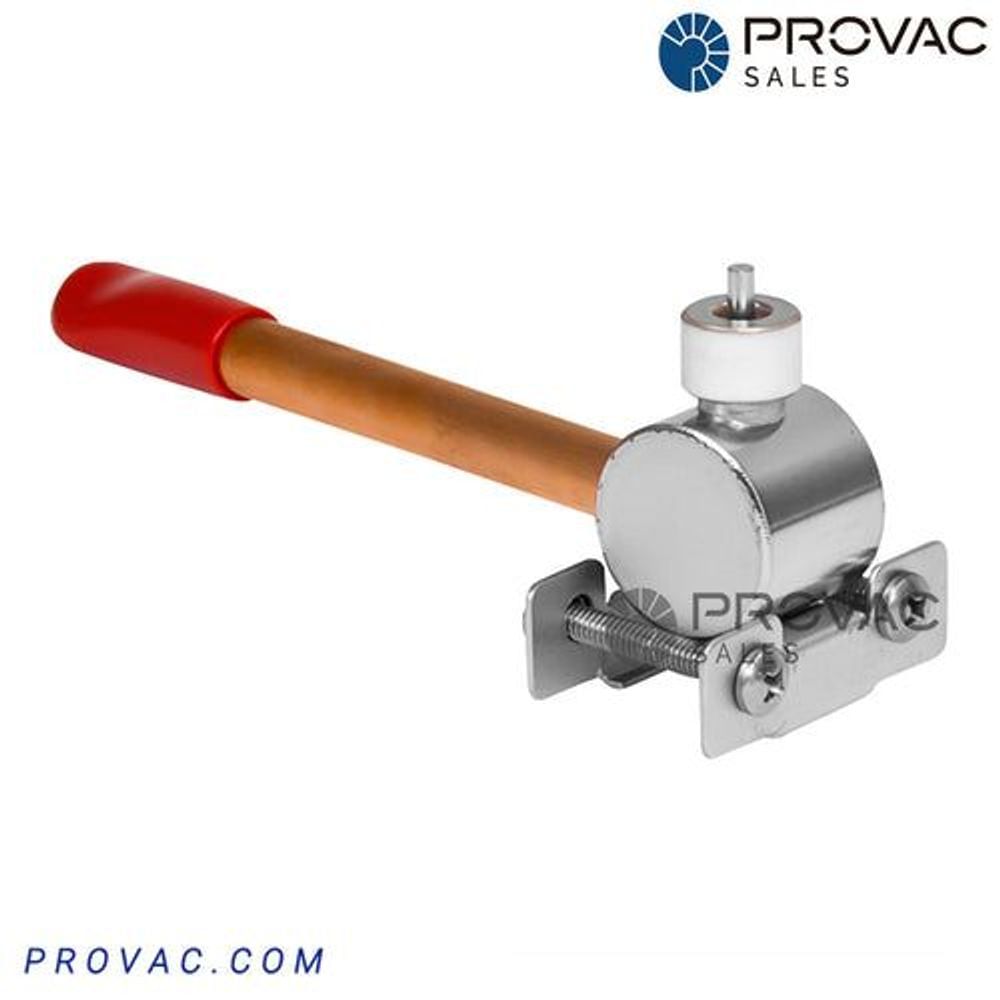
Agilent
Agilent VacIon Miniature Ion Pump
Contact us for pricing
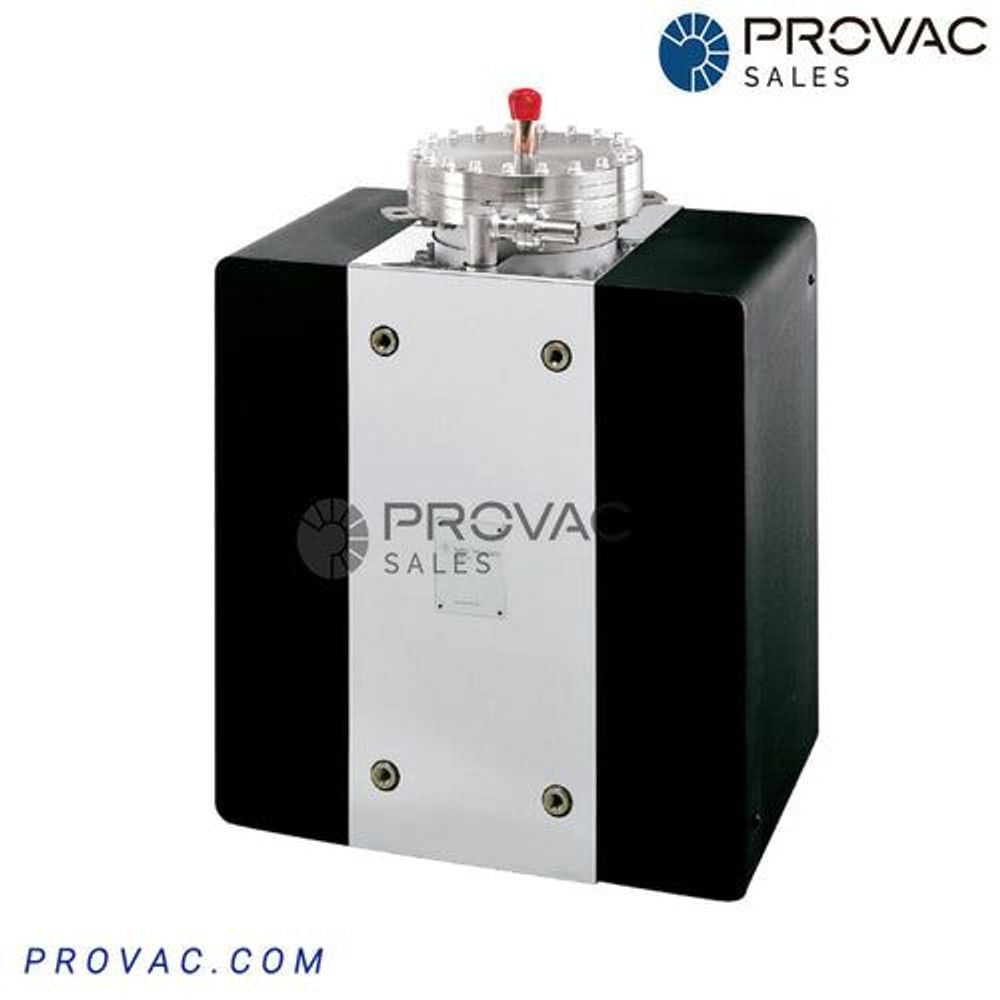
Agilent
Agilent VacIon Plus 500 Ion Pump
Contact us for pricing
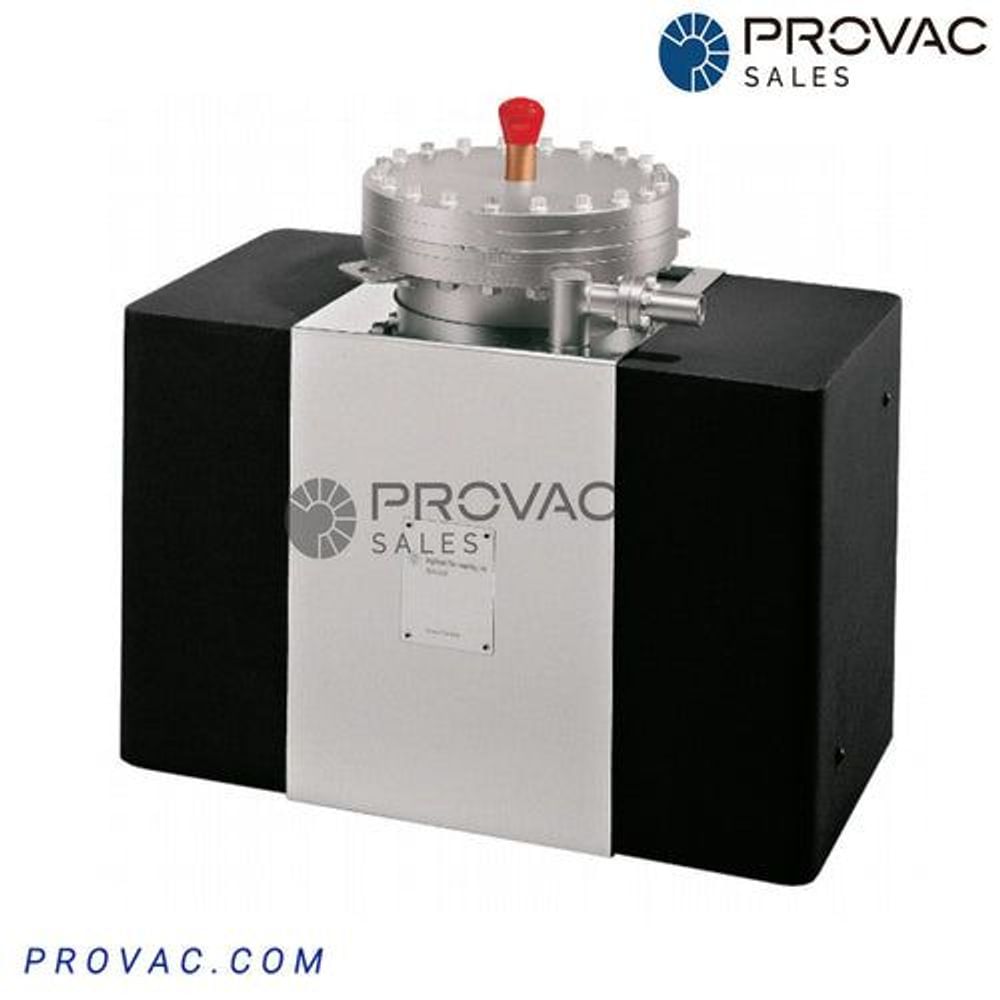
Agilent
Agilent VacIon Plus 300 Ion Pump
Contact us for pricing
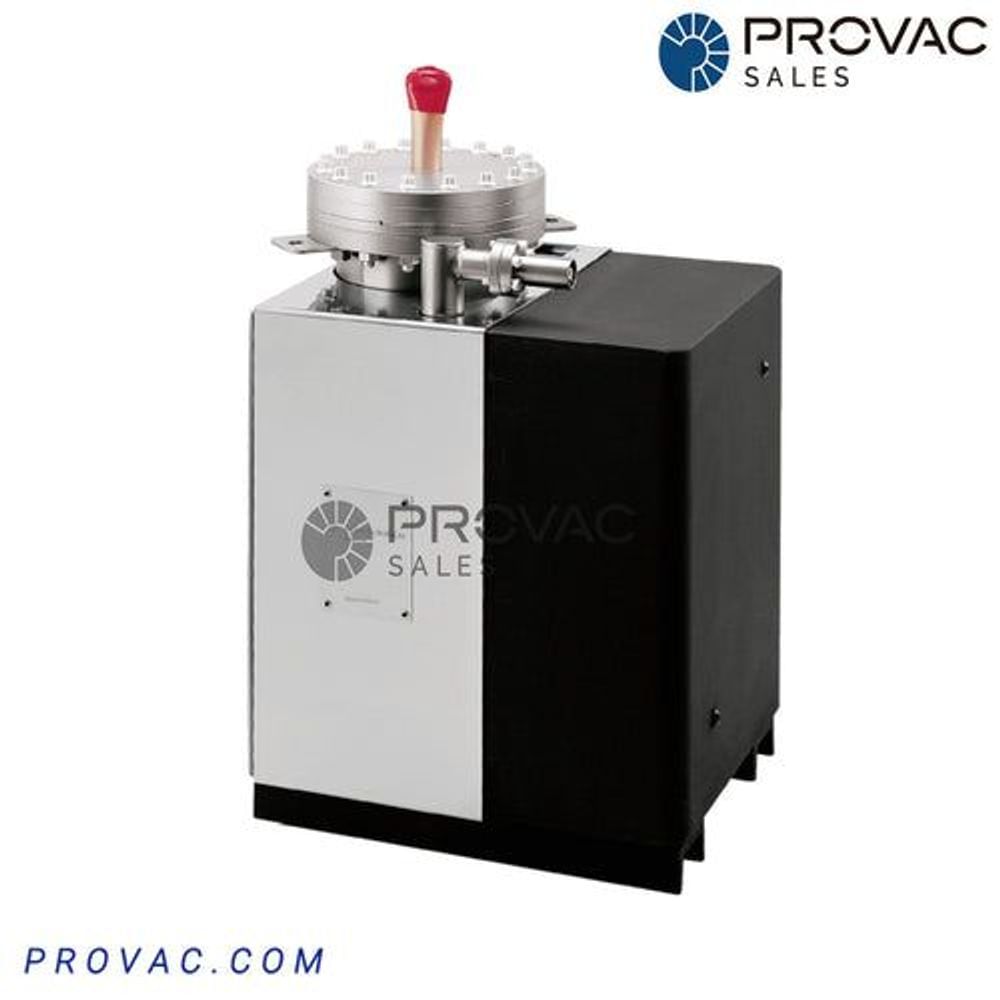
Agilent
Agilent VacIon Plus 150 Ion Pump
Contact us for pricing
Agilent Ion Pumps
For systems that have to reach and hold ultra-high vacuum, Agilent ion pumps are one of the cleanest and most reliable tools available. Sold under the well-known VacIon Plus name, these pumps use no oil, no moving parts, and no vibration. Once your chamber is at ultra-high vacuum, an ion pump can quietly hold it there for years with almost no attention, which is exactly what sensitive surface science and analytical work demand.
Provac stocks new and rebuilt Agilent VacIon Plus ion pumps across the full range, from 20 to 300 liters per second. We also offer re-element and rebuild service for pumps that have reached the end of their element life, so you can restore a tired pump instead of replacing it outright.
How an Ion Pump Holds Vacuum
An ion pump works in a way that is fundamentally different from mechanical pumps. Inside the pump, a strong magnetic field and a high voltage combine to ionize the few gas molecules that remain in the chamber. Those ions are then driven into a chemically active getter material, usually titanium, where they are captured and held permanently. Some gas is buried physically, and some reacts chemically with the fresh titanium surface, but either way the molecules are removed from the vacuum for good.
Because the pump captures gas rather than pushing it out through an exhaust, there is nothing to vibrate, nothing to lubricate, and no fluid that could ever contaminate your chamber. That is why ion pumps are the pump of choice when cleanliness and stability matter more than raw pumping speed.
The VacIon Plus Range
Agilent offers VacIon Plus pumps in a range of sizes so you can match the pump to your chamber volume and your target pressure. Provac stocks the full lineup:
- VacIon Plus 20 for compact chambers, small instruments, and tight spaces
- VacIon Plus 40, 55, and 75 for mid-range analytical and surface-science systems
- VacIon Plus 150 and 300 for large chambers, beamlines, and demanding UHV research
Where Ion Pumps Are Used
Ion pumps appear wherever ultra-high vacuum has to be clean, quiet, and stable over long periods. Typical applications include:
- Surface analysis techniques such as XPS, SIMS, and Auger spectroscopy
- Electron microscopy and particle accelerators
- Mass spectrometry and other analytical instrumentation
- UHV research where any vibration or oil contamination would ruin results
Reaching Ultra-High Vacuum First
It is important to understand that an ion pump does not start from atmospheric pressure. It takes over only after another pump has roughed the chamber down and pumped it into the high vacuum range. Think of the ion pump as the finishing and holding pump rather than the starting pump.
To get to base pressure, most systems pair a VacIon Plus with an Agilent turbo pump backed by a dry Agilent scroll pump. That combination brings the chamber into the range where the ion pump can strike and take over. If you would rather start with an assembled solution, an Agilent pumping station gives you the roughing and high vacuum stages in one tested package, ready to hand off to your ion pump.
Rebuilt and Re-Elemented at Provac
Ion pump elements do not last forever. Over many years of service the titanium is consumed and the pumping speed drops. When that happens, you do not necessarily need a brand new pump. Provac can re-element and rebuild your VacIon Plus, replacing the spent internals and testing the pump before it comes back to you.
That means you get several practical choices when you buy from us:
- New VacIon Plus pumps for a fresh start
- Rebuilt pumps that are cleaned, re-elemented, and tested, all at a lower cost
- Re-element service for the pump you already own
- A warranty on rebuilt units so you are protected after the sale
How Long Do Ion Pump Elements Last?
Ion pump life is measured in the amount of gas the pump processes rather than simple calendar years, so a pump holding a clean, well-sealed chamber at ultra-high vacuum can run for a very long time before its elements are spent. The titanium is slowly consumed as it captures gas, and pumps that see higher gas loads use up their elements faster. When pumping speed finally drops and the pump struggles to hold pressure, that is the signal the elements need replacing. The good news is that a re-element brings the pump back to life at a fraction of the cost of buying new, and Provac performs this service in house.
Starting and Protecting an Ion Pump
An ion pump needs its controller and cabling in good order to strike and run reliably. When you first start a pump on a freshly roughed chamber, the initial gas load can be high, and a healthy controller manages that startup smoothly. It is also worth remembering that ion pumps do not like being run at pressures that are too high, since that shortens element life quickly. This is why the roughing and high vacuum stages that come before the ion pump matter so much. Getting the chamber into the right range before the ion pump takes over protects your investment and keeps the pump serving for years.
Combining an Ion Pump With a Getter Pump
In the most demanding ultra-high vacuum systems, ion pumps are sometimes paired with getter pumps to reach and hold the lowest possible pressures. The getter handles the reactive gases very efficiently, while the ion pump takes care of the noble gases and provides a way to measure the pressure, since ion pump current gives a rough read on vacuum level. This kind of pairing is common in surface science and accelerator work, where every last bit of performance counts. If your application is pushing toward the extreme end of ultra-high vacuum, we can talk through whether adding a getter alongside your VacIon Plus makes sense, and how to configure the two so they complement rather than fight each other.
Support and Advice for UHV Systems
Ultra-high vacuum systems can be unforgiving, and small mistakes in configuration or startup can cost you weeks of pumping time. Provac's role does not end when the pump ships. We are here to help you think through the whole vacuum chain, from the roughing pump to the high vacuum stage to the ion pump that holds your base pressure. That whole-system perspective is what separates buying a component from building a system that actually works, and it is exactly the kind of help we are glad to give.
Why Buy Your Ion Pump From Provac
Ultra-high vacuum work leaves little room for error, and the pump you choose has to be right for the job. Provac brings decades of hands-on vacuum experience to that decision. We can help you size a VacIon Plus for your chamber, advise on the roughing and high vacuum stages that will get you to base pressure, and support the pump long after it is installed.
Because we stock the whole Agilent line, we can help you build a complete UHV system rather than a single component. Explore the full Agilent collection to see how ion pumps work together with Agilent turbo pumps, scroll pumps, diffusion pumps, and helium leak detectors for verifying your system is properly sealed before it ever reaches base pressure. When you are ready, call 831-462-8900 for straightforward sizing help from people who work with these pumps every day.
Agilent Ion Pumps FAQ
1. What size ion pump do I need?
It depends on your chamber volume, your target pressure, and your gas load. Share those details and we will help you size a VacIon Plus correctly.
2. Can you re-element my old ion pump?
Yes. We replace the spent internals, clean the pump, and test it before returning it, which costs far less than a new pump.
3. Does an ion pump replace my turbo pump?
No. The ion pump takes over at ultra-high vacuum, but you still need a turbo or other pump to reach that range first.
4. How long do ion pump elements last?
Life is measured in the amount of gas the pump processes rather than calendar time, so a pump holding a clean, well-sealed chamber can run for a very long time before its elements are spent. Pumps that see higher gas loads use up their elements faster, and dropping pumping speed is the signal that a re-element is needed.
5. When would I pair an ion pump with a getter pump?
In the most demanding ultra-high vacuum systems, a getter handles reactive gases efficiently while the ion pump takes care of noble gases and provides a rough pressure reading from its current. This kind of pairing is common in surface science and accelerator work where every last bit of performance counts.