
Dry Pumps
Dry pumps have revolutionized vacuum technology by providing clean, oil-free operation for various industrial and scientific applications. These pumps operate without sealing or lubricating flui...
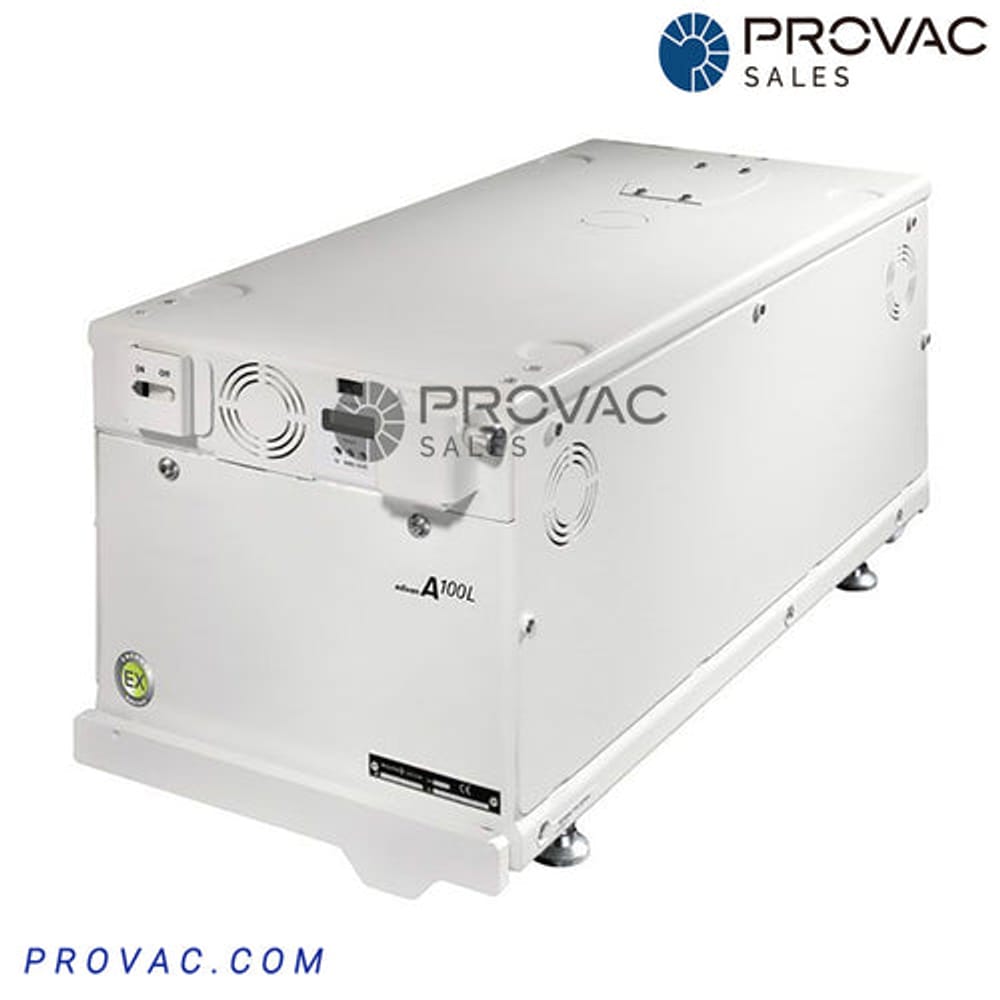
Alcatel/Adixen
Alcatel A100L Dry Pump
Contact us for pricing
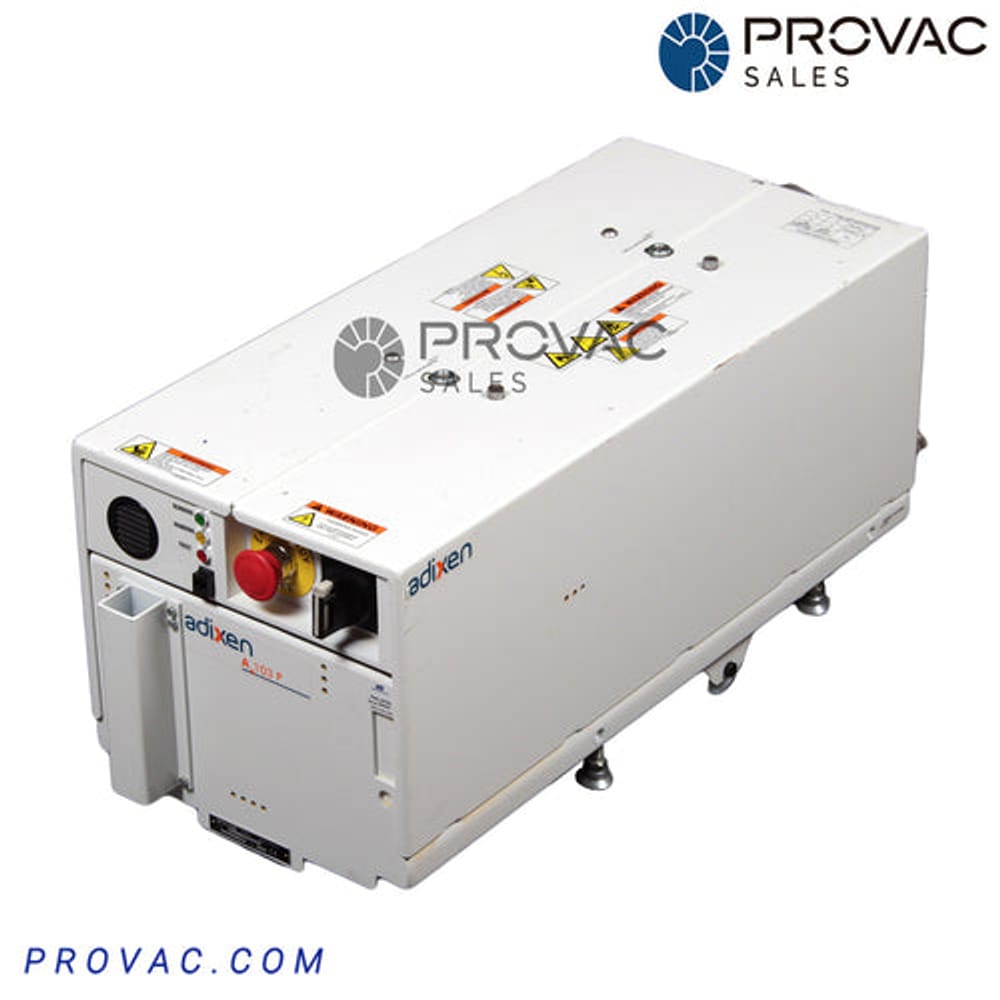
Alcatel/Adixen
Alcatel A103P Dry Pump
Contact us for pricing
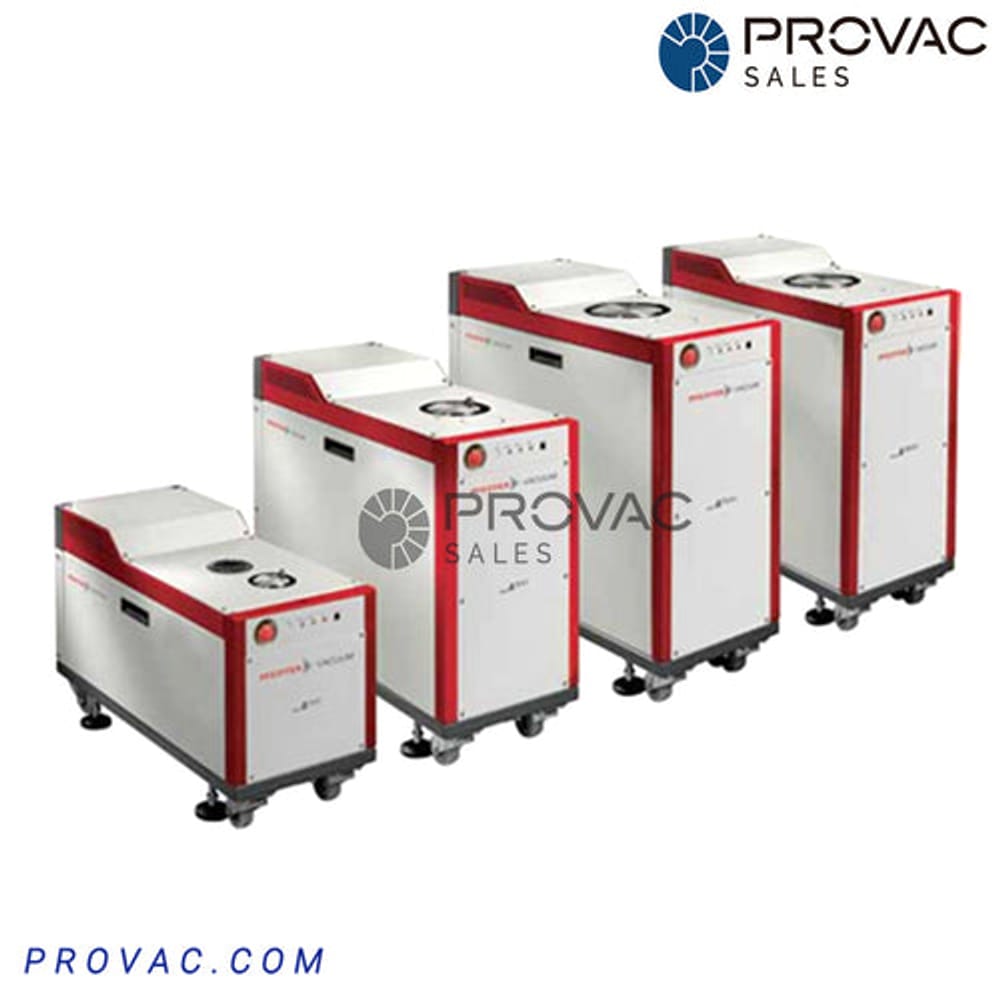
Pfeiffer A124H Multi-Stage Dry Process Pump
Contact us for pricing
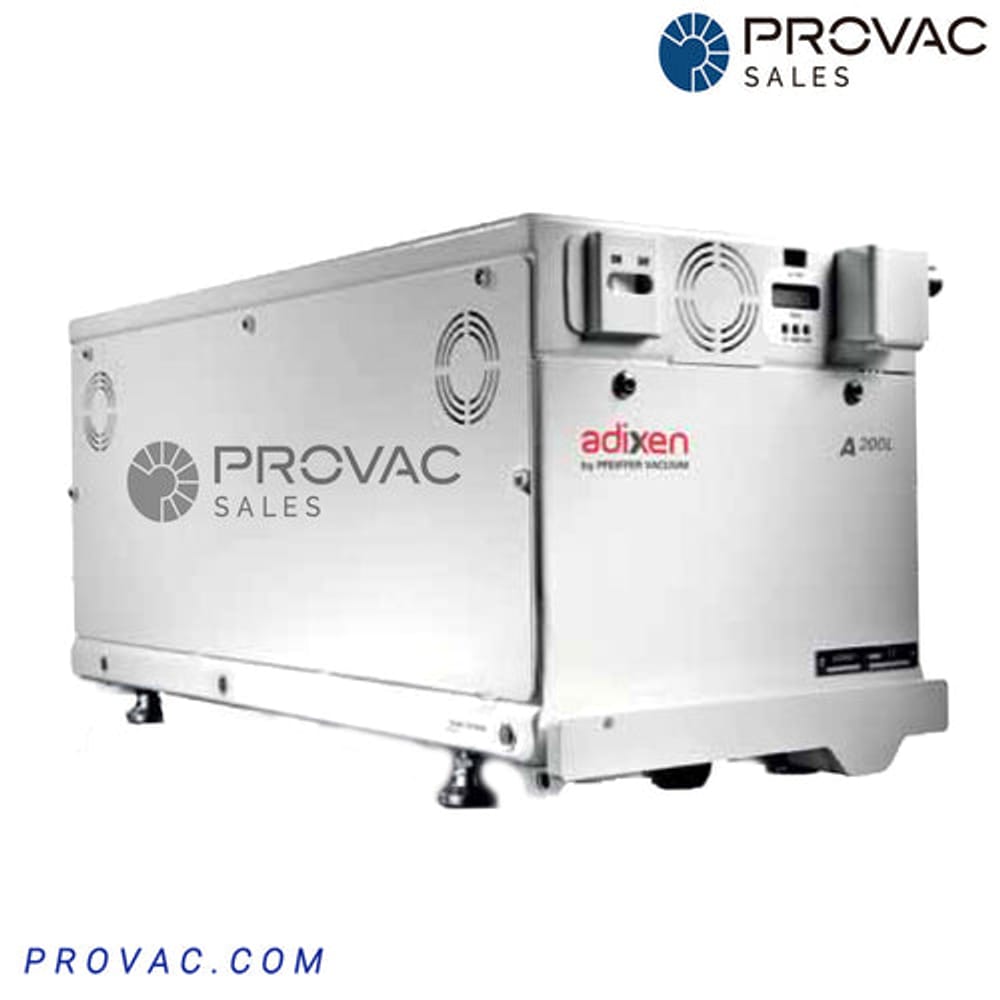
Alcatel/Adixen
Alcatel A200L Dry Pump
Contact us for pricing
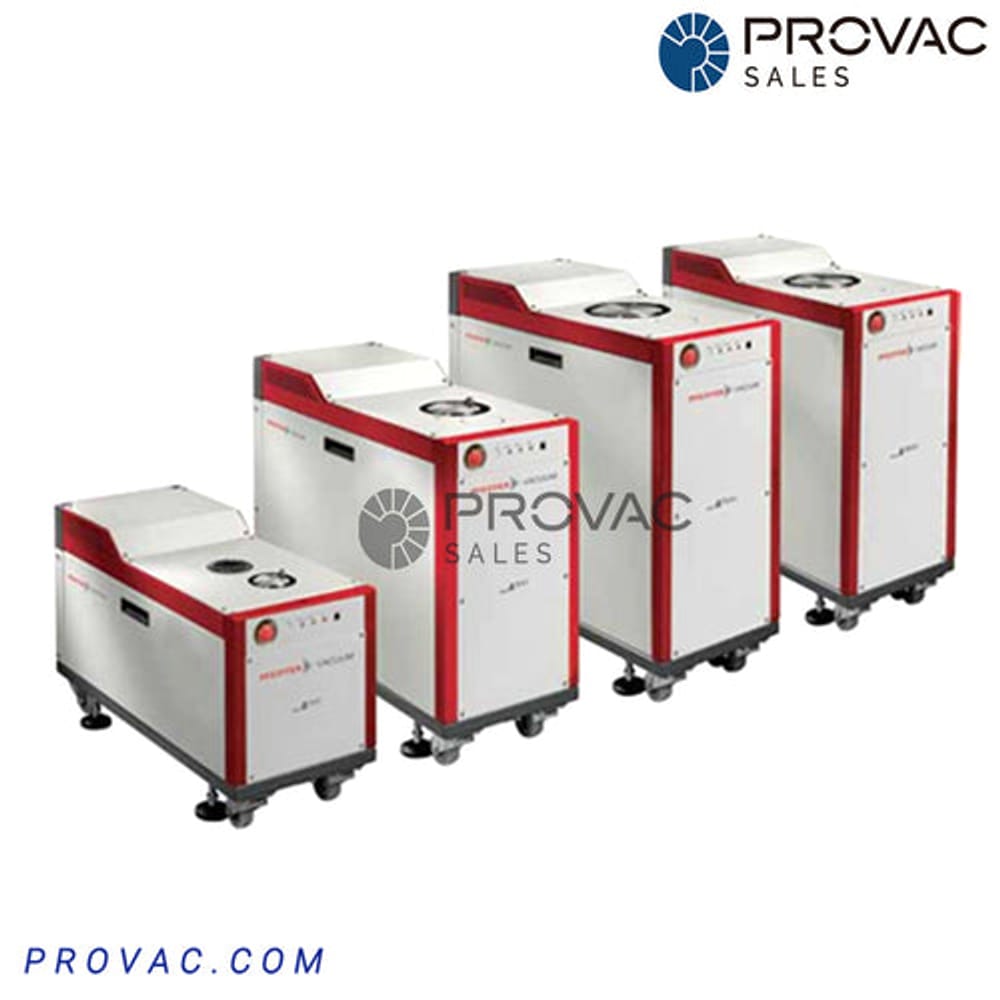
Pfeiffer A204H Multi-Stage Dry Process Pump
Contact us for pricing
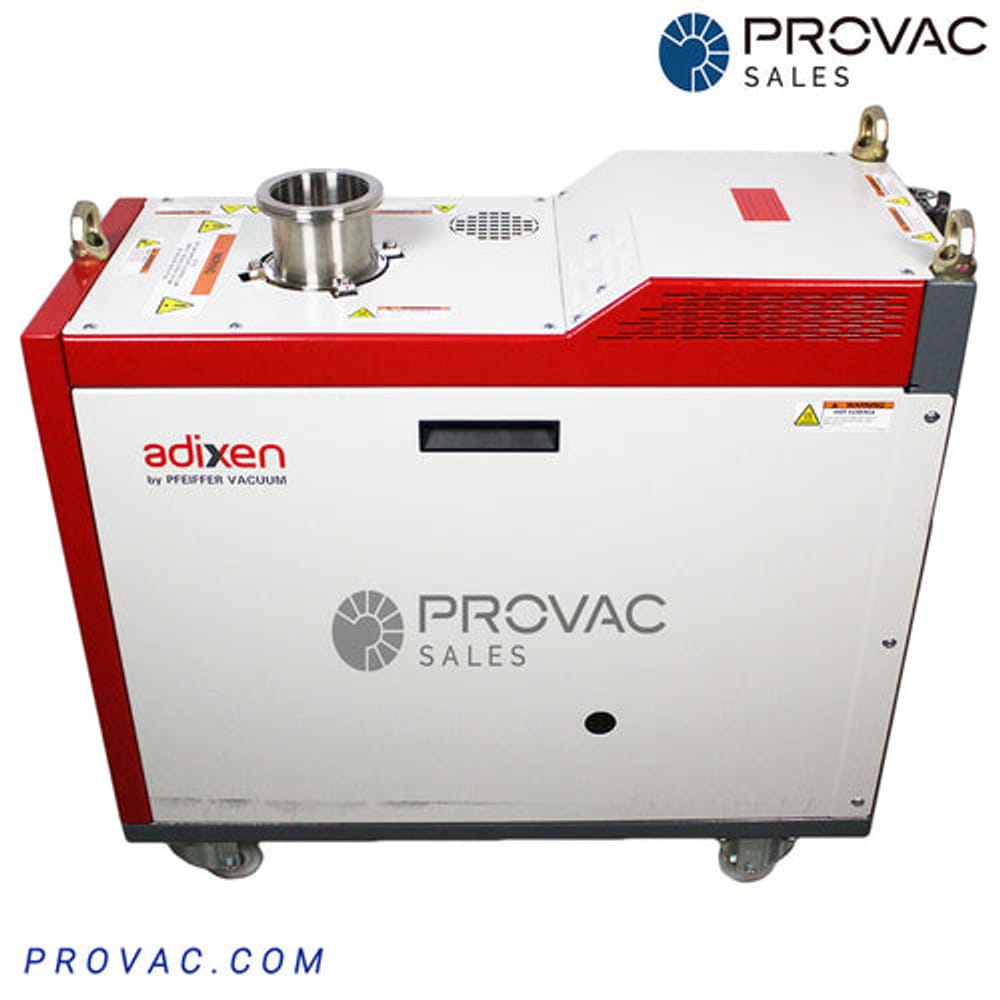
Pfeiffer A604H Multi-Stage Dry Process Pump
Contact us for pricing
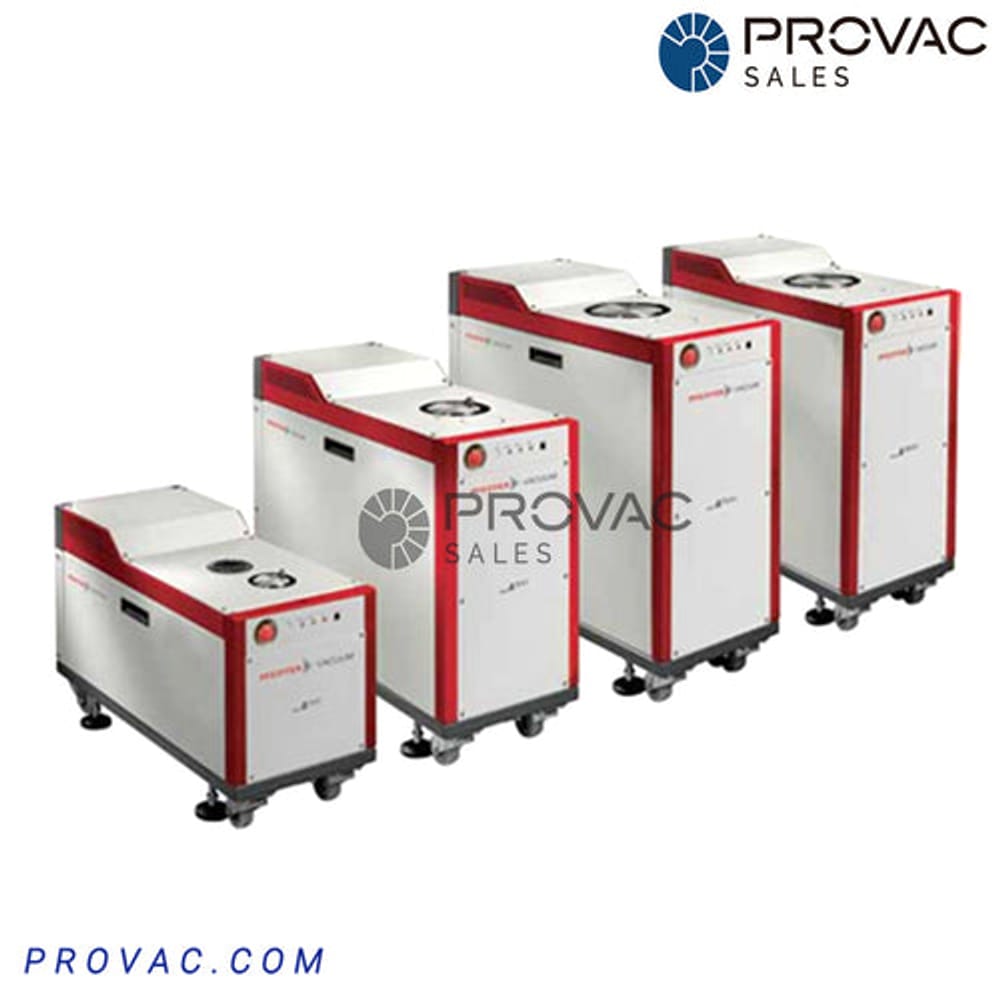
Pfeiffer A804H Multi-Stage Dry Process Pump
Contact us for pricing
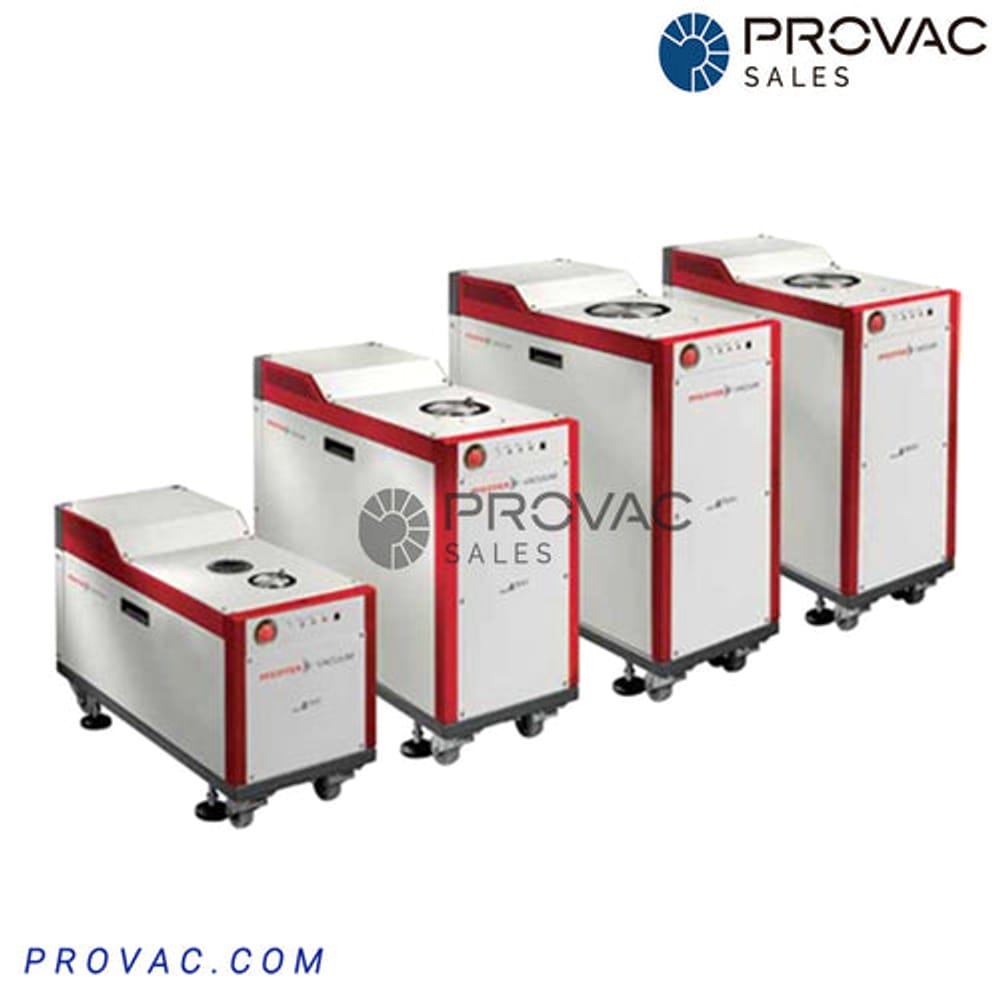
Pfeiffer A1204H Multi-Stage Dry Process Pump
Contact us for pricing
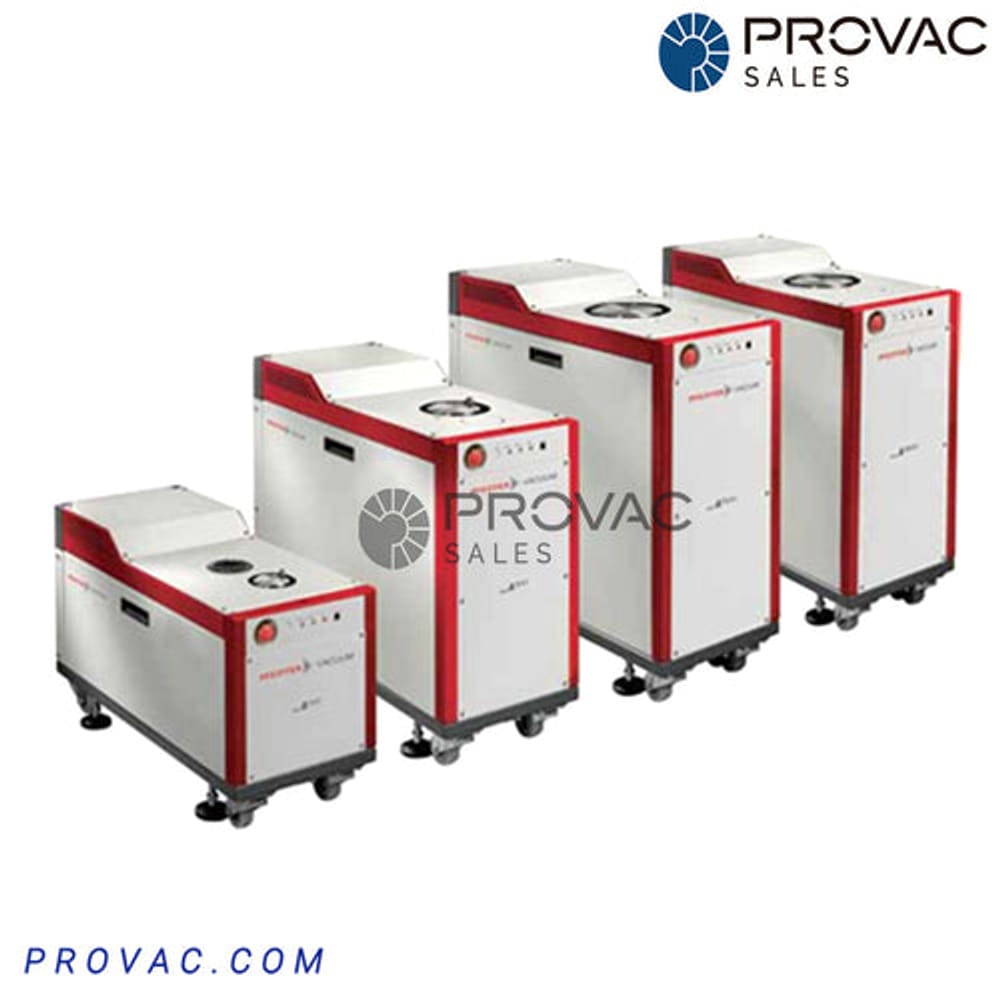
Pfeiffer A1504H Multi-Stage Dry Process Pump
Contact us for pricing
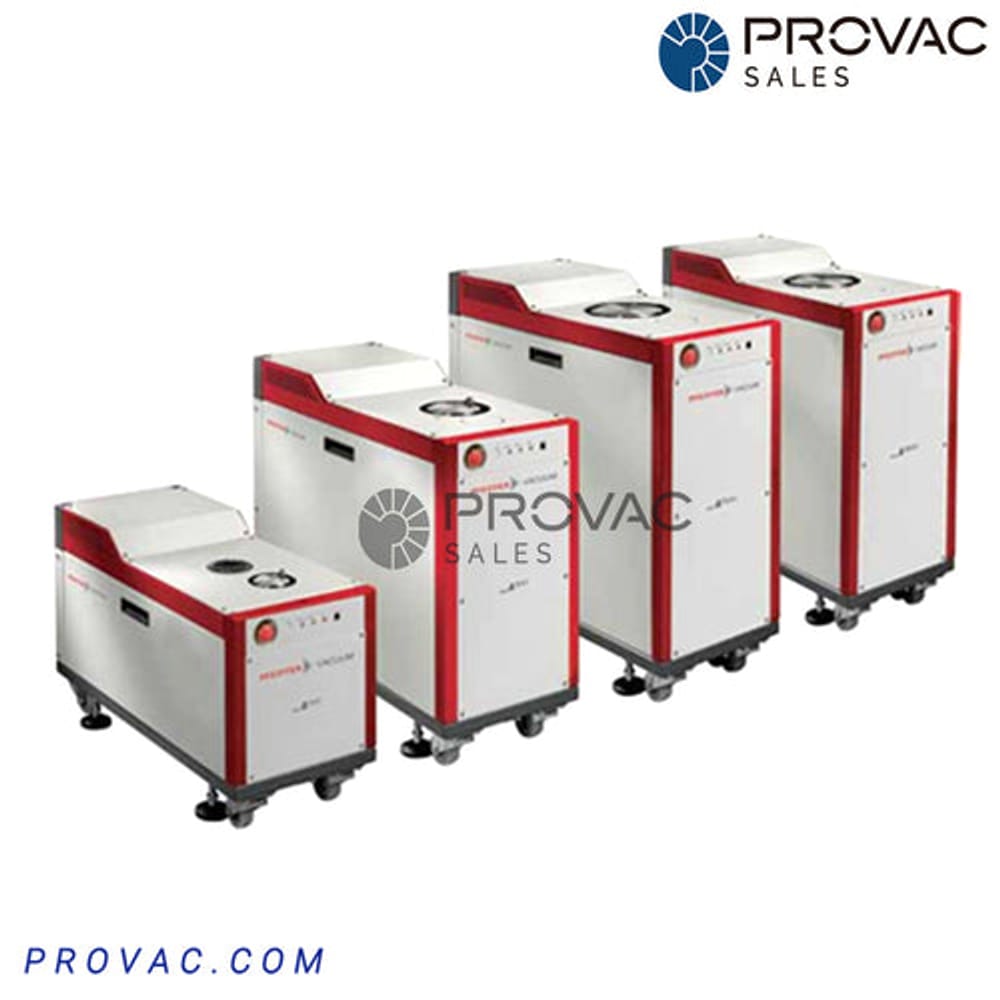
Pfeiffer A1804H Multi-Stage Dry Process Pump
Contact us for pricing
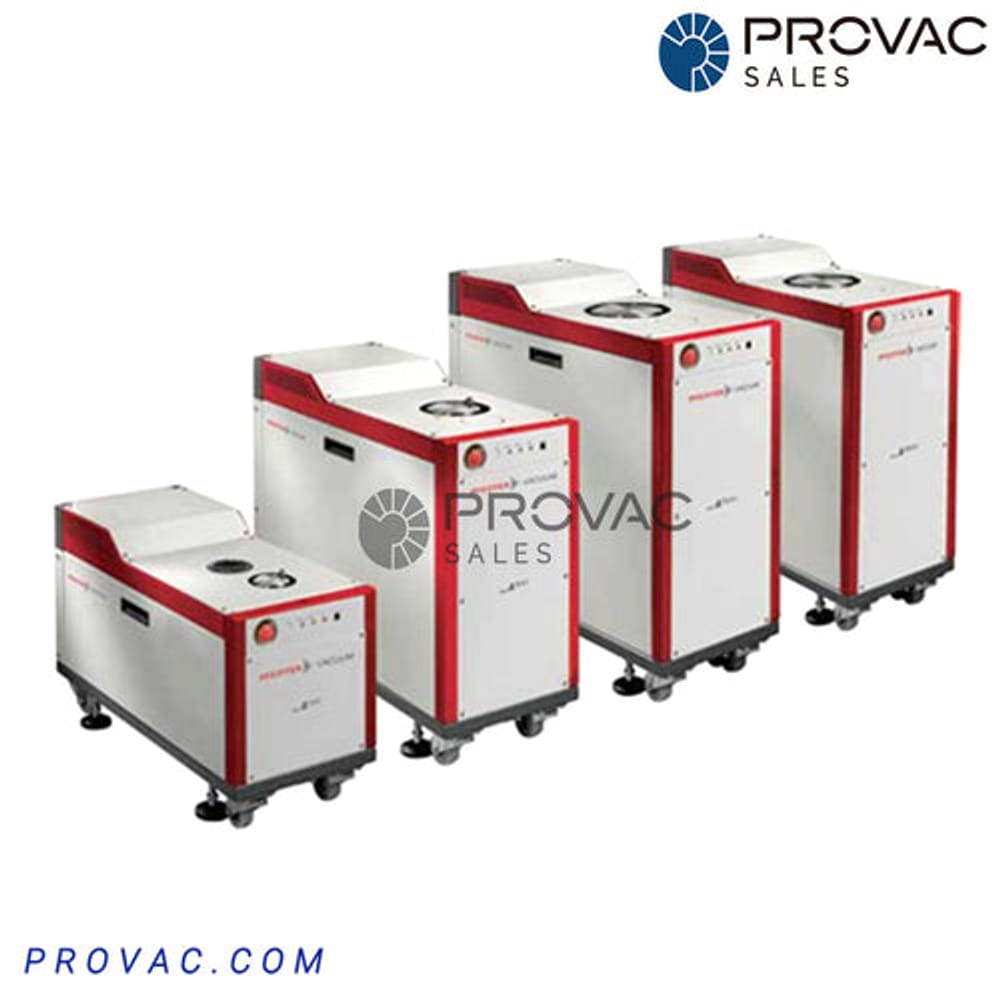
Pfeiffer A2404H Multi-Stage Dry Process Pump
Contact us for pricing
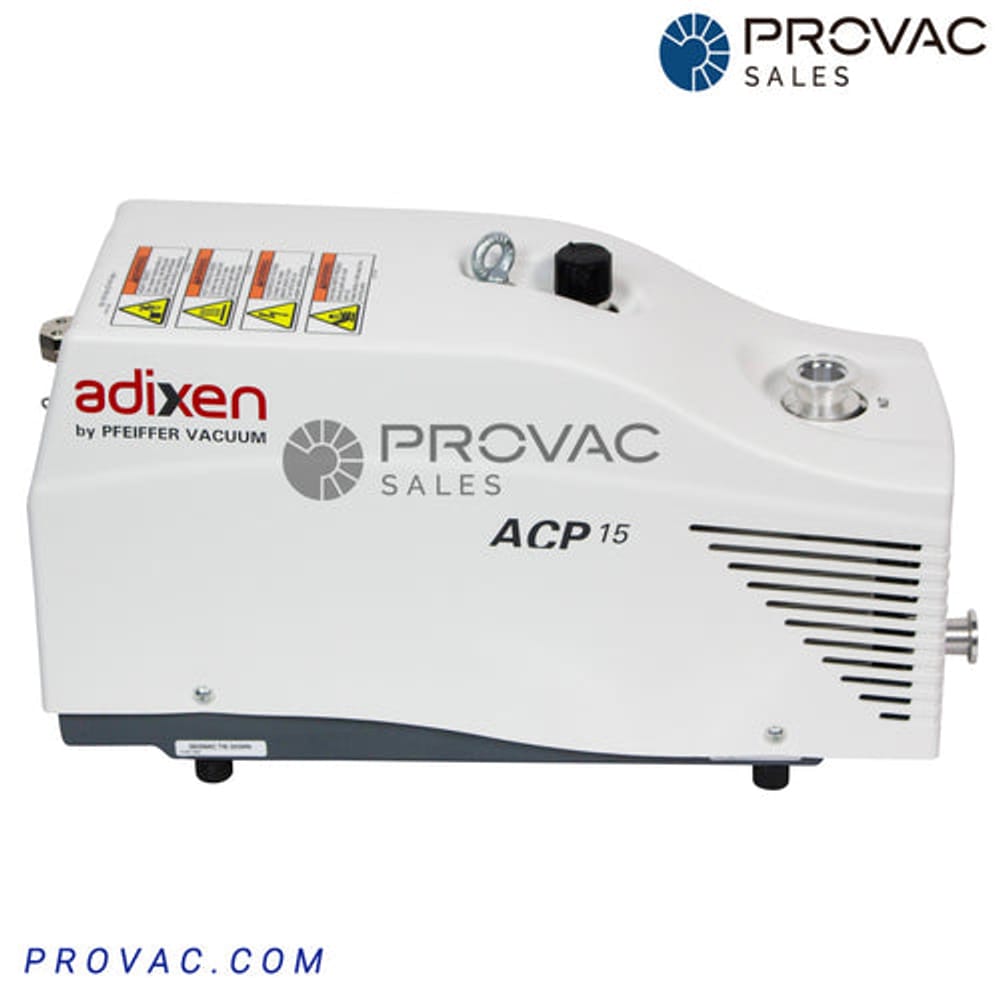
Pfeiffer
Pfeiffer ACP-15 Dry Pump, Rebuilt
$ 6,500.00
Dry Pumps
Dry pumps have revolutionized vacuum technology by providing clean, oil-free operation for various industrial and scientific applications. These pumps operate without sealing or lubricating fluids in the pumping chamber, offering significant advantages in terms of cleanliness, reliability, and environmental friendliness. As the demand for contamination-free vacuum systems grows, dry pumps have become increasingly popular across various industries.
Types of Dry Pumps
Dry Screw Pumps
Dry screw pumps are among the most versatile and widely used types of dry pumps. They utilize two intermeshing screws to compress and move gas through the pump. These pumps offer high pumping speeds and can handle a wide range of gases and vapors.
Key features of dry screw pumps include:
- Oil-free operation
- High pumping speeds
- Ability to handle corrosive gases
- Low maintenance requirements
Scroll Pumps
Scroll pumps use two interleaved spiral scrolls to compress and move gas. One scroll is fixed while the other orbits eccentrically, creating moving pockets of compressed and expelled gas. Scroll pumps for sale, such as the Edwards XDS 35i, offer excellent performance for many applications.
Advantages of scroll pumps:
- Completely oil-free operation
- Low vibration and noise
- Compact design
- Ideal for clean applications
Dry Claw Pumps
Dry claw pumps use two claw-shaped rotors that do not touch each other or the pump housing. As the rotors turn, they trap and compress gas between them. The Edwards EDC series offers a range of dry claw pumps suitable for various applications.
Benefits of dry claw pumps:
- Robust design for industrial applications
- High tolerance for particulates
- Low maintenance requirements
- Energy-efficient operation
Dry Vane Pumps
Dry vane pumps use vanes that slide in and out of slots in a rotor to create compression. These pumps are known for their reliability and efficiency. The Atlas Copco DVS series is an example of high-performance dry vane pumps.
Advantages of dry vane pumps:
- Simple, reliable design
- Good performance in the rough vacuum range
- Low heat generation
- Compact size
Applications of Dry Pumps
Dry pumps find use in a wide range of industries and applications, including:
- Semiconductor manufacturing
- Solar panel production
- Pharmaceutical processing
- Food packaging
- Chemical processing
- Analytical instruments
- Research and development laboratories
Advantages of Dry Pumps
Clean Operation
The absence of oil in the pumping mechanism eliminates the risk of oil contamination in the vacuum system or process. This is crucial for industries like semiconductor manufacturing and pharmaceutical production.
Low Maintenance
Dry pumps generally require less maintenance than oil-sealed pumps. There's no need for regular oil changes or oil filter replacements, reducing downtime and operating costs.
Environmental Friendliness
With no oil to dispose of, dry pumps are more environmentally friendly than their oil-sealed counterparts. This aligns with increasing environmental regulations and corporate sustainability goals.
Wide Operating Range
Many dry pumps can operate from atmospheric pressure down to the medium vacuum range, making them versatile for various applications.
Considerations When Choosing Dry Pumps
Pumping Speed
The required pumping speed depends on the application. Larger systems or those with high gas loads may require higher capacity pumps or multiple pumps in parallel.
Ultimate Pressure
Different dry pump technologies can achieve different ultimate pressures. Ensure the selected pump can reach the required vacuum level for your application.
Gas Compatibility
Some dry pumps are better suited for handling corrosive or reactive gases. Consider the nature of the gases in your process when selecting a pump.
Noise and Vibration
In some environments, such as laboratories, low noise and vibration levels are crucial. Scroll pumps are often preferred in these situations due to their quiet operation.
Cost Considerations
While dry pumps often have a higher initial cost than oil-sealed pumps, their lower maintenance requirements and longer lifespans can result in a lower total cost of ownership over time.
Dry Pumps for Sale
When looking for dry pumps for sale, consider reputable manufacturers and suppliers. Some popular options include:
- Ebara dry pumps: Known for their reliability and performance in semiconductor applications.
- Agilent scroll pumps: Offer clean, oil-free vacuum for analytical instruments and research applications.
- Edwards dry pumps: Provide a wide range of dry pump technologies for various industries.
Maintenance and Care
While dry pumps require less maintenance than oil-sealed pumps, proper care is still essential for optimal performance and longevity:
- Regular inspections for wear and tear
- Cleaning or replacing inlet filters as needed
- Monitoring pump performance for signs of degradation
- Following manufacturer-recommended service intervals
Future Trends in Dry Pump Technology
The dry pump market continues to evolve, with ongoing developments focused on:
- Improved energy efficiency
- Higher pumping speeds in compact designs
- Enhanced corrosion resistance for aggressive applications
- Smart pumps with integrated monitoring and control capabilities
- Reduced noise and vibration levels
As industries demand cleaner, more efficient vacuum solutions, dry pumps will play an increasingly important role in vacuum technology. From semiconductor fabrication to food packaging, these versatile pumps offer the performance, reliability, and cleanliness required for modern industrial and scientific processes.