
Pfeiffer Dry Pumps

Pfeiffer
Pfeiffer ACP-15 Dry Pump
Contact us for pricing

Pfeiffer
Pfeiffer ACP-28 Dry Pump, Factory Rebuilt
$ 8,500.00

Pfeiffer
Pfeiffer ACP-28 Dry Pump
Contact us for pricing

Pfeiffer
Pfeiffer ACP-90 Dry Pump
$ 21,150.00

Pfeiffer
Pfeiffer ACP-28G Dry Pump, Rebuilt
$ 8,750.00
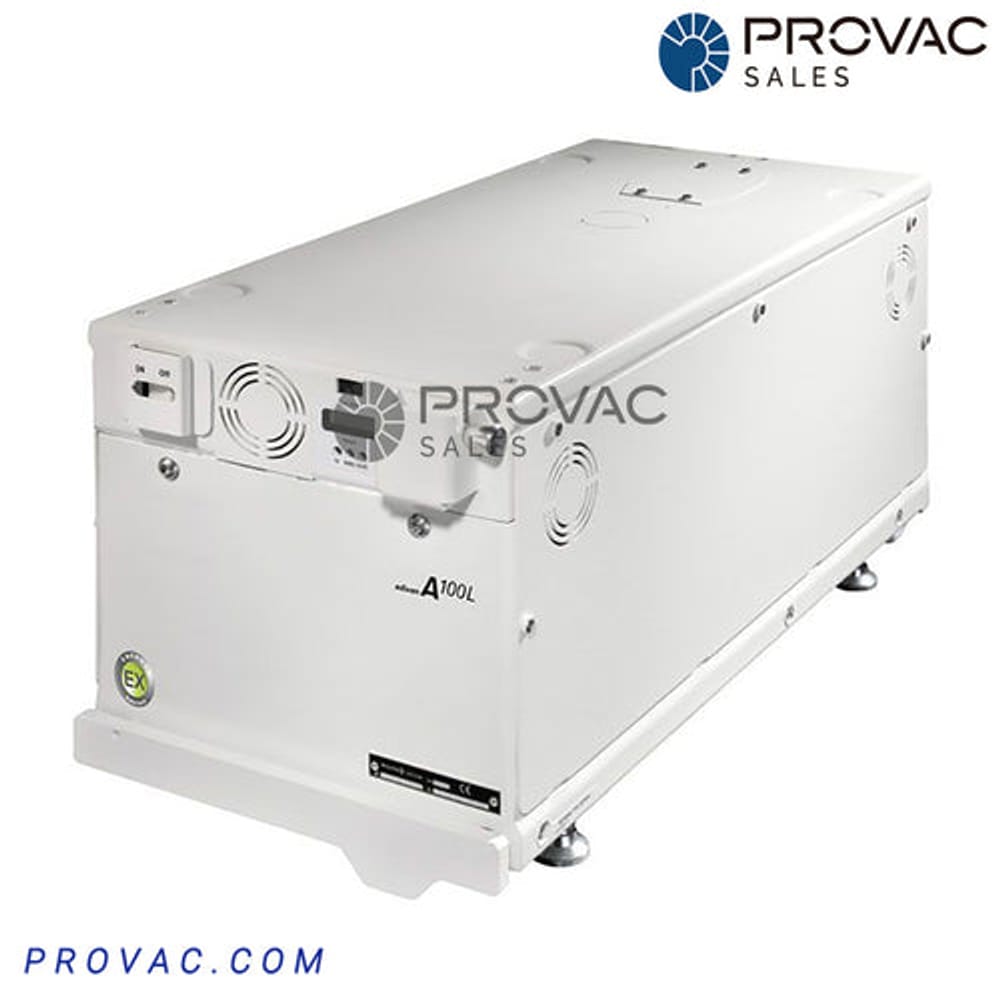
Alcatel/Adixen
Alcatel A100L Dry Pump, Rebuilt
Contact us for pricing

Pfeiffer
Pfeiffer ACP-15G Dry Pump, Rebuilt
$ 6,090.00

Pfeiffer
Pfeiffer ACP-40 Dry Pump, Rebuilt
$ 8,300.00
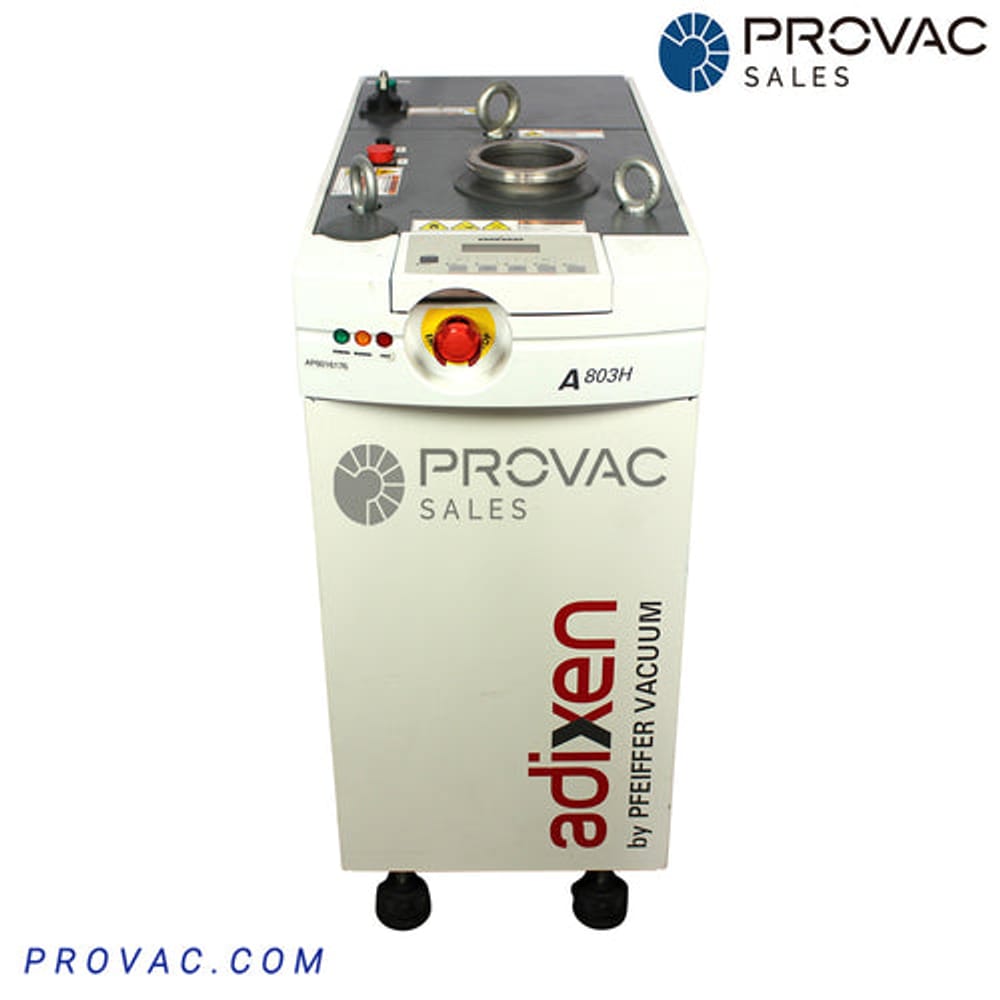
Pfeiffer
Pfeiffer A803H Dry Pump, Rebuilt
$ 19,683.00
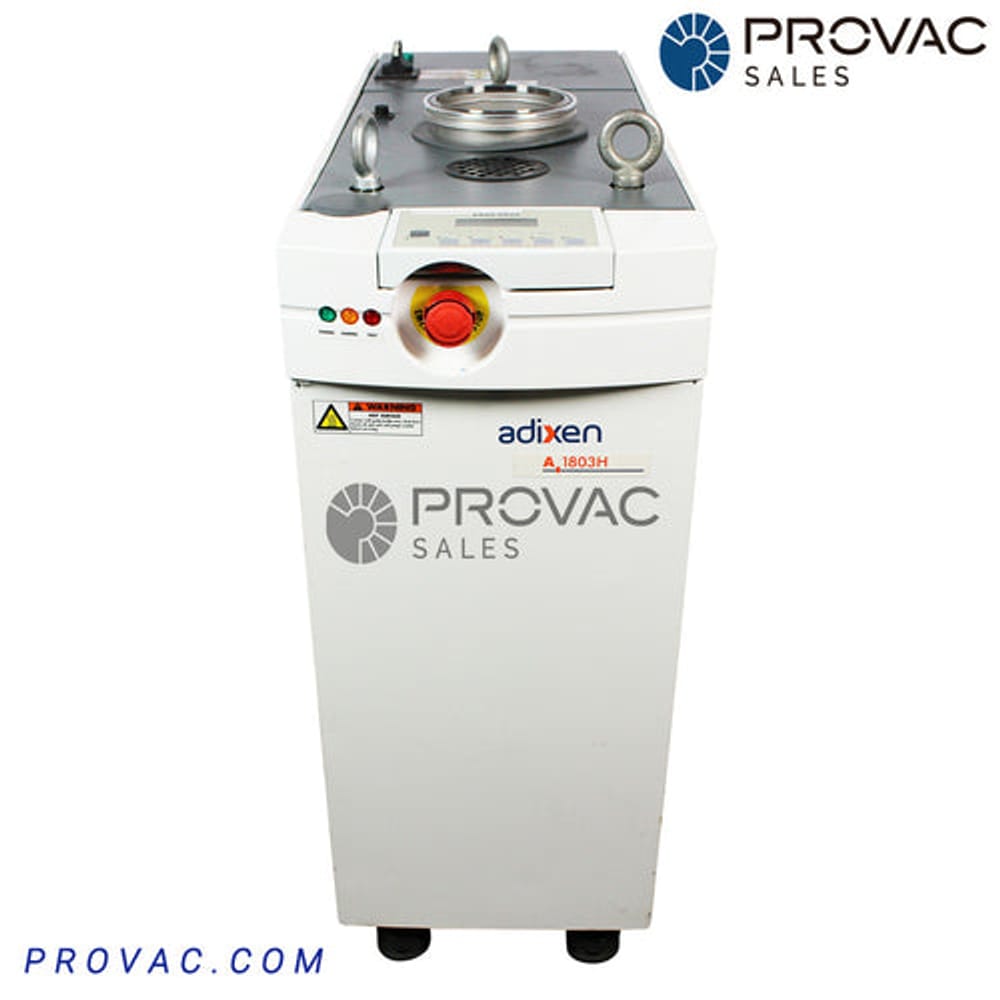
Pfeiffer
Pfeiffer A1803H Dry Pump, Rebuilt
$ 29,931.00

Pfeiffer
Pfeiffer Hepta 630P Dry Screw Pump
Contact us for pricing

Pfeiffer
Pfeiffer Hepta 400P Dry Screw Pump
Contact us for pricing
Pfeiffer Dry Pumps
Pfeiffer dry pumps produce oil-free vacuum for laboratories, analytical instruments, industrial systems and semiconductor process tools. With no oil in the pumping chamber, they keep hydrocarbons out of the process, avoid oil changes and exhaust mist, and handle the gas loads of demanding applications. At Provac Sales, we supply new and rebuilt Pfeiffer dry pumps and repair Pfeiffer and Alcatel A, ACP, ADP and ADS series pumps in house.
Pfeiffer Dry Pump Models We Carry
Our Pfeiffer dry pump collection includes two main families:
ACP Multi-Stage Roots Pumps
- Pfeiffer ACP 15, rebuilt
- Pfeiffer ACP 15G
- Pfeiffer ACP 28
- Pfeiffer ACP 40G
ACP pumps are compact, air-cooled multi-stage Roots pumps designed for clean and light-duty applications such as load locks, analytical instruments, research systems and turbo backing. Suffixes such as G identify specific versions of a model, so send us the full part number to confirm the configuration.
A-Series Multi-Stage Dry Process Pumps
- Pfeiffer A124H and A204H
- Pfeiffer A604H and A804H
- Pfeiffer A1204H and A1504H
- Pfeiffer A1804H and A2404H
The A-series are process-rated multi-stage dry pumps built for semiconductor, flat panel and solar manufacturing, where harsh chemistries, powder formation and continuous duty are common. The number in each model name reflects the nominal pumping speed in cubic metres per hour.
We also list the Pfeiffer OnTool dry pump and other models from time to time. Most Pfeiffer dry pumps are priced on request, with some rebuilt units listed with a price, such as the rebuilt ACP 15.
How Multi-Stage Roots Dry Pumps Work
A multi-stage Roots pump uses several pairs of Roots-type rotors mounted on common shafts, each pair in its own stage. Gas is compressed progressively from stage to stage until it reaches atmospheric pressure at the exhaust. The rotors never touch each other or the housing, and the gearbox and bearings are sealed away from the pumping chamber.
This design gives a clean, oil-free gas path, good pumping speed over a wide pressure range and the durability needed for continuous duty.
How to Choose a Pfeiffer Dry Pump
Consider these factors:
- Required pumping speed and ultimate pressure
- Whether the pump will back a Pfeiffer turbo pump
- Process gases, including corrosive, toxic, flammable or condensable species
- Powder or by-product formation from the process
- Need for gas ballast or nitrogen purge
- Cooling method, air or water
- Electrical supply, single phase for smaller ACP models and 3-phase for A-series pumps
- Noise and vibration limits
- Installation space and weight
For light-duty and lab applications, an ACP pump is usually the right fit. For semiconductor process duty, an A-series pump with the correct process configuration is typically required.
Applications for Pfeiffer Dry Pumps
Pfeiffer dry pumps are used for:
- Semiconductor etch, CVD, ALD, implant and load locks
- Flat panel, LED and solar manufacturing
- Analytical instruments and mass spectrometers
- Turbo backing in research systems
- Thin film coating and surface treatment
- Freeze drying and laboratory vacuum
- Pharmaceutical and chemical processes that cannot tolerate oil
For higher speed in the medium vacuum range, combine a dry pump with a Pfeiffer Okta Roots booster.
Dry Pumps vs Oil-Sealed Vane Pumps
An oil-sealed Pfeiffer DUO rotary vane pump costs less to buy and reaches a low ultimate pressure, but it needs oil changes and exhaust filtration and can contaminate clean processes. A Pfeiffer dry pump costs more upfront but removes oil maintenance and contamination risk, which is why it is the standard choice for semiconductor and clean analytical applications.
Installation Considerations
Before installing a Pfeiffer dry pump, check:
- Cooling water or airflow requirements
- Nitrogen purge supply and pressure for process models
- Exhaust routing to a scrubber or abatement system where required
- Electrical supply, breaker size and phase rotation
- Interface cables for tool control and alarms
- Floor loading and service access
Getting these points right avoids early trips and overheating. On tools that have been idle, check forelines and exhaust lines for deposits before start-up.
New vs Rebuilt Pfeiffer Dry Pumps
Many Pfeiffer and Alcatel dry pumps remain installed on process tools long after their original production. A rebuilt pump of the same model is often the simplest replacement, because it matches the tool's flanges, utilities, controls and footprint. New pumps suit new installations or upgrades. Each listing and quotation confirms the condition and warranty.
Pfeiffer Dry Pump Repair and Rebuild
Provac Sales repairs and rebuilds Alcatel and Pfeiffer A, ACP, ADP and ADS series dry pumps. A rebuild may include inspection, disassembly, cleaning of rotors and stators, replacement of bearings, seals and other worn parts, reassembly and performance testing.
Process pumps can carry hazardous residues. Submit an RMA request and complete the contamination data sheet in full, including process gases, before shipping. See our pump repair page for details.
About Pfeiffer Vacuum
Pfeiffer Vacuum was founded in 1890 in Wetzlar, Germany, and is known as a pioneer of turbomolecular pump technology. In 2010 the company acquired Adixen, the former Alcatel Vacuum Technology business, which is why many Alcatel and Adixen designs now carry the Pfeiffer name. The ACP and A-series dry pumps both come from that Alcatel and Adixen heritage, and many units in the field still carry Adixen branding.
Planning a Dry Pump Replacement on a Process Tool
Replacing a dry pump on a process tool is easier when the details are gathered up front. Record the existing pump's model and part number, the tool and chamber it serves, the purge and cooling settings, the interface cable type and any recent alarm history. With that information, we can match a rebuilt pump of the same configuration or recommend a compatible alternative, which keeps tool requalification to a minimum.
Frequently Asked Questions
What does the G mean on an ACP 15G or ACP 40G?
It identifies a specific version of the ACP pump. Features differ between versions, so check the datasheet or send us the full part number and we will confirm the configuration.
Are ACP pumps the same as Alcatel ACP pumps?
The ACP series was developed by Alcatel Vacuum Technology, later Adixen, which became part of Pfeiffer Vacuum. Many ACP pumps carry Alcatel or Adixen branding. Send us the full model and part number to confirm configuration.
Can an ACP pump back a turbo pump?
Yes. ACP pumps are commonly used to back turbo pumps in research and analytical systems. Confirm the turbo's backing requirements.
Why is my dry pump drawing high current?
Common causes include process deposits on the rotors, bearing wear, a blocked exhaust or a cooling problem. Contact us before repeatedly restarting a pump that has tripped.
Can I convert from an oil-sealed pump to a Pfeiffer ACP dry pump?
In many lab and light-duty applications, yes. An ACP pump of similar speed can replace a rotary vane pump and remove oil maintenance. Check ultimate pressure, connections and electrical supply first, and tell us about any vapors in the process so we can confirm which version suits it.
Request a Quote on Pfeiffer Dry Pumps
Send us the Pfeiffer or Alcatel model and part number, the required condition, voltage and your process details. We will check inventory or quote a rebuild of your existing pump. Contact us or call 831-462-8900.