
Leybold RUVAC Roots Blowers and Boosters
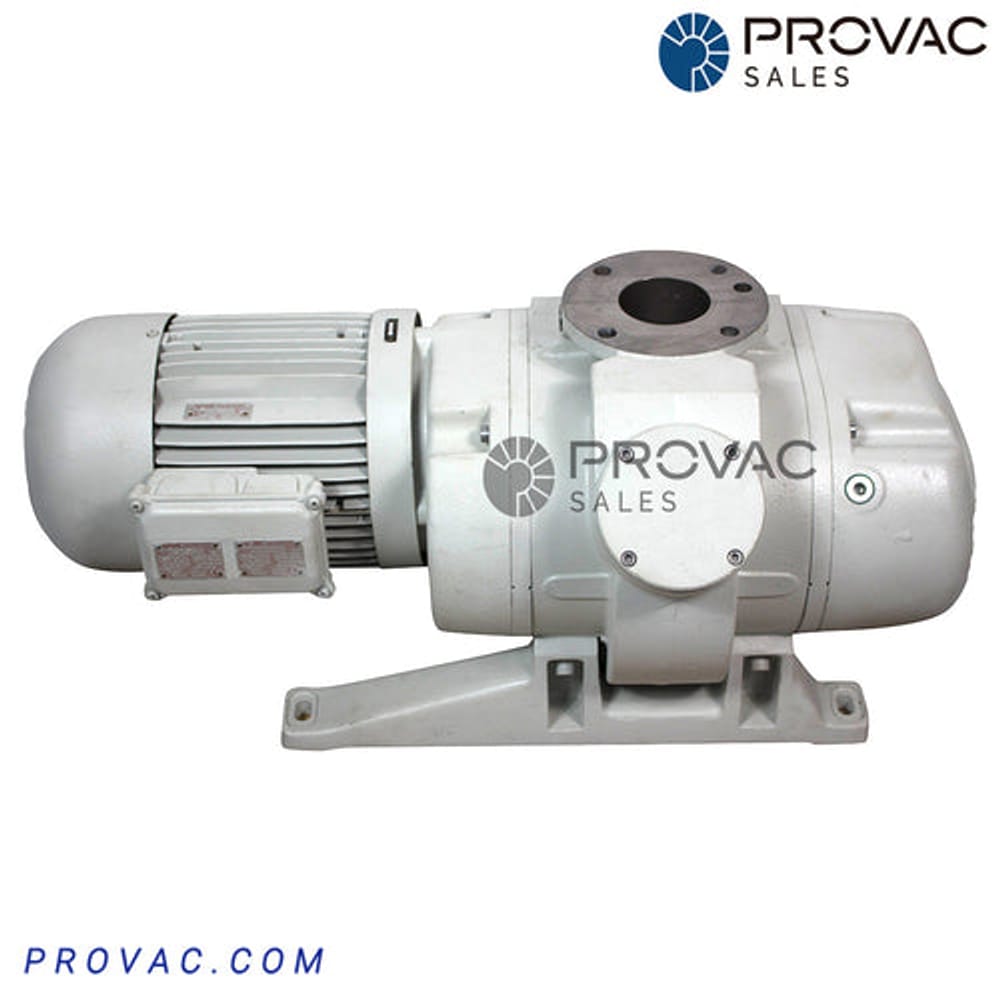
Leybold
Leybold Ruvac WSU-501 Blower, Rebuilt, PFPE
$ 6,652.00
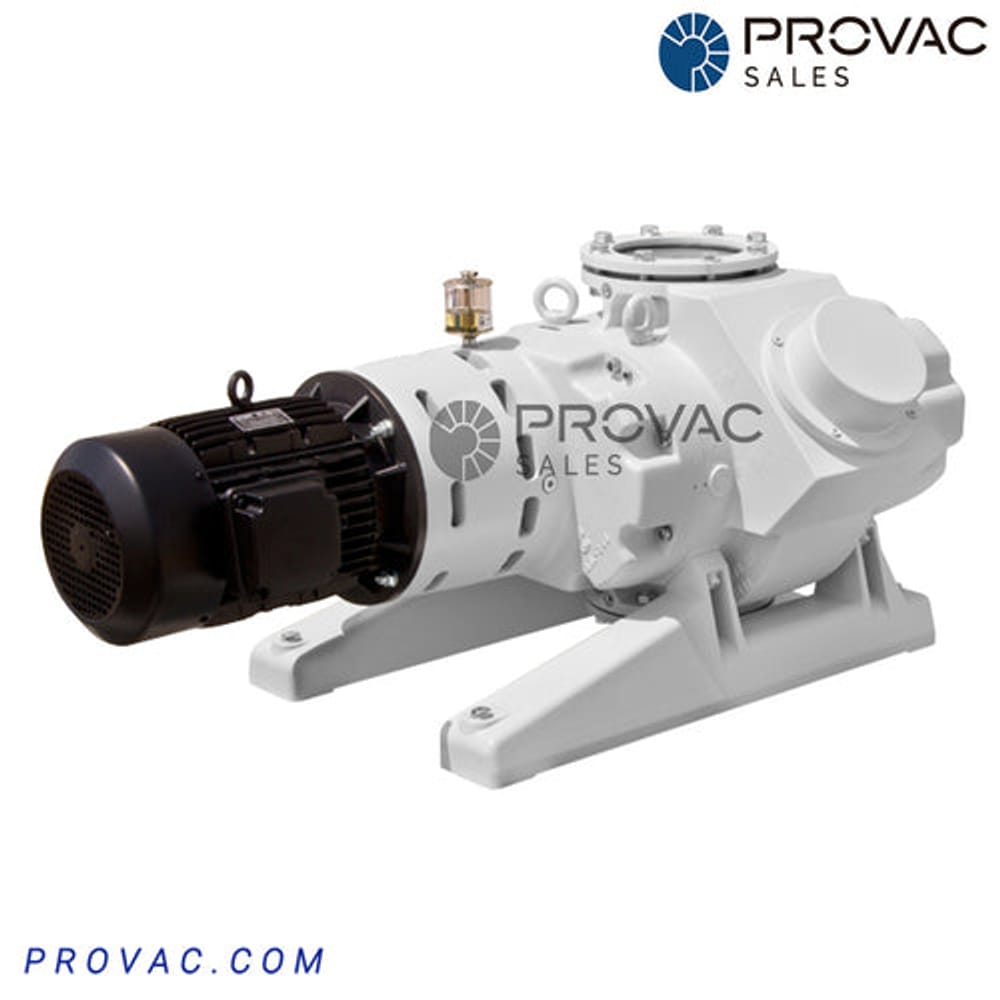
Leybold/Oerlikon
Leybold Ruvac WA-2001 Blower, Rebuilt
Contact us for pricing
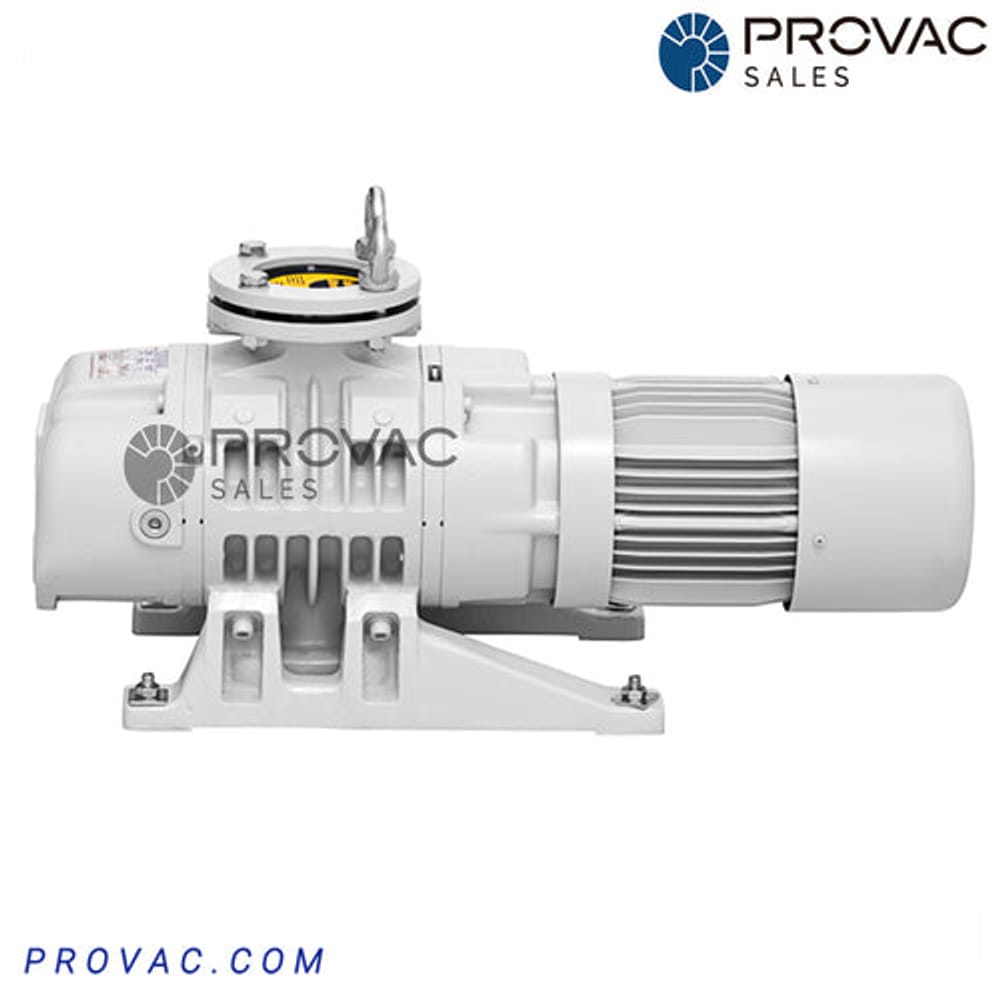
Leybold
Leybold Ruvac WSU-251 Blower
Contact us for pricing
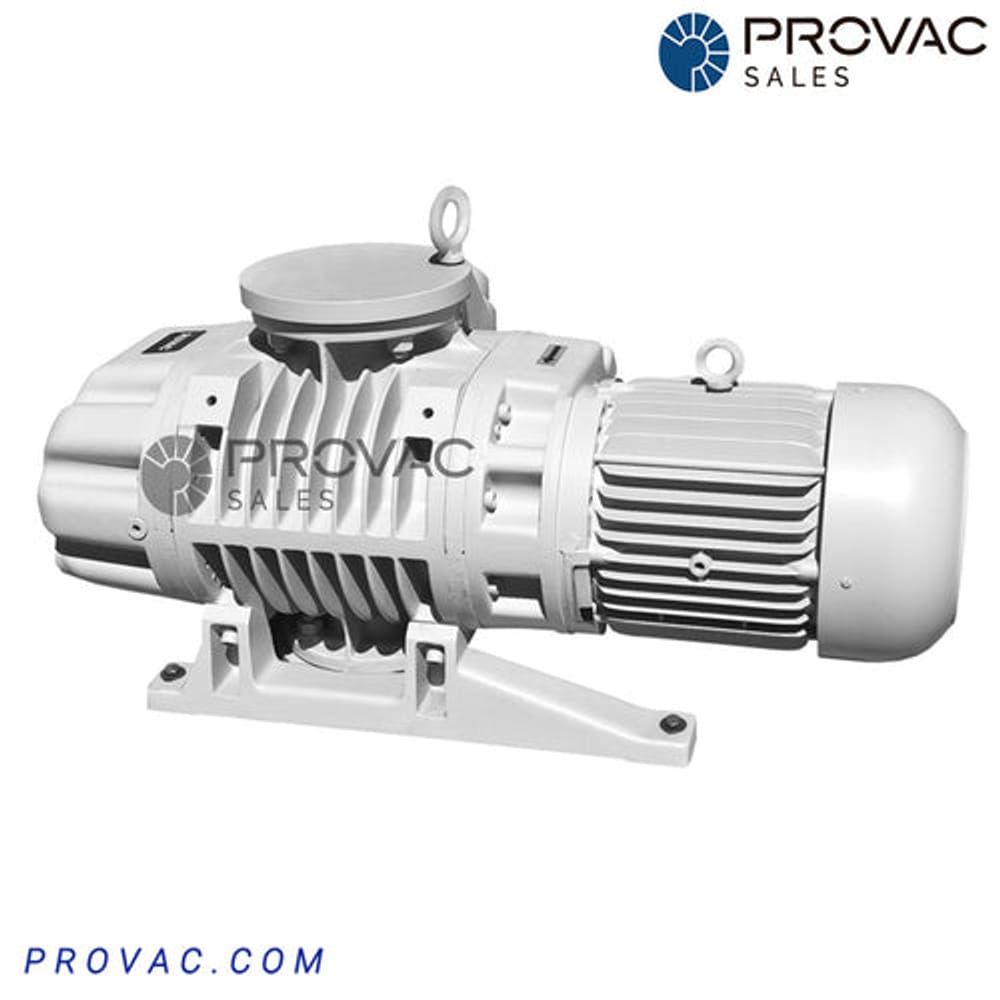
Leybold
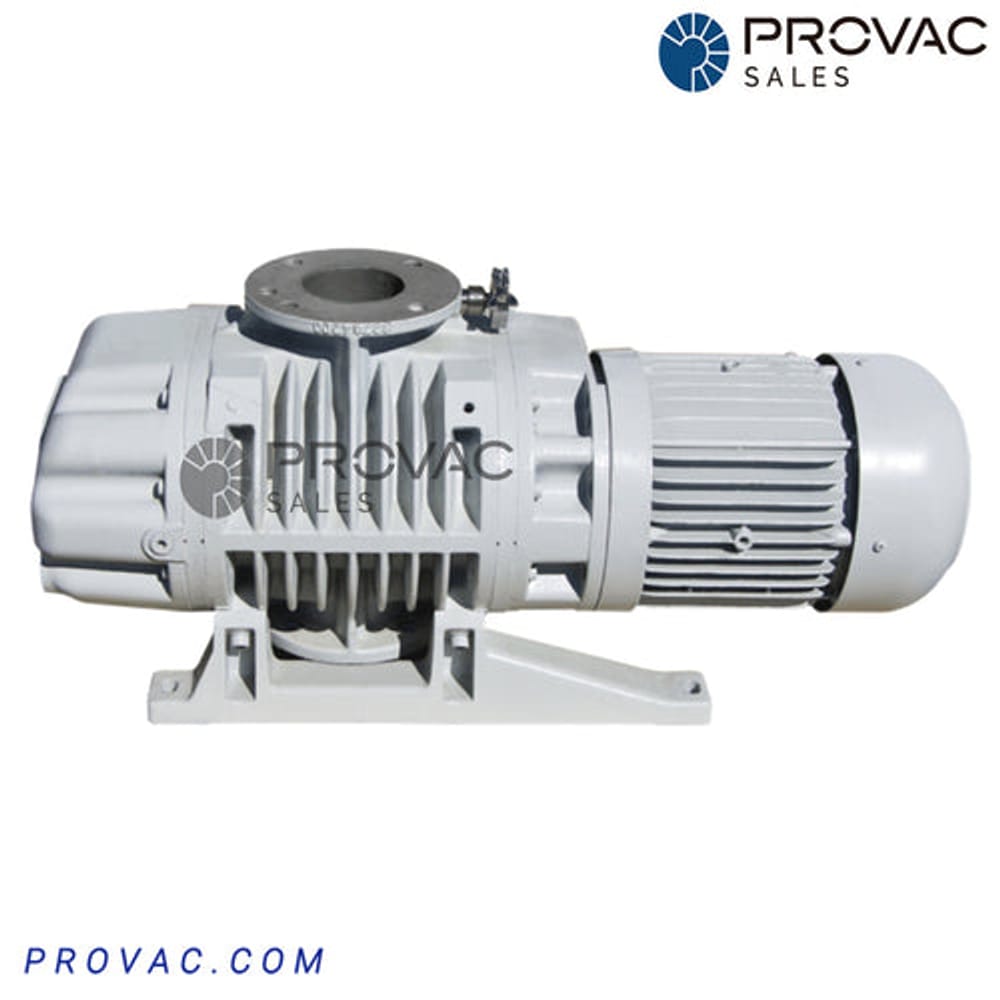
Leybold Ruvac WSU-501 Blower
Contact us for pricing
Leybold
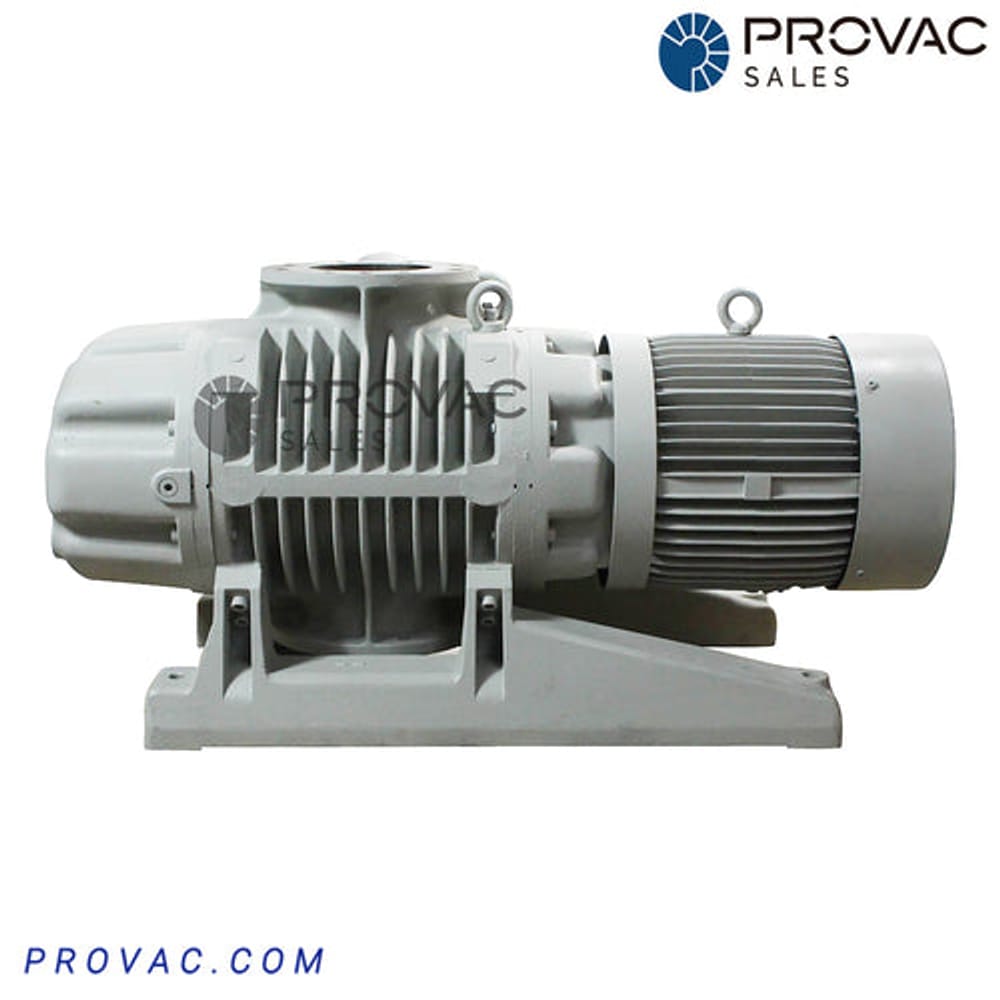
Leybold Ruvac WSU-1001 Blower
Contact us for pricing
Leybold
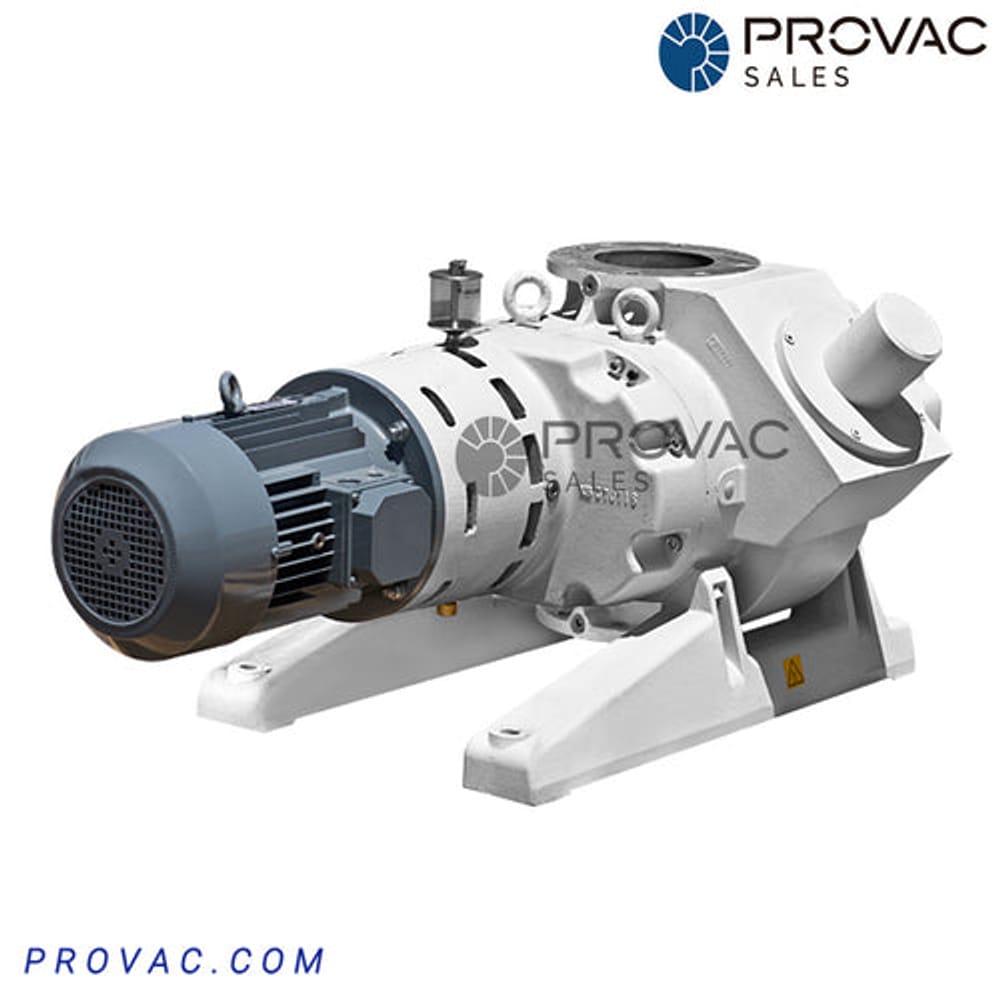
Leybold Ruvac WSU-2001 Blower
Contact us for pricing
Leybold
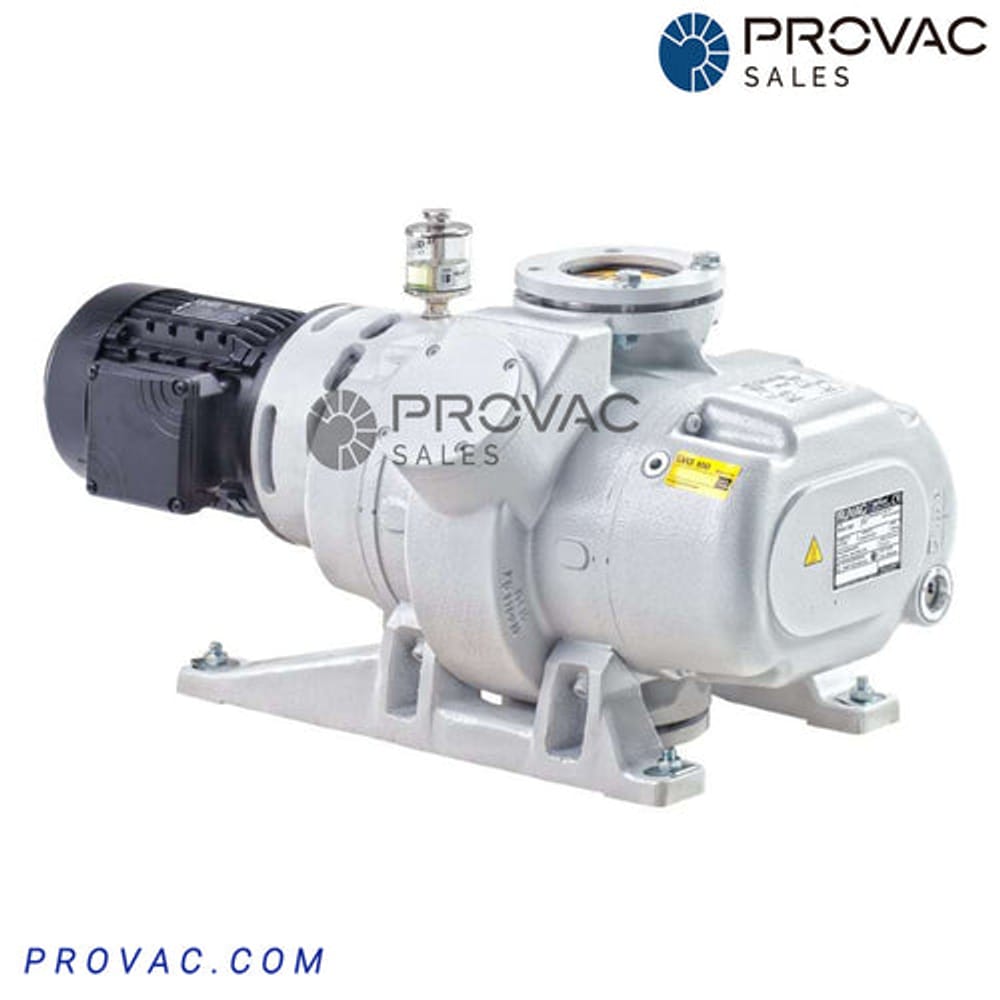
Leybold Ruvac WAU-251 Blower
Contact us for pricing
Leybold
Leybold Ruvac WAU-501 Blower
Contact us for pricing
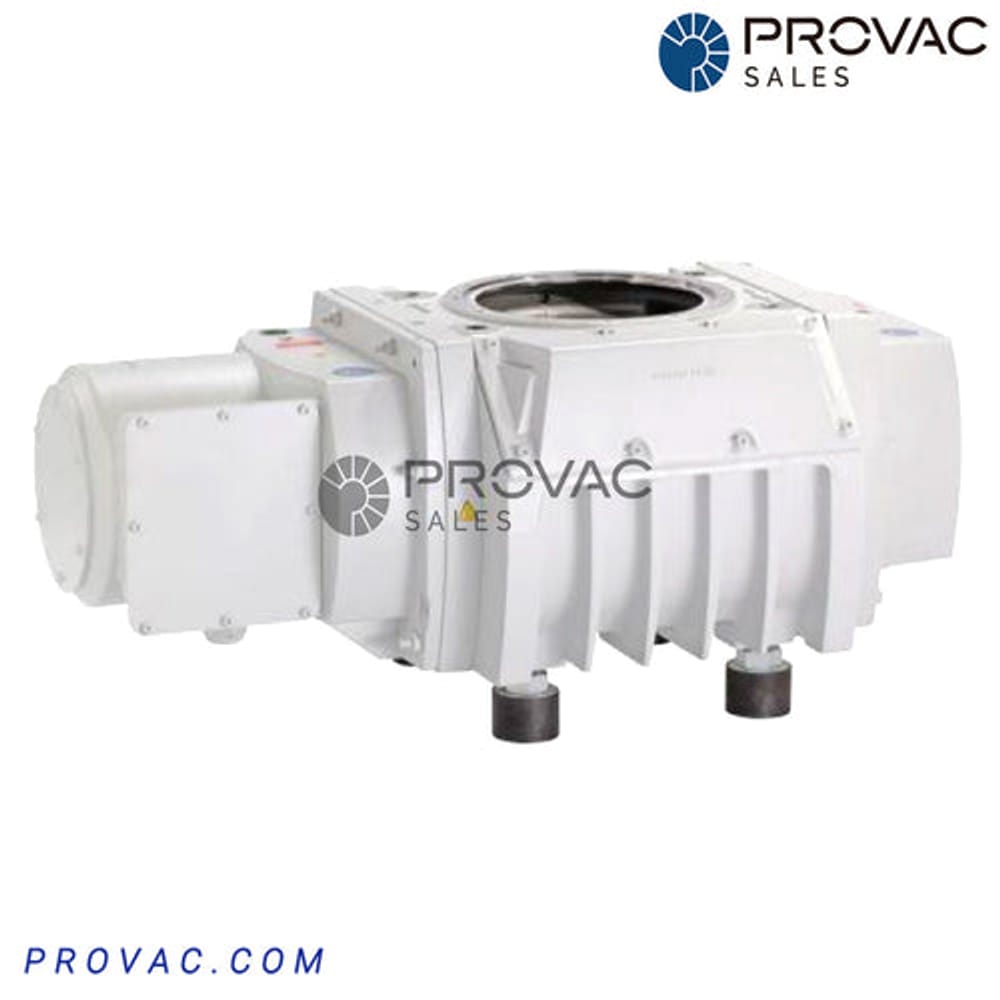
Leybold/Oerlikon
Leybold Ruvac WHU-2500 Blower
Contact us for pricing
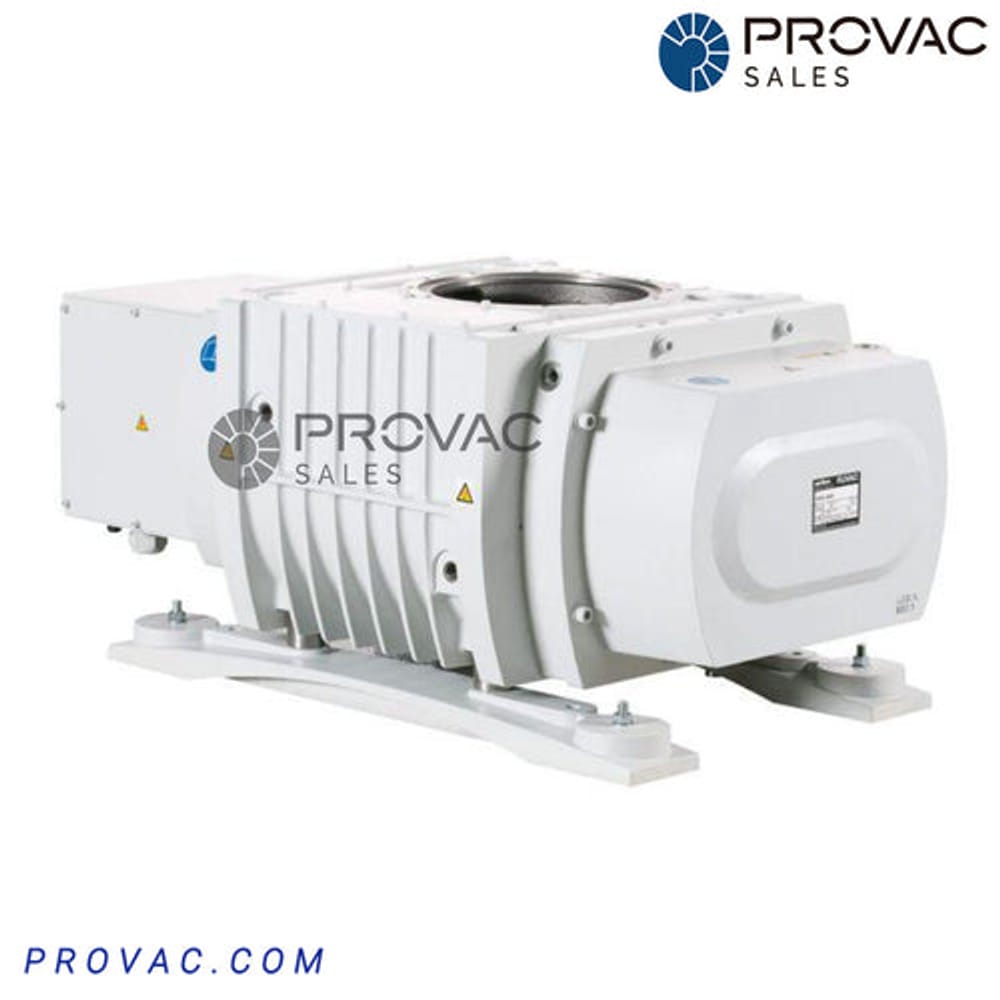
Leybold/Oerlikon
Leybold Ruvac WHU-4400 Blower
Contact us for pricing
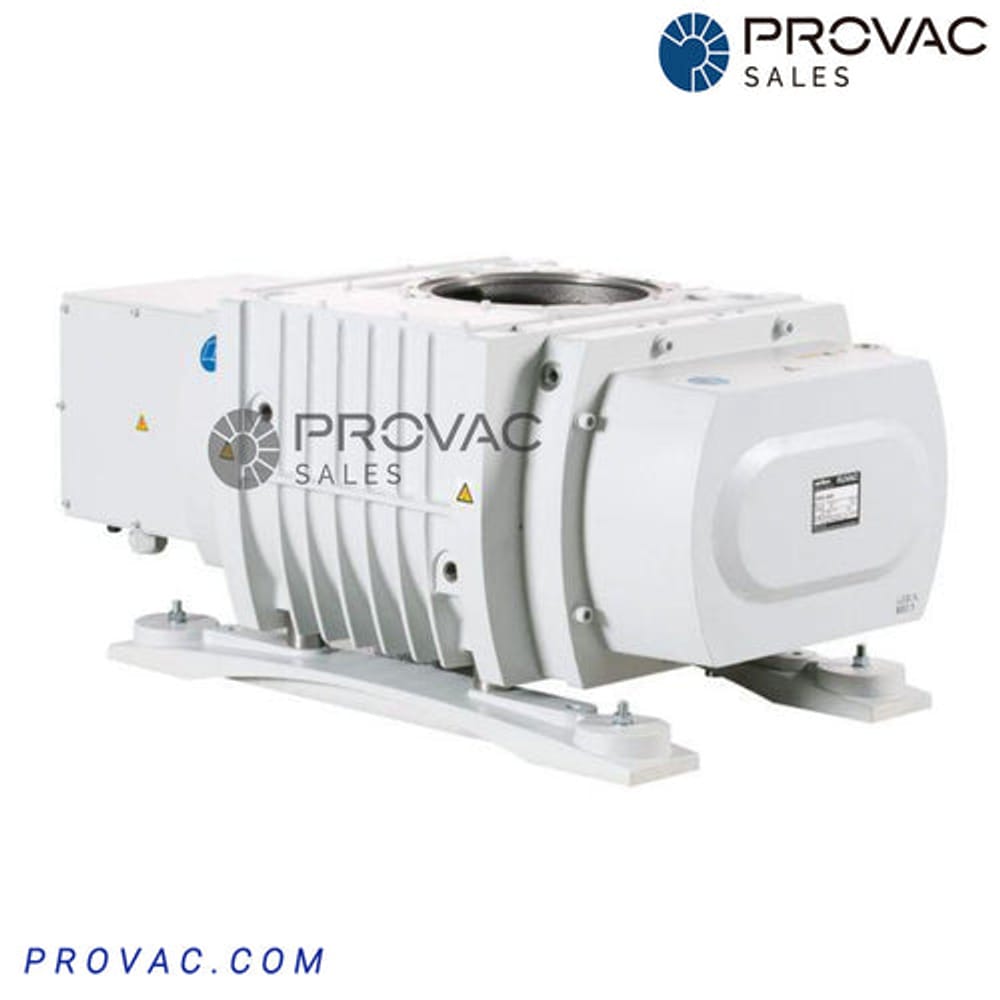
Leybold/Oerlikon
Leybold Ruvac WHU-7000 Blower
Contact us for pricing
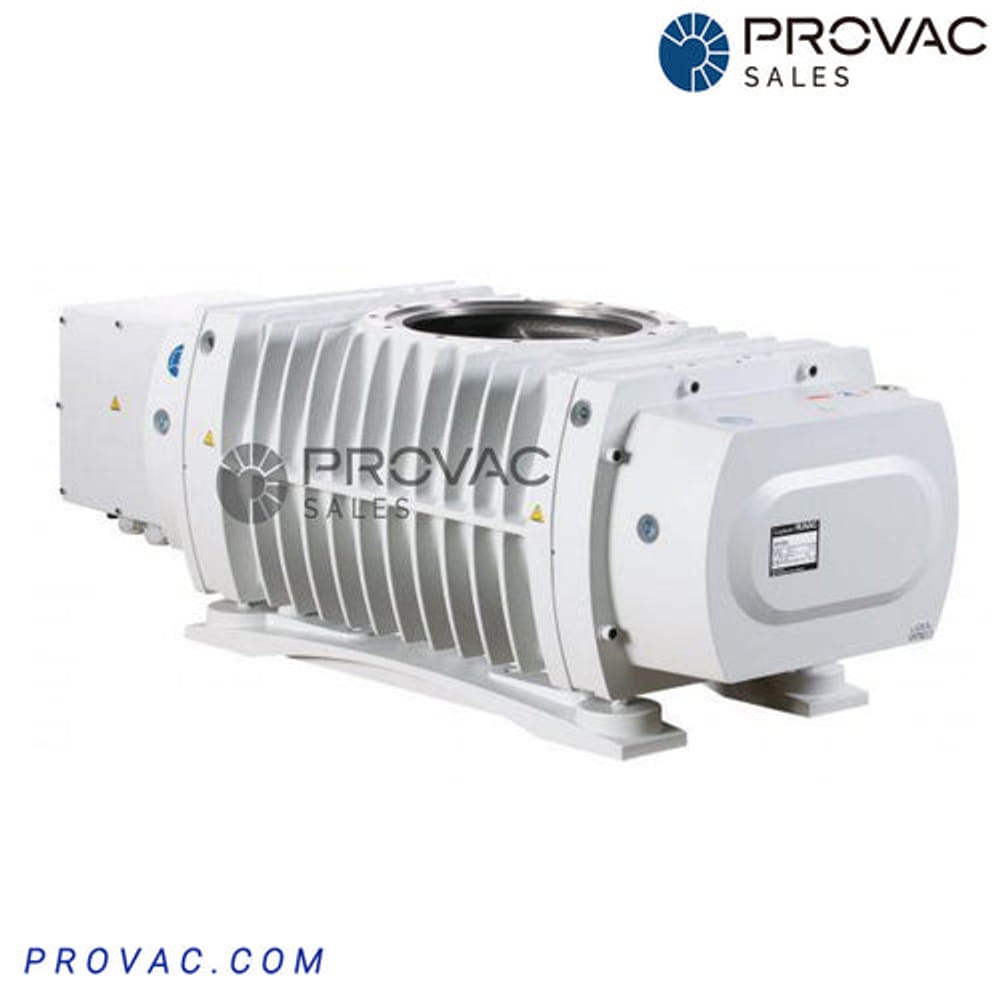
Leybold/Oerlikon
Leybold Ruvac WH-7000 Blower
Contact us for pricing
Leybold RUVAC Roots Blowers and Boosters
A Roots blower, also called a vacuum booster or mechanical booster, sits on top of a backing pump and multiplies its pumping speed in the low and medium vacuum range. It cannot pump against atmosphere on its own, but paired with a rotary vane, piston or dry pump it cuts pumpdown time and lowers the working pressure of the whole system. Leybold RUVAC blowers are among the most widely installed boosters in coating, heat treatment and industrial vacuum. At Provac Sales, we supply RUVAC blowers new and rebuilt, and we repair and rebuild them in our own shop.
Leybold RUVAC Models We Carry
RUVAC WA and WAU Air-Cooled Blowers
- RUVAC WA 151 and WAU 151, the smallest frame for lab systems and small furnaces
- RUVAC WA 251 and WAU 251, about 253 m³/h (149 CFM) nominal speed at 50 Hz
- RUVAC WA 501 and WAU 501, about 505 m³/h (297 CFM)
- RUVAC WA 1001 and WAU 1001, about 1,000 m³/h (589 CFM)
- RUVAC WA 2001 and WAU 2001, about 2,050 m³/h (1,207 CFM)
RUVAC WS and WSU Canned-Motor Blowers
- RUVAC WS 151 and WSU 151
- RUVAC WS 251 and WSU 251
- RUVAC WS 501 and WSU 501, including hydrocarbon-filled rebuilt units
- RUVAC WS 1001 and WSU 1001
- RUVAC WS 2001 and WSU 2001, new and rebuilt
Many listings are rebuilt units. Some show a price and others are quote-based. Each product page lists pumping speed, motor, flanges and oil type.
WA vs WS, and What the U Means
The main difference between the two families is the motor:
- WA and WAU blowers use a standard flange-mounted three-phase motor with a shaft seal. They are air-cooled, simple to service and cost less. The current WA range meets IE3 motor efficiency.
- WS and WSU blowers use a canned motor. The rotor runs inside a vacuum-tight can, so there is no shaft seal to wear or leak. Choose WS when you need a hermetically sealed system, such as with expensive, toxic or very clean process gases, or in laser gas systems.
The U suffix means the blower has an integrated bypass valve, also called a pressure compensation valve. The bypass lets the blower start with the backing pump at atmosphere, because excess gas flows back from the discharge to the inlet instead of overloading the motor. A blower without the U needs a pressure switch or controller to start it only once the backing pump has pulled down to its cut-in pressure, usually a few tens of mbar.
How a Roots Blower Works
Two figure-eight shaped rotors turn in opposite directions inside the housing, synchronized by gears so they never touch each other or the housing. Gas trapped between each rotor and the housing is carried from the inlet to the discharge. Because there is no oil in the pumping chamber, the pumping chamber stays dry. The bearings and gears run in oil in separate side chambers. Standard speed is 3,000 rpm at 50 Hz and 3,600 rpm at 60 Hz, and WS models can run faster on a frequency converter.
Sizing a Blower to the Backing Pump
A Roots blower usually runs at 5 to 10 times the speed of its backing pump. A larger ratio gives more speed at low pressure, but it raises the pressure difference across the blower and the heat it produces. Typical Leybold pairings include:
- RUVAC WA 251 or WS 251 on a TRIVAC D 40 B or D 65 B, or a SOGEVAC SV 40 B to SV 65 B
- RUVAC WA 501 or WS 501 on a SOGEVAC SV 100 B or a DRYVAC dry screw pump
- RUVAC WA 1001 on a SOGEVAC SV 300 B, a large piston pump or a DRYVAC
- RUVAC 2001 on a SOGEVAC SV 630 B, an E 250 piston pump or a large dry screw pump
Check the maximum allowed pressure difference too. The 251 to 1001 frames are rated for about 80 mbar and the 2001 for about 50 mbar.
Key Features
- Contact-free rotors, so the pumping chamber stays dry and free of oil
- Vertical or horizontal mounting on most sizes
- Integrated bypass valve on WAU and WSU models
- Hermetically sealed canned motors on WS and WSU models, air- or water-cooled
- Oil fill options in mineral, synthetic ester or PFPE oil, such as LEYBONOL LVO 130, LVO 210 or LVO 400
Applications
- Vacuum heat treatment, furnaces and brazing
- Large-area, architectural glass and decorative coating
- Electron beam melting and welding, and vacuum metallurgy
- Display and semiconductor production, including silicon crystal pulling
- Load-lock pumpdown and fast evacuation, including high-speed food packaging
- Leak testing and freeze drying systems
- Gas laser and other closed-loop gas systems, using WS canned-motor models
Maintenance Tips
- Check the oil level in both side chambers through the sight glasses
- Change gear and bearing oil at the interval in the manual, and sooner on hot or dirty processes
- Use the oil type the blower was filled with, and do not mix PFPE with hydrocarbon oil
- Watch motor current and housing temperature, which rise when the pressure difference is too high
- Keep cooling fins, fans and water lines clean
- Fit an inlet screen on processes that produce dust or flakes
Signs Your Blower Needs Service
- New noise, knocking or rattling, which often means worn bearings or gears
- Oil leaking at the shaft seal on a WA or WAU, or oil migrating into the pumping chamber
- The blower trips its motor protection or runs hotter than normal
- Rotors rubbing, often after process debris or overheating
- Lower system speed than the blower used to deliver
Leybold Blowers and Boosters Repair
Provac Sales repairs and rebuilds Leybold RUVAC WA, WAU, WS and WSU blowers, including canned-motor units. Submit an RMA request, complete the contamination data sheet and drain the oil before shipping. Include the model, serial number and symptoms. See our pump repair page for more information.
Related Leybold Collections
- Leybold vane pumps, TRIVAC and SOGEVAC backing pumps for RUVAC blowers
- Leybold piston pumps, E and DK backing pumps for larger blowers
- Leybold dry pumps, DRYVAC and SCREWLINE dry backing pumps
- Leybold vacuum fluids and greases, LEYBONOL oils for blowers
- All Leybold vacuum pumps
- All blowers and boosters from every brand we carry
Leybold Blowers and Boosters FAQ
1. What is the difference between a Leybold RUVAC WA and WAU blower?
The WAU has an integrated bypass valve and the WA does not. The bypass lets the blower start together with the backing pump at atmospheric pressure. A WA needs a pressure switch or controller so it starts only after the backing pump reaches its cut-in pressure.
2. What is a canned-motor RUVAC WS blower?
WS and WSU blowers use a canned motor, where the rotor runs inside a vacuum-tight can. There is no shaft seal, so the blower is hermetically sealed. This suits clean, toxic or expensive process gases and closed gas systems such as gas lasers.
3. What backing pump do I need for a RUVAC WA 501?
A RUVAC 501 is usually paired with a backing pump of about 50 to 100 m³/h, such as a SOGEVAC SV 65 B or SV 100 B, a TRIVAC D 65 B or a dry screw pump. Send us your process pressure and we will confirm the pairing.
4. Can a Roots blower pump to atmosphere?
No. A Roots blower needs a backing pump on its discharge. It boosts the speed of the backing pump in the low and medium vacuum range, typically below a few tens of mbar.
5. What oil does a Leybold RUVAC blower use?
RUVAC blowers use oil only in the gear and bearing chambers. Common fills are LEYBONOL LVO 130 mineral oil, LVO 210 ester oil for hotter service, or LVO 400 or LVO 410 PFPE for oxygen and aggressive gases.
Request a Quote on Leybold RUVAC Roots Blowers and Boosters
Send us your backing pump model, required working pressure, pumping speed, supply voltage and application. We will recommend the right RUVAC WA, WAU, WS or WSU blower, confirm new or rebuilt availability, or quote a repair of your existing blower. Contact us or call 831-462-8900.