
Leybold VACUBE Oil-Sealed Screw Pumps
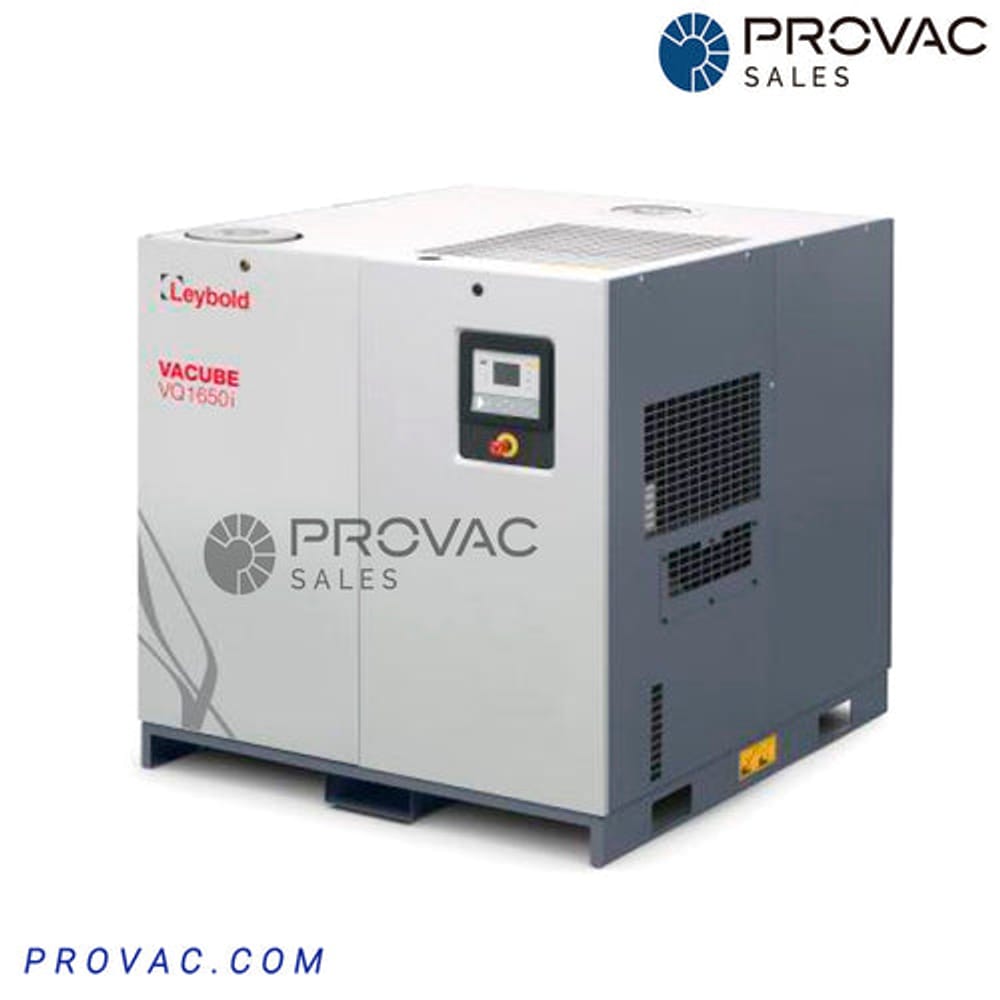
Leybold
Leybold Vacube VQ 1500i Oil Lubricated Screw Pump
Contact us for pricing
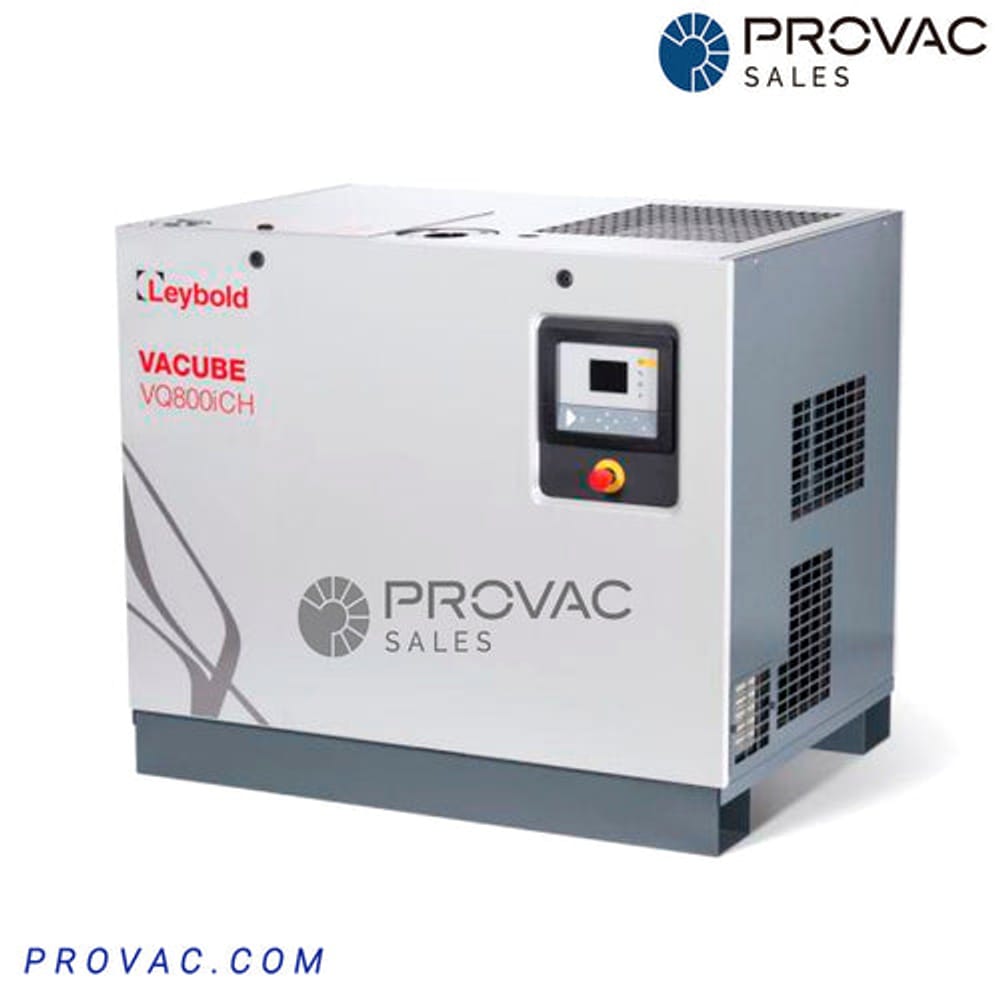
Leybold
Leybold Vacube VQ 700i Oil Lubricated Screw Pump
Contact us for pricing
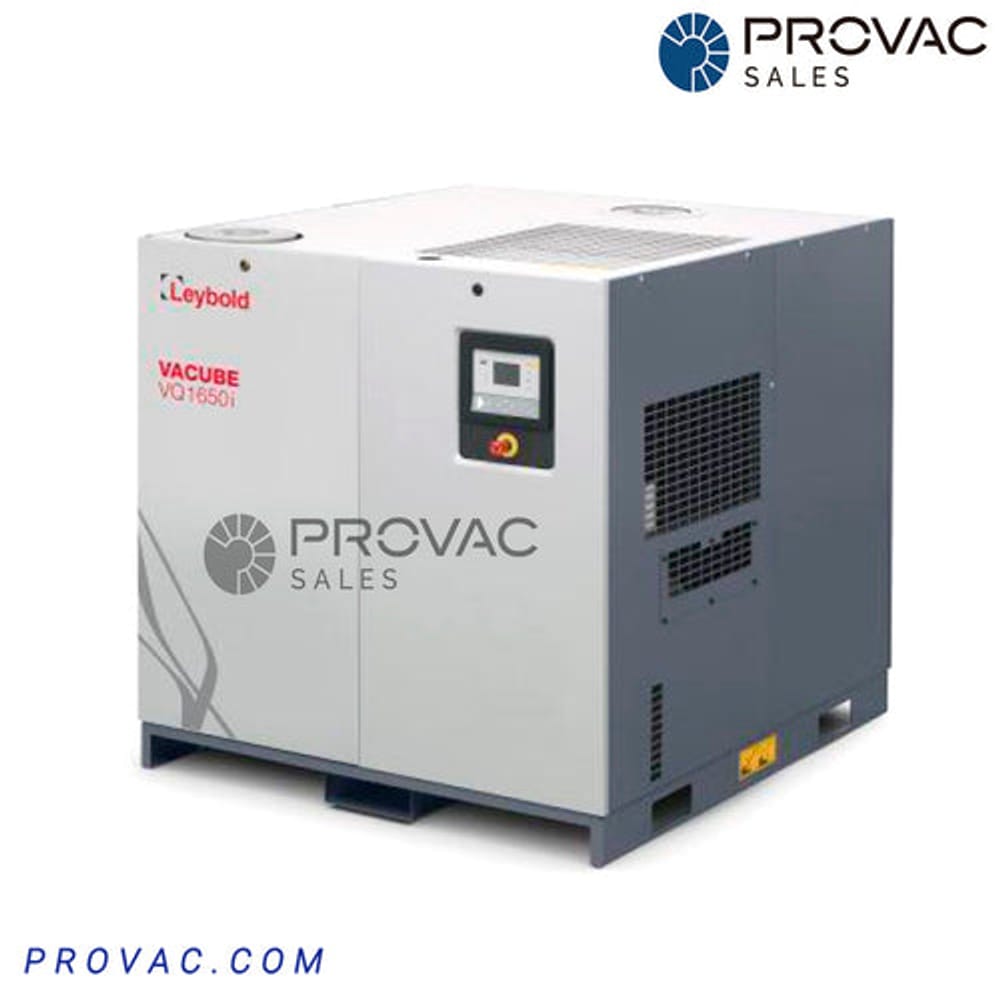
Leybold
Leybold Vacube VQ 1250i Oil Lubricated Screw Pump
Contact us for pricing
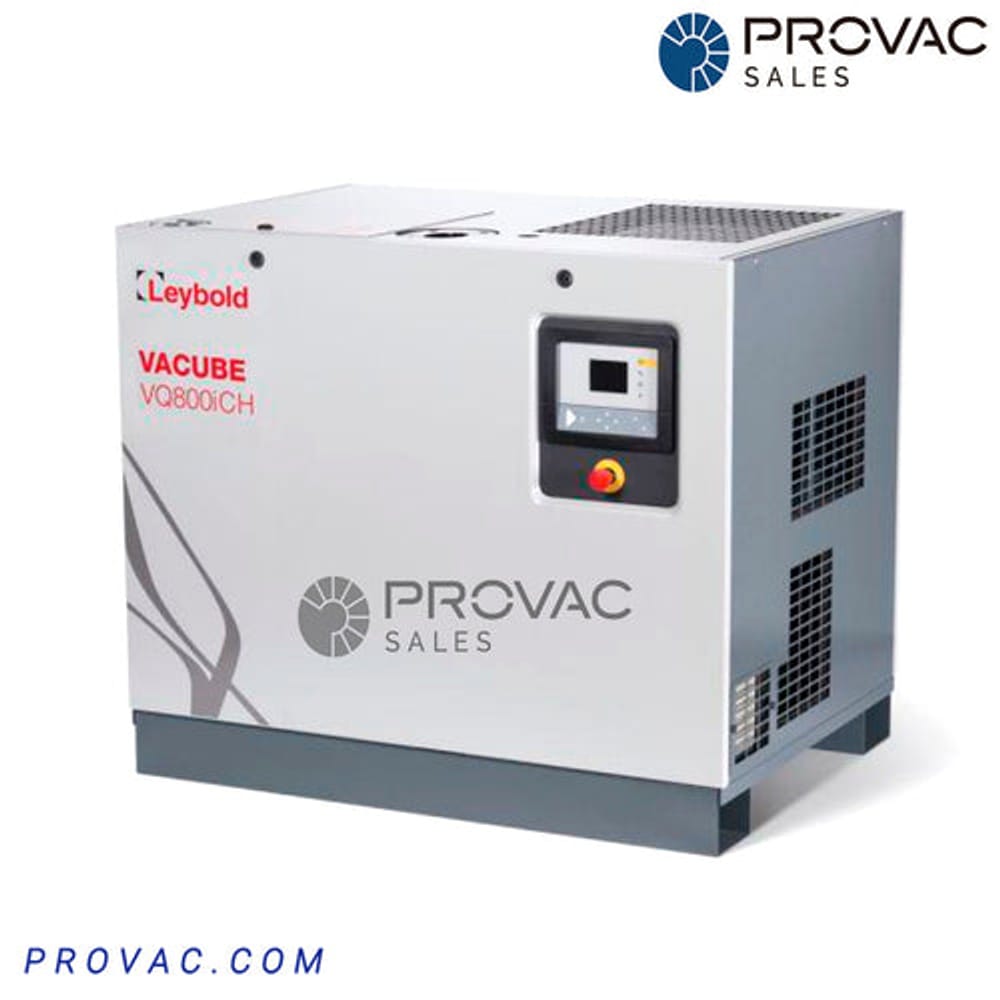
Leybold
Leybold Vacube VQ 400i Oil Lubricated Screw Pump
Contact us for pricing
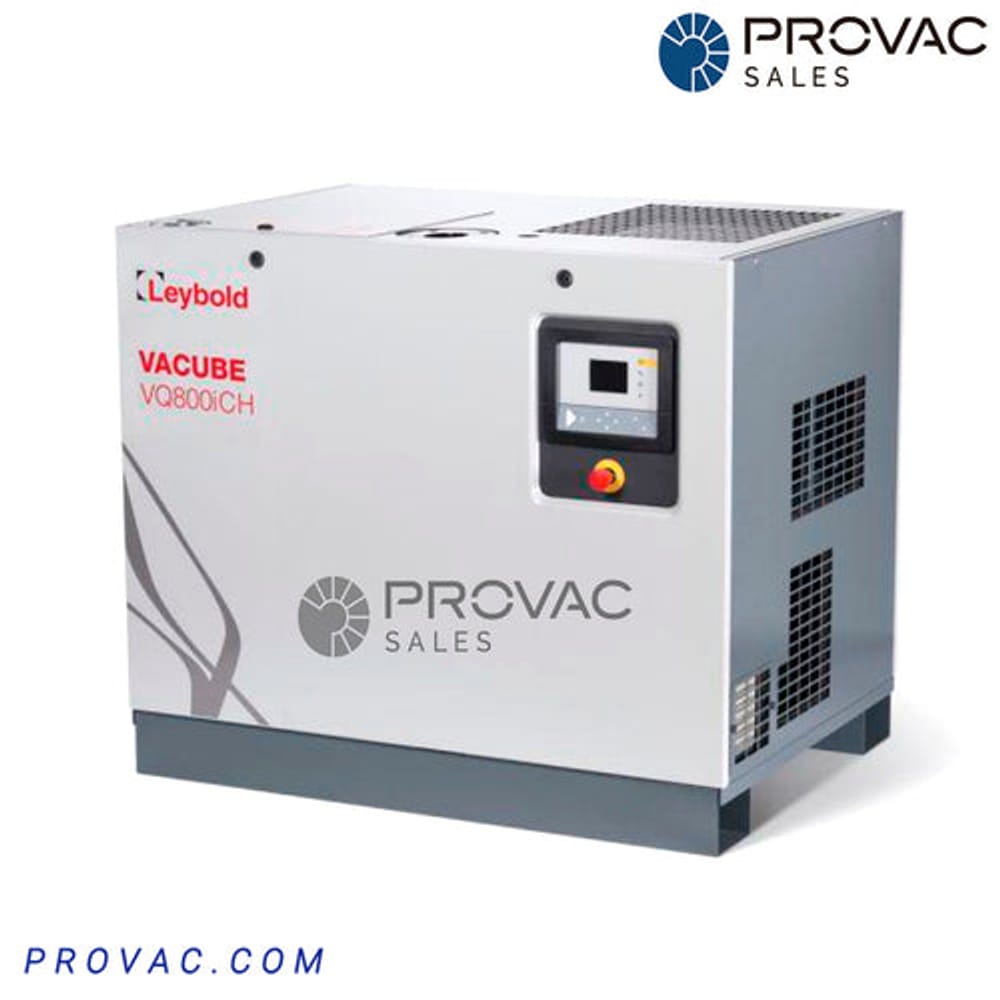
Leybold
Leybold Vacube VQ 550i Oil Lubricated Screw Pump
Contact us for pricing
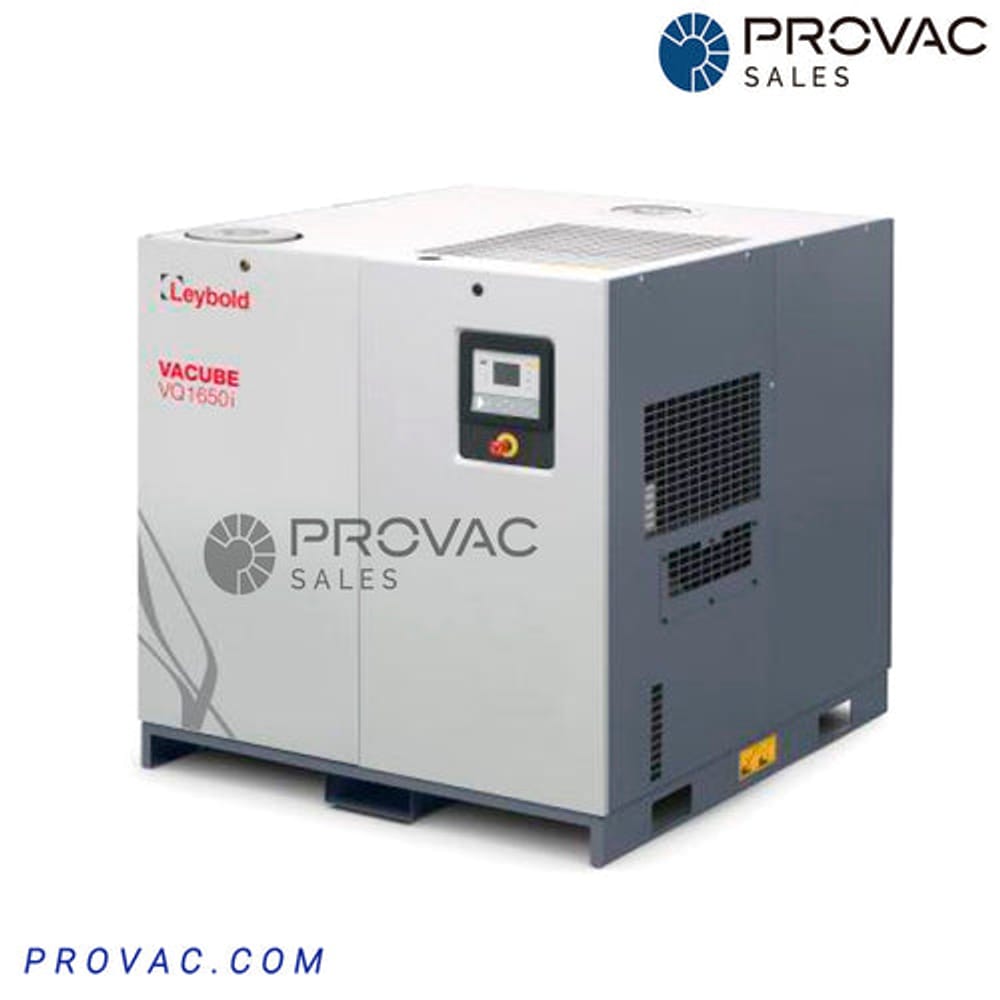
Leybold
Leybold Vacube VQ 1650i Oil Lubricated Screw Pump
Contact us for pricing
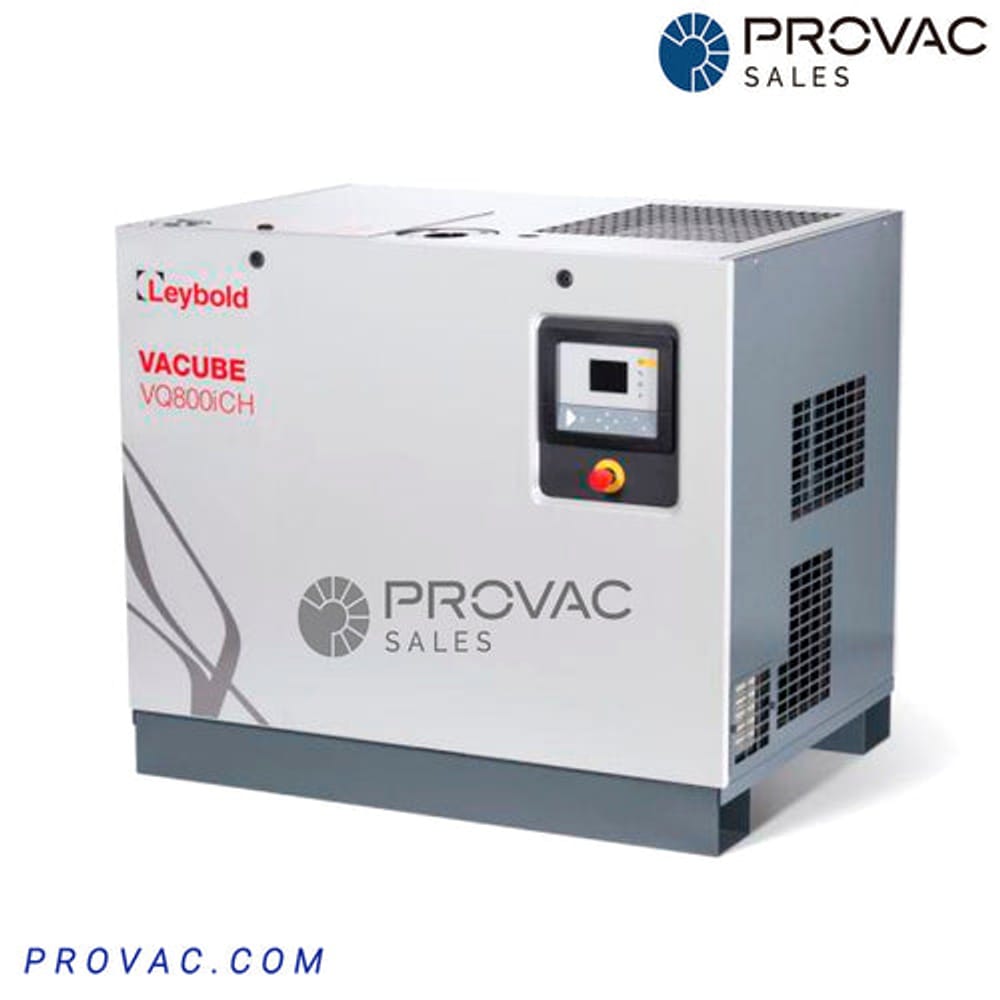
Leybold
Leybold Vacube VQ 800i Oil Lubricated Screw Pump
Contact us for pricing
Leybold VACUBE Oil-Sealed Screw Pumps
For central factory vacuum and large rough vacuum duties, an oil-sealed screw pump combines the high pumping speed of a screw design with the low ultimate pressure of an oil-sealed pump. Leybold VACUBE pumps add a built-in variable speed drive and PLC, so the pump runs only as fast as the process needs. At Provac Sales, we supply VACUBE pumps and help size them to your system.
Leybold VACUBE Models We Carry
- VACUBE VQ 700 i
- VACUBE VQ 800 i, about 790 m³/h (465 CFM) maximum pumping speed, 15 kW (20 hp)
- VACUBE VQ 1250 i
- VACUBE VQ 1650 i, about 1,620 m³/h (955 CFM) maximum pumping speed, 37 kW (50 hp)
The VACUBE range also includes larger models, such as the VQ 4800 i at about 4,972 m³/h. Most models reach an ultimate pressure of about 0.35 mbar (0.26 Torr). Some listings show a price and others are quote-based. Each product page lists pumping speed, motor power, connections and cooling.
VACUBE Versions
VACUBE pumps come in versions matched to the process:
- i: standard version for low-vapor duties such as central vacuum
- iH: for higher water vapor loads in humid applications
- iC: for short-cycling applications such as packaging machines
- iCH: combines the iH and iC features
Tell us your process so we can quote the right version.
How an Oil-Sealed Screw Pump Works
Two screw rotors turn inside a housing and trap gas in the spaces between their threads. As the rotors turn, those spaces move toward the exhaust and shrink, compressing the gas. Oil is injected into the screw module to seal the clearances, cool the gas and lubricate the rotors. The oil is then separated from the exhaust gas and recirculated. Compared with a rotary vane pump, a screw pump has no vanes to wear, so it suits continuous duty at high flow.
Variable Speed and Energy Savings
A fixed-speed pump runs at full power whether the process needs it or not. The VACUBE integrated frequency inverter adjusts motor speed to the actual demand, holding a set pressure while using only the power needed. The built-in PLC can also schedule operation by production day and hour, so the pump does not run when the plant is idle. For central vacuum systems with changing demand, this can greatly reduce energy use compared with fixed-speed pumps.
Plug and Pump Design
Each VACUBE ships as a complete unit, with:
- Inlet valve, inlet filter and inlet vacuum sensor
- Screw pump module and temperature sensors
- Electrical cabinet with PLC
- Soundproof enclosure, with noise from about 51 dB(A) on the VQ 800 i at low speed
Connections are DN 150 PN 10 at the inlet and DN 100 PN 10 at the exhaust, with 380 to 460 V, three-phase, 50/60 Hz supply. Air- and water-cooled versions are available.
Key Features
- Variable speed drive for demand-based operation
- Built-in PLC with field bus, Ethernet and optional cloud connectivity
- Integrated temperature management that extends oil life, with first-level maintenance at up to 4,000 running hours
- IP54 protection and an operating range of 0 to 46°C ambient
- Small footprint for its pumping speed
Applications
- Central factory vacuum supply
- Food packaging, including modified atmosphere packaging, canning and vacuum cooling
- Freeze drying
- Thermoforming, plastic molding, glass forming, lamination and composites
- Pick and place, holding and lifting, and woodworking
- Brick and tile degassing, pipeline drying and lithium battery filling
- Altitude testing and other large evacuation duties
VACUBE vs Rotary Vane vs Dry Screw
- Compared with large SOGEVAC rotary vane pumps, a VACUBE gives variable speed control and longer maintenance intervals for continuous central vacuum duty.
- Compared with dry screw pumps, a VACUBE costs less and suits clean, non-corrosive rough vacuum. Choose a dry screw pump when oil contact with the process gas is not acceptable.
How to Choose the Right VACUBE
Before ordering, confirm:
- Peak and average pumping speed needed at your working pressure
- Number of machines or drops on a central system
- Water vapor load and cycle time, to choose the i, iH, iC or iCH version
- Supply voltage and whether you prefer air or water cooling
- Space and noise limits in the installation area
Maintenance Tips
- Check oil level and condition at the intervals shown by the controller
- Change oil, oil filter and separator elements on schedule
- Keep the inlet filter clean, especially on dusty processes
- Keep cooler fins or cooling water clean
- Review controller alarms and run data to spot problems early
Central Vacuum Systems
In a central vacuum system, one or more large pumps serve many machines through a piping network, instead of each machine having its own pump. This reduces noise and heat on the production floor, simplifies maintenance and lets the pumps run at their most efficient point. A VACUBE suits this well because its variable speed drive follows changing demand as machines start and stop. Several VACUBE pumps can work together, with the controller sharing the load and keeping a pump in reserve for redundancy.
Sizing a VACUBE
Add up the peak demand of all connected machines at the working pressure, allow for leaks in the piping and a margin for growth, and choose a model whose maximum speed covers that total. A variable speed pump can be sized for peak demand without wasting energy at low demand, which is harder with fixed-speed pumps.
Leybold Oil-Sealed Screw Pumps Repair
Provac Sales services Leybold VACUBE oil-sealed screw pumps. Submit an RMA request, complete the contamination data sheet and drain the oil before shipping. See our pump repair page for more information.
Related Leybold Collections
- Leybold vane pumps, SOGEVAC single-stage rotary vane pumps
- Leybold dry pumps, DRYVAC, SCREWLINE and CLAWVAC
- Leybold blowers and boosters, RUVAC Roots blowers
- Leybold vacuum fluids and greases
- All Leybold vacuum pumps
Leybold Oil-Sealed Screw Pumps FAQ
1. What is a Leybold VACUBE pump?
VACUBE is Leybold's range of oil-sealed screw vacuum pumps with a built-in variable speed drive and PLC. Models such as the VQ 800 i and VQ 1650 i reach about 0.35 mbar and are used for central vacuum, packaging and forming.
2. What do the iH, iC and iCH versions mean?
The iH version handles higher water vapor loads, the iC version suits short-cycling applications, and the iCH combines both. The standard i version is for low-vapor duties such as central vacuum.
3. How does a VACUBE save energy?
Its integrated frequency inverter adjusts motor speed to match demand, holding the set pressure with only the power needed. The PLC can also schedule the pump to run only during production hours.
4. What is the pumping speed of the VACUBE VQ 800 i?
The VQ 800 i has a maximum pumping speed of about 790 m³/h, or 465 CFM, with a 15 kW motor. The VQ 1650 i reaches about 1,620 m³/h, or 955 CFM.
5. How often does a VACUBE need maintenance?
Integrated temperature management extends oil life, so first-level maintenance can be up to 4,000 running hours. Follow the intervals shown by the controller for your duty.
Request a Quote on Leybold VACUBE Oil-Sealed Screw Pumps
Send us your required pumping speed, working pressure, number of connected machines, water vapor load and supply voltage. We will recommend the right VACUBE model and version and confirm availability. Contact us or call 831-462-8900.